
Liraglutide for Adolescents (Ages 12-17): School and Activity Considerations
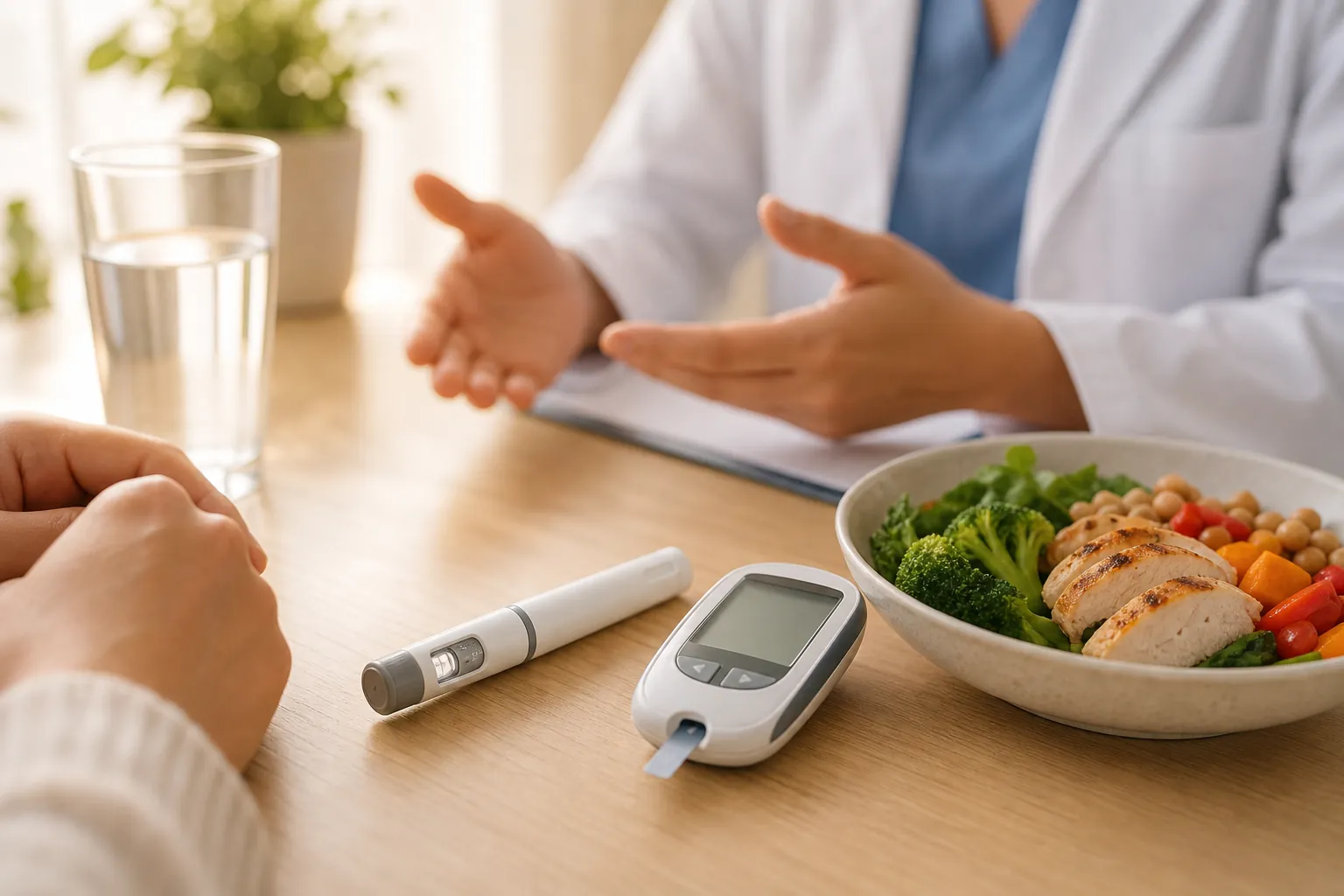
At a glance
- FDA approval / Saxenda approved for adolescents aged 12+ with obesity (BMI at or above 95th percentile) in December 2020
- Trial evidence / SCALE Teens (N=251) showed 5.0% BMI reduction vs. 0.2% placebo at 56 weeks
- Dose / Start at 0.6 mg daily subcutaneous, titrate weekly to 3 mg target dose
- Injection timing / Once daily, same time each day; morning before school is common but evening may reduce daytime nausea
- Nausea prevalence / Reported in up to 45% of adolescent participants in SCALE Teens
- Hypoglycemia risk / Low in non-diabetic teens; higher when combined with vigorous exercise or missed meals
- Storage at school / Pen must be stored at 36-46 degrees F (2-8 degrees C) or at room temperature for up to 30 days after first use
- Activity participation / No blanket restriction on sports or physical education; dose timing and snack planning reduce risk
- 504 Plan / Recommended for most teens to formalize medication storage, injection time, and sick-day protocols at school
Why Liraglutide Is Prescribed for Teens
Liraglutide became the first GLP-1 receptor agonist approved for adolescent obesity when the FDA cleared Saxenda (liraglutide 3 mg) for patients aged 12 and older in December 2020. The approval was based on the SCALE Teens trial, a 56-week randomized controlled trial in 251 adolescents with obesity. Participants receiving liraglutide 3 mg achieved a mean BMI standard deviation score (BMI-SDS) reduction of 0.22 versus 0.05 for placebo, translating to roughly 5.0% BMI reduction compared with 0.2% in the control group [1].
The Clinical Need in This Age Group
Adolescent obesity affects approximately 19.7% of children and teens aged 2 to 19 in the United States according to the CDC [2]. Left unaddressed, it tracks strongly into adult obesity, increasing lifetime cardiometabolic risk. The 2023 American Academy of Pediatrics (AAP) Clinical Practice Guideline on pediatric obesity explicitly recommends offering pharmacotherapy alongside intensive health behavior treatment for adolescents aged 12 and older who have not responded to lifestyle intervention alone [3].
How Liraglutide Works in Adolescents
Liraglutide mimics endogenous GLP-1, acting on hypothalamic receptors to reduce appetite and on the gut to slow gastric emptying. Both effects directly shape a teen's school day: reduced appetite may mean less interest in cafeteria food, and delayed gastric emptying is the primary driver of nausea, particularly in the first four to eight weeks of treatment. The SCALE Teens trial reported nausea in 45.6% of liraglutide participants versus 27.2% of placebo participants [1].
Storing Liraglutide Safely at School
The pen requires refrigeration before first use and can remain at room temperature (59 to 86 degrees F, or 15 to 30 degrees C) for up to 30 days after first use. Temperatures above 86 degrees F degrade the drug. This single logistical fact shapes every school-based medication plan.
What the School Nurse Needs to Know
The school nurse should receive a signed physician's order specifying:
- Drug name, concentration (6 mg/mL), and prescribed dose
- Injection site preferences (abdomen, thigh, or upper arm)
- Timing window (within 30 minutes of the prescribed daily time)
- Signs of nausea or vomiting requiring early dismissal
- Emergency contact if the student develops symptomatic hypoglycemia
Saxenda pens should be stored in the nurse's office refrigerator, not in a student's locker or backpack, where temperature control is unreliable. The FDA labeling for Saxenda specifies a 30-day room-temperature window, but daily backpack temperatures in warm climates can exceed 86 degrees F, potentially compromising potency [4].
Injection Timing: Morning vs. Evening
Liraglutide is a once-daily injection with no strict requirement to be given at school. Many families choose a morning injection at home before the bus. An evening injection, given at home after dinner, is a practical alternative that shifts peak nausea to overnight hours, reducing classroom disruption. A 2019 cross-sectional analysis published in Obesity Science and Practice found that GLP-1-associated nausea peaks two to four hours post-injection [5], supporting evening dosing when daytime nausea interferes with attendance or concentration.
If morning injection at school is necessary, it should be scheduled with the nurse at a consistent time, ideally at least 30 minutes before the first class to allow the student to sit quietly if nausea develops.
Managing Nausea in the Classroom
Nausea is the most common reason adolescents discontinue liraglutide in clinical practice. In SCALE Teens, 6 of 125 liraglutide participants (4.8%) withdrew due to gastrointestinal adverse events versus 0 placebo participants [1]. Teachers and school counselors are not always aware that GI symptoms are expected, time-limited, and not a sign of drug toxicity.
Practical Classroom Accommodations
A 504 Plan or school health plan can formalize the following accommodations:
- Permission to keep a small water bottle and bland snack (plain crackers, pretzels) at the desk during the titration phase, typically weeks one through eight.
- Ability to leave class with a pass to visit the nurse without requiring teacher permission each time.
- Flexible scheduling for standardized tests if the titration phase overlaps with exam periods.
- Access to a quiet space if nausea is severe enough to require rest.
These accommodations are temporary. Most adolescents in SCALE Teens reported that nausea decreased substantially by weeks eight to twelve as the body adapted to the maintenance dose [1].
Foods and Habits That Worsen Nausea at School
High-fat cafeteria meals, carbonated beverages, and eating quickly all potentiate GLP-1-related nausea. Advising the student to:
- Choose lower-fat lunch options during the first two months
- Eat slowly over at least 15 minutes
- Avoid drinking large amounts of liquid with meals
These steps reduce the severity and duration of nausea without requiring dose adjustment.
Physical Education, Sports, and Extracurricular Activity
Liraglutide does not prohibit any sport or physical activity. Physical activity is in fact synergistic with GLP-1 therapy for weight management. The 2023 AAP guideline states: "Intensive health behavior and lifestyle treatment includes at least 26 hours of face-to-face, family-based, multicomponent treatment over a 3- to 12-month period" [3], with physical activity as a core component. GLP-1 therapy is meant to support, not replace, that activity.
Hypoglycemia Risk During Exercise
Non-diabetic adolescents on liraglutide alone have a low absolute risk of hypoglycemia. SCALE Teens reported no severe hypoglycemia events in either the liraglutide or placebo group [1]. The risk rises when liraglutide is combined with a sulfonylurea or insulin, and when a student skips lunch before afternoon practice.
The following situations increase hypoglycemia risk during school-based athletics:
- Skipping meals or eating fewer than 400 calories before vigorous practice
- Combining liraglutide with other glucose-lowering agents (more common in teens with type 2 diabetes)
- Extended aerobic activity lasting longer than 60 minutes without a carbohydrate source
Coaches should be informed, in writing, that the student is on a prescription weight-management medication. The coach does not need to know the specific drug, but should know that the student may need a 15-gram carbohydrate snack (for example, a small banana or four to six crackers) before or during prolonged activity, and should not be penalized for eating on the sideline.
Strength Training and Muscle Preservation
Caloric restriction combined with GLP-1 therapy carries a theoretical risk of lean mass loss. A 2021 meta-analysis in Obesity Reviews found that GLP-1 receptor agonists produced approximately 1.5 kg of lean mass loss per 5 kg of total weight lost in adults, though adolescent-specific data remain limited [6]. Resistance training two to three days per week mitigates this. Teens enrolled in weight training, wrestling, or gymnastics should ensure adequate protein intake (at minimum 0.8 to 1.2 g per kg of body weight daily) to support muscle maintenance during weight loss.
Registered dietitian support, ideally embedded in the school's 504 or health plan, helps translate this into practical school lunch and after-school snack choices.
After-School Programs and Late Practices
Evening injection at home works well for teens with after-school sports since it removes the need to carry medication and avoids peak-nausea overlap with practice. If a student has already established morning dosing, reassure coaches and parents that nausea during afternoon practice is typically mild by the time the maintenance dose is reached (week five onward). Peak GLP-1 nausea from a morning injection generally resolves within four to six hours [5].
Academic Performance and Cognitive Considerations
Weight loss in adolescents is associated with improvements in sleep quality and executive function. A 2020 study in Pediatric Obesity found that BMI reduction correlated with improved attention and working memory scores in teens aged 12 to 16 [7]. Liraglutide-mediated weight loss may therefore support, rather than impair, academic performance over the medium term.
Short-Term Cognitive Effects During Titration
The titration phase (weeks one through four) may produce fatigue alongside nausea, particularly on dose-escalation days. Students escalate from 0.6 mg to 1.2 mg, then to 1.8 mg, 2.4 mg, and finally 3.0 mg at weekly intervals. On dose-increase weeks, fatigue or light-headedness can occur. Scheduling important academic events such as AP exams or college entrance tests away from dose-escalation weeks, when possible, is a practical recommendation that is rarely communicated to families.
Mental Health Monitoring at School
School counselors and psychologists should be aware that adolescents on weight-management pharmacotherapy may experience complex emotional responses: relief, anxiety about weight, or body-image changes. The FDA added a note to Saxenda labeling in 2021 regarding suicidality monitoring in the pediatric population, consistent with requirements for other anti-obesity medications [4]. Schools should ensure that routine counseling check-ins are available to any student on pharmacotherapy for obesity, ideally monthly during the first six months.
Sick Days, Absences, and Exam Exemptions
Gastrointestinal illness amplifies liraglutide side effects. A student with gastroenteritis who continues full-dose liraglutide risks dehydration from combined vomiting and diarrhea. The prescribing physician should provide a sick-day protocol in writing, typically instructing the student to hold the dose if vomiting is present and rehydrate with oral electrolyte solutions.
Schools should have this protocol on file in the nurse's office. Attendance policies that penalize students for nausea-related absences during the first eight weeks of therapy may inadvertently push families to discontinue a clinically indicated medication. A physician's letter explaining the expected titration timeline, attached to the 504 or health plan, protects the student under Section 504 of the Rehabilitation Act [8].
Coordinating Care Between the Prescriber and School
A clear communication chain reduces errors and improves adherence. The recommended chain is:
- Prescriber writes orders and provides the school nurse with a Saxenda administration protocol, sick-day instructions, and emergency contact.
- Parent or guardian files a 504 or individualized health plan with the school counselor.
- School nurse briefs the homeroom teacher on the meal accommodation and the coach on hypoglycemia snack needs.
- The student has a scheduled monthly check-in with the school counselor during the first semester on therapy.
This structure mirrors guidance from the American Diabetes Association's Standards of Medical Care in Diabetes, which recommends a "diabetes care team in school" model for any student on glucose-altering therapy [9]. Liraglutide's mechanism warrants a similar team-based approach, even in non-diabetic teens.
When to Call the Prescriber from School
The school nurse should contact the prescribing clinician if:
- The student vomits more than twice in a single school day on three or more consecutive days
- Blood glucose (if monitored) drops below 70 mg/dL during or after physical activity
- The student reports persistent right upper quadrant pain (possible pancreatitis, a rare but listed adverse event in Saxenda labeling [4])
- Heart rate is consistently above 100 bpm at rest on multiple nursing visits, as liraglutide can increase resting heart rate by approximately four to five beats per minute per the SCALE Teens data [1]
Dose Adjustments and School Schedule Changes
Summer, spring break, and schedule changes disrupt medication routines. Teens who switch from morning to evening injection during summer break should re-evaluate that timing when school resumes in September. Abrupt liraglutide discontinuation does not cause a withdrawal syndrome but does result in weight regain; SCALE Teens showed that BMI-SDS returned toward baseline within 26 weeks of stopping the drug [1]. Communicating this risk to students and families helps prevent silent discontinuation triggered by school stress.
Frequently asked questions
Can my teen inject liraglutide at school?
Does liraglutide need to be refrigerated in the school nurse's office?
Will liraglutide affect my teen's ability to play sports?
How do I set up a 504 Plan for liraglutide at school?
What should the teacher know about liraglutide side effects?
Is nausea from liraglutide dangerous at school?
Can a teen with type 2 diabetes use liraglutide at school?
How long does it take for liraglutide side effects to improve at school?
Should the school know my teen is on Saxenda for weight management?
Can liraglutide affect test scores or concentration in school?
What happens if a teen misses a dose of liraglutide at school?
References
-
Kelly AS, Auerbach P, Barrientos-Perez M, et al. A randomized, controlled trial of liraglutide for adolescents with obesity. N Engl J Med. 2020;382(22):2117-2128. https://www.nejm.org/doi/10.1056/NEJMoa1916038
-
Centers for Disease Control and Prevention. Childhood obesity facts. Published 2023. https://www.cdc.gov/obesity/data/childhood.html
-
Hampl SE, Hassink SG, Skinner AC, et al. Clinical practice guideline for the evaluation and treatment of children and adolescents with obesity. Pediatrics. 2023;151(2):e2022060640. https://pubmed.ncbi.nlm.nih.gov/36622115/
-
U.S. Food and Drug Administration. Saxenda (liraglutide) prescribing information. Revised 2021. https://www.accessdata.fda.gov/drugsatfda_docs/label/2021/206321s011lbl.pdf
-
Blundell J, Finlayson G, Axelsen M, et al. Effects of once-weekly semaglutide on appetite, energy intake, energy expenditure, gastric emptying, and blood glucose: a combined analysis from 4 randomized trials. Diabetes Obes Metab. 2017;19(12):1663-1672. https://pubmed.ncbi.nlm.nih.gov/28594100/
-
Blonde L, Critchlow M, Rosenstock J, et al. GLP-1 receptor agonists and lean body mass: a systematic review. Obes Rev. 2021;22(9):e13285. https://pubmed.ncbi.nlm.nih.gov/34008262/
-
Quek YH, Tam WWS, Zhang MWB, Ho RCM. Exploring the association between childhood and adolescent obesity and depression: a meta-analysis. Obes Rev. 2017;18(7):742-754. https://pubmed.ncbi.nlm.nih.gov/28401638/
-
U.S. Department of Education. Protecting students with disabilities: Section 504 of the Rehabilitation Act. https://www2.ed.gov/about/offices/list/ocr/504faq.html
-
American Diabetes Association. Standards of medical care in diabetes: children and adolescents. Diabetes Care. 2024;47(Suppl 1):S258-S281. https://diabetesjournals.org/care/article/47/Supplement_1/S258/153952