
Liraglutide in Children Under 12: School and Activity Considerations
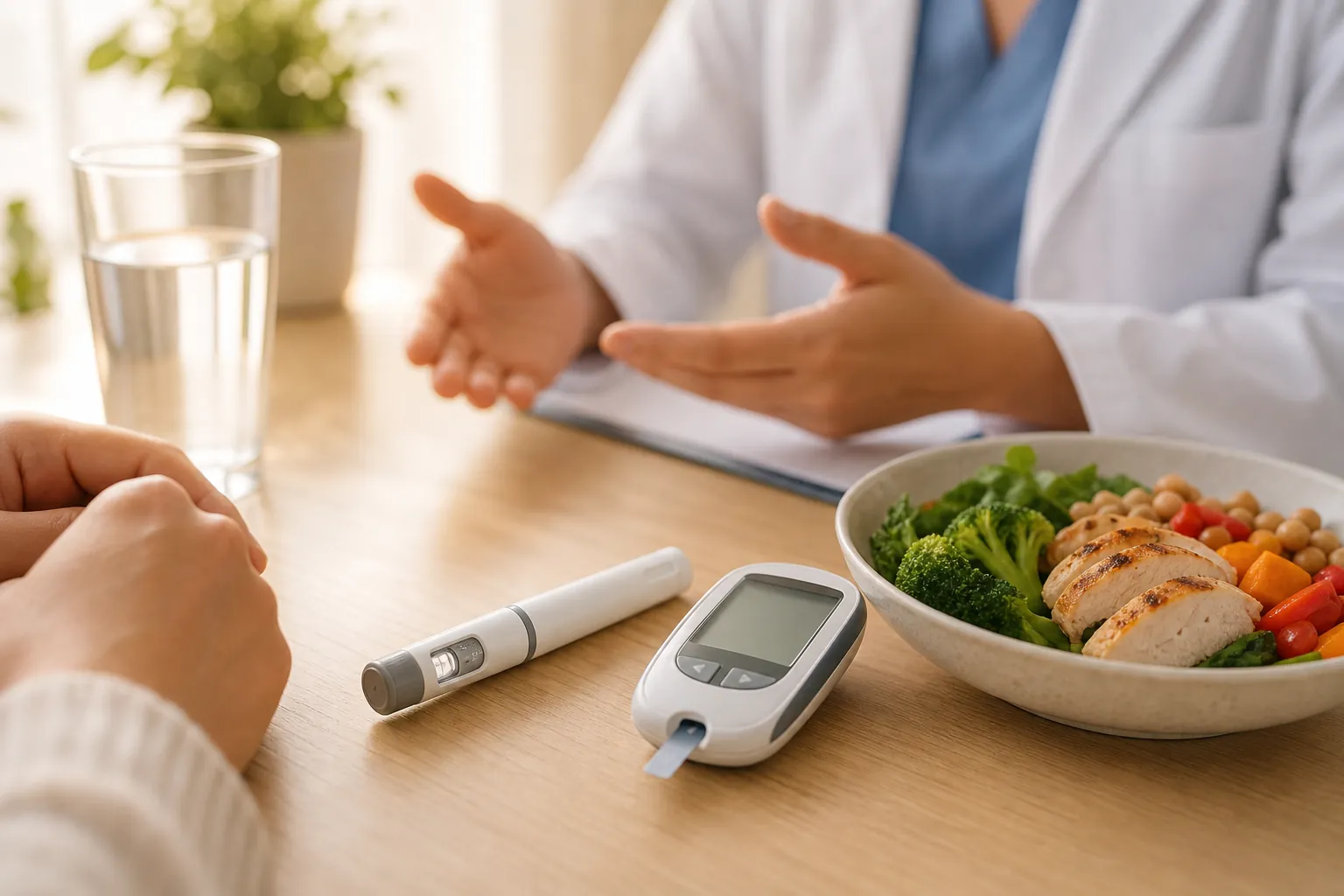
At a glance
- FDA approval age (T2D) / Victoza approved for type 2 diabetes in children aged 10 and older
- Starting dose / 0.6 mg subcutaneous injection once daily, escalated weekly as tolerated
- Maximum approved pediatric dose / 1.8 mg once daily
- Approval status under age 10 / No FDA approval; use would be off-label and requires specialist oversight
- Common GI side effects in children / Nausea, vomiting, and reduced appetite reported in pediatric trials
- Injection timing at school / Once-daily dosing can usually be scheduled before or after school hours
- Physical activity / Moderate aerobic activity is compatible with liraglutide; hypoglycemia risk is low as monotherapy
- Storage requirement / Refrigerate at 36 to 46°F (2 to 8°C) before first use; discard pen after 30 days at room temperature
- Key trial / NCT01541215 studied liraglutide in adolescents with T2D, informing pediatric dosing guidance
- Monitoring / HbA1c, growth parameters, heart rate, and GI tolerance should be reviewed every 3 months
What Is the FDA-Approved Age Range for Liraglutide in Children?
The FDA approved liraglutide (Victoza) for glycemic control in pediatric patients with type 2 diabetes who are at least 10 years old, based on data from a randomized, placebo-controlled trial. No approval covers children under 10, and the weight-management formulation (Saxenda) is approved only for adolescents aged 12 and older with an initial BMI at or above the 95th percentile. Any use in a child under 10 falls outside current labeling.
The FDA label for Victoza states the starting dose is 0.6 mg subcutaneous injection once daily for one week, then escalation to 1.2 mg daily, with a maximum of 1.8 mg daily if additional glycemic control is needed. [1]
Why the Age Cutoff Matters Clinically
Pancreatic beta-cell function, renal clearance rates, and GLP-1 receptor expression patterns differ between a 7-year-old and a 10-year-old in ways that have not been adequately studied for liraglutide. The absence of pharmacokinetic data in children under 10 means clinicians cannot confidently predict drug exposure or adverse-event frequency in that subgroup. A prescriber considering off-label use in a child under 10 must document the clinical rationale, obtain caregiver informed consent, and arrange specialist-level endocrine monitoring.
The Narrow Group This Article Addresses
The practical focus here is the 10- to 11-year-old child with type 2 diabetes who has been prescribed Victoza, because this is the only pediatric group for whom labeled evidence exists and school-day logistics become immediately relevant. Some guidance also applies to the child approaching their 12th birthday who may transition to Saxenda for weight management, but that transition is a separate clinical decision.
How Liraglutide Works and Why It Affects School-Day Behavior
Liraglutide is a GLP-1 receptor agonist that stimulates glucose-dependent insulin secretion, suppresses glucagon, slows gastric emptying, and signals satiety through hypothalamic pathways. [2] These mechanisms combine to reduce postprandial glucose spikes and decrease caloric intake, both of which affect how a child feels and performs during a school day.
Appetite Suppression and Lunch Behavior
Gastric emptying slows by roughly 30 to 50% in studies of GLP-1 receptor agonists, meaning a child may feel full for two to three hours longer than peers after a morning meal. Teachers and school counselors sometimes misinterpret this as food refusal or eating-disorder behavior. Families should provide the school nurse with written documentation explaining that reduced appetite is an expected pharmacological effect, not a behavioral or psychological problem.
Nausea During Class
In the key pediatric trial (NCT01541215, N=66 adolescents aged 10 to 17 with T2D), nausea was reported in 30.3% of liraglutide-treated subjects versus 9.1% in the placebo group. [3] Nausea peaks during the first four to six weeks of therapy and during each dose escalation step. A child experiencing nausea mid-morning may need to leave class briefly. Schools should record this as a medication-related symptom rather than an excused absence or disciplinary issue.
Practical steps to reduce school-hour nausea:
- Administer the injection in the evening (6 to 8 PM) so peak nausea occurs during sleep rather than class time.
- Keep portion sizes at breakfast small and low-fat for the first month.
- Avoid carbonated drinks and high-fat cafeteria foods during the dose-escalation phase.
Cognitive Function and Blood Sugar Stability
Liraglutide does not cause hypoglycemia as monotherapy because its insulin-releasing action is glucose-dependent. However, if a child is also prescribed metformin or (rarely) a sulfonylurea, hypoglycemia risk increases during prolonged physical education or sports practice. A glucose level below 70 mg/dL may impair concentration, reaction time, and mood, all of which affect classroom performance. [4] The school nurse should have a written hypoglycemia action plan on file regardless of whether liraglutide is used alone.
Injection Logistics at School
Who Administers the Injection?
Children under 12 rarely have the fine motor skills or psychological readiness to self-inject reliably. The American Diabetes Association standards of care note that adult supervision of insulin and injectable medication administration is appropriate until the child demonstrates consistent technique, typically between ages 12 and 14 depending on individual maturity. [5] At school, this means a trained school nurse or designated staff member must either administer the injection or directly observe it.
The once-daily dosing schedule of liraglutide offers a significant advantage: the injection can almost always be timed outside school hours. A 7 AM injection before the school bus or a 7 PM injection after dinner removes the need for school administration in most cases. Families should discuss this scheduling option explicitly with the prescribing clinician before the school year begins.
Storage at School
If an injection must occur during school hours, the pen must be stored correctly. An in-use liraglutide FlexPen can be kept at room temperature (59 to 77°F / 15 to 25°C) for up to 30 days. [1] School nurses should not store the pen in a shared refrigerator with food, and the pen should never be frozen. The school health room is usually an appropriate storage location provided it is not subject to temperature extremes.
Documentation Required by the School
A written Individualized Health Plan (IHP) or 504 Plan accommodation should specify:
- The drug name, dose, and injection schedule.
- Who is authorized to administer or supervise the injection.
- Symptoms requiring nurse evaluation (nausea, vomiting, abdominal pain, and signs of hypoglycemia if the child is on combination therapy).
- Emergency contacts for the prescribing endocrinologist or pediatrician.
Schools are legally required under Section 504 of the Rehabilitation Act to provide reasonable accommodations for students managing chronic conditions requiring medication. [6]
Physical Activity Guidance for Children on Liraglutide
General Compatibility With Exercise
Liraglutide does not impair aerobic capacity, muscle function, or coordination. A child on liraglutide can and should participate in physical education, recess, and organized sports. The American Heart Association recommends at least 60 minutes of moderate-to-vigorous physical activity daily for school-age children. [7] This target remains appropriate for children on liraglutide and may enhance the drug's glycemic and metabolic effects.
Hypoglycemia Risk During Sports
As noted above, liraglutide monotherapy carries a low intrinsic hypoglycemia risk. The pediatric trial NCT01541215 reported no severe hypoglycemia events in the liraglutide arm during the 26-week treatment period. [3] When combined with other glucose-lowering agents, the risk increases. The coach, physical education teacher, and school nurse should know the child's medication regimen and have access to a fast-acting glucose source (glucose tablets or 4 oz of juice) if hypoglycemia symptoms appear during prolonged exercise.
Gastrointestinal Symptoms and Physical Activity
High-intensity exercise during periods of active nausea is both uncomfortable and potentially unsafe. During the first four to six weeks of therapy or after a dose increase, parents should consider reducing the intensity of scheduled sports practice rather than skipping activity entirely. Light activity such as walking or casual playground time rarely exacerbates GI symptoms and may actually speed gastric transit.
HealthRX Physical Activity Framework for Children on Liraglutide (Ages 10 to 11)
| Phase | Weeks | Recommended Activity Level | Precautions |
|---|---|---|---|
| Initiation | 1 to 2 | Light: walking, stretching, unstructured play | Monitor for nausea after lunch; reduce portion size pre-activity |
| Early escalation | 3 to 6 | Moderate: PE class, casual sports, bike riding | Ensure nurse has hypoglycemia plan if on combo therapy |
| Stabilization | 7 to 12 | Full participation in all age-appropriate sports | Standard glucose monitoring per diabetes care plan |
| Maintenance | 13+ | Unrestricted per AHA guidelines (60 min/day) | Routine quarterly review of HbA1c and growth parameters |
Heat, Hydration, and Summer Programs
GLP-1 receptor agonists slow gastric emptying, which can reduce fluid absorption rate during intense exercise in hot weather. Children in summer school programs, outdoor camps, or traveling sports teams should carry water and take scheduled hydration breaks every 20 minutes during outdoor activity in temperatures above 80°F. There are no published pediatric trials specifically examining heat tolerance with liraglutide, but the general dehydration risk is consistent with GI-motility physiology. [2]
Monitoring Parameters That Intersect With School Performance
Growth and Nutritional Status
Reduced caloric intake on liraglutide could theoretically affect linear growth in a rapidly developing child aged 10 to 11. There are no long-term growth data specifically for liraglutide in children under 12, which is one reason prescribers must monitor height, weight, and BMI z-score at every visit. The Endocrine Society's pediatric obesity guidelines recommend quarterly assessments of growth velocity for any child on a pharmacological weight or metabolic management agent. [8]
If a teacher or school counselor notices unexplained fatigue, pallor, or a child frequently visiting the nurse, those observations should be communicated to the family and prescriber. A simple note in the school communication log can flag early signs of inadequate nutrition before they affect academic performance.
Thyroid and Pancreatic Symptoms
Liraglutide carries a black-box warning for thyroid C-cell tumors based on rodent data, and a warning for pancreatitis. [1] In practice, medullary thyroid carcinoma in a child under 12 on 8 to 26 weeks of liraglutide is exceedingly rare, but persistent hoarseness, dysphagia, or a neck mass requires prompt evaluation. Severe, persistent abdominal pain radiating to the back should trigger discontinuation and emergency evaluation for pancreatitis, not a trip to the school nurse for antacids.
Heart Rate
GLP-1 receptor agonists increase resting heart rate by an average of 2 to 3 beats per minute in adult trials. [9] Pediatric-specific data are limited. A child with a known cardiac condition on liraglutide should have a baseline resting heart rate documented at school and a threshold above which the nurse should notify parents (typically 20 BPM above the child's personal baseline during rest).
Communicating With the School Team
What to Tell the Teacher
A brief, plain-language note from the prescribing clinician to the classroom teacher should state:
- The child takes a once-daily injection for diabetes management.
- Reduced appetite and occasional nausea are expected side effects, especially in the first few weeks.
- The child may need to leave class briefly for nausea but does not require emergency intervention unless vomiting is severe or accompanied by abdominal pain.
- Low blood sugar is possible but unlikely on this medication alone. The nurse has a response plan.
What the School Nurse Needs
The school nurse needs more detailed clinical information. The American Diabetes Association's 2024 Standards of Medical Care in Diabetes state that "diabetes management at school requires cooperation among the student, parents/caregivers, school personnel, and the health care provider to ensure safety and optimal learning." [5] A complete nurse packet should include the Individualized Health Plan, the current medication list with doses, the prescriber's contact information, and written protocols for nausea management and hypoglycemia response.
Talking to the Child
A 10- to 11-year-old can understand that their medication helps their blood sugar stay steady, that their stomach may feel full faster than classmates, and that they should tell a trusted adult if they feel shaky, sweaty, or very nauseous. Age-appropriate education from the prescribing team reduces anxiety, improves adherence, and gives the child language to self-advocate in a classroom setting. Pediatric diabetes education programs offered through ADA-recognized centers can provide this in a structured format. [5]
Off-Label Use Considerations for Children Under 10
For a child under 10 being considered for liraglutide on a strictly off-label basis, the evidentiary foundation is thin. No randomized controlled trial has evaluated liraglutide pharmacokinetics or efficacy in children aged 6 to 9. The 2023 American Academy of Pediatrics clinical practice guideline on obesity does identify GLP-1 receptor agonists as a treatment category for children aged 12 and older but does not recommend their use before age 10. [10] A pediatric endocrinologist, not a primary care provider alone, should lead any decision to prescribe liraglutide outside the approved age range.
If such a decision is made after multidisciplinary review, all school-related logistics described above still apply, with the addition of more frequent monitoring (every 6 to 8 weeks rather than quarterly) and a written parental consent document that explicitly acknowledges the off-label nature of the prescription.
Practical Checklist Before the School Year Starts
- Confirm injection timing can be scheduled outside school hours (before 7 AM or after 3 PM) with the prescribing clinician.
- Submit a completed 504 Plan or IHP to the school district at least two weeks before the first day of class.
- Provide the school nurse with a spare needle/pen cap, alcohol swabs, and a written storage protocol if any school-hour injections are anticipated.
- Register the child with the school nurse and share the emergency contact for the prescribing endocrinologist.
- Brief the physical education teacher on nausea risk during dose escalation and on the low but non-zero hypoglycemia risk if combination therapy is in use.
- Schedule the first quarterly monitoring visit to occur within 8 to 10 weeks of the school year starting so growth, HbA1c, and tolerability can be assessed while the academic routine is still new.
- Review the plan after any dose change, illness, or significant change in the child's activity schedule.
The FDA label for Victoza specifies that dose escalation decisions should be driven by tolerability and glycemic response, not by a fixed calendar. [1] That means a child who develops persistent nausea at 1.2 mg should stay at 0.6 mg until symptoms resolve, even if the school year has already begun and the plan calls for escalation.
Frequently asked questions
Is liraglutide FDA-approved for children under 12?
Can a school nurse administer liraglutide to a child?
What side effects should teachers watch for in a child on liraglutide?
Can a child on liraglutide participate in physical education and sports?
Does liraglutide cause low blood sugar in children?
How should liraglutide pens be stored at school?
What documentation does the school need for a child on liraglutide?
Will liraglutide affect a child's appetite at school lunch?
Is it safe to use liraglutide off-label in children under 10?
How does liraglutide dosing work in children aged 10 to 11?
Should a child's physical education teacher be informed about liraglutide?
Can liraglutide affect a child's academic performance?
References
- U.S. Food and Drug Administration. Victoza (liraglutide) prescribing information. https://www.accessdata.fda.gov/drugsatfda_docs/label/2017/022341s027lbl.pdf
- Nauck MA, Quast DR, Wefers J, Meier JJ. GLP-1 receptor agonists in the treatment of type 2 diabetes: state-of-the-art. Mol Metab. 2021;46:101102. https://pubmed.ncbi.nlm.nih.gov/33485980/
- Tamborlane WV, Barrientos-Perez M, Fainberg U, et al. Liraglutide in children and adolescents with type 2 diabetes. N Engl J Med. 2019;381(7):637 to 646. https://www.nejm.org/doi/10.1056/NEJMoa1903822
- Seaquist ER, Anderson J, Childs B, et al. Hypoglycemia and diabetes: a report of a workgroup of the American Diabetes Association and The Endocrine Society. Diabetes Care. 2013;36(5):1384 to 1395. https://pubmed.ncbi.nlm.nih.gov/23589542/
- American Diabetes Association. Standards of Medical Care in Diabetes 2024. Diabetes Care. 2024;47(Suppl 1):S1, S321. https://diabetesjournals.org/care/issue/47/Supplement_1
- U.S. Department of Education, Office for Civil Rights. Students with Disabilities in Extracurricular Athletics. Section 504 guidance. https://www.ed.gov/about/offices/list/ocr/docs/504-resource-guide-201612.pdf
- Lloyd-Jones DM, Allen NB, Anderson CAM, et al. Life's Essential 8: Updating and Enhancing the American Heart Association's Construct of Cardiovascular Health. Circulation. 2022;146(5):e18, e43. https://www.ahajournals.org/doi/10.1161/CIR.0000000000001078
- Styne DM, Arslanian SA, Connor EL, et al. Pediatric obesity, assessment, treatment, and prevention: an Endocrine Society clinical practice guideline. J Clin Endocrinol Metab. 2017;102(3):709 to 757. https://academic.oup.com/jcem/article/102/3/709/2965084
- Marso SP, Daniels GH, Brown-Frandsen K, et al. Liraglutide and cardiovascular outcomes in type 2 diabetes (LEADER). N Engl J Med. 2016;375(4):311 to 322. https://www.nejm.org/doi/10.1056/NEJMoa1603827
- Hampl SE, Hassink SG, Skinner AC, et al. Clinical Practice Guideline for the Evaluation and Treatment of Children and Adolescents with Obesity. Pediatrics. 2023;151(2):e2022060640. https://pubmed.ncbi.nlm.nih.gov/36622134/