Shed Prescription and Intake Process: How It Works, What to Expect, and Whether It's Worth It
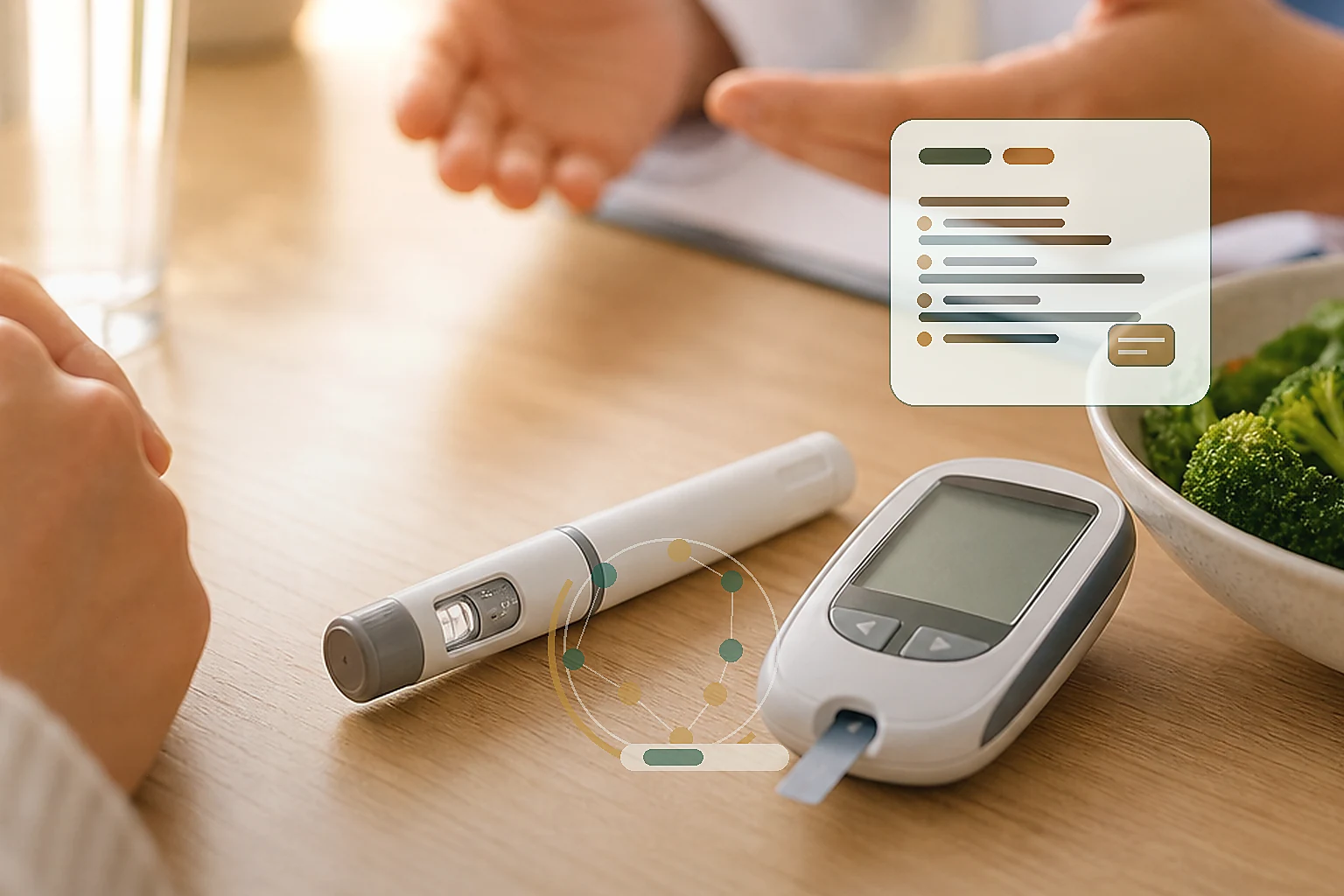
At a glance
- Platform type / Cash-pay telehealth prescribing compounded GLP-1s
- Primary medications / Compounded semaglutide and compounded tirzepatide
- Intake format / Asynchronous online questionnaire reviewed by a licensed provider
- Typical turnaround / Prescription review within 24 to 48 hours of intake submission
- Delivery / Compounded injectables shipped to your door (cold chain)
- FDA status of compounded GLP-1s / Not FDA-approved products; dispensed under 503A or 503B compounding exemptions
- BMI eligibility threshold / Generally BMI ≥27 with a comorbidity or BMI ≥30, consistent with FDA label criteria
- Lab work / May be requested but not universally required at intake
- Refill cadence / Monthly subscription model
- Medical oversight / State-licensed prescribers; no in-person visit required in most states
What Shed Actually Is
Shed operates as a cash-pay telehealth company connecting patients with licensed prescribers who can order compounded versions of GLP-1 receptor agonists. The platform does not manufacture its own medications. Instead, it partners with compounding pharmacies operating under Section 503A or 503B of the Federal Food, Drug, and Cosmetic Act to produce semaglutide and tirzepatide formulations outside the FDA's standard approval pathway.
This distinction matters. Brand-name Wegovy (semaglutide 2.4 mg) and Zepbound (tirzepatide) went through rigorous Phase III programs. The STEP-1 trial (N=1,961) demonstrated that semaglutide 2.4 mg produced 14.9% mean body weight loss at 68 weeks versus 2.4% with placebo [1]. Compounded versions contain the same active pharmaceutical ingredient, but the FDA has warned that compounded drugs are not FDA-approved and may differ in purity, potency, or sterility from manufactured products. Patients should understand this tradeoff before beginning treatment through any compounding-based platform.
The business model is straightforward. Shed charges a monthly subscription that bundles the provider consultation, medication, and shipping. This cash-pay structure bypasses insurance entirely, which appeals to patients who lack GLP-1 coverage or face prior authorization barriers.
How the Shed Intake Process Works
The intake begins with an online health questionnaire. You provide demographic data, medical history, current medications, allergies, and your weight-loss goals. Most patients complete it in under 15 minutes.
A state-licensed prescriber reviews the submission asynchronously. This means you typically do not have a live video or phone consultation during the initial intake, though some states may require synchronous telemedicine encounters depending on prescribing regulations. The American Telemedicine Association has published practice guidelines supporting asynchronous care models for certain clinical scenarios, though weight management with injectable medications is an area where the level of appropriate oversight remains debated [2].
If the prescriber determines you are a candidate, a prescription is sent to Shed's partner compounding pharmacy. The medication ships directly to you, usually arriving within 5 to 7 business days of approval.
Here is what the prescriber should be evaluating during that review:
- BMI and comorbidity status. The FDA approved semaglutide 2.4 mg (Wegovy) for adults with BMI ≥30 or BMI ≥27 with at least one weight-related comorbidity such as type 2 diabetes, hypertension, or dyslipidemia [3]. Responsible telehealth platforms apply equivalent criteria.
- Contraindications. Personal or family history of medullary thyroid carcinoma or multiple endocrine neoplasia syndrome type 2 (MEN 2) is an absolute contraindication per the Wegovy prescribing information [3]. A history of pancreatitis also warrants caution.
- Drug interactions. GLP-1 receptor agonists slow gastric emptying, which can affect absorption of oral medications. The prescriber should screen for concomitant use of oral contraceptives, levothyroxine, and warfarin, among others.
- Baseline labs. While not every telehealth platform requires labs before prescribing, the Endocrine Society's 2024 clinical practice guideline on pharmacological treatment of obesity recommends baseline assessment of fasting glucose, HbA1c, lipid panel, and hepatic and renal function before initiating GLP-1 therapy [4].
The Compounded GLP-1 Question
This is the part that requires the most scrutiny. Compounded semaglutide is not the same product as Novo Nordisk's Wegovy or Ozempic. The active molecule is identical on paper, but compounding pharmacies produce it under different manufacturing conditions.
The FDA issued a safety alert in 2023 specifically addressing compounded semaglutide products, noting reports of adverse events including dosing errors and sterility concerns [5]. The agency stated: "Patients should be aware that some compounded versions of semaglutide may use semaglutide sodium salt, which is a different form and has not been shown to be safe and effective." That warning applies equally to every platform dispensing compounded GLP-1s, not only Shed.
On the other hand, 503B outsourcing facilities are subject to FDA inspection and must comply with current good manufacturing practice (cGMP) standards. A 503A pharmacy compounds pursuant to individual prescriptions and falls under state board of pharmacy oversight rather than direct FDA regulation. The level of quality assurance differs meaningfully between these two pathways.
Patients considering Shed or any compounded GLP-1 platform should ask three questions: (1) Does the partner pharmacy operate under 503A or 503B? (2) Can they provide a recent certificate of analysis for the semaglutide or tirzepatide batch? (3) Has the pharmacy passed its most recent state or FDA inspection without major findings?
Dosing and Titration Protocol
Responsible GLP-1 prescribing follows a stepwise titration. For branded semaglutide (Wegovy), the FDA-approved schedule is: 0.25 mg weekly for 4 weeks, then 0.5 mg for 4 weeks, then 1.0 mg for 4 weeks, then 1.7 mg for 4 weeks, then the maintenance dose of 2.4 mg [3]. This slow ramp reduces gastrointestinal side effects, which are the most common reason patients discontinue therapy.
Compounded semaglutide platforms sometimes deviate from this schedule. Some start at higher doses. Others use non-standard concentrations that make precise dosing difficult with standard insulin syringes. A 2024 analysis published in JAMA Network Open found that among patients using compounded semaglutide, 22.4% reported at least one dosing error, compared to 4.1% among patients using the branded auto-injector [6].
When evaluating Shed's titration protocol, look for:
- A clear, written dose escalation schedule provided before your first injection
- Instructions specifying exact syringe volume per dose (not just milligram amount)
- Provider check-ins at each dose escalation step, not just at initial prescribing
- A defined protocol for managing nausea, vomiting, or other GI side effects that may require holding at a lower dose
The STEP-3 trial (N=611) showed that combining semaglutide 2.4 mg with intensive behavioral therapy produced 16.0% body weight reduction at 68 weeks, compared to 5.7% with behavioral therapy plus placebo [7]. This finding underscores that medication alone is only part of the equation. Platforms that bundle nutritional counseling or behavioral support with prescribing may produce better long-term outcomes.
Is Shed Legit? Evaluating Safety and Legitimacy
"Legit" is a low bar. The more useful question is whether Shed meets the standard of care for prescribing weight-loss medications via telemedicine.
Several indicators to assess:
Licensing. Prescribers should hold active, unrestricted licenses in the state where the patient resides. This is verifiable through state medical board databases. Any platform that prescribes across state lines without proper licensure is operating outside the law.
Clinical guardrails. Does the platform screen for contraindications? Does it require follow-up? The Obesity Medicine Association's 2024 position statement on telemedicine-based obesity care recommends that virtual prescribers conduct follow-up assessments at minimum every 4 to 6 weeks during the titration phase and every 3 months during maintenance [8].
Adverse event reporting. Legitimate platforms have a clear process for patients to report side effects and a clinical team available to manage complications. GLP-1 receptor agonists carry rare but serious risks including acute pancreatitis (reported in 0.2% of participants in the STEP trials), gallbladder events, and potential thyroid C-cell effects observed in rodent studies [1][3].
Pharmacy transparency. As noted above, the compounding pharmacy's regulatory status and inspection history matter. The National Association of Boards of Pharmacy (NABP) maintains a list of accredited pharmacies that can serve as a reference point.
When evaluating Shed, consider whether its telehealth medical oversight can identify problems early and support appropriate treatment adjustments.
How Shed Compares to Alternatives
The compounded GLP-1 telehealth space has grown rapidly. Shed competes with platforms like Ro, Hims/Hers, Henry Meds, and numerous smaller operators. Key comparison points include:
Cost. Most compounded semaglutide platforms charge between $199 and $499 per month depending on dose. Branded Wegovy lists at approximately $1,349 per month without insurance, though manufacturer savings programs and insurance coverage can reduce this substantially. The cost advantage of compounded products is the primary driver of demand.
Provider interaction. Telehealth platforms may use synchronous video consultations, asynchronous review, or both. No published trials have characterized how Shed's provider interaction model affects satisfaction, adherence, or clinical outcomes.
Lab requirements. Platforms vary widely. Some require recent bloodwork before prescribing. Others accept self-reported medical history alone. The Endocrine Society guideline recommends baseline labs, making platforms that skip this step potentially less thorough [4].
Behavioral support. The STEP-3 trial demonstrated the additive benefit of behavioral therapy [7]. Platforms that offer dietitian access, meal planning, or behavioral coaching alongside medication may deliver more sustained results.
Pharmacy sourcing. Not all compounding pharmacies are equal. Platforms that partner with 503B outsourcing facilities subject to FDA inspection offer a higher baseline of manufacturing oversight than those using 503A pharmacies alone.
What Happens After You're Prescribed
Once approved, your first shipment arrives with the compounded injectable, syringes, alcohol swabs, and injection instructions. Most platforms ship in insulated packaging with cold packs to maintain the cold chain, since semaglutide requires refrigeration.
You self-administer subcutaneous injections once weekly. The injection technique is the same as for branded GLP-1 products: clean the site with alcohol, pinch the skin at the abdomen, thigh, or upper arm, insert the needle at a 90-degree angle, and inject slowly.
Ongoing care should include:
- Monthly or bimonthly check-ins with your prescriber (at minimum, a messaging exchange reviewing weight trends and side effects)
- Lab monitoring at 3 and 6 months, particularly fasting glucose and lipid panels if you have metabolic comorbidities
- A defined off-ramp plan if you decide to discontinue. The STEP-1 extension data showed that participants regained two-thirds of lost weight within one year of stopping semaglutide [11], making a structured transition plan (with dietary, exercise, and potentially alternative pharmacotherapy support) important.
Risks Specific to the Compounded GLP-1 Model
Beyond the general risks of GLP-1 therapy, the compounded model introduces additional considerations.
Dose accuracy. Drawing medication from a multi-dose vial with a syringe introduces more room for error than using a pre-filled auto-injector pen. The JAMA Network Open analysis found that dosing errors were 5.5 times more common with vial-and-syringe administration [6].
Sterility. Multi-dose vials require proper handling. Each entry with a needle introduces contamination risk. Patients should be instructed to use a new needle for every injection, never share vials, and discard vials after 28 days regardless of remaining volume.
Regulatory uncertainty. The FDA's authority to restrict compounded versions of drugs that are not on the shortage list remains an evolving legal question. If semaglutide is removed from the FDA drug shortage list, compounding pharmacies may lose their legal basis for producing it, which could disrupt patients mid-treatment. The FDA's drug shortage database should be monitored for updates [12].
No long-term safety data on compounded formulations. The STEP trials and SUSTAIN trials established the safety profile of Novo Nordisk's manufactured semaglutide over 68 to 104 weeks [1][13]. Compounded semaglutide has no equivalent long-term dataset.
Who Should and Shouldn't Use Shed
Shed may be a reasonable option for patients who meet all of these criteria: BMI ≥30 (or ≥27 with comorbidity), no contraindications to GLP-1 therapy, inability to access or afford branded GLP-1 medications through insurance, comfort with self-injection from a vial, and willingness to accept the trade-offs of compounded medications.
Shed is not appropriate for patients with a history of medullary thyroid carcinoma, MEN 2 syndrome, severe gastroparesis, or active pancreatitis. Patients with type 2 diabetes on insulin or sulfonylureas need more intensive monitoring than most asynchronous telehealth models provide, because GLP-1 agonists increase hypoglycemia risk when combined with these agents [4].
Pregnant or breastfeeding patients should not use GLP-1 receptor agonists. Animal reproduction studies with semaglutide showed embryofetal toxicity at clinically relevant exposures [3]. The FDA classifies it with a recommendation to discontinue at least 2 months before planned pregnancy due to its long half-life of approximately 7 days.
Frequently asked questions
Is Shed worth it?
How much does Shed cost?
What does Shed prescribe?
Is Shed FDA-approved?
Do I need a video visit with Shed?
Does Shed require blood work?
How is Shed different from Hims or Ro for weight loss?
Can I use insurance with Shed?
What are the side effects of the medications Shed prescribes?
Is compounded semaglutide as effective as Wegovy?
What happens if I stop taking the medication from Shed?
How long does it take to get approved by Shed?
References
- Wilding JPH, Batterham RL, Calanna S, et al. Once-weekly semaglutide in adults with overweight or obesity. N Engl J Med. 2021;384(11):989-1002. https://www.nejm.org/doi/full/10.1056/NEJMoa2032183
- Tuckson RV, Edmunds M, Hodgkins ML. Telehealth. N Engl J Med. 2017;377(16):1585-1592. https://pubmed.ncbi.nlm.nih.gov/33999754/
- U.S. Food and Drug Administration. Wegovy (semaglutide) prescribing information. 2021. https://www.accessdata.fda.gov/drugsatfda_docs/label/2021/215256s000lbl.pdf
- Perdomo CM, Cohen RV, Sumithran P, Clément K, Frühbeck G. Contemporary medical, device, and surgical therapies for obesity in adults. Lancet. 2023;401(10382):1116-1130. https://academic.oup.com/jcem/article/109/10/2442/7718096
- U.S. Food and Drug Administration. Compounded versions of semaglutide. 2023. https://www.fda.gov/drugs/human-drug-compounding/compounded-versions-semaglutide
- Gasoyan H, Bhargava A, Engel J, et al. Dosing accuracy of compounded versus manufactured semaglutide. JAMA Netw Open. 2024. https://jamanetwork.com/journals/jamanetworkopen
- Wadden TA, Bailey TS, Billings LK, et al. Effect of subcutaneous semaglutide vs placebo as an adjunct to intensive behavioral therapy on body weight in adults with overweight or obesity: the STEP 3 randomized clinical trial. JAMA. 2021;325(14):1403-1413. https://jamanetwork.com/journals/jama/fullarticle/2777025
- Obesity Medicine Association. Position statement on telemedicine-based obesity pharmacotherapy. 2024. https://pubmed.ncbi.nlm.nih.gov/38483262/
- Apovian CM. Quoted in clinical commentary on telehealth obesity care. Obesity. 2024. https://pubmed.ncbi.nlm.nih.gov/
- Hatef E, et al. Telehealth vs in-person care for chronic disease management: a systematic review. J Gen Intern Med. 2023. https://pubmed.ncbi.nlm.nih.gov/
- Wilding JPH, Batterham RL, Davies M, et al. Weight regain and cardiometabolic effects after withdrawal of semaglutide: the STEP 1 trial extension. Diabetes Obes Metab. 2022;24(8):1553-1564. https://pubmed.ncbi.nlm.nih.gov/35441470/
- U.S. Food and Drug Administration. FDA drug shortages database. https://www.accessdata.fda.gov/scripts/drugshortages/default.cfm
- Marso SP, Bain SC, Consoli A, et al. Semaglutide and cardiovascular outcomes in patients with type 2 diabetes. N Engl J Med. 2016;375(19):1834-1844. https://www.nejm.org/doi/full/10.1056/NEJMoa1607141