Boy George Compared to Other Public GLP-1 Figures
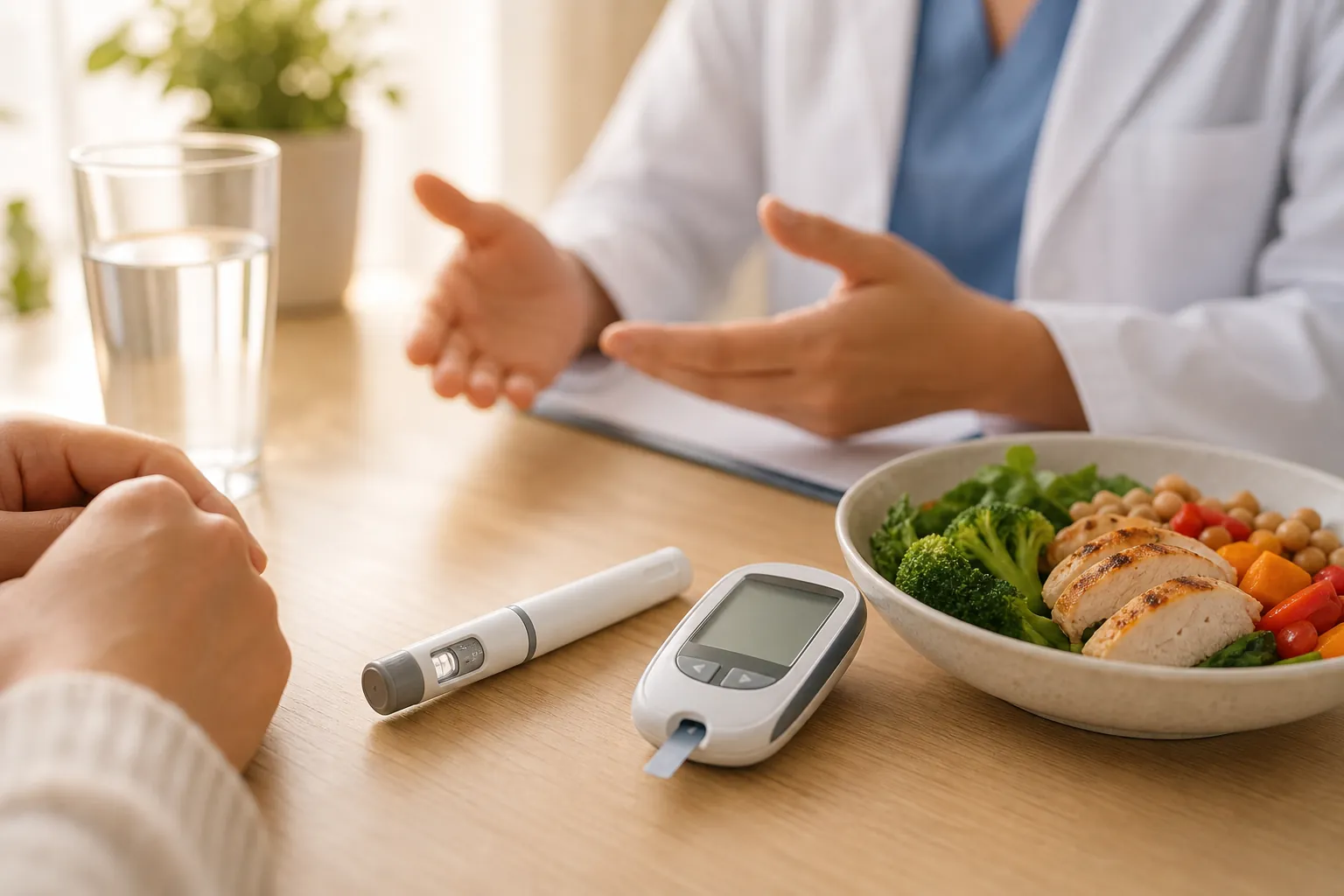
Boy George's Public Mounjaro Disclosure
Boy George confirmed his use of Mounjaro in public statements, openly naming the dual-agonist medication tirzepatide as part of his weight-management approach. This level of specificity (naming the exact brand) distinguishes his disclosure from celebrities who acknowledge "a weight-loss injection" without identifying the drug.
Mounjaro (tirzepatide) is a dual GIP/GLP-1 receptor agonist approved by the FDA for type 2 diabetes management, with its obesity-indication sibling Zepbound receiving FDA approval in November 2023. The SURMOUNT-1 trial demonstrated mean weight reductions of 15% to 22.5% at the highest doses over 72 weeks in participants with obesity, making tirzepatide the most effective GLP-1 class agent studied to date in randomized controlled trials.
Boy George's disclosure did not include specific dosing details or a formal timeline, which is typical of celebrity medication disclosures. He spoke about the drug in the context of personal health improvement rather than as a promotional endorsement.
The Celebrity GLP-1 Disclosure Spectrum
At a glance
- Confirmed, drug named: Boy George (Mounjaro), Oprah Winfrey (Wegovy), Charles Barkley (Mounjaro), Amy Schumer (Ozempic, later discontinued), Tracy Morgan (Ozempic)
- Confirmed, drug unspecified: Sharon Osbourne ("Ozempic-type" injection), Robbie Williams (acknowledged GLP-1 class use)
- Publicly speculated, not confirmed: Multiple A-list figures in entertainment where physical changes prompted media speculation without any on-record confirmation
- Denied despite speculation: Several public figures have explicitly denied GLP-1 use when asked
The distinction between confirmed and speculated matters clinically. When a celebrity names their medication, it generates specific prescription inquiries. Endocrinologists and obesity-medicine specialists reported surges in patient requests for Ozempic specifically after celebrity disclosures in 2023, sometimes from patients who would have been better served by a different agent or approach entirely.
Boy George naming Mounjaro rather than the more commonly discussed Ozempic is notable. Tirzepatide's dual mechanism (acting on both GIP and GLP-1 receptors simultaneously) produces greater mean weight loss than semaglutide in head-to-head data, though individual responses vary considerably.
Timeline and Disclosure Pattern Comparison
Celebrity GLP-1 disclosures have followed a recognizable arc since 2022. The pattern typically involves visible physical change, media speculation, silence or denial, and then (in some cases) eventual confirmation.
Boy George's disclosure fits a less common but increasingly frequent pattern: proactive confirmation without an extended period of speculation or media pressure. This contrasts with cases like Oprah Winfrey, whose physical transformation was discussed publicly for months before she confirmed Wegovy use in late 2023, or Sharon Osbourne, who disclosed only after significant weight loss prompted persistent questioning.
The HealthRX.com Medical Team observes three distinct disclosure archetypes among celebrity GLP-1 users:
- Reactive confirmation (most common): The celebrity confirms only after sustained public questioning. This delay often allows misinformation to circulate unchecked.
- Proactive disclosure: The celebrity names the drug voluntarily, sometimes framing it as destigmatization. Boy George and Charles Barkley fit this pattern.
- Partial acknowledgment: The celebrity confirms injectable weight-loss medication without naming the specific agent, leaving ambiguity about whether they use semaglutide, tirzepatide, or another compound.
Each pattern produces different downstream effects on public health literacy. Proactive, specific disclosures (naming the drug and the reason) generate more accurate patient-provider conversations than vague acknowledgments.
Clinical Context: Why Drug Choice Matters
The public often treats "Ozempic," "Wegovy," "Mounjaro," and "Zepbound" as interchangeable terms for "the weight-loss shot." They are not. The clinical differences are significant:
Semaglutide (Ozempic for T2D, Wegovy for obesity) is a selective GLP-1 receptor agonist. The STEP 1 trial demonstrated approximately 14.9% mean body weight reduction at 68 weeks versus placebo.
Tirzepatide (Mounjaro for T2D, Zepbound for obesity) activates both GIP and GLP-1 receptors. The SURMOUNT-1 trial showed 20.9% weight reduction at the 15mg dose over 72 weeks. The dual mechanism may also provide differential effects on appetite signaling and gastric emptying.
When Boy George specifies Mounjaro, it implicitly communicates something different from a celebrity naming Ozempic. The prescribing considerations differ: tirzepatide's titration schedule, injection frequency (weekly for both), and side-effect profile share similarities with semaglutide but are not identical.
Common adverse effects across the GLP-1 class include nausea, vomiting, diarrhea, and constipation, typically dose-dependent and most pronounced during titration. The FDA prescribing information for both agents carries warnings regarding pancreatitis risk, thyroid C-cell tumors (observed in rodent studies), and gallbladder events.
What Celebrity Disclosures Teach Clinicians
The HealthRX.com Medical Team notes that celebrity GLP-1 disclosures have measurably shifted patient behavior in obesity-medicine clinics. A 2024 survey of obesity-medicine physicians found that patient self-referrals mentioning specific brand names increased substantially after high-profile disclosures.
This creates both opportunity and challenge. Patients arriving with accurate drug names and realistic expectations (weight loss of 15-20% over 12-18 months with continued use) have better treatment-alliance foundations than those expecting overnight transformation. Boy George's matter-of-fact tone in discussing Mounjaro, without dramatic before-and-after framing, aligns with what the American Gastroenterological Association recommends in patient counseling: setting realistic timelines and emphasizing that GLP-1 medications work best as part of comprehensive lifestyle modification.
The risk emerges when disclosure lacks clinical nuance. No celebrity disclosure has included discussion of contraindications (personal or family history of medullary thyroid carcinoma, MEN2 syndrome), necessary monitoring (renal function, gallbladder symptoms), or the well-documented weight regain upon discontinuation seen in the STEP 1 extension trial.
The Destigmatization Effect
Boy George's openness about pharmacological weight management contributes to a broader cultural shift. Obesity carries significant stigma, and the framing of GLP-1 medications as "cheating" persists in public discourse despite obesity's recognition as a chronic disease by major medical organizations.
Celebrities who confirm GLP-1 use without apology or shame challenge this framing. The clinical reality supports their position: obesity involves dysregulated hunger signaling, altered metabolic set points, and genetic predisposition that behavioral intervention alone cannot always overcome. GLP-1 receptor agonists address pathophysiology, not willpower.
The HealthRX.com Medical Team perspective: Boy George's confirmed Mounjaro use, stated plainly and without excessive justification, represents the most clinically constructive form of celebrity health disclosure. It names the agent, normalizes pharmacotherapy for weight management, and avoids the sensationalism that undermines public understanding of these medications as serious, prescription-only treatments requiring medical supervision.
Frequently asked questions
Did Boy George confirm which dose of Mounjaro he uses?
No. His public disclosure confirmed the medication name but did not specify his prescribed dose. Mounjaro is available in doses from 2.5mg to 15mg, titrated upward over months based on tolerability and response.
How does Mounjaro differ from Ozempic?
Mounjaro (tirzepatide) activates both GIP and GLP-1 receptors, while Ozempic (semaglutide) targets only GLP-1 receptors. Clinical trials show tirzepatide produces greater mean weight loss (approximately 20-22% vs 15% at highest doses), though individual results vary. Both are weekly injections with similar gastrointestinal side-effect profiles.
Which celebrities have confirmed GLP-1 medication use?
Confirmed users include Boy George (Mounjaro), Oprah Winfrey (Wegovy), Charles Barkley (Mounjaro), Amy Schumer (Ozempic, discontinued), and Tracy Morgan (Ozempic). Many other celebrities are speculated but have not publicly confirmed use.
Is Mounjaro FDA-approved for weight loss?
Mounjaro is FDA-approved for type 2 diabetes. Its identical active ingredient (tirzepatide) is marketed as Zepbound for chronic weight management in adults with obesity or overweight with at least one weight-related comorbidity. Physicians may prescribe either based on clinical indication.
References
- SURMOUNT-1 Trial (Jastreboff et al., 2022): https://pubmed.ncbi.nlm.nih.gov/35658024/
- STEP 1 Trial (Wilding et al., 2021): https://pubmed.ncbi.nlm.nih.gov/33567185/
- Tirzepatide vs Semaglutide comparison data: https://pubmed.ncbi.nlm.nih.gov/38389052/
- Tirzepatide mechanism and pharmacology: https://pubmed.ncbi.nlm.nih.gov/36633525/
- FDA Zepbound approval announcement: https://www.fda.gov/news-events/press-announcements/fda-approves-new-medication-chronic-weight-management
- Weight regain after GLP-1 discontinuation (STEP 1 extension): https://pubmed.ncbi.nlm.nih.gov/35441470/
- AGA clinical practice guideline on pharmacological interventions for obesity: https://pubmed.ncbi.nlm.nih.gov/36990589/
- Obesity as chronic disease (Bray et al.): https://pubmed.ncbi.nlm.nih.gov/28898378/