
Tracy Morgan, Maintenance, and What Happens If You Stop
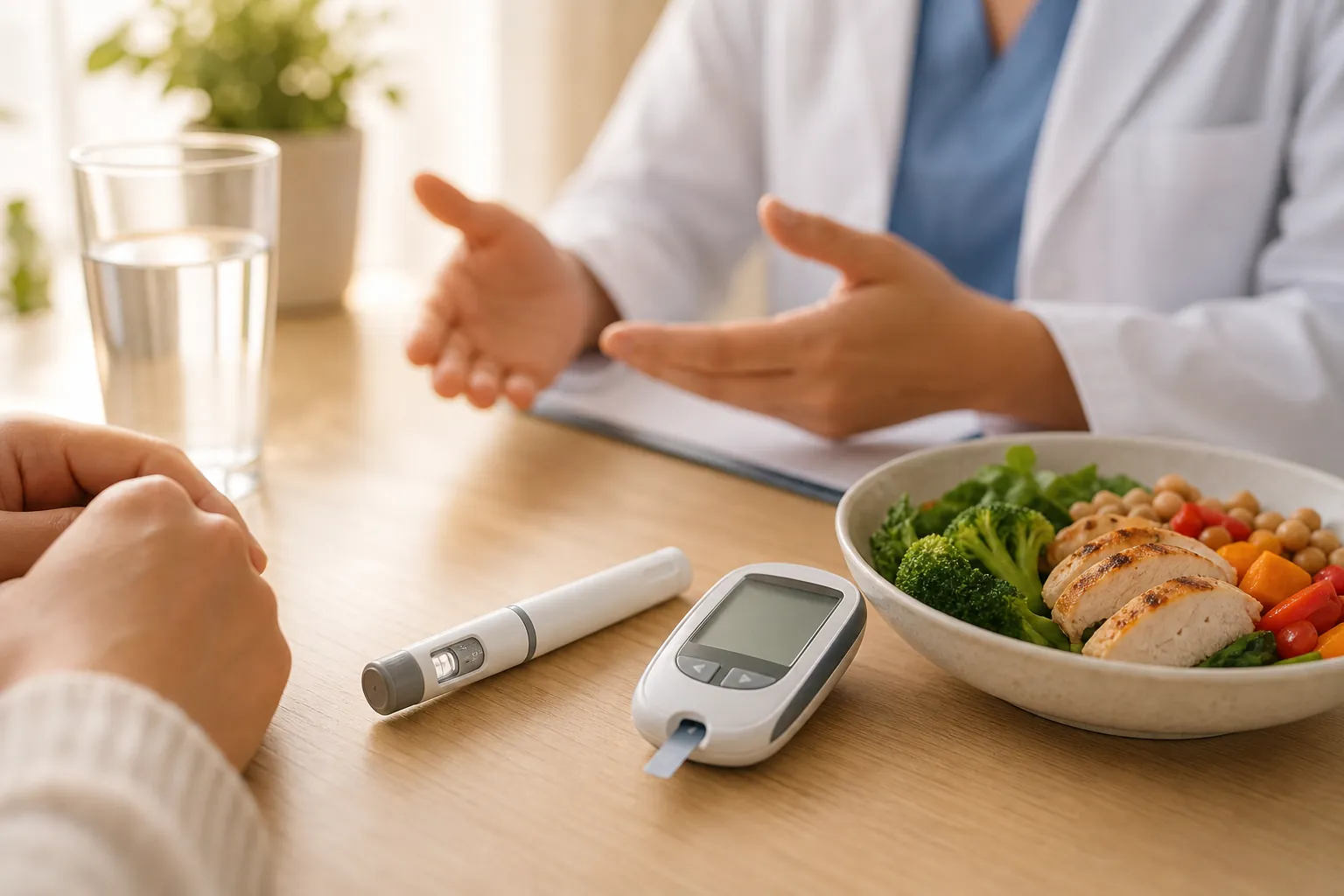
Tracy Morgan's Confirmed Ozempic Use
In 2024, Tracy Morgan publicly discussed his use of Ozempic for managing type 2 diabetes. He described the drug in the context of his diabetes care, not purely as a weight-loss tool. The weight loss that followed was, by his own account, a welcome secondary effect of treatment he was already taking for blood sugar control.
This distinction matters clinically. Semaglutide (the active compound in Ozempic) was FDA-approved for type 2 diabetes in 2017 before its higher-dose formulation, Wegovy, received approval for chronic weight management in 2021. Morgan's story puts the drug back in its original clinical context: a glucose-lowering agent that also reduces body weight.
At a glance
- Celebrity: Tracy Morgan
- Drug: Ozempic (semaglutide 0.5 mg or 1 mg weekly injection)
- Confirmed or speculated: Confirmed via public statements in 2024
- Primary indication: Type 2 diabetes management
- Secondary benefit discussed: Weight loss
- Drug class: GLP-1 receptor agonist
How Semaglutide Works (and Why Stopping Matters)
Semaglutide mimics the incretin hormone GLP-1. It binds to GLP-1 receptors in the pancreas, gut, and brain. The downstream effects include increased insulin secretion when blood sugar is elevated, suppressed glucagon release, slowed gastric emptying, and reduced appetite signaling in the hypothalamus. These effects are dose-dependent and persist only while the drug is active in the body.
The half-life of semaglutide is approximately seven days. After a patient takes their last injection, drug levels taper over roughly five weeks. Once the drug clears, the biological mechanisms it was supporting revert to their pre-treatment state. Appetite increases. Gastric emptying speeds up. Insulin secretion patterns return to baseline.
This is not a failure of the drug. It is the expected pharmacology. Semaglutide does not cure type 2 diabetes or reset the hypothalamic appetite set point. It manages both conditions for as long as it is present.
The STEP 1 Extension Data: What Happens After Stopping
The most cited evidence on GLP-1 discontinuation comes from the STEP 1 trial extension, published in Diabetes, Obesity and Metabolism in 2022. Participants who had lost an average of 17.3% of body weight on semaglutide 2.4 mg (the Wegovy dose, higher than the standard Ozempic dose) were followed for one year after stopping treatment.
The results were striking. Participants regained roughly two-thirds of the weight they had lost. Cardiometabolic improvements in blood pressure, lipid levels, and waist circumference also partially reversed. HbA1c levels climbed back toward pre-treatment values.
A 2023 analysis in JAMA reinforced these findings across multiple GLP-1 receptor agonists, showing that weight regain after discontinuation is the norm rather than the exception. The pattern holds regardless of whether the patient was taking the drug for diabetes, obesity, or both.
For Diabetes Patients Specifically: The Stakes of Stopping
Morgan's case highlights a population where the discontinuation question is more than cosmetic. For a patient with type 2 diabetes, stopping a GLP-1 receptor agonist means losing glycemic control, not just regaining weight.
A 2020 study in The Lancet Diabetes & Endocrinology followed patients who discontinued semaglutide after 40 weeks. HbA1c levels, which had dropped by roughly 1.5 percentage points during treatment, returned to near-baseline within 12 weeks of the last dose. Fasting plasma glucose rose in parallel.
For someone managing diabetes with semaglutide, "stopping" is not a neutral decision. It requires a replacement glycemic strategy. That might involve switching to another glucose-lowering agent (metformin, SGLT2 inhibitors, insulin), intensifying lifestyle modifications, or accepting a period of worse glycemic control while adjusting.
The HealthRX.com Medical Team notes: the clinical framing for a diabetes patient considering discontinuation is fundamentally different from that of a patient using semaglutide purely for weight. Tracy Morgan's public story illustrates this. The drug is doing double duty, and stopping it means losing both functions simultaneously.
What "Long-Term Use" Looks Like Clinically
If a patient stays on semaglutide, what does the long-term evidence say?
The SUSTAIN 6 trial, a two-year cardiovascular outcomes study published in the New England Journal of Medicine, found sustained HbA1c reductions and weight loss over 104 weeks with continued semaglutide use. The drug also demonstrated a 26% reduction in major adverse cardiovascular events (heart attack, stroke, cardiovascular death), which led to its cardiovascular benefit labeling.
The SELECT trial, published in NEJM in 2023, extended this cardiovascular evidence to patients with obesity who did not have diabetes. Over a median of 33 months, semaglutide 2.4 mg reduced the composite cardiovascular endpoint by 20%.
These findings suggest that for patients with type 2 diabetes and cardiovascular risk factors, continued GLP-1 therapy provides benefits beyond glucose and weight. Stopping the drug means forfeiting those protections as well.
Side effects on long-term use are generally stable. Gastrointestinal symptoms (nausea, vomiting, diarrhea, constipation) are most common during dose escalation and tend to diminish over time. Rare but serious adverse events include pancreatitis, gallbladder disease, and a theoretical risk of medullary thyroid carcinoma based on rodent studies (the human relevance of the thyroid signal remains debated).
The Maintenance Playbook: What the HealthRX.com Medical Team Recommends Reading
For patients weighing whether to continue, taper, or stop a GLP-1 receptor agonist, the clinical literature points to several considerations:
-
Weight regain is physiological, not behavioral. The body's appetite regulation system adjusts to a new set point during treatment. Removing the drug restores the prior set point. Patients should not interpret regain as personal failure. This is a well-documented biological response (Wilding et al., 2022).
-
Glycemic control reverts on a faster timeline than weight. For diabetes patients, HbA1c begins climbing within weeks of the last dose, while weight regain unfolds over months.
-
There is no FDA-approved tapering protocol. Some clinicians reduce the dose before stopping to ease the transition, but this practice is based on clinical judgment rather than trial data. The American Diabetes Association Standards of Care do not specify a formal taper schedule for GLP-1 agonists.
-
Cardiovascular benefits appear to require ongoing treatment. The SELECT and SUSTAIN 6 data showed event reduction during active treatment. Whether those benefits persist after stopping has not been studied.
-
Cost and access drive real-world discontinuation. Many patients stop GLP-1 therapy not by choice but because of insurance coverage gaps, formulary changes, or out-of-pocket costs. This is the most common reason for real-world discontinuation, and it creates a population of involuntary stoppers whose outcomes match the trial data on regain.
Tracy Morgan's Story in Clinical Context
Morgan's public account positions him in the most straightforward GLP-1 use case: a patient with diagnosed type 2 diabetes using an FDA-approved medication for its primary indication. The weight loss he experienced is consistent with what the SUSTAIN trial program reported: patients on Ozempic-dose semaglutide (0.5 mg to 1 mg weekly) lost an average of 4.5 to 6.4 kg over 30 to 56 weeks.
Whether Morgan has continued, adjusted, or stopped his Ozempic regimen has not been publicly disclosed beyond his 2024 statements. The HealthRX.com Medical Team does not speculate on his current treatment status.
What we can say is this: for any patient in a similar clinical position (type 2 diabetes, responding well to semaglutide, experiencing concurrent weight loss), the evidence strongly favors continuation if the drug is tolerated and accessible. The benefits compound over time. The risks of stopping are well-characterized. And the decision to discontinue should involve a physician, a backup glycemic plan, and realistic expectations about what comes next.
Frequently asked questions
What happens to blood sugar if you stop Ozempic?
HbA1c levels typically return to pre-treatment values within 8 to 12 weeks of the last dose. Fasting glucose rises in parallel. Patients with type 2 diabetes should have an alternative glycemic management plan in place before discontinuing.
How much weight do people regain after stopping semaglutide?
The STEP 1 extension study found that participants regained approximately two-thirds of lost weight within one year of stopping semaglutide 2.4 mg. Lower doses (such as those used in Ozempic for diabetes) produce less initial weight loss, so the absolute regain may be smaller, but the proportional pattern is similar.
Is it safe to take Ozempic long-term?
The SUSTAIN 6 trial followed patients on semaglutide for two years and found sustained efficacy with a stable side-effect profile. Gastrointestinal symptoms are most common during dose escalation. Rare risks include pancreatitis and gallbladder disease. Long-term safety data beyond five years remains limited.
Did Tracy Morgan confirm he uses Ozempic?
Yes. Tracy Morgan made public statements in 2024 confirming his use of Ozempic for type 2 diabetes management. He described weight loss as a secondary benefit of the treatment.
Can you taper off Ozempic instead of stopping suddenly?
There is no FDA-approved tapering protocol. Some physicians reduce the dose before discontinuation, but this is clinical judgment rather than evidence-based practice. The drug's seven-day half-life means it self-tapers over roughly five weeks after the final injection.
References
- FDA Ozempic Approval (2017)
- Wilding JPH et al. "Weight regain and cardiometabolic effects after withdrawal of semaglutide." Diabetes Obes Metab. 2022.
- Marso SP et al. "Semaglutide and Cardiovascular Outcomes in Patients with Type 2 Diabetes." NEJM. 2016.
- Lincoff AM et al. "Semaglutide and Cardiovascular Outcomes in Obesity without Diabetes." NEJM. 2023.
- FDA Semaglutide Safety Information
- JAMA: GLP-1 Weight Regain After Discontinuation (2023)
- The Lancet Diabetes & Endocrinology: Semaglutide Discontinuation and Glycemic Rebound
- JAMA Health Forum: Cost-Driven GLP-1 Discontinuation
- American Diabetes Association Standards of Care