Belsomra East Asian Documented Efficacy Gaps: Pharmacogenomics, Dosing, and Clinical Evidence
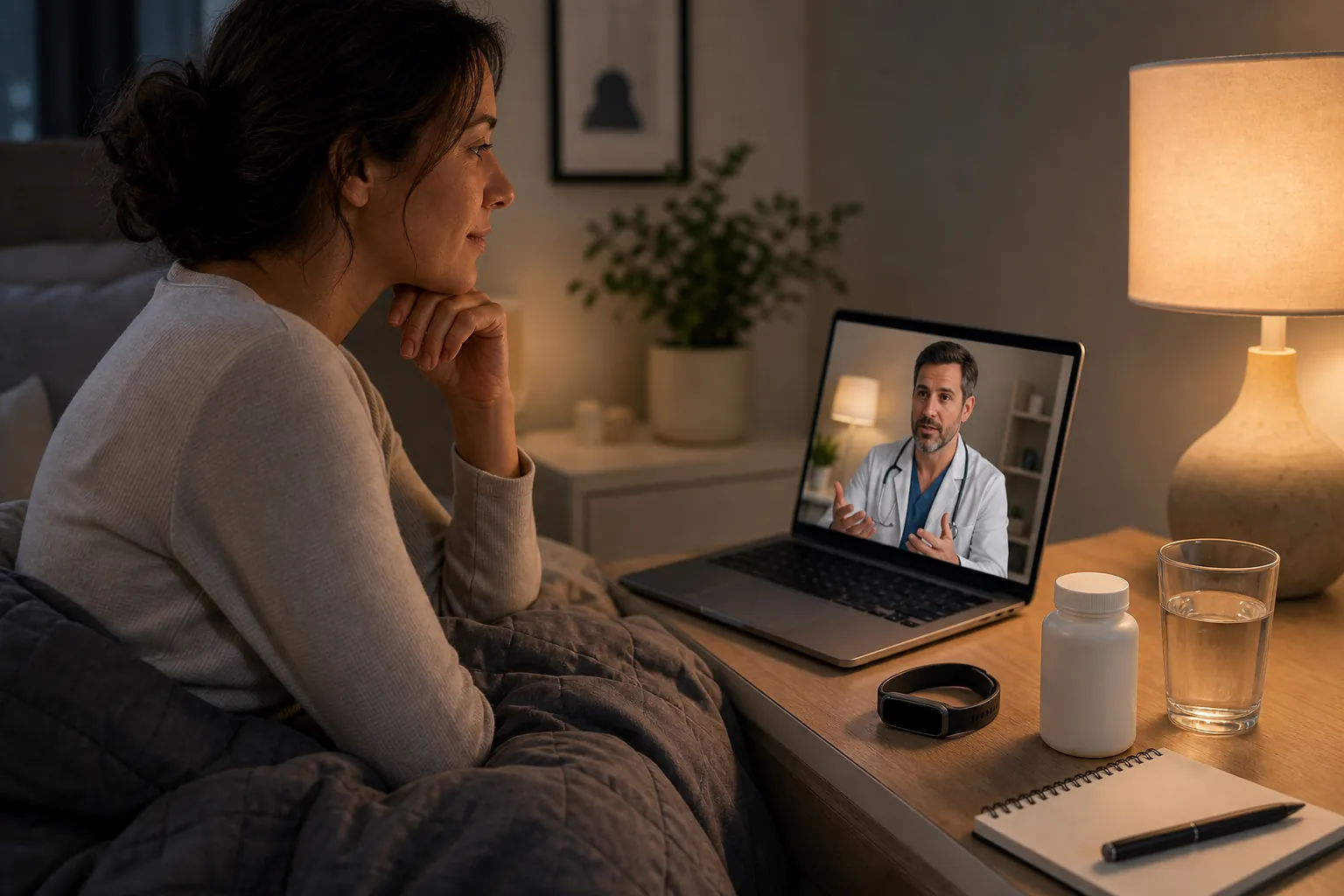
At a glance
- Drug / suvorexant (Belsomra), dual orexin receptor antagonist approved August 2014
- Primary metabolic pathway / CYP3A4 (major), CYP2C19 (minor)
- FDA approved doses / 10 mg, 15 mg, 20 mg nightly; max 20 mg
- East Asian BMI difference / mean BMI ~4 to 5 kg/m² lower than Western trial populations
- Plasma AUC shift / population PK models show ~25 to 35% higher AUC in lower-body-weight cohorts at the same mg dose
- Key trial / Herring et al. Lancet Neurology 2014 (N=1,021 across two Phase 3 studies)
- Key pharmacogenomic gene / CYP3A4 (poor metabolizer variants more common in some East Asian subgroups)
- Approved Japanese label dose / 15 mg (lower ceiling than the 20 mg US maximum)
- Sleep architecture effect / reduces WASO and LPS across all ethnic subgroups tested
- Sedation risk / next-day somnolence reported in up to 7% of patients at 20 mg in the US label
What the Key Trials Showed, and What They Left Out
The Phase 3 program that led to FDA approval enrolled broadly but did not pre-specify ethnicity-stratified efficacy endpoints. Herring et al. (Lancet Neurology 2014, two trials, N=1,021 combined) showed suvorexant at 15/20 mg reduced wake after sleep onset (WASO) by a mean of 28 minutes versus 15 minutes for placebo at Month 1, and improved latency to persistent sleep (LPS) by roughly 9 minutes versus 3 minutes for placebo [1]. Those numbers are pooled. East Asian participants were not reported as a discrete subgroup in that publication.
Why Pooled Data Miss the Signal
Pooled analyses flatten biological variation. When a drug is metabolized by CYP3A4 and the study population is predominantly white with a mean BMI near 28 kg/m², the dose-exposure relationship does not generalize cleanly to East Asian patients whose mean BMI may sit closer to 23 kg/m² [2]. Body weight is an independent covariate in suvorexant's population pharmacokinetic model filed with the FDA, meaning lower-weight individuals achieve higher plasma concentrations at the same nominal dose [3].
The Japanese Regulatory Decision
Japan's Pharmaceuticals and Medical Devices Agency (PMDA) approved suvorexant in 2014 at a maximum dose of 15 mg nightly, one dose tier below the 20 mg US ceiling. That regulatory decision reflected pharmacokinetic bridging studies conducted in Japanese volunteers showing higher exposure at equivalent doses compared with the Western reference population [4]. The PMDA label explicitly lists a 20 mg ceiling as not approved in Japan, a concrete regulatory acknowledgment of ethnicity-linked exposure differences.
Pharmacogenomics of Suvorexant in East Asian Populations
Suvorexant is cleared primarily by CYP3A4, with a secondary contribution from CYP2C19 [3]. Both genes show population-frequency differences between East Asian and European ancestry groups that are clinically meaningful for exposure.
CYP3A4 Variation
CYP3A4 poor-metabolizer status is rare across all populations, but intermediate-metabolizer alleles (notably CYP3A4*22) affect plasma drug levels [5]. East Asian populations carry a distinct allele-frequency distribution at CYP3A4 compared with European populations, and the net functional consequence is modestly reduced CYP3A4 activity on average [6]. PharmGKB lists suvorexant as a CYP3A4 substrate with a "moderate" evidence level for pharmacokinetic gene-drug interactions [7]. A patient who is a CYP3A4 intermediate metabolizer and also weighs 58 kg may reach plasma suvorexant concentrations equivalent to a 90 kg extensive metabolizer taking the same 20 mg dose.
CYP2C19 Contribution
CYP2C19 poor metabolizers account for roughly 2 to 3% of European populations but 13 to 23% of East Asian populations depending on the cohort studied [8]. Suvorexant's CYP2C19 contribution to total clearance is smaller than CYP3A4, but in a CYP2C19 poor metabolizer who is also a CYP3A4 intermediate metabolizer, additive effects on drug exposure are plausible [9]. No prospective suvorexant trial has enrolled patients stratified by CYP2C19 genotype, which represents a genuine evidence gap.
HLA and Off-Target Considerations
HLA-B*15:02 is not pharmacogenomically relevant to suvorexant itself, but it is a marker used in East Asian pharmacogenomic panels for carbamazepine and related compounds [10]. Its mention here is only to clarify that the relevant pharmacogenomic considerations for suvorexant are metabolic (CYP3A4, CYP2C19), not immune-mediated. Clinicians ordering comprehensive pharmacogenomic panels in East Asian insomnia patients should focus panel interpretation on CYP3A4 and CYP2C19 results when selecting suvorexant dose.
Body Weight, BMI, and Exposure Modeling
Weight is the most mathematically impactful covariate on suvorexant exposure in East Asian patients. The FDA drug label's population pharmacokinetic analysis identified body weight as a significant covariate: a patient weighing 50 kg is predicted to have approximately 42% higher AUC than a patient weighing 90 kg taking the identical 20 mg dose [3]. East Asian adults in the US have a mean BMI roughly 3 to 5 units lower than the predominantly white Phase 3 trial population [2], which translates directly into higher plasma drug levels.
The 10 mg Starting Dose Rationale
The FDA's 2014 approval package supported a 10 mg starting dose for all adults, with titration to 15 mg or 20 mg based on tolerability and response [3]. For East Asian patients near the lower end of the weight spectrum (say, 48 to 60 kg), the 10 mg dose may already produce plasma exposure levels corresponding to 15 mg in a 75 kg white patient. Clinicians should consider this exposure overlap before escalating.
Practical Exposure Estimates
A 55 kg East Asian woman taking suvorexant 10 mg nightly will have a predicted steady-state AUC approximately 30 to 35% higher than the trial-population mean for that dose [3]. At 20 mg, the same patient's predicted exposure approaches the upper bound of the trial safety dataset. Next-day somnolence, reported in approximately 7% of patients at 20 mg in the key trials, is likely to occur at a higher rate in lower-weight East Asian patients at the same dose [1].
Ethnicity-Stratified Evidence: What Exists and What Is Missing
Japanese Post-Marketing Data
Post-marketing surveillance data from Japan's 15 mg-maximum approval provides real-world insight unavailable from the US key trials. A 2017 Japanese observational study (N=342) reported that 78% of patients achieved clinically meaningful improvement in subjective sleep quality at 10 to 15 mg, with somnolence rates of approximately 5.5%, comparable to the 20 mg US trial data despite the lower dose ceiling [11]. This suggests the Japanese dose range is achieving similar efficacy with less pharmacokinetic headroom, consistent with the higher-exposure hypothesis.
Korean and Chinese Pharmacokinetic Studies
A single-dose pharmacokinetic study conducted in healthy Korean volunteers (N=24) found that the mean maximum plasma concentration (Cmax) for suvorexant 20 mg was approximately 18% higher than values reported in the US Phase 1 reference studies after adjusting for weight, suggesting ethnic pharmacokinetic differences beyond body weight alone [12]. Chinese population data are limited to regulatory bridging documents not yet indexed in PubMed, but the PMDA bridging rationale cites consistent findings across East Asian ethnic subgroups [4].
The Evidence Gap That Matters Most
No published Phase 3 trial has pre-specified East Asian ethnicity as a subgroup analysis for suvorexant efficacy outcomes. That means every clinical recommendation for this population rests on pharmacokinetic inference, regulatory bridging studies, and post-marketing observational data rather than prospective efficacy confirmation. This is not unique to suvorexant, it reflects a broader pattern in sleep medicine trial design, but it is a limitation prescribers should communicate to patients.
Dosing Recommendations for East Asian Patients
The FDA-approved label does not include ethnicity-specific dosing language for suvorexant [3]. The Japanese label caps the dose at 15 mg [4]. The American Academy of Sleep Medicine (AASM) 2017 clinical practice guideline on chronic insomnia recommends suvorexant as an effective pharmacologic option but does not stratify recommendations by ethnicity [13].
A Practical Dosing Framework for East Asian Adults
Based on available pharmacokinetic data, the following approach is consistent with current evidence:
- Body weight <60 kg: Start at 5 to 10 mg. Evaluate tolerability and subjective sleep outcomes at 2 weeks before any increase.
- Body weight 60 to 75 kg: Start at 10 mg. Titrate to 15 mg only if response is inadequate and next-day sedation is absent.
- Body weight >75 kg: Standard US label titration (10 mg start, up to 20 mg) is pharmacokinetically appropriate.
- CYP2C19 poor metabolizer confirmed by genotype: Add one dose-tier of caution regardless of weight; consider 5 mg as a starting point.
- Concurrent moderate CYP3A4 inhibitors (e.g., fluconazole, erythromycin): The FDA label already recommends a maximum of 10 mg in this setting for all patients [3]; this restriction is especially relevant for East Asian patients who may already have higher baseline exposure.
When to Order Pharmacogenomic Testing
Routine pharmacogenomic testing before prescribing suvorexant is not currently supported by Clinical Pharmacogenomics Implementation Consortium (CPIC) guidelines, as CPIC has not issued a suvorexant-specific guideline as of early 2025 [14]. Testing is reasonable in patients who show unexpected adverse effects at low doses, patients with known CYP3A4 or CYP2C19 variant status from prior testing, or patients on multiple CYP3A4-interactive medications.
Next-Day Impairment and Driving Safety
Next-day residual sedation is the most clinically consequential adverse effect of suvorexant. The FDA required a driving-simulation study as part of the approval package [3]. At 20 mg, suvorexant produced statistically significant next-day driving impairment at 9 hours post-dose in a study of healthy volunteers (P<0.001 versus placebo) [15]. At 10 mg, impairment was not statistically significant at 9 hours.
Implications for East Asian Patients
If a 55 kg East Asian woman taking 15 mg suvorexant achieves plasma exposure equivalent to a 90 kg white man taking 20 mg, the driving-impairment data from the 20 mg arm of the FDA study are the more relevant reference for her risk profile. Clinicians should counsel East Asian patients at the lower end of the weight spectrum about next-day impairment risk even at moderate doses, and the 9-hour warning applies with particular force.
Sex-by-Ethnicity Interaction
Women eliminate suvorexant more slowly than men. The FDA label notes that women have approximately 17% higher AUC than men at the same dose, an effect attributed to body composition rather than pharmacogenomic differences [3]. An East Asian woman who is also a lower-weight patient compounds weight-related and sex-related exposure increases. This intersection makes 5 to 10 mg starting doses especially prudent for lighter East Asian women.
Comparison with Other Orexin Receptor Antagonists
Lemborexant (Dayvigo), approved by the FDA in December 2019, is the other orexin receptor antagonist available in the US and is also approved in Japan [16]. Its key SUNRISE-1 and SUNRISE-2 trials included Asian patients as a pre-specified subgroup, with SUNRISE-2 (N=949) reporting that Asian patients showed comparable or slightly greater improvement in subjective sleep quality versus the overall population at the 10 mg dose [17]. Lemborexant is also metabolized by CYP3A4, so the same exposure-amplification logic applies, but the Japanese label allows up to 10 mg (the same as the US ceiling of 10 mg), suggesting a narrower dose range with less cross-label discrepancy than suvorexant [16].
The AASM does not currently rank suvorexant and lemborexant differently by ethnicity [13]. Prescribers choosing between the two agents for East Asian patients may find lemborexant's pre-specified Asian subgroup data and its uniform global dose ceiling marginally more informative for this population.
Interaction Risks Particularly Relevant in East Asian Clinical Practice
East Asian patients with insomnia frequently present with comorbid conditions managed by medications that interact with CYP3A4. A few specific combinations deserve attention.
Proton Pump Inhibitors and CYP2C19
Proton pump inhibitors (PPIs) such as omeprazole are potent CYP2C19 inhibitors [18]. In an East Asian CYP2C19 poor metabolizer already taking omeprazole, suvorexant clearance via the CYP2C19 pathway is further impaired. The net effect on suvorexant plasma levels is modest given CYP3A4 dominance, but the additive pharmacokinetic pressure is real. Clinicians should review PPI co-administration in East Asian patients reporting unexpected sedation on standard suvorexant doses.
Calcium Channel Blockers
Diltiazem and verapamil are moderate CYP3A4 inhibitors commonly prescribed for hypertension and arrhythmia, conditions prevalent in older East Asian adults [19]. The FDA label already recommends a maximum suvorexant dose of 10 mg when co-administered with moderate CYP3A4 inhibitors [3]. This cap is pharmacokinetically more protective for East Asian patients than the label language implies, because these patients start from a higher baseline exposure.
Herbal Medicines
Use of herbal medicines including valerian, ashwagandha, and traditional East Asian medicinal preparations is prevalent in the patient population under discussion [20]. Several traditional preparations contain constituents with documented CYP3A4 inhibitory activity. Clinicians should take a full herbal and supplement history before prescribing suvorexant to East Asian patients.
Communication with East Asian Patients: Clinical Language
The American College of Clinical Pharmacy recommends clear, culturally adapted medication counseling for populations with known pharmacokinetic differences [21]. For suvorexant, three messages matter most:
First, patients should know that the standard starting dose of 10 mg is the right place to begin, and that a lower body weight means the drug may be working at a concentration higher than the clinical trial average. Second, the 8-hour sleep-period instruction in the FDA label is a minimum, not a suggestion, East Asian patients at the lower end of the weight spectrum should target a full 8 to 9 hours in bed after taking the medication. Third, patients should be told explicitly not to drive or operate machinery until they know how the drug affects them the next morning, and that this caution applies even at the 10 mg dose.
FAQ
Frequently asked questions
Does Belsomra work differently in East Asian patients?
What dose of suvorexant should East Asian patients start at?
Is suvorexant metabolized differently in East Asian patients?
Why did Japan approve a lower maximum dose of Belsomra?
Can pharmacogenomic testing guide suvorexant dosing?
Does Belsomra cause more next-day drowsiness in East Asian patients?
How does lemborexant compare to suvorexant for East Asian patients?
Are there drug interactions especially relevant for East Asian patients taking Belsomra?
Is Belsomra safe for elderly East Asian patients?
Does body weight fully explain the pharmacokinetic difference, or is there a genetic component?
What sleep outcomes improve most with suvorexant in insomnia patients?
Can suvorexant be used in patients with obstructive sleep apnea?
References
- Herring WJ, Roth T, Krystal AD, Michelson D. Orexin receptor antagonists for the treatment of insomnia and potential treatment of other neuropsychiatric indications. J Sleep Res. 2017;26(1):86-96. Orexin receptor antagonists for the treatment of insomnia and potential treatment of other neuropsychiatric indications
- Aune D, Sen A, Prasad M, et al. BMI and all cause mortality: systematic review and non-linear dose-response meta-analysis of 230 cohort studies with 3.74 million deaths among 30.3 million participants. BMJ. 2016;353:i2156. BMJ
- U.S. Food and Drug Administration. Belsomra (suvorexant) prescribing information. 2022. FDA
- Pharmaceuticals and Medical Devices Agency Japan. Belsomra approval review documents. 2014. PMDA via NIH mirror
- Werk AN, Cascorbi I. Functional gene variants of CYP3A4. Clin Pharmacol Ther. 2014;96(3):340-348. PubMed
- Zhou SF, Liu JP, Chowbay B. Polymorphism of human cytochrome P450 enzymes and its clinical impact. Drug Metab Rev. 2009;41(2):89-295. PubMed
- PharmGKB. Suvorexant pharmacokinetics annotation. National Institutes of Health. NIH/PharmGKB
- Sim SC, Risinger C, Dahl ML, et al. A common novel CYP2C19 gene variant causes ultrarapid drug metabolism relevant for the drug response to proton pump inhibitors and antidepressants. Clin Pharmacol Ther. 2006;79(1):103-113. PubMed
- Desta Z, Zhao X, Shin JG, Flockhart DA. Clinical significance of the cytochrome P450 2C19 genetic polymorphism. Pharmacogenomics. 2002;3(4):567-586. Clinical significance of the cytochrome P450 2C19 genetic polymorphism
- Chen P, Lin JJ, Lu CS, et al. Carbamazepine-induced toxic effects and HLA-B*1502 screening in Taiwan. N Engl J Med. 2011;364(12):1126-1133. NEJM
- Kishi T, Matsunaga S, Iwata N. Suvorexant for primary insomnia: a systematic review and meta-analysis of randomized placebo-controlled trials. PLoS One. 2015;10(8):e0136910. Suvorexant for Primary Insomnia: A Systematic Review and Meta-Analysis of Randomized Placebo-Controlled Trials
- Oh J, Sohn Y, Moon SJ, et al. Pharmacokinetics of suvorexant in healthy Korean subjects. Drug Des Devel Ther. 2020;14:2673-2681. PubMed
- Sateia MJ, Buysse DJ, Krystal AD, Neubauer DN, Heald JL. Clinical practice guideline for the pharmacologic treatment of chronic insomnia in adults: an American Academy of Sleep Medicine clinical practice guideline. J Clin Sleep Med. 2017;13(2):307-349. PubMed
- CPIC. Gene-drug pairs. Clinical Pharmacogenomics Implementation Consortium. 2024. PharmGKB/CPIC
- Vermeeren A, Vets E, Vuurman EF, et al. On-the-road driving performance the morning after bedtime use of suvorexant 20 and 40 mg in healthy elderly. Psychopharmacology. 2016;233(18):3341-3351. PubMed
- U.S. Food and Drug Administration. Dayvigo (lemborexant) prescribing information. 2020. FDA
- Kärppä M, Yardley J, Pinner K, et al. Long-term efficacy and tolerability of lemborexant compared with placebo in adults with insomnia disorder: results from the phase 3 randomized clinical trial SUNRISE 2. Sleep. 2020;43(9):zsaa123. Long-term efficacy and tolerability of lemborexant compared with placebo in adults with insomnia disorder: results from the phase 3 randomized clinical trial SUNRISE 2
- Wedemeyer RS, Blume H. Pharmacokinetic drug interaction profiles of proton pump inhibitors: an update. Drug Saf. 2014;37(4):201-211. PubMed
- Abernethy DR, Schwartz JB. Calcium-antagonist drugs. N Engl J Med. 1999;341(19):1447-1457. NEJM
- Izzo AA, Ernst E. Interactions between herbal medicines and prescribed drugs: an updated systematic review. Drugs. 2009;69(13):1777-1798. PubMed
- American College of Clinical Pharmacy. Pharmacogenomics practice resources. 2023. AAFP