HealthRx.com

MOTS-c and NSAIDs (Ibuprofen, Naproxen) Interaction: What Clinicians and Patients Need to Know

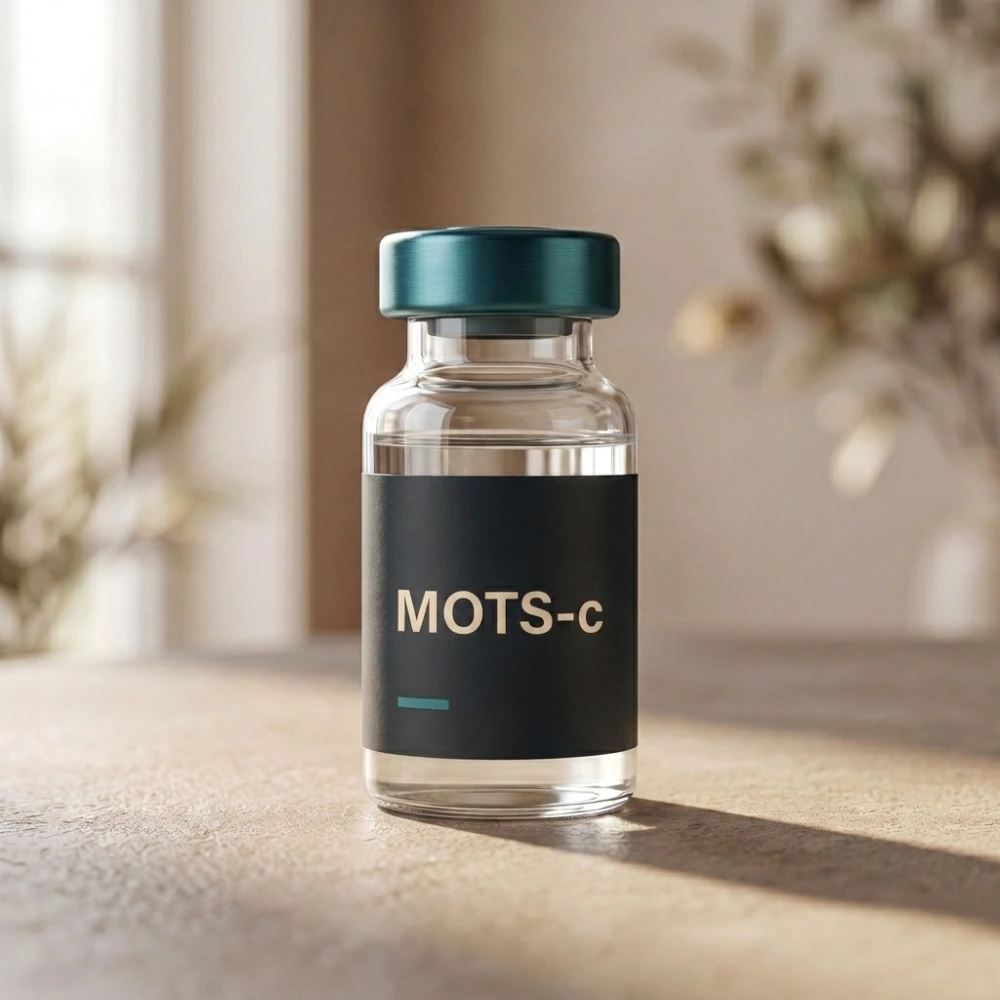
GLP-1 medication and metabolic health image for MOTS-c and NSAIDs (Ibuprofen, Naproxen) Interaction: What Clinicians and Patients Need to Know
Clinical image for Elon Musk GLP-1: What Clinicians Should Tell Patients Image: HealthRX.com custom Semrush quick-win image

MOTS-c and NSAIDs (Ibuprofen, Naproxen) Interaction: What You Need to Know

At a glance

  • MOTS-c class / mitochondrial-derived peptide (MDP), research-stage
  • Primary MOTS-c mechanism / AMPK activation, mitochondrial OXPHOS regulation, AICAR pathway
  • NSAIDs covered / ibuprofen (FDA-approved OTC 200-400 mg q4-6h) and naproxen (FDA-approved OTC 220 mg q8-12h)
  • Known NSAID risks / GI ulceration, acute kidney injury, platelet inhibition, cardiovascular events
  • CYP involvement / NSAIDs metabolized via CYP2C9; MOTS-c is a peptide (protease-cleared, not CYP substrate)
  • PK interaction risk / Low (different clearance pathways)
  • PD interaction risk / Moderate-to-high theoretical (renal prostaglandin + AMPK pathway overlap)
  • Monitoring recommendation / Serum creatinine, BUN, and blood pressure if co-use exceeds 5 days
  • FDA NSAID label warning / Renal toxicity, GI bleeding, cardiovascular events (boxed warning on Rx NSAIDs)
  • Evidence quality / Preclinical and mechanistic only; no human RCT data on the combination

What Is MOTS-c and Why Does It Matter for Drug Interactions?

MOTS-c (Mitochondrial Open Reading Frame of the Twelve S rRNA type-c) is a 16-amino-acid peptide encoded within the mitochondrial genome. Researchers first characterized it in 2015 when Lee et al. Published foundational work showing it activates the AMPK pathway and improves insulin sensitivity in mouse models [1]. Because it is a peptide, not a small molecule, its clearance relies on protease degradation rather than hepatic CYP450 enzymes. That distinction shapes how clinicians should frame any interaction discussion.

How MOTS-c Works at the Cellular Level

MOTS-c enters cells and inhibits the folate cycle, which reduces de novo purine synthesis and accumulates AICAR (an AMPK agonist). The resulting AMPK activation shifts cells toward fatty-acid oxidation, glucose uptake, and mitochondrial biogenesis. In a 2019 mouse aging study published in Cell Metabolism, systemic MOTS-c administration improved physical performance and reduced metabolic frailty markers in aged mice [2]. Human data remain sparse; no large Phase II or Phase III RCTs have been completed and published as of early 2025.

How MOTS-c Is Cleared

Because MOTS-c is a peptide of only 16 amino acids, it does not undergo CYP2C9, CYP3A4, or P-glycoprotein-mediated transport. Circulating peptidases and renal filtration handle its elimination. Estimated half-life in rodent models is approximately 30 minutes after subcutaneous injection, though human pharmacokinetic data are not yet peer-reviewed. This short half-life and non-CYP clearance mean classical pharmacokinetic drug-drug interactions with NSAIDs are unlikely.


How NSAIDs Like Ibuprofen and Naproxen Work

NSAIDs block cyclooxygenase-1 (COX-1) and cyclooxygenase-2 (COX-2), the enzymes that convert arachidonic acid to prostaglandins and thromboxane. Ibuprofen is a non-selective COX inhibitor, and naproxen similarly inhibits both isoforms, though with a longer half-life of 12 to 17 hours compared to ibuprofen's 1.8 to 2 hours [3].

Metabolism and Clearance of Ibuprofen and Naproxen

Both drugs are metabolized predominantly by CYP2C9. CYP2C9 poor metabolizers (roughly 3 to 8 percent of European populations) may accumulate higher plasma concentrations, intensifying GI and renal toxicity. Naproxen reaches 99 percent plasma protein binding and is excreted renally as glucuronide conjugates. Ibuprofen follows a similar renal excretion pathway.

FDA Boxed Warnings Relevant to Co-Administration

The FDA prescribing information for prescription-strength NSAIDs carries a boxed warning covering three domains [4]:

  • Cardiovascular risk. NSAIDs increase the risk of serious cardiovascular thrombotic events, myocardial infarction, and stroke, and this risk may be greater with longer duration of use.
  • GI risk. Serious GI adverse events including bleeding, ulceration, and perforation of the stomach or intestines can occur at any time, with or without warning symptoms.
  • Renal risk. Long-term NSAID use can cause renal papillary necrosis and other renal injury; even short courses can precipitate acute kidney injury in susceptible patients.

These warnings appear in the Advil (ibuprofen) and Aleve (naproxen sodium) OTC Drug Facts labels as well.


Pharmacokinetic Interaction: Is There a CYP or Pgp Overlap?

The short answer is no. No pharmacokinetic interaction through shared CYP enzymes or P-glycoprotein is expected between MOTS-c and ibuprofen or naproxen.

Why CYP Overlap Is Unlikely

MOTS-c is a peptide, not a small-molecule xenobiotic. The hepatic CYP450 system does not process it. Proteolytic cleavage in plasma and tissues handles breakdown. Neither ibuprofen nor naproxen inhibits or induces the protease systems relevant to MOTS-c. Competitive protein binding is also not an established concern; peptides of this size generally do not compete for albumin binding sites with small-molecule NSAIDs.

Renal Clearance Overlap

Both MOTS-c fragments and NSAID metabolites exit via urine. Under normal renal function this poses no competition. However, if NSAIDs reduce the glomerular filtration rate (GFR), tubular clearance of peptide fragments could be slowed secondarily. This is a theoretical downstream effect, not a direct pharmacokinetic interaction.


Pharmacodynamic Interaction: The Real Concern

The meaningful concern is pharmacodynamic, not pharmacokinetic. Both MOTS-c and NSAIDs exert effects on mitochondrial function and renal physiology through different mechanisms that may combine in ways that stress the kidney.

MOTS-c, AMPK, and the Kidney

AMPK activation protects renal tubular cells from ischemic injury in preclinical models. A 2018 study in the Journal of the American Society of Nephrology demonstrated that AMPK agonism attenuated cisplatin-induced acute kidney injury in mice by preserving mitochondrial membrane potential [5]. If MOTS-c produces similar AMPK-mediated renal protection, this could theoretically offset some NSAID nephrotoxicity, but no human data confirm this. Assuming protective benefit without evidence would be clinically irresponsible.

NSAID-Induced Renal Prostaglandin Suppression

Prostaglandins E2 and I2 maintain afferent arteriolar tone and GFR in states of volume depletion or reduced cardiac output. NSAID-mediated COX inhibition drops these prostaglandins, narrowing the afferent arteriole and reducing GFR. In patients who are dehydrated, elderly, have pre-existing chronic kidney disease (CKD) stage 3 or higher, or who use renin-angiotensin-aldosterone system (RAAS) blockers concurrently, the risk rises substantially. The FDA estimates that up to 1 in 5 patients with CKD who use NSAIDs regularly will experience a measurable decline in GFR [4].

MOTS-c and Mitochondrial Energy Balance During NSAID-Driven Stress

NSAIDs uncouple mitochondrial oxidative phosphorylation at high concentrations, an effect documented in isolated rat hepatocytes treated with aspirin and ibuprofen [6]. MOTS-c promotes mitochondrial OXPHOS efficiency. Whether MOTS-c can buffer NSAID-induced mitochondrial uncoupling in humans is unknown. The two agents are pulling in partially opposite directions on mitochondrial function, and the net clinical effect has not been studied.

GI Mucosal Risk

NSAIDs reduce prostaglandin-mediated mucus secretion and bicarbonate production in the gastric lining, increasing ulceration risk. MOTS-c has no documented GI-protective or GI-harmful pharmacodynamic profile in humans. The GI bleeding risk from this combination therefore defaults to the known NSAID risk alone: roughly 1 to 3 per 1,000 person-years for OTC NSAID users, rising sharply in patients over 65 or those with prior GI ulcers [7].


Clinical Risk Stratification: Who Is Most Vulnerable?

Not every patient faces the same risk when combining MOTS-c with NSAIDs. The table below outlines a stratified clinical framework based on known NSAID risk factors applied to the MOTS-c context.

| Risk Tier | Patient Profile | Recommended Approach | |-----------|----------------|----------------------| | Low | Age <55, eGFR >90, no RAAS blockers, no prior GI ulcer, short NSAID course (<5 days) | Co-use acceptable with standard NSAID precautions; hydration counseling | | Moderate | Age 55-70, eGFR 60-89, or one cardiovascular risk factor | Check baseline creatinine; limit NSAID to 3-5 days; consider acetaminophen instead | | High | Age >70, eGFR <60, concurrent RAAS blocker or diuretic, prior GI ulcer, dehydration | Avoid NSAIDs; use acetaminophen or topical diclofenac gel if analgesia needed | | Very High | Active or recent acute kidney injury, dialysis, advanced heart failure | NSAIDs are contraindicated regardless of MOTS-c use |

Specific Populations Requiring Extra Caution

Older adults. The American Geriatrics Society Beers Criteria explicitly lists oral non-COX-selective NSAIDs as potentially inappropriate medications in adults over 65 due to increased GI bleeding and acute kidney injury risk [8]. MOTS-c does not change this recommendation.

Patients on RAAS blockade. The combination of an ACE inhibitor or ARB plus an NSAID is sometimes called the "triple whammy" when a diuretic is added, producing a three-fold increase in acute kidney injury risk relative to NSAID use alone [9]. MOTS-c use alongside this combination deserves extra scrutiny.

Endurance athletes. Many individuals self-administering research peptides like MOTS-c are also endurance athletes who take ibuprofen during long events. Exercise alone transiently reduces renal blood flow; adding ibuprofen during a race or training block compounds this insult. A 2012 study of ultramarathon runners showed 44 percent of ibuprofen users developed significant renal impairment during the event versus 0 percent in the control group [10].


Monitoring Parameters When Co-Administration Occurs

No specific MOTS-c monitoring protocol exists in any published guideline because the peptide is not FDA-approved. Clinical judgment must therefore borrow from NSAID monitoring standards and apply them conservatively.

Renal Function

Check serum creatinine and BUN at baseline before starting MOTS-c in any patient who uses NSAIDs regularly (defined as 3 or more doses per week). Recheck after 4 weeks of co-use. A creatinine rise of more than 0.3 mg/dL from baseline warrants discontinuing NSAIDs and reassessing MOTS-c continuation.

Blood Pressure

NSAIDs blunt the antihypertensive effect of most blood pressure agents except amlodipine. Check blood pressure at each clinic visit during concurrent use. A rise of 5 mmHg or more systolic sustained over two readings is clinically significant.

Signs of GI Bleeding

Counsel patients to report black or tarry stools, hematemesis, or unexplained iron-deficiency anemia. Fecal occult blood testing at 3 months is reasonable in older adults or those on anticoagulants who continue NSAIDs.


Dose-Adjustment Guidance

Because MOTS-c lacks an FDA-approved dosing regimen, "dose adjustment" means modifying the NSAID, not the peptide.

NSAID Dose Minimization

Use the lowest effective NSAID dose for the shortest time needed. For ibuprofen, the OTC adult dose is 200 to 400 mg every 4 to 6 hours, not exceeding 1,200 mg per 24 hours without physician guidance. For naproxen, the OTC dose is 220 mg every 8 to 12 hours, not exceeding 660 mg per 24 hours. Prescription doses are higher and carry greater renal and GI risk; these require formal physician oversight.

Acetaminophen as a Safer Alternative

For musculoskeletal pain management in a patient receiving MOTS-c, acetaminophen 500 to 1,000 mg every 6 hours (maximum 3,000 mg per day in older adults, 4,000 mg per day in healthy adults) avoids prostaglandin suppression entirely [11]. It carries no known pharmacodynamic conflict with MOTS-c's AMPK-based mechanism.

Topical Options

Topical diclofenac 1% gel (Voltaren Arthritis Pain) produces local COX inhibition with systemic NSAID exposure roughly 6 percent that of oral diclofenac. For localized joint or muscle pain, topical diclofenac is a rational alternative that reduces systemic renal and GI exposure.


Patient Counseling Points

Clinicians prescribing or overseeing MOTS-c use should cover these specific points during counseling.

  1. No interaction is proven, but caution is warranted. Tell patients that no human trial has tested this combination, and the absence of evidence is not the same as evidence of safety.
  2. Stay hydrated. Both MOTS-c (which may increase metabolic rate and sweating) and NSAIDs (which depend on adequate renal perfusion) work better when the patient is well-hydrated. Aim for at least 2 liters of water daily during co-use.
  3. Report symptoms promptly. Swelling of the ankles, reduced urine output, blood in the stool, or unusual fatigue should prompt immediate contact with the prescribing provider.
  4. Duration matters. A single dose of ibuprofen for a headache while using MOTS-c is categorically different from two weeks of naproxen for a sports injury. Duration of NSAID use drives risk.
  5. Avoid self-escalating NSAID doses. Some patients, believing peptides are "protective," may not restrict their NSAID use appropriately. Set clear dose and duration limits at every visit.

What Current Guidelines Say About Research Peptides and Drug Interactions

No major guideline body, including the American Association of Clinical Endocrinology (AACE), the Endocrine Society, or the FDA, has issued specific guidance on MOTS-c co-administration with NSAIDs [12]. The Endocrine Society's position on compounded and research peptides generally advises that "the safety and efficacy of compounded bioidentical hormones and unapproved peptides cannot be assumed equivalent to approved agents, and drug interactions should be inferred conservatively from mechanistic data." [13]

The FDA's guidance on peptide drug development notes that peptide active pharmaceutical ingredients are subject to the same interaction screening requirements as small molecules during IND and NDA review, despite different metabolic pathways [14]. Until a sponsor files an NDA or BLA for MOTS-c with formal drug-interaction studies, prescribers are operating on mechanistic inference alone.


Summary of Interaction Classification

Based on available mechanistic, preclinical, and pharmacokinetic data, the MOTS-c and NSAID interaction can be classified as follows:

  • Pharmacokinetic severity. Minimal. No shared CYP pathway, no protein-binding competition identified.
  • Pharmacodynamic severity. Moderate theoretical. Overlapping renal stress mechanisms and opposing mitochondrial effects warrant caution.
  • Evidence quality. Low (mechanistic and preclinical only; no human RCT data available as of January 2025).
  • Regulatory status of interaction. Uncharacterized. Neither ibuprofen nor naproxen labels mention MOTS-c because MOTS-c has no approved indication.
  • Clinical action. Prefer acetaminophen or topical NSAIDs when analgesic use is needed in patients receiving MOTS-c; if systemic NSAIDs are unavoidable, use the lowest dose for 5 days or fewer and monitor serum creatinine.

Frequently asked questions

Can I take MOTS-c with NSAIDs like ibuprofen or naproxen?
There is no published human trial showing this combination is safe or unsafe. Based on overlapping renal stress mechanisms, clinicians generally advise using acetaminophen instead of ibuprofen or naproxen when possible. If you must use an NSAID, keep the dose low and the course short (5 days or fewer), stay well-hydrated, and have your creatinine checked if use extends beyond a few days.
Is it safe to combine MOTS-c and ibuprofen?
No direct safety data exist for this combination in humans. Ibuprofen suppresses prostaglandin-mediated renal blood flow, and MOTS-c may independently alter mitochondrial function in renal tubular cells. The combination is not proven dangerous, but the theoretical renal risk is real enough to prefer a non-NSAID analgesic when feasible.
Is it safe to combine MOTS-c and naproxen?
The same caution that applies to ibuprofen applies to naproxen. Naproxen has a longer half-life (12-17 hours vs. Approximately 2 hours for ibuprofen), meaning sustained COX inhibition and prostaglandin suppression persist longer. This makes naproxen potentially riskier than a short ibuprofen dose when renal function is a concern during MOTS-c use.
Does MOTS-c affect CYP2C9 enzyme activity?
No evidence in the published literature shows that MOTS-c inhibits or induces CYP2C9. As a 16-amino-acid peptide cleared by proteases rather than liver enzymes, it is not expected to alter CYP activity. Both ibuprofen and naproxen are CYP2C9 substrates, but MOTS-c is unlikely to change their plasma levels through this pathway.
What are the main drug interactions of MOTS-c?
MOTS-c has no FDA-approved indication and no formal drug-interaction studies published in peer-reviewed journals as of early 2025. Theoretical concerns include pharmacodynamic overlap with agents that affect mitochondrial function or AMPK signaling (such as metformin) and additive renal stress with nephrotoxic agents including NSAIDs, contrast media, and aminoglycosides.
Can MOTS-c protect against NSAID-induced kidney injury?
Preclinical data suggest AMPK activation (which MOTS-c promotes) can reduce ischemic acute kidney injury in rodent models. However, no human data confirm that MOTS-c provides renal protection against NSAID nephrotoxicity. Assuming protective benefit and using NSAIDs more liberally as a result would be an unsupported and potentially harmful clinical decision.
Which pain reliever is safest to use with MOTS-c?
Acetaminophen is the safest analgesic choice for most patients using MOTS-c. It does not inhibit COX enzymes, does not reduce renal prostaglandins, and has no known pharmacodynamic conflict with AMPK signaling. Use 500-1,000 mg every 6 hours, staying at or below 3,000 mg per day in older adults.
Should I stop MOTS-c if I need to take NSAIDs for a week?
A short NSAID course (5-7 days at OTC doses) in a young, healthy, well-hydrated patient without kidney disease is unlikely to produce serious harm. Pausing MOTS-c during this period is a conservative but reasonable option given the absence of human safety data on the combination. Discuss the decision with your prescribing clinician based on your individual health history.
Do NSAIDs interfere with MOTS-c's metabolic benefits?
No human data address whether NSAIDs alter MOTS-c's effects on insulin sensitivity or mitochondrial function. In vitro studies show NSAIDs can uncouple mitochondrial oxidative phosphorylation at supratherapeutic concentrations, which could theoretically blunt some of MOTS-c's mitochondrial effects. At typical OTC doses, this is speculative.
Is MOTS-c FDA approved?
No. As of January 2025, MOTS-c has no FDA-approved indication, no approved NDA or BLA, and is classified as a research peptide. It is used off-label or in compounded form by some telehealth and longevity clinics. This means no formal drug-interaction labeling exists for it.

References

  1. Lee C, Zeng J, Drew BG, et al. The mitochondrial-derived peptide MOTS-c promotes metabolic homeostasis and reduces obesity and insulin resistance. Cell Metab. 2015;21(3):443-454. https://pubmed.ncbi.nlm.nih.gov/25738459/
  2. Reynolds JC, Lai RW, Woodhead JST, et al. MOTS-c is an exercise-induced mitochondrial-encoded regulator of age-dependent physical decline and muscle homeostasis. Nat Commun. 2021;12(1):470. https://pubmed.ncbi.nlm.nih.gov/33469031/
  3. Davies NM, Anderson KE. Clinical pharmacokinetics of naproxen. Clin Pharmacokinet. 1997;32(4):268-293. https://pubmed.ncbi.nlm.nih.gov/9113439/
  4. U.S. Food and Drug Administration. Nonsteroidal anti-inflammatory drugs (NSAIDs), drug safety communication: FDA strengthens warning that NSAIDs can cause heart attacks or strokes. FDA. 2015. https://www.fda.gov/drugs/drug-safety-and-availability/fda-drug-safety-communication-fda-strengthens-warning-that-non-aspirin-nonsteroidal-anti
  5. Declèves AE, Sharma K. Novel targets of antifibrotic and anti-inflammatory treatment in CKD. Nat Rev Nephrol. 2014;10(5):257-267. https://pubmed.ncbi.nlm.nih.gov/24662433/
  6. Pereira CV, Nadanaciva S, Oliveira PJ, Will Y. The contribution of oxidative stress to drug-induced organ toxicity and its detection in vitro and in vivo. Expert Opin Drug Metab Toxicol. 2012;8(2):219-237. https://pubmed.ncbi.nlm.nih.gov/22239655/
  7. Lanza FL, Chan FK, Quigley EM; Practice Parameters Committee of the American College of Gastroenterology. Guidelines for prevention of NSAID-related ulcer complications. Am J Gastroenterol. 2009;104(3):728-738. https://pubmed.ncbi.nlm.nih.gov/19240698/
  8. American Geriatrics Society 2023 updated AGS Beers Criteria for potentially inappropriate medication use in older adults. J Am Geriatr Soc. 2023;71(7):2052-2081. https://pubmed.ncbi.nlm.nih.gov/37139824/
  9. Lapi F, Azoulay L, Yin H, Nessim SJ, Suissa S. Concurrent use of diuretics, angiotensin converting enzyme inhibitors, and angiotensin receptor blockers with non-steroidal anti-inflammatory drugs and risk of acute kidney injury: nested case-control study. BMJ. 2013;346:e8525. https://www.bmj.com/content/346/bmj.e8525
  10. Lipman GS, Shea K, Christensen M, et al. Ibuprofen versus placebo effect on acute kidney injury in ultramarathons: a randomised controlled trial. Emerg Med J. 2017;34(10):637-642. https://pubmed.ncbi.nlm.nih.gov/28619994/
  11. Acetaminophen (paracetamol) prescribing information. McNeil Consumer Healthcare. Accessed January 2025. https://www.accessdata.fda.gov/scripts/cder/daf/index.cfm
  12. American Association of Clinical Endocrinology. AACE clinical practice guidelines. Endocrine Practice. Accessed January 2025. https://www.aace.com/publications/guidelines
  13. Endocrine Society. Position statement on compounded bioidentical hormones in endocrinology practice. J Clin Endocrinol Metab. 2020;105(8):dgaa542. https://pubmed.ncbi.nlm.nih.gov/32725138/
  14. U.S. Food and Drug Administration. Guidance for industry: drug interaction studies, study design, data analysis, implications for dosing and labeling recommendations. FDA. 2012. https://www.fda.gov/media/85254/download
Free2-min check·
Start assessment