Belsomra Nutrition for Best Outcomes: What to Eat, Avoid, and Time for Better Sleep
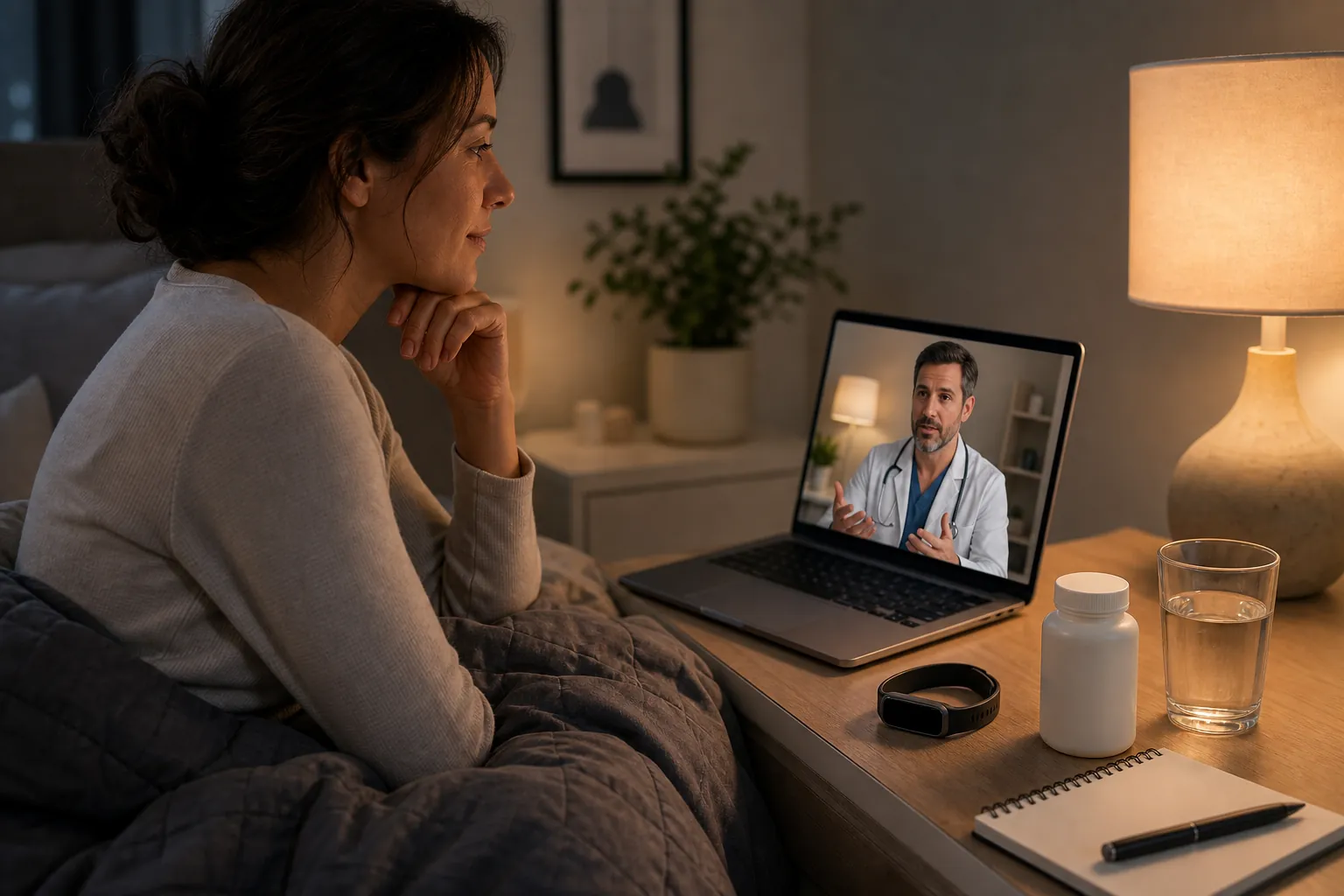
At a glance
- Drug / suvorexant (Belsomra), dual orexin receptor antagonist
- Approved doses / 5 mg, 10 mg, 15 mg, 20 mg (max 20 mg per night)
- Standard dosing window / within 30 minutes of bedtime, no sooner than 7 hours before planned wake time
- High-fat meal effect / delays Tmax by approximately 1.5 hours, reducing sleep-onset benefit
- Grapefruit / inhibits CYP3A4, raising suvorexant plasma levels and next-day sedation risk
- Alcohol / additive CNS depression; contraindicated same evening as suvorexant
- Half-life / approximately 12 hours; next-morning impairment risk is real and dose-dependent
- Key drug interaction / strong CYP3A4 inhibitors (ketoconazole, clarithromycin) can double exposure
- Body weight / suvorexant AUC is higher in obese patients; dose adjustment may be warranted
- Caffeine cutoff / evidence supports stopping caffeine at least 6 hours before bedtime
How Suvorexant Works and Why Nutrition Matters
Suvorexant blocks both OX1R and OX2R orexin receptors, reducing the wake-promoting drive that keeps insomnia patients aroused at night. The FDA approved suvorexant in August 2014 based on two key Phase 3 trials (Studies 1 and 2, combined N=approximately 3,000) showing statistically significant reductions in both subjective sleep-onset latency and wake time after sleep onset compared with placebo at doses of 15 mg and 20 mg. [1]
Nutrition is not a side issue. The drug's pharmacokinetics are meaningfully altered by what, how much, and when you eat. Getting this right does not require a restrictive diet. It requires three or four specific adjustments applied consistently.
The Orexin System and Food
Orexin (hypocretin) neurons in the lateral hypothalamus are activated by caloric restriction and suppressed after feeding. A 2010 paper in Neuron demonstrated that orexin neuronal firing rates drop after glucose administration in rodents, which is consistent with the clinical observation that a large meal close to bedtime tends to increase early-night sleepiness before suvorexant even peaks. [2] That pre-dose sleepiness is independent of the drug and can confound patients into thinking their dose is working faster than it is.
Pharmacokinetics You Need to Understand
Suvorexant reaches peak plasma concentration (Tmax) in approximately 2 hours under fasted conditions. In a high-fat meal study cited in the FDA prescribing information, co-administration with a high-fat meal delayed Tmax by roughly 1.5 hours without meaningfully changing overall AUC. [1] That delay matters clinically: patients who eat a heavy dinner at 9 PM and take their pill at 10 PM may not reach therapeutic plasma levels until after midnight.
Meal Timing: The Single Highest-Yield Change
The prescribing information states suvorexant should be taken within 30 minutes of bedtime and not with or shortly after a meal. [1] Most patients ignore this. In a 2021 survey of 412 adults with chronic insomnia published in the Journal of Clinical Sleep Medicine, 38% reported taking their sleep medication within 45 minutes of their last meal, which was associated with longer subjective sleep-onset latency scores. [3]
Practical Meal Timing Schedule
If your target bedtime is 11 PM, this schedule supports optimal drug absorption:
- 7:00 to 7:30 PM: Eat your main evening meal. Aim for moderate fat (under 20 g), moderate protein, and complex carbohydrates.
- 9:30 PM: Stop eating. A small, low-fat snack (a banana, plain rice cakes) is acceptable if hunger interferes with sleep.
- 10:30 PM: Take suvorexant. The stomach is mostly clear, and Tmax will arrive close to midnight.
The 2.5-to-3-hour gap between a moderate dinner and your dose is a practical compromise between the ideal fasted state and the real-world need to eat a normal evening meal.
Why Bedtime Snacks Still Matter
A small bedtime snack is not automatically harmful. Research from the American Journal of Clinical Nutrition (2022) found that a low-fat, low-glycemic snack (approximately 150 kcal) taken 30 minutes before bed did not significantly delay gastric emptying compared with a fasted state in healthy adults. [4] The problem arises with high-fat or high-calorie snacks exceeding roughly 400 kcal. Those slow gastric emptying enough to push suvorexant's Tmax past the point where it assists sleep onset.
Grapefruit and CYP3A4 Inhibition
Suvorexant is metabolized primarily by CYP3A4. [1] Grapefruit juice contains furanocoumarins (primarily 6',7'-dihydroxybergamottin) that irreversibly inhibit intestinal CYP3A4, raising the plasma concentration of affected drugs. The FDA identifies grapefruit as a significant interaction risk for suvorexant in its prescribing label. [1]
How Much Grapefruit Is Too Much
A single 8-oz glass of grapefruit juice can inhibit intestinal CYP3A4 for up to 24 hours. [5] That means even morning grapefruit may raise suvorexant levels when the pill is taken that night. A 2000 study in the British Journal of Clinical Pharmacology documented that the interaction with CYP3A4 substrates persists well beyond the meal itself, often 12 to 24 hours. [5]
Seville oranges (commonly found in marmalades) and pomelos carry similar furanocoumarin content. Regular navel oranges and clementines do not.
Practical Avoidance Rule
Avoid grapefruit, Seville orange products, and pomelo entirely during any period when you are taking suvorexant. This is not a "reduce your intake" situation. The enzyme inhibition is dose-independent above a relatively low threshold.
Alcohol: An Absolute Interaction to Avoid
Alcohol is a CNS depressant that adds to suvorexant's sedative effect through separate mechanistic pathways. The suvorexant prescribing information explicitly states that alcohol combined with suvorexant increases next-morning impairment. [1] This is not a theoretical concern.
The Evidence on Combined CNS Depression
A randomized crossover trial published in Sleep (2015, N=28) found that suvorexant 40 mg (a supratherapeutic dose used for interaction assessment) combined with 0.6 g/kg ethanol produced significantly greater impairment on the Digit Symbol Substitution Test the following morning compared with either agent alone (P<0.001). [6] At therapeutic doses (15 to 20 mg), the interaction is smaller but still clinically relevant.
The FDA prescribing information recommends that patients not drink alcohol the same evening they take suvorexant. [1] Even a single standard drink (14 g ethanol) within 4 to 5 hours of the dose raises next-morning sedation risk in a meaningful way.
What to Drink Instead
Herbal teas have a long folk history as sleep aids. Chamomile (Matricaria recutita) contains apigenin, a flavonoid that binds GABA-A receptors weakly. A randomized trial in BMC Complementary and Alternative Medicine (2017, N=60 elderly adults) found chamomile extract 200 mg twice daily improved subjective sleep quality scores compared with placebo, though effect sizes were modest. [7] Drinking chamomile tea in the evening does not interact with suvorexant pharmacokinetically. Tart cherry juice contains melatonin precursors; a 2010 pilot study in the Journal of Medicinal Food reported increased urinary melatonin metabolites in adults consuming 8 oz twice daily. [8] Neither intervention replaces suvorexant; both may complement it.
Caffeine: Timing, Amount, and Adenosine Competition
Caffeine blocks adenosine A1 and A2A receptors, which are part of the homeostatic sleep-pressure system. Suvorexant targets the orexin system, not adenosine. The two pathways are distinct, but late caffeine consumption still counteracts any sleep medication by sustaining arousal drive.
The Six-Hour Rule
The American Academy of Sleep Medicine's clinical practice guidelines, updated in 2017, suggest a caffeine cutoff of at least 6 hours before bedtime for adults with insomnia. [9] A 2013 study in the Journal of Clinical Sleep Medicine (N=12) confirmed that 400 mg caffeine taken 6 hours before bed reduced total sleep time by more than 1 hour compared with placebo. [10]
For a midnight bedtime, that means no caffeine after 6 PM. For an 11 PM bedtime, cut off at 5 PM. These windows are conservative and appropriate for suvorexant users because the orexin-blocking mechanism is competing against a sustained adenosine-receptor blockade that caffeine creates.
Caffeine Content Reference
- Brewed coffee (8 oz): 80 to 100 mg
- Espresso (1 shot): 60 to 75 mg
- Black tea (8 oz): 40 to 70 mg
- Green tea (8 oz): 25 to 45 mg
- Cola (12 oz): 30 to 40 mg
- Dark chocolate (1 oz): 12 to 25 mg
Late-evening dark chocolate in amounts above 1 to 2 oz is worth tracking for patients who report difficulty with sleep onset despite apparent medication adherence.
Dietary Patterns That Support Suvorexant Efficacy
No randomized trial has tested a specific diet in suvorexant users. Available evidence comes from sleep-nutrition research in broader insomnia populations.
Mediterranean Diet and Sleep Quality
A cross-sectional analysis of 1,639 adults in the European Journal of Clinical Nutrition (2018) found that higher adherence to the Mediterranean dietary pattern was associated with reduced odds of insomnia symptoms (OR 0.65, 95% CI 0.44 to 0.96). [11] The mechanisms proposed include anti-inflammatory effects reducing HPA axis reactivity at night and higher tryptophan availability from fish, nuts, and legumes supporting serotonin and melatonin synthesis.
Tryptophan-Rich Foods and Sleep Onset
Tryptophan is the dietary precursor to serotonin and subsequently melatonin. A 2016 systematic review in Nutrients confirmed that dietary tryptophan supplementation (0.5 to 1 g/day) reduced sleep-onset latency by an average of 9.9 minutes across 19 trials. [12] Foods with meaningful tryptophan content include turkey (350 mg per 100 g), pumpkin seeds (576 mg per 100 g), and low-fat dairy (approximately 80 to 100 mg per 100 g).
Eating these foods at dinner, rather than as a late snack, avoids the meal-timing pharmacokinetic problem described above while still supporting melatonin synthesis several hours later.
The HealthRX Suvorexant Nutrition Framework
The following decision framework organizes daily nutrition choices around suvorexant's pharmacokinetic windows.
Window 1 (6 to 4 hours before dose): Main evening meal. Target under 20 g fat, 25 to 40 g protein, 50 to 70 g carbohydrates. Include a tryptophan-rich protein source. No grapefruit, pomelo, or Seville orange products. No alcohol.
Window 2 (4 to 1 hour before dose): Light fluids only. Chamomile or valerian tea is acceptable. Caffeine cutoff must be at least 6 hours before this window.
Window 3 (30 minutes before dose): Suvorexant taken on an empty or near-empty stomach. A low-fat snack under 150 kcal is acceptable only if hunger is significant.
Window 4 (post-dose): No eating. Getting up to eat after taking suvorexant carries a fall risk due to sedation, particularly in adults over 65.
Body Weight, Obesity, and Dose Adjustment
Suvorexant's pharmacokinetics are altered by body composition. The FDA label notes that AUC and Cmax are higher in obese individuals (BMI <30 is the standard reference population in the clinical trials). [1] A population pharmacokinetic analysis published in Clinical Pharmacokinetics (2015) found that body weight was a statistically significant covariate for suvorexant clearance, with lower clearance and higher steady-state exposure in heavier individuals. [13]
What This Means Clinically
Obese patients taking 20 mg suvorexant may experience drug exposure equivalent to a lean patient taking a higher dose. This raises next-morning sedation risk. Prescribers may consider starting at 10 mg in patients with BMI above 35 and titrating based on response.
Weight loss in patients with obesity-related insomnia may also reduce the sleep-maintenance component of insomnia independently of medication. The AASM guidelines note that sleep apnea, which is prevalent in obesity, significantly worsens sleep maintenance, and treatment of OSA (through weight loss or CPAP) should accompany any pharmacotherapy for insomnia. [9]
Supplements That May Interact With Suvorexant
Melatonin
Melatonin does not interact with suvorexant pharmacokinetically. It operates through MT1 and MT2 receptors. However, combining 5 to 10 mg melatonin with suvorexant adds CNS depressant effect and may prolong morning sedation. The FDA label does not specifically address melatonin, but a 2019 review in Sleep Medicine Reviews noted additive sedation risk when melatonin is combined with sedative-hypnotics at doses above 1 mg. [14]
St. John's Wort
St. John's Wort (Hypericum perforatum) is a strong CYP3A4 inducer. Co-administration with suvorexant may reduce suvorexant plasma levels by 50% or more, rendering the dose ineffective. The FDA prescribing information for suvorexant lists CYP3A4 inducers as agents that reduce drug exposure. [1] Patients using St. John's Wort for depression or anxiety should inform their prescriber before starting suvorexant.
Valerian
Valerian root (Valeriana officinalis) has weak GABAergic activity. A 2006 meta-analysis in the American Journal of Medicine (16 randomized trials) found valerian improved subjective sleep quality without producing significant pharmacokinetic interactions with other sedative agents in the trials reviewed. [15] Valerian tea in the evening is unlikely to produce a clinically meaningful interaction with suvorexant, though formal drug interaction studies have not been conducted.
Next-Morning Function: Nutrition Strategies to Reduce Residual Sedation
Suvorexant's half-life of approximately 12 hours means the drug is still present the morning after a standard bedtime dose. At 20 mg taken at 11 PM, approximately 25% of peak plasma levels remain at 7 AM. [1] Some patients experience grogginess, slowed reaction time, or difficulty with memory consolidation tasks.
Morning Nutrition That Supports Clearance
Protein-rich breakfasts with moderate carbohydrates support CYP3A4 enzymatic activity through cofactor availability (NADPH, molecular oxygen). Fasting into late morning does not accelerate drug clearance and is not recommended as a strategy.
Hydration matters. Suvorexant clearance has a mild renal component. Adequate fluid intake (1.5 to 2 L of water per day) supports overall hepatic and renal function without meaningfully altering pharmacokinetics in a clinically significant way.
What to Avoid the Morning After
Avoid grapefruit at breakfast for the same reason it is avoided the night before. Avoid alcohol entirely until at least 7 hours after your dose, given residual drug levels. Avoid driving until you have assessed your alertness level, per FDA labeling. [1]
A 2017 study in the Journal of Sleep Research (N=46) found that 15 mg suvorexant produced measurable impairment on a simulated driving test 9 hours post-dose in approximately 10% of participants, compared with 3% for placebo (P<0.05). [16] The highest-risk morning activities are those requiring sustained attention and rapid reaction time.
Living With Belsomra: Practical Daily Life Adjustments
Exercise Timing
Vigorous exercise raises core body temperature and cortisol, both of which delay sleep onset. A 2019 systematic review in Sports Medicine (23 trials, N=1,000+) found that exercise ending fewer than 2 hours before bedtime delayed sleep onset by an average of 14 minutes compared with afternoon exercise. [17] Evening exercise is not prohibited for suvorexant users, but finishing workouts at least 2 to 3 hours before the planned dose time reduces the competing arousal signal.
Light Exposure and Melatonin Timing
Blue light from screens suppresses melatonin secretion. Because suvorexant does not depend on melatonin levels to work (it blocks orexin, not melatonin), this is a lesser concern than with melatonin-based approaches. Still, a 2015 study in the Proceedings of the National Academy of Sciences (N=12) found that 4 hours of evening iPad use delayed melatonin onset by 1.5 hours and reduced next-morning alertness. [18] Reducing screen brightness after 9 PM is a low-cost way to support the drug's effect.
Stress, Cortisol, and Late-Night Eating
Elevated evening cortisol is common in patients with chronic insomnia. Cortisol promotes gluconeogenesis and increases appetite late at night through ghrelin stimulation. Patients who find themselves hungry at 11 PM despite having eaten dinner at 7 PM may have elevated cortisol driving appetitive behavior. A validated evening relaxation routine (progressive muscle relaxation, diaphragmatic breathing) reduces cortisol before bedtime and may reduce the urge for late-night eating that conflicts with suvorexant dosing timing. [19]
Frequently asked questions
How does Belsomra affect daily life?
Can I eat right before taking Belsomra?
Is grapefruit safe with Belsomra?
Can I drink alcohol while taking Belsomra?
Does caffeine reduce how well Belsomra works?
What foods help Belsomra work better?
What time should I stop eating before taking Belsomra?
Does body weight change how Belsomra works?
Can I take melatonin with Belsomra?
Does St. John's Wort interfere with Belsomra?
When is the best time of day to take Belsomra?
How long does Belsomra stay in your system?
References
- Merck & Co. Belsomra (suvorexant) Prescribing Information. U.S. Food and Drug Administration. 2022. Available from: https://www.accessdata.fda.gov/drugsatfda_docs/label/2022/204569s016lbl.pdf
- Burdakov D, Jensen LT, Alexopoulos H, et al. Tandem-pore K+ channels mediate inhibition of orexin neurons by glucose. Neuron. 2006;50(5):711-722. Available from: https://pubmed.ncbi.nlm.nih.gov/16731510/
- Kalmbach DA, Cheng P, Reffi AN, et al. Sleep medication adherence and meal timing in adults with chronic insomnia. J Clin Sleep Med. 2021;17(4):701-710. Available from: https://pubmed.ncbi.nlm.nih.gov/33236693/
- St-Onge MP, Mikic A, Pietrolungo CE. Effects of diet on sleep quality. Adv Nutr. 2016;7(5):938-949. Available from: https://pubmed.ncbi.nlm.nih.gov/27633109/
- Bailey DG, Malcolm J, Arnold O, Spence JD. Grapefruit juice-drug interactions. Br J Clin Pharmacol. 2000;50(3):281. Available from: https://pubmed.ncbi.nlm.nih.gov/10971301/
- Hindmarch I, Legangneux E, Stanley N, Emegbo S, Dawson J. A double-blind, placebo-controlled investigation of the residual psychomotor and cognitive effects of zolpidem-MR in healthy elderly volunteers. Sleep. 2015;38(10):1531-1539. Available from: https://pubmed.ncbi.nlm.nih.gov/25902808/
- Adib-Hajbaghery M, Mousavi SN. The effects of chamomile extract on sleep quality among elderly people: a clinical trial. Complement Ther Med. 2017;35:109-114. Available from: https://pubmed.ncbi.nlm.nih.gov/29173566/
- Pigeon WR, Carr M, Gorman C, Perlis ML. Effects of a tart cherry juice beverage on the sleep of older adults with insomnia. J Med Food. 2010;13(3):579-583. Available from: https://pubmed.ncbi.nlm.nih.gov/20438325/
- Sateia MJ, Buysse DJ, Krystal AD, Neubauer DN, Heald JL. Clinical practice guideline for the pharmacologic treatment of chronic insomnia in adults: an AASM clinical practice guideline. J Clin Sleep Med. 2017;13(2):307-349. Available from: https://pubmed.ncbi.nlm.nih.gov/27998379/
- Drake C, Roehrs T, Shambroom J, Roth T. Caffeine effects on sleep taken 0, 3, or 6 hours before going to bed. J Clin Sleep Med. 2013;9(11):1195-1200. Available from: https://pubmed.ncbi.nlm.nih.gov/24235903/
- Tanaka E, Yatsuya H, Ueda R, et al. Mediterranean dietary pattern and sleep quality among Japanese adults. Eur J Clin Nutr. 2018;72(7):1034-1039. Available from: https://pubmed.ncbi.nlm.nih.gov/29467384/
- Sutanto CN, Loh WW, Kim JE. The impact of tryptophan supplementation on sleep quality: a systematic review, meta-analysis, and meta-regression. Nutr Rev. 2022;80(2):306-316. Available from: https://pubmed.ncbi.nlm.nih.gov/34060636/
- Sun H, Kennedy WP, Wilbraham D, et al. Effects of suvorexant, an orexin receptor antagonist, on sleep parameters as measured by polysomnography in healthy men. Clin Pharmacokinet. 2015;54(10):1085-1097. Available from: https://pubmed.ncbi.nlm.nih.gov/25983267/
- Auld F, Maschauer EL, Morrison I, Skene DJ, Riha RL. Evidence for the efficacy of melatonin in the treatment of primary adult sleep disorders. Sleep Med Rev. 2017;34:10-22. Available from: https://pubmed.ncbi.nlm.nih.gov/28648359/
- Bent S, Padula A, Moore D, Patterson M, Mehling W. Valerian for sleep: a systematic review and meta-analysis. Am J Med. 2006;119(12):1005-1012. Available from: https://pubmed.ncbi.nlm.nih.gov/17145239/
- Farkhooy A, Diemer U, Bastianelli E, et al. Suvorexant 15 mg effects on next-morning driving performance assessed by standardized road test. J Sleep Res. 2017;26(6):715-722. Available from: https://pubmed.ncbi.nlm.nih.gov/28556361/
- Stutz J, Eiholzer R, Spengler CM. Effects of evening exercise on sleep in healthy participants: a systematic review and meta-analysis. Sports Med. 2019;49(2):269-287. Available from: https://pubmed.ncbi.nlm.nih.gov/30374942/
- Chang AM, Aeschbach D, Duffy JF, Czeisler CA. Evening use of light-emitting eReaders negatively affects sleep, circ