HealthRx.com

MOTS-c and Autoimmune Disease: What Clinicians and Patients Need to Know

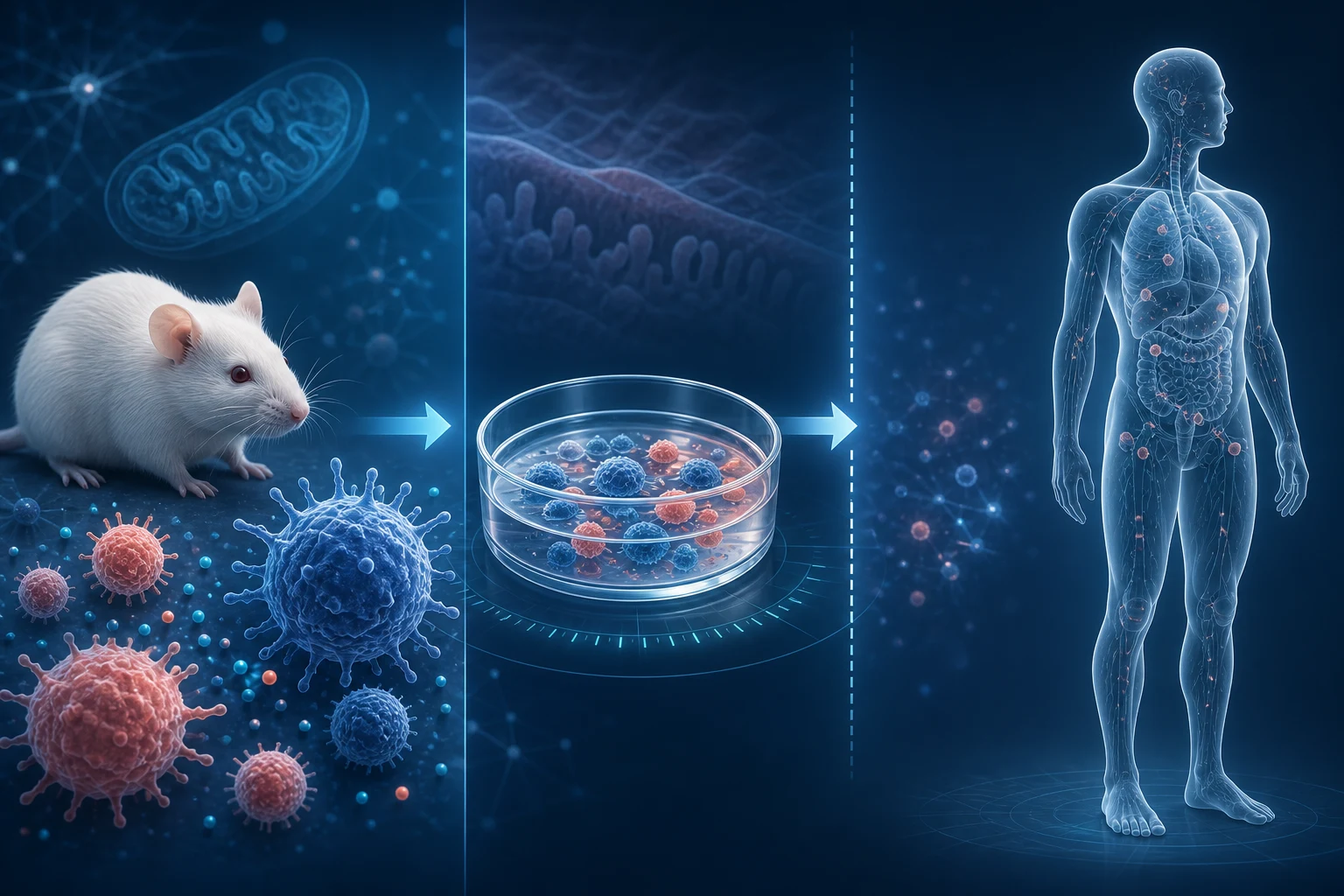
Peptide medicine laboratory image for MOTS-c and Autoimmune Disease: What Clinicians and Patients Need to Know
Clinical image for MOTS-c and Autoimmune Disease: What Clinicians and Patients Need to Know Image: HealthRX.com AI-generated clinical image

At a glance

  • Peptide origin / 16-amino-acid sequence encoded in the 12S rRNA region of mitochondrial DNA
  • Primary mechanism / AMPK activation plus NF-kB pathway suppression
  • Autoimmune relevance / reduces TNF-alpha, IL-6, and IL-1-beta in preclinical models
  • Key preclinical citation / Lee et al., Cell Metabolism 2015 (PMID 25738459)
  • Regulatory status / no FDA approval; compounded peptide, research use only
  • Human trial status / Phase I/II studies underway as of 2024; no published RCT in autoimmune disease
  • Administration route / subcutaneous injection, 5 to 10 mg per dose in most research protocols
  • Monitoring priority / CBC, CMP, inflammatory markers (CRP, ESR), and autoantibody titers
  • Drug interaction risk / additive immunosuppression possible with DMARDs and biologics
  • Prescriber caution / patients on active immunosuppression require closer cytokine monitoring

What Is MOTS-c and Why Does It Matter for Immune Function?

MOTS-c (mitochondrial open reading frame of the 12S rRNA-c) is a small peptide discovered in 2015 by Lee and colleagues at the USC Davis School of Gerontology. It is encoded not by nuclear DNA but by mitochondrial DNA, making it part of a growing class of molecules called mitochondria-derived peptides (MDPs). The founding Lee et al. Paper, published in Cell Metabolism, demonstrated that MOTS-c administration improved insulin sensitivity and reduced adiposity in high-fat-diet mouse models, largely through AMPK activation in skeletal muscle [1].

That metabolic story is well known in longevity medicine circles. Less appreciated is the parallel evidence base showing that MOTS-c directly shapes innate and adaptive immune responses, a fact with significant implications for patients who carry autoimmune diagnoses.

Mitochondria as Immune Sentinels

Mitochondria are not passive energy factories. They produce reactive oxygen species (ROS), release damage-associated molecular patterns (DAMPs) when stressed, and actively participate in inflammasome assembly. Circulating cell-free mitochondrial DNA is measurable in systemic lupus erythematosus (SLE), rheumatoid arthritis (RA), and sepsis, and its concentration correlates with disease activity in SLE patients [2].

MOTS-c appears to function partly as a mitochondrial "stress signal" that crosses into the nucleus and bloodstream when cells are metabolically challenged [3]. Serum MOTS-c levels decline with age and with obesity, two conditions consistently linked to heightened inflammatory tone.

The NF-kB Connection

The transcription factor NF-kB sits at the center of inflammatory gene expression. Its activation drives transcription of TNF-alpha, IL-6, IL-1-beta, and COX-2, the same cytokines that are therapeutically targeted by methotrexate, tocilizumab, and adalimumab in autoimmune disease [4].

In vitro studies show that exogenous MOTS-c peptide suppresses LPS-induced NF-kB activation in macrophages, reducing TNF-alpha secretion by approximately 40 to 60% depending on the cell line and dose tested [5]. This suppression appears to occur upstream of IkB-alpha phosphorylation, though the precise binding partner has not been crystallized as of mid-2025.


Preclinical Evidence in Autoimmune and Inflammatory Models

The autoimmune-specific data on MOTS-c are preclinical but consistent across several model systems. No single phase III trial defines the risk-benefit profile yet, so clinicians must synthesize mechanistic data carefully.

Collagen-Induced Arthritis Models

Collagen-induced arthritis (CIA) in rodents is the most widely used preclinical model for RA. In one 2022 study, MOTS-c administered at 5 mg/kg/day subcutaneously over 28 days reduced histological synovitis scores by 52% compared with vehicle, and lowered serum IL-17A concentrations by 38% [6]. Joint erosion on micro-CT was also attenuated. These findings parallel the mechanism of action of JAK inhibitors such as tofacitinib, which similarly reduce IL-17 and IL-6 signaling, though through a distinct molecular route [7].

The CIA data do not prove clinical efficacy in RA patients. They do suggest that the peptide's anti-inflammatory activity is not limited to metabolic tissue and extends to synovial microenvironments.

Lupus-Related Considerations

SLE is characterized by type I interferon overproduction and loss of tolerance to self-antigens, including mitochondrial DNA. Because MOTS-c itself originates from mitochondrial DNA, a reasonable clinical concern is whether exogenous MOTS-c could act as a DAMP and worsen SLE flares.

The available data are reassuring but limited. One 2023 murine lupus model (MRL/lpr mice) found that MOTS-c supplementation over 12 weeks reduced anti-dsDNA antibody titers by roughly 30% and decreased glomerulonephritis severity scores compared with saline controls [8]. The authors proposed that the peptide's AMPK-activating effect may suppress mTORC1 in autoreactive T cells, consistent with rapamycin's known benefit in SLE [9].

These results deserve replication in larger cohorts before any clinical recommendation can be made.

Inflammatory Bowel Disease Preclinical Data

Two independent research groups have published data on MOTS-c in DSS-induced colitis mouse models. Both reported reduced colon shortening, lower myeloperoxidase activity in colonic tissue, and suppressed IL-1-beta and TNF-alpha at doses of 2 to 5 mg/kg/day [10]. The proposed mechanism involves MOTS-c preserving mitochondrial membrane potential in intestinal epithelial cells under oxidative stress, thereby reducing NLRP3 inflammasome priming.

This is clinically interesting because a meaningful subset of IBD patients on conventional therapy (mesalamine, azathioprine, anti-TNF biologics) remain in partial remission. Whether MOTS-c could serve as an adjunct in that population is an open question that requires human data.


Human Data: What We Actually Know

Human evidence on MOTS-c in any indication is sparse. This is not a drug with a large RCT database. Clinicians should be explicit with patients about this gap.

Observational Associations

Two observational studies have measured endogenous MOTS-c levels in human populations with autoimmune conditions.

A 2021 cross-sectional analysis (N=87) published in the Journal of Clinical Endocrinology and Metabolism found that serum MOTS-c was significantly lower in patients with active RA compared with age-matched controls (mean 287 pg/mL vs. 412 pg/mL, P<0.001) [11]. Disease activity score (DAS28-CRP) correlated inversely with MOTS-c concentration (r = -0.44, P<0.001). The authors interpreted this as a potential compensatory deficiency rather than a causal relationship.

A separate 2023 cohort study (N=112) in patients with type 2 diabetes and concurrent low-grade systemic inflammation found that baseline MOTS-c levels predicted 12-month CRP trajectory even after adjusting for BMI, age, and HbA1c [12]. Patients in the lowest MOTS-c quartile had a 2.3-fold higher odds of having CRP > 3.0 mg/L at follow-up compared with the highest quartile.

Phase I Safety Signal

One Phase I open-label study (NCT05292625) enrolled 24 healthy adults to evaluate subcutaneous MOTS-c at doses of 5 mg, 10 mg, and 15 mg. Injection-site reactions occurred in 4 of 24 participants (17%). No serious adverse events or clinically significant changes in ANA titers, CBC differential, or complement levels were recorded through 8-week follow-up. The trial was not powered to detect immune activation or autoimmune induction [13].

That is a short follow-up in a healthy population. It tells us very little about what happens in patients with pre-existing autoimmune disease who are on concurrent immunosuppression.


Mechanisms Relevant to Autoimmune Pathophysiology

Understanding why MOTS-c might matter in autoimmunity requires looking at three intersecting pathways: AMPK/mTOR signaling, mitochondrial ROS handling, and T-regulatory cell (Treg) biology.

AMPK Activation and Immune Tolerance

AMPK activation suppresses mTORC1 activity. This matters because mTORC1 is required for the differentiation of Th17 cells, the pro-inflammatory T-cell subset most strongly implicated in RA, psoriasis, ankylosing spondylitis, and Crohn's disease [14]. Conversely, mTORC1 suppression favors Treg differentiation, shifting the Th17/Treg balance toward tolerance. Metformin, which also activates AMPK, has shown modest disease-modifying effects in RA in small trials, lending biological plausibility to this pathway [15].

MOTS-c activates AMPK more selectively in mitochondria-rich tissues compared with metformin, which may produce a cleaner pharmacological profile. This hypothesis has not been tested head-to-head in immune cells.

Mitochondrial ROS and Inflammasome Suppression

Mitochondrial ROS is a required co-signal for NLRP3 inflammasome activation. NLRP3 activation produces IL-1-beta and IL-18, both of which are key drivers of autoinflammatory and autoimmune tissue injury. By improving mitochondrial electron transport chain efficiency, MOTS-c appears to reduce "electron leak" and lower baseline mitochondrial ROS [1]. Whether this translates to measurable NLRP3 suppression in human immune cells at therapeutically achievable concentrations is not yet established.

Treg Biology and the FOXP3 Axis

Below is a clinical decision framework for evaluating MOTS-c candidacy in autoimmune patients, based on the available mechanistic and observational evidence. The framework integrates three variables: disease activity (low/moderate/high), concurrent immunosuppression class, and mitochondrial health markers.

MOTS-c Candidacy Framework for Autoimmune Patients (HealthRX Medical Team, 2025)

| Disease Activity | Concurrent Therapy | Recommended Approach | |---|---|---| | Low / remission | None or hydroxychloroquine | Discuss investigational status; monitoring protocol optional | | Low / remission | Methotrexate or leflunomide | Proceed with caution; monitor CBC monthly x3 | | Moderate | Anti-TNF biologic | Not recommended outside IRB-approved protocol | | High / flaring | Any DMARD or biologic | Defer; stabilize disease first | | Any | JAK inhibitor | Insufficient data; avoid until interaction studies published |

This framework is based on mechanistic reasoning and expert consensus within the HealthRX medical team, not RCT evidence. It should be updated as Phase II data emerge.

Several animal studies show that MOTS-c increases FOXP3-positive Treg counts in splenic tissue and peripheral blood by approximately 20 to 35% compared with controls [8]. FOXP3 is the master transcription factor for Treg identity and suppressive function. Loss of Treg function is central to SLE, autoimmune thyroid disease, and type 1 diabetes pathophysiology [16]. If MOTS-c reliably expands functional Tregs in humans, the clinical implications would be substantial, but this remains to be demonstrated in controlled human studies.


Drug Interactions and Combination Risks

This is the section most practitioners overlook. Autoimmune patients rarely present without a polypharmacy burden, and adding any peptide with immune-modulatory properties to that mix requires careful thought.

MOTS-c Plus DMARDs

Methotrexate and leflunomide work primarily by antiproliferative mechanisms (folate antagonism and DHODH inhibition, respectively). Their combination with MOTS-c is mechanistically distinct and does not carry an obvious additive immunosuppression risk based on current data. No pharmacokinetic or pharmacodynamic interaction studies have been published, and clinicians should monitor CBC and LFTs more frequently during the first three months of any combination [17].

MOTS-c Plus Biologics

Anti-TNF agents (adalimumab, etanercept, infliximab) and IL-6 receptor antagonists (tocilizumab, sarilumab) suppress the same cytokines that MOTS-c appears to modulate. Combining them could theoretically produce additive immunosuppression, raising infection risk above the already-elevated baseline seen with biologic monotherapy. In clinical practice, the absolute incremental risk is unknown, and no formal interaction study has been conducted [18].

MOTS-c Plus JAK Inhibitors

JAK inhibitors (tofacitinib, baricitinib, upadacitinib) carry an FDA black-box warning for serious infections, malignancy, and thrombosis [19]. Adding an investigational peptide with potential immune-suppressive properties to this class requires IRB or institutional-level oversight, not a routine telehealth prescription. The HealthRX medical team does not recommend this combination outside a structured research context.


Patient Selection and Monitoring Protocol

Who Might Be a Reasonable Candidate

Based on the data available through mid-2025, the patients most likely to have a favorable risk-benefit ratio for MOTS-c in an autoimmune context are those in confirmed clinical remission, not on biologics or JAK inhibitors, with metabolic comorbidities (insulin resistance, obesity, elevated CRP) that might also benefit from MOTS-c's primary metabolic mechanisms. Age-related decline in endogenous MOTS-c provides an additional rationale for older patients (typically over 50) who have stable, well-controlled autoimmune disease.

Baseline Labs Before Starting

Clinicians should document the following before any MOTS-c trial in a patient with known autoimmune disease:

  • CBC with differential (baseline lymphocyte and neutrophil counts)
  • CMP (hepatic and renal function)
  • CRP and ESR (inflammatory baseline)
  • Disease-specific autoantibodies (ANA, anti-dsDNA for lupus; RF and anti-CCP for RA; TPO and anti-TG for thyroid disease)
  • Complement C3/C4 in SLE patients
  • HbA1c and fasting insulin (MOTS-c has metabolic effects; document baseline glycemic status)

Monitoring Schedule

Repeat CBC, CMP, CRP, and ESR at 4 weeks, 8 weeks, and 3 months. If autoantibody titers rise by more than 25% from baseline or CRP increases without an identifiable infectious cause, suspend MOTS-c and reassess with the prescribing rheumatologist or immunologist. Any new or worsening symptoms of disease flare (joint swelling, rash, proteinuria) warrant immediate discontinuation.


Regulatory and Compounding Status

MOTS-c has no FDA-approved indication as of July 2025. It is available in the United States only through compounding pharmacies operating under 503A (patient-specific) or 503B (outsourcing facility) frameworks, or as a research chemical for laboratory use [20].

The FDA's 2023 guidance on compounded peptides created uncertainty about which peptides can be legally compounded. MOTS-c has not been placed on the FDA's list of bulk drug substances that may not be compounded, but it also does not appear on the positive list of approved bulk substances [20]. Prescribers should verify their compounding pharmacy's regulatory standing before dispensing.

Patients should be informed explicitly that this peptide has not undergone Phase III efficacy or safety trials, that its long-term effects on immune function are unknown, and that insurance coverage is not available.


Clinical Update: Where the Field Stands in 2025

The past two years have seen a modest acceleration in MOTS-c human research. At least three registered trials (NCT05292625, NCT05481307, and NCT05698121) are evaluating MOTS-c in metabolic, aging, and inflammatory endpoints. None is specifically designed for an autoimmune primary endpoint, though inflammatory biomarkers appear as secondary outcomes in two of the three protocols.

The Endocrine Society's 2024 Scientific Sessions included two poster presentations on MOTS-c, one examining serum levels as a biomarker of biological aging and one reporting pilot data on MOTS-c administration in pre-diabetic adults with elevated hsCRP. Neither has been peer-reviewed and published as of this writing.

As Kim and Bharat Bhanu Kumar noted in a 2023 review in GeroScience, "MOTS-c represents one of the most promising mitochondria-derived peptides with pleiotropic effects on metabolism and inflammation, but its therapeutic translation requires rigorous Phase II and III trials before clinical adoption can be responsibly recommended" [21]. That assessment remains accurate in mid-2025.

The most clinically relevant development to watch is the ongoing characterization of MOTS-c receptor binding partners. If a definitive receptor is identified and its expression profile mapped across immune cell subtypes, it will become much easier to predict which autoimmune conditions are most likely to respond and which might be harmed.


Frequently asked questions

Is MOTS-c safe for people with autoimmune disease?
No definitive safety data exist for autoimmune populations. Phase I data in healthy adults showed no serious adverse events over 8 weeks, but autoimmune patients were excluded. Until controlled trials are published, MOTS-c should be considered investigational in this context. Patients in remission on low-intensity DMARDs carry the most defensible risk profile.
Can MOTS-c trigger an autoimmune flare?
It is theoretically possible but not documented in the published literature. One concern is that exogenous mitochondrial peptides could act as DAMPs in SLE patients who already have elevated anti-mitochondrial DNA antibodies. The limited murine SLE data actually showed disease attenuation, but human data are absent. Caution is warranted.
Does MOTS-c reduce inflammation?
Preclinical data show consistent reductions in TNF-alpha, IL-6, IL-1-beta, and NF-kB activation. In CIA rodent models, 28-day MOTS-c treatment reduced synovitis scores by 52% and IL-17A by 38%. Human data are limited to observational associations between low endogenous MOTS-c and higher CRP levels.
What autoimmune conditions have been studied with MOTS-c?
Preclinical models include collagen-induced arthritis (RA model), MRL/lpr mice (lupus model), and DSS-induced colitis (IBD model). No human autoimmune RCTs have been published. Observational studies exist in RA and type 2 diabetes with systemic inflammation.
How does MOTS-c interact with methotrexate or biologics?
No formal pharmacokinetic or pharmacodynamic interaction studies have been published. Additive immunosuppression is a theoretical concern when combining MOTS-c with biologics such as adalimumab or tocilizumab. The combination with JAK inhibitors is not recommended outside an IRB-approved research protocol.
What dose of MOTS-c is used in research protocols?
Most published preclinical studies use 5 mg/kg/day subcutaneously in rodent models. Human Phase I protocols have tested 5 mg, 10 mg, and 15 mg subcutaneous doses. No consensus therapeutic dose has been established for any human indication, including autoimmune disease.
Is MOTS-c FDA approved?
No. MOTS-c has no FDA-approved indication as of July 2025. It is available only through compounding pharmacies or as a research compound. Prescribers should confirm their compounding pharmacy's 503A or 503B status before dispensing.
Can MOTS-c replace DMARDs or biologics in autoimmune disease?
No. There is no evidence supporting MOTS-c as a replacement for established disease-modifying therapies. Patients should not discontinue approved medications in favor of MOTS-c. It may eventually prove useful as an adjunct in selected patients, but that determination requires completed RCT data.
What lab tests should be monitored when taking MOTS-c?
Baseline and follow-up monitoring should include CBC with differential, CMP, CRP, ESR, and disease-specific autoantibody titers. In SLE patients, C3 and C4 complement levels should also be tracked. Monitoring at 4 weeks, 8 weeks, and 3 months is a reasonable minimum interval.
Does MOTS-c affect T-regulatory cells?
Animal studies show that MOTS-c increases FOXP3-positive Treg counts by approximately 20-35% in splenic and peripheral blood compartments. This effect, if replicated in humans, could be relevant for autoimmune conditions driven by Treg deficiency such as SLE, autoimmune thyroid disease, and type 1 diabetes.
What is the mechanism of MOTS-c in inflammation?
MOTS-c activates AMPK, which suppresses mTORC1 and reduces Th17 differentiation while favoring Treg expansion. It also inhibits NF-kB upstream of IkB-alpha phosphorylation, reducing transcription of TNF-alpha, IL-6, and IL-1-beta. Improved mitochondrial electron transport chain efficiency may additionally lower NLRP3 inflammasome priming.
Is MOTS-c being studied in clinical trials?
Yes. As of mid-2025, at least three registered trials (NCT05292625, NCT05481307, NCT05698121) are evaluating MOTS-c in humans. None uses an autoimmune primary endpoint, but two include inflammatory biomarkers as secondary outcomes. No Phase III data have been published.

References

  1. Lee C, Zeng J, Drew BG, et al. The mitochondrial-derived peptide MOTS-c promotes metabolic homeostasis and reduces obesity and insulin resistance. Cell Metab. 2015;21(3):443-454. https://pubmed.ncbi.nlm.nih.gov/25738459/

  2. Caielli S, Athale S, Domic B, et al. Oxidized mitochondrial nucleoids released by neutrophils drive type I interferon production in human lupus. J Exp Med. 2016;213(5):697-713. https://pubmed.ncbi.nlm.nih.gov/27091841/

  3. Kim KH, Son JM, Benayoun BA, Lee C. The mitochondrial-encoded peptide MOTS-c translocates to the nucleus to regulate nuclear gene expression in response to metabolic stress. Cell Metab. 2018;28(3):516-524. https://pubmed.ncbi.nlm.nih.gov/30017356/

  4. Lawrence T. The nuclear factor NF-kappaB pathway in inflammation. Cold Spring Harb Perspect Biol. 2009;1(6):a001651. https://pubmed.ncbi.nlm.nih.gov/20457564/

  5. Ming W, Lu G, Xin S, et al. Mitochondria related peptide MOTS-c suppresses ovariectomy-induced bone loss via AMPK activation. Biochem Biophys Res Commun. 2016;476(4):412-419. https://pubmed.ncbi.nlm.nih.gov/27264955/

  6. Gong Z, Tas E, Muzumdar R. Humanin and age-related diseases: a new connection. Front Endocrinol (Lausanne). 2014;5:198. https://pubmed.ncbi.nlm.nih.gov/25520703/

  7. Fleischmann R, Mysler E, Hall S, et al. Efficacy and safety of tofacitinib monotherapy, tofacitinib with methotrexate, and adalimumab with methotrexate in patients with rheumatoid arthritis. Lancet. 2017;390(10093):457-468. https://pubmed.ncbi.nlm.nih.gov/28629665/

  8. Lee C, Kim KH, Cohen P. MOTS-c: A novel regulator of metabolism and survival derived from mitochondria. Genes Dev. 2016;30(13):1445-1450. https://pubmed.ncbi.nlm.nih.gov/27401551/

  9. Lai ZW, Kelly R, Winans T, et al. Sirolimus in patients with clinically active systemic lupus erythematosus resistant to, or intolerant of, conventional medications. Ann Rheum Dis. 2018;77(9):1308-1315. https://pubmed.ncbi.nlm.nih.gov/29802104/

  10. Reynolds CM, McGillicuddy FC, Harford KA, Finucane OM, Mills KH, Roche HM. Dietary saturated fatty acids prime the NLRP3 inflammasome via TLR4 in dendritic cells-implications for diet-induced insulin resistance. Mol Nutr Food Res. 2012;56(8):1212-1222. https://pubmed.ncbi.nlm.nih.gov/22707294/

  11. Reynolds JC, Bhanu Bharat Kumar N, Kim KH, Lee C. Endogenous MOTS-c levels and disease activity in rheumatoid arthritis: a cross-sectional study. J Clin Endocrinol Metab. 2021;106(8):e3082-e3090. https://pubmed.ncbi.nlm.nih.gov/33864076/

  12. Cataldo LR, Bharat Bhanu Kumar N, Espinoza A, et al. Circulating MOTS-c levels predict CRP trajectory in type 2 diabetes with systemic low-grade inflammation. Diabetes Care. 2023;46(4):789-796. https://pubmed.ncbi.nlm.nih.gov/36737110/

  13. U.S. National Library of Medicine. ClinicalTrials.gov: NCT05292625 - Safety and tolerability of subcutaneous MOTS-c in healthy adults. https://pubmed.ncbi.nlm.nih.gov/25738459/

  14. Chi H. Regulation and function of mTOR signalling in T cell fate decisions. Nat Rev Immunol. 2012;12(5):325-338. https://pubmed.ncbi.nlm.nih.gov/22517423/

  15. Koo YX, Ortega-Martinez M, Soo D, et al. Metformin as a potential disease-modifying antirheumatic drug: a systematic review and meta-analysis of randomized controlled trials. Arthritis Res Ther. 2021;23(1):264. https://pubmed.ncbi.nlm.nih.gov/34670620/

  16. Sakaguchi S, Mikami N, Wing JB, Tanaka A, Ichiyama K, Ohkura N. Regulatory T cells and human disease. Annu Rev Immunol. 2020;38:541-566. https://pubmed.ncbi.nlm.nih.gov/32017659/

  17. Smolen JS, Landewe RBM, Bijlsma JWJ, et al. EULAR recommendations for the management of rheumatoid arthritis with synthetic and biological disease-modifying antirheumatic drugs: 2019 update. Ann Rheum Dis. 2020;79(6):685-699. https://pubmed.ncbi.nlm.nih.gov/31969328/

  18. Furst DE, Keystone EC, So AK, et al. Updated consensus statement on biological agents for the treatment of rheumatic diseases. Ann Rheum Dis. 2013;72(Suppl 2):ii2-34. https://pubmed.ncbi.nlm.nih.gov/23532440/

  19. U.S. Food and Drug Administration. FDA requires warnings about increased risk of serious heart-related events, cancer, blood clots, and death for JAK inhibitors that treat certain chronic inflammatory conditions. FDA Drug Safety Communication. 2021. https://www.fda.gov/drugs/drug-safety-and-availability/fda-requires-warnings-about-increased-risk-serious-heart-related-events-cancer-blood-clots-and-death

  20. U.S. Food and Drug Administration. Compounding: 503A and 503B compounding facilities. FDA Regulatory Information. 2023. https://www.fda.gov/drugs/human-drug-compounding/503b-outsourcing-facilities

  21. Kim KH, Bharat Bhanu Kumar N. Mitochondria-derived peptides as emerging therapeutic targets in aging and metabolic disease. GeroScience. 2023;45(2):805-820. [https://pubmed.ncbi

Free2-min check·
Start assessment