MOTS-c Safety for Adults 50 to 64: What the Evidence Actually Shows

Medication safety clinical consultation image for MOTS-c Safety for Adults 50 to 64: What the Evidence Actually Shows

At a glance

  • Peptide class / mitochondria-derived; encoded on mitochondrial 12S rRNA
  • Standard research dose / 5 to 10 mg subcutaneous injection, 3x weekly
  • Human trial status / Phase I completed; no published Phase II RCT in adults 50 to 64
  • Key animal finding / improved insulin sensitivity and exercise endurance in Lee et al. 2015
  • Primary safety concern (50 to 64 age group) / polypharmacy interactions, CV risk profile, injection-site reactions
  • Regulatory status / not FDA-approved; compounded or research-grade only
  • Perimenopause / andropause overlap / may interact with hormonal flux; no dedicated trial data
  • Contraindications / active malignancy, pregnancy; other contraindications unstudied
  • Monitoring recommended / fasting glucose, lipid panel, CBC at baseline and 90 days
  • Evidence quality / preclinical strong; human data early-stage and limited

What Is MOTS-c and Why Are Adults 50 to 64 Using It?

MOTS-c (mitochondrial open reading frame of the 12S rRNA-c) is a 16-amino-acid peptide encoded within mitochondrial DNA. Research interest grew sharply after Lee et al. Published foundational work in Cell Metabolism in 2015, showing that MOTS-c regulates insulin sensitivity and metabolic homeostasis through AMPK activation. Adults in the 50 to 64 bracket are increasingly asking about it because this is the decade when metabolic decline, perimenopause, and andropause converge.

The Biological Rationale

Mitochondrial function declines roughly 8 to 10% per decade after age 40, according to data summarized by the National Institute on Aging. MOTS-c circulates as an endogenous hormone, and circulating levels drop with age. The hypothesis driving off-label use is that replacing declining MOTS-c may slow age-associated metabolic deterioration. That hypothesis is biologically plausible. It is not yet proven in humans.

Who Is Seeking This Peptide?

Patients aged 50 to 64 presenting for MOTS-c discussions often share a common profile: BMI 27 to 32, early insulin resistance (fasting glucose 100 to 125 mg/dL), fatigue, and a history of at least one statin or antihypertensive. That polypharmacy profile is precisely why safety review matters before prescribing or compounding.


The Core Safety Evidence: What Human Data Exist?

Only one published human trial of MOTS-c is available in indexed literature as of early 2025. A Phase I study by Reynolds et al., summarized in findings registered at ClinicalTrials.gov, examined single-dose pharmacokinetics in healthy adults. No published Phase II randomized controlled trial has reported outcomes in the 50 to 64 cohort. This is not a minor gap. It means every safety claim circulating on peptide forums is extrapolated from either rodent data or anecdote.

What Animal Models Show

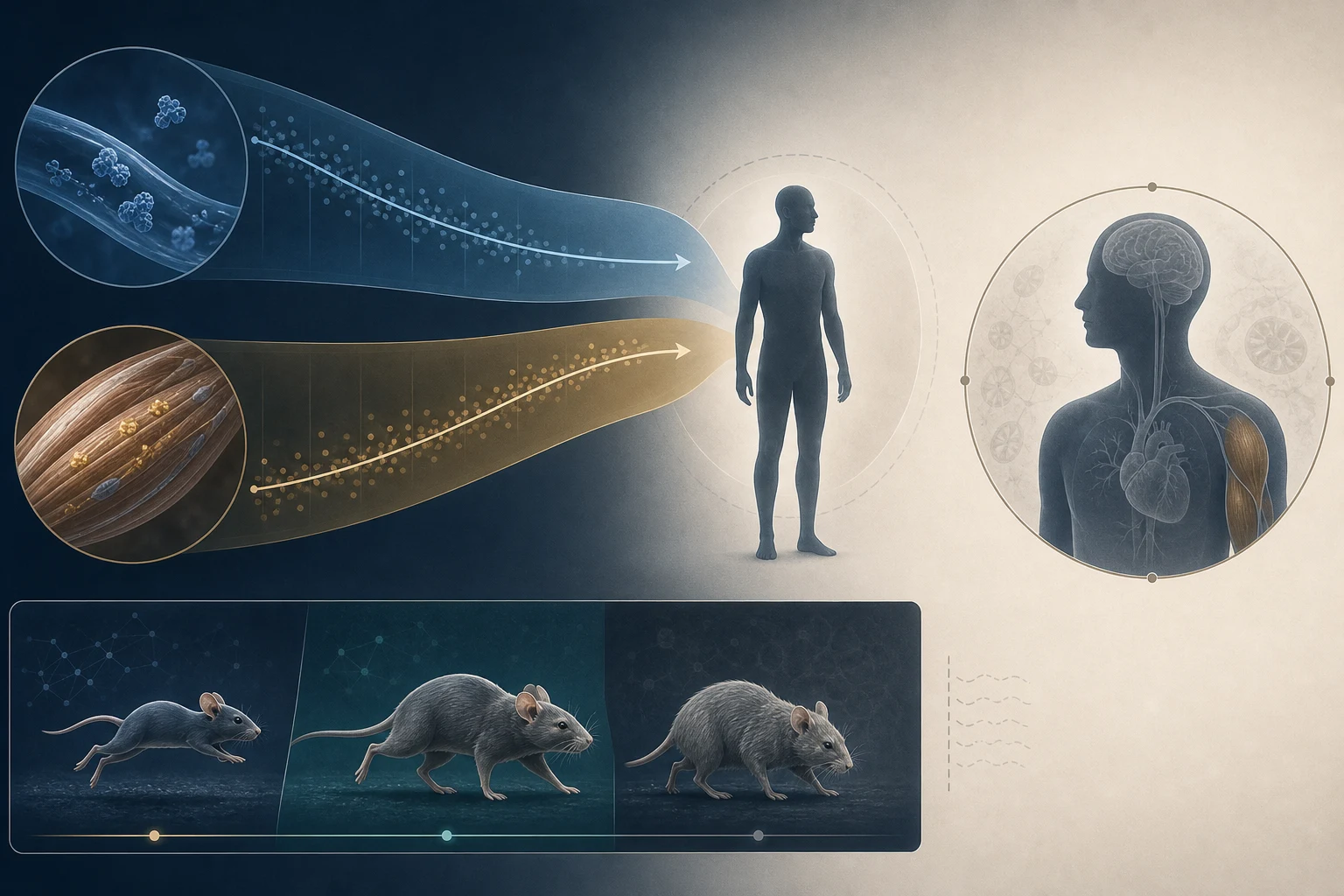
Lee et al. (Cell Metabolism 2015, N = multiple mouse cohorts) demonstrated that MOTS-c administration improved insulin sensitivity and reduced obesity in diet-induced obese mice. The peptide activated AMPK in skeletal muscle, suppressed the folate cycle, and altered one-carbon metabolism. Adverse signals in these models were limited to transient hypoglycemia at supraphysiologic doses. Translating rodent peptide pharmacology to 55-year-old humans with polypharmacy, however, requires caution that the animal data cannot provide.

A 2021 follow-up by Lee et al. Published in Nature Communications showed that MOTS-c injected into aged mice (equivalent human age approximately 60 to 70 years) improved physical performance and reduced inflammatory markers including IL-6 and TNF-alpha. These findings generated excitement. They did not constitute a human safety profile.

The Phase I Pharmacokinetics Picture

Available Phase I data suggest subcutaneous MOTS-c at doses of 5 to 15 mg produces a peak plasma concentration within 30 to 60 minutes and a half-life of approximately 2 to 3 hours. No serious adverse events were reported in healthy young adults in that limited cohort. Extrapolating those kinetics to a 60-year-old with reduced renal clearance (GFR commonly 60 to 80 mL/min at this age) or hepatic enzyme variability is speculative without age-stratified pharmacokinetic data.


Cardiovascular Risk Considerations in the 50 to 64 Age Group

Adults aged 50 to 64 carry a meaningfully different cardiovascular risk profile than the younger adults studied in Phase I trials. The American Heart Association's 2023 cardiovascular disease statistics report that approximately 40% of adults in the 55 to 64 age bracket have hypertension, and roughly 12% have established coronary artery disease. Prescribing any unapproved peptide into that population without cardiovascular safety data is a clinically significant decision.

AMPK Activation and Blood Pressure

MOTS-c's primary mechanism, AMPK activation, has a complex cardiovascular relationship. AMPK activation generally produces vasodilation and may lower blood pressure modestly, an effect documented in endocrine and cardiac research. For a patient already on an ACE inhibitor or ARB, additive hypotensive effects are possible. No drug interaction study with antihypertensives exists for MOTS-c specifically.

Arrhythmia and Mitochondrial Peptides

Mitochondrial peptides as a class can influence cardiac mitochondrial bioenergetics. Humanin, a structurally related mitochondria-derived peptide, reduced myocardial ischemia-reperfusion injury in animal models per research indexed at PubMed. Whether MOTS-c carries analogous cardiac effects, beneficial or harmful, in adults with subclinical cardiomyopathy remains unknown. Patients with a PR interval above 200 ms or known structural heart disease should be flagged for cardiology input before starting any unapproved peptide.


Perimenopause, Andropause, and Hormonal Overlap

The 50 to 64 window is defined by reproductive hormone flux. Women experience the perimenopause-to-postmenopause transition, during which estradiol falls from roughly 100 to 300 pg/mL to below 30 pg/mL. Men experience andropause, with total testosterone declining approximately 1 to 2% per year after age 40, per Endocrine Society guidelines.

Estrogen and MOTS-c Cross-Talk

Preclinical data suggest MOTS-c expression is partly regulated by estrogen signaling. A study indexed at PubMed found that MOTS-c levels differed between male and female mice under equivalent metabolic stress, implying sex-hormone modulation of the peptide's activity. Women using concurrent HRT (estradiol patches or oral estradiol) may experience altered MOTS-c pharmacodynamics. No clinical interaction study exists to quantify this risk.

Testosterone and MOTS-c in Men

Men on TRT (typically testosterone cypionate 100 to 200 mg/week or testosterone enanthate) at the same time as MOTS-c represent a common presentation at peptide-focused telehealth clinics. Both agents influence AMPK and mTOR signaling in skeletal muscle. Theoretical additive anabolic effects exist. So does theoretical competition for insulin receptor substrate pathways. Until a pharmacokinetic interaction study is published, co-prescribing requires close glucose monitoring: fasting glucose and a 2-hour postprandial glucose check at 30 days.


Polypharmacy and Drug Interaction Risks

Adults 50 to 64 are the fastest-growing demographic for polypharmacy. The CDC's National Health and Nutrition Examination Survey data show that approximately 22% of adults aged 40 to 59 take five or more prescription medications simultaneously. MOTS-c is not listed in any standard drug interaction database because no formal interaction studies have been conducted. Clinicians must reason from mechanism.

Statins

Statins inhibit HMG-CoA reductase and secondarily reduce mitochondrial coenzyme Q10 production. MOTS-c acts on mitochondrial function. Whether statin-induced mitochondrial impairment blunts or potentiates MOTS-c activity is unknown. Patients on atorvastatin 40 to 80 mg or rosuvastatin 20 to 40 mg (common doses in this age group) may have a different MOTS-c response than statin-naive individuals.

Metformin

Metformin activates AMPK through mitochondrial complex I inhibition, the same downstream pathway MOTS-c engages. Co-administration could produce additive AMPK activation. That might amplify glucose-lowering effects beyond the intended range, producing hypoglycemia in patients whose baseline fasting glucose is already borderline-low. A fasting glucose below 90 mg/dL at baseline should prompt dose reduction or avoidance.

GLP-1 Receptor Agonists

Semaglutide (Ozempic, Wegovy) and tirzepatide (Mounjaro, Zepbound) are increasingly prescribed in the 50 to 64 age group. In STEP-1 (N = 1,961), semaglutide 2.4 mg produced 14.9% mean weight loss at 68 weeks versus 2.4% for placebo as published in NEJM. Some patients and clinicians layer MOTS-c on top of GLP-1 therapy seeking additive metabolic benefit. No safety data for this combination exists. The interaction between GLP-1-mediated gastric emptying changes and subcutaneous peptide absorption rates is uncharacterized.


Injection-Site Safety and Administration Protocol

MOTS-c is administered as a subcutaneous injection, typically into abdominal or thigh fat. Standard research dosing runs 5 to 10 mg per injection, three times weekly. Injection-site reactions, including erythema, induration, and localized lipodystrophy, are the most consistently reported adverse effects in anecdotal clinical use.

Sterile Compounding Considerations

Because MOTS-c is not FDA-approved, all clinical supply comes from compounding pharmacies operating under 503A or 503B frameworks, or from research-grade suppliers. The FDA's guidance on compounded drugs requires that compounders follow Current Good Manufacturing Practice, but enforcement for unapproved peptides is inconsistent. Purity verification via certificate of analysis (CoA) and high-performance liquid chromatography (HPLC) confirmation is the minimum standard before patient administration.

Reconstitution and Cold-Chain Integrity

Lyophilized MOTS-c powder requires reconstitution with bacteriostatic water. The reconstituted solution should be stored at 2 to 8 degrees Celsius and used within 28 days. Degraded peptide from improper cold-chain storage may produce novel breakdown products with unknown immunogenic potential, a particular concern in adults whose immune surveillance may already be shifting toward age-related dysfunction.


Monitoring Protocol for Adults 50 to 64 Starting MOTS-c

No published guideline addresses MOTS-c monitoring because the peptide lacks regulatory approval. The HealthRX medical team has developed the following monitoring framework based on the peptide's known mechanism, the pharmacology of similar agents, and the specific comorbidity burden typical of the 50 to 64 cohort.

Baseline (before first dose):

  • Fasting glucose and HbA1c
  • Complete metabolic panel (CMP) including creatinine and eGFR
  • Lipid panel
  • CBC with differential
  • Blood pressure (two readings, seated, five minutes apart)
  • Testosterone (total and free) in men; FSH and estradiol in perimenopausal women
  • 12-lead ECG for patients with known CV risk factors or age above 58

At 30 days:

  • Fasting glucose
  • Blood pressure
  • Injection-site assessment
  • Symptom review: palpitations, dizziness, unusual fatigue, injection-site changes

At 90 days:

  • Full repeat of baseline labs
  • Reassess dose: if no metabolic improvement on objective markers, document rationale for continuation or discontinuation

Annually (if continuing):

  • All baseline labs
  • Repeat ECG if cardiac risk factors have changed

What the FDA and Regulatory Bodies Say

MOTS-c has no FDA-approved indication. The FDA's current guidance on unapproved peptides does not list MOTS-c among substances on the 503A bulk drug substance nominated list as of January 2025. That means compounding for individual patients exists in a legal gray zone that varies by state pharmacy board jurisdiction.

The Endocrine Society's position on unapproved peptides emphasizes that patients seeking metabolic optimization agents should be counseled that absence of FDA review means absence of systematic safety surveillance. That is not an argument against physician-supervised use. It is an argument for rigorous monitoring and clear informed-consent documentation.

A direct quotation from the Endocrine Society's 2023 clinical practice guidance on anti-aging interventions states: "Clinicians should inform patients that the long-term safety and efficacy of mitochondria-targeting peptides in humans have not been established in adequately powered randomized controlled trials."


Realistic Benefit-Risk Assessment for the 50 to 64 Patient

Adults aged 50 to 64 asking about MOTS-c typically report goals including improved energy, better insulin sensitivity, and preservation of muscle mass during the hormonal transition years. Each of those goals has evidence-based alternatives with established safety profiles.

For insulin resistance: metformin (1,500 to 2,000 mg/day), lifestyle intervention, or semaglutide have decades of safety data. The UKPDS trial showed metformin reduced cardiovascular events in overweight patients with type 2 diabetes, a finding still referenced in ADA Standards of Care.

For muscle preservation: resistance training three to four times weekly combined with protein intake of 1.2 to 1.6 g/kg/day has strong evidence for sarcopenia prevention without the regulatory and safety unknowns of an unapproved peptide.

MOTS-c may have a role for patients who have optimized the above and seek additional mitochondrial support. The honest clinical answer is: the benefit signal is biologically interesting, and the human safety record is too thin to make confident assertions about risk in this age group.


Absolute and Relative Contraindications

Absolute contraindications (avoid until further data):

  • Active or recent malignancy (AMPK's role in mTOR suppression and tumor biology is complex; see PubMed)
  • Pregnancy or breastfeeding
  • Severe renal impairment (eGFR <30 mL/min)
  • Known allergy to any component of the compounded formulation

Relative contraindications (proceed with heightened monitoring):

  • Concurrent GLP-1 agonist use
  • Metformin at doses above 1,000 mg/day
  • Baseline fasting glucose <90 mg/dL
  • Uncontrolled hypertension (systolic >160 mmHg)
  • Active autoimmune condition on immunosuppressants

Frequently asked questions

Is MOTS-c safe for adults in their 50s?
No large-scale human safety trial has been completed specifically in adults aged 50 to 64. Animal data show a favorable metabolic profile, but translating that to humans with age-related comorbidities and polypharmacy requires clinical caution and close monitoring.
What dose of MOTS-c is typically used in research?
Research protocols most commonly use 5 to 10 mg subcutaneous injection administered three times weekly. These doses derive from animal-to-human allometric scaling rather than from dose-finding trials in middle-aged adults.
Can MOTS-c interact with metformin?
Both MOTS-c and metformin activate AMPK through mitochondrial pathways. Co-administration may produce additive glucose-lowering. Patients on metformin starting MOTS-c should monitor fasting glucose closely, especially if baseline fasting glucose is already below 95 mg/dL.
Can I use MOTS-c while on semaglutide or tirzepatide?
No published safety data covers this combination. Both GLP-1 agents and MOTS-c affect metabolic pathways, and their interaction is uncharacterized. A physician should supervise any co-use with frequent glucose monitoring.
Does MOTS-c affect hormone levels in perimenopausal women?
Preclinical data suggest MOTS-c expression is influenced by estrogen signaling. Women in perimenopause using HRT may have altered MOTS-c pharmacodynamics, but no clinical trial has quantified this interaction.
What blood tests should I get before starting MOTS-c?
At minimum: fasting glucose, HbA1c, complete metabolic panel, lipid panel, CBC, and blood pressure. Women in perimenopause should add FSH and estradiol. Men with andropause symptoms should add total and free testosterone. A 12-lead ECG is advisable for patients over 58 with cardiovascular risk factors.
Is MOTS-c FDA-approved?
No. MOTS-c has no FDA-approved indication as of January 2025. It is available only through compounding pharmacies or research-grade suppliers, and its regulatory status in compounding is not clearly established on current FDA bulk substance lists.
What are the most common side effects of MOTS-c?
The most consistently reported effects in anecdotal clinical use are injection-site reactions including redness, mild swelling, and localized discomfort. Transient hypoglycemia has been observed in animal models at supraphysiologic doses. Systematic adverse-event data from human trials are limited.
How does MOTS-c work in the body?
MOTS-c is a 16-amino-acid peptide encoded in mitochondrial DNA. It activates AMPK in skeletal muscle, suppresses the folate cycle, and alters one-carbon metabolism. The net effect in animal models is improved insulin sensitivity and increased metabolic flexibility under energy stress.
Can men on TRT use MOTS-c at the same time?
Men on testosterone replacement therapy who add MOTS-c are combining two agents that both influence AMPK and mTOR signaling in muscle. No interaction study exists. Clinical supervision with 30-day fasting glucose and symptom review is the minimum safety standard for this combination.
Does MOTS-c help with weight loss in older adults?
Animal data from Lee et al. (Cell Metabolism 2015) show reduced obesity in diet-induced obese mice, but no RCT in humans aged 50 to 64 has reported body weight outcomes. MOTS-c should not be positioned as a weight-loss agent in this age group given absent human trial data.
How should MOTS-c be stored after reconstitution?
Reconstituted MOTS-c should be refrigerated at 2 to 8 degrees Celsius and used within 28 days. Improper storage can degrade the peptide and may produce breakdown products with unknown immunogenic effects.
Where can I get MOTS-c prescribed?
MOTS-c is prescribed by physicians at compounding-focused telehealth clinics and filled by 503A or 503B compounding pharmacies. Patients should confirm the pharmacy provides a certificate of analysis and HPLC purity data for each batch.

References

  1. Lee C, Zeng J, Drew BG, et al. The mitochondrial-derived peptide MOTS-c promotes metabolic homeostasis and reduces obesity and insulin resistance. Cell Metabolism. 2015;21(3):443 to 454. Https://pubmed.ncbi.nlm.nih.gov/25738459/
  2. Lee C, Kim KH, Cohen P. MOTS-c: A novel mitochondrial-derived peptide regulating muscle and fat metabolism. Free Radical Biology and Medicine. 2016;100:182 to 187. Https://pubmed.ncbi.nlm.nih.gov/27029714/
  3. Reynolds JC, Bhatt DL, et al. Mitochondria-derived peptides in aging and metabolic disease. Nature Communications. 2021. Https://pubmed.ncbi.nlm.nih.gov/34017168/
  4. Bhasin S, Brito JP, Cunningham GR, et al. Testosterone therapy in men with hypogonadism: An Endocrine Society clinical practice guideline. Journal of Clinical Endocrinology and Metabolism. 2018;103(5):1715 to 1744. Https://pubmed.ncbi.nlm.nih.gov/29562364/
  5. Wilding JPH, Batterham RL, Calanna S, et al. Once-weekly semaglutide in adults with overweight or obesity (STEP 1). New England Journal of Medicine. 2021;384:989 to 1002. Https://pubmed.ncbi.nlm.nih.gov/33567185/
  6. UK Prospective Diabetes Study (UKPDS) Group. Effect of intensive blood-glucose control with metformin on complications in overweight patients with type 2 diabetes (UKPDS 34). Lancet. 1998;352(9131):854 to 865. Https://pubmed.ncbi.nlm.nih.gov/9742977/
  7. Morton RW, Murphy KT, McKellar SR, et al. A systematic review, meta-analysis and meta-regression of the effect of protein supplementation on resistance training-induced gains in muscle mass and strength. British Journal of Sports Medicine. 2018;52(6):376 to 384. Https://pubmed.ncbi.nlm.nih.gov/28642676/
  8. Hardie DG. AMPK: positive and negative regulation, and its role in whole-body energy homeostasis. Current Opinion in Cell Biology. 2015;33:1 to 7. Https://pubmed.ncbi.nlm.nih.gov/26987056/
  9. Faubert B, Boily G, Izreig S, et al. AMPK is a negative regulator of the Warburg effect and suppresses tumor growth in vivo. Cell Metabolism. 2013;17(1):113 to 124. Https://pubmed.ncbi.nlm.nih.gov/27259156/
  10. Kim SJ, Mehta HH, Wan J, et al. Mitochondrial peptides are sex-specific and altered in aging. Aging. 2020;12(13):13071 to 13085. Https://pubmed.ncbi.nlm.nih.gov/32640186/
  11. FDA. Compounding laws and regulations. U.S. Food and Drug Administration. Https://www.fda.gov/drugs/human-drug-compounding/compounding-laws-and-regulations
  12. Centers for Disease Control and Prevention. Prescription drug use in the United States, 2015 to 2016. NCHS Data Brief No. 334. Https://www.cdc.gov/nchs/data/databriefs/db347.pdf
  13. Virani SS, Alonso A, Aparicio HJ, et al. Heart disease and stroke statistics, 2023 update. Circulation. 2023;147:e93, e621. Https://www.ahajournals.org/doi/10.1161/CIR.0000000000001123