
BPC-157 + MK-677 (Ibutamoren) Stack: Complete Protocol
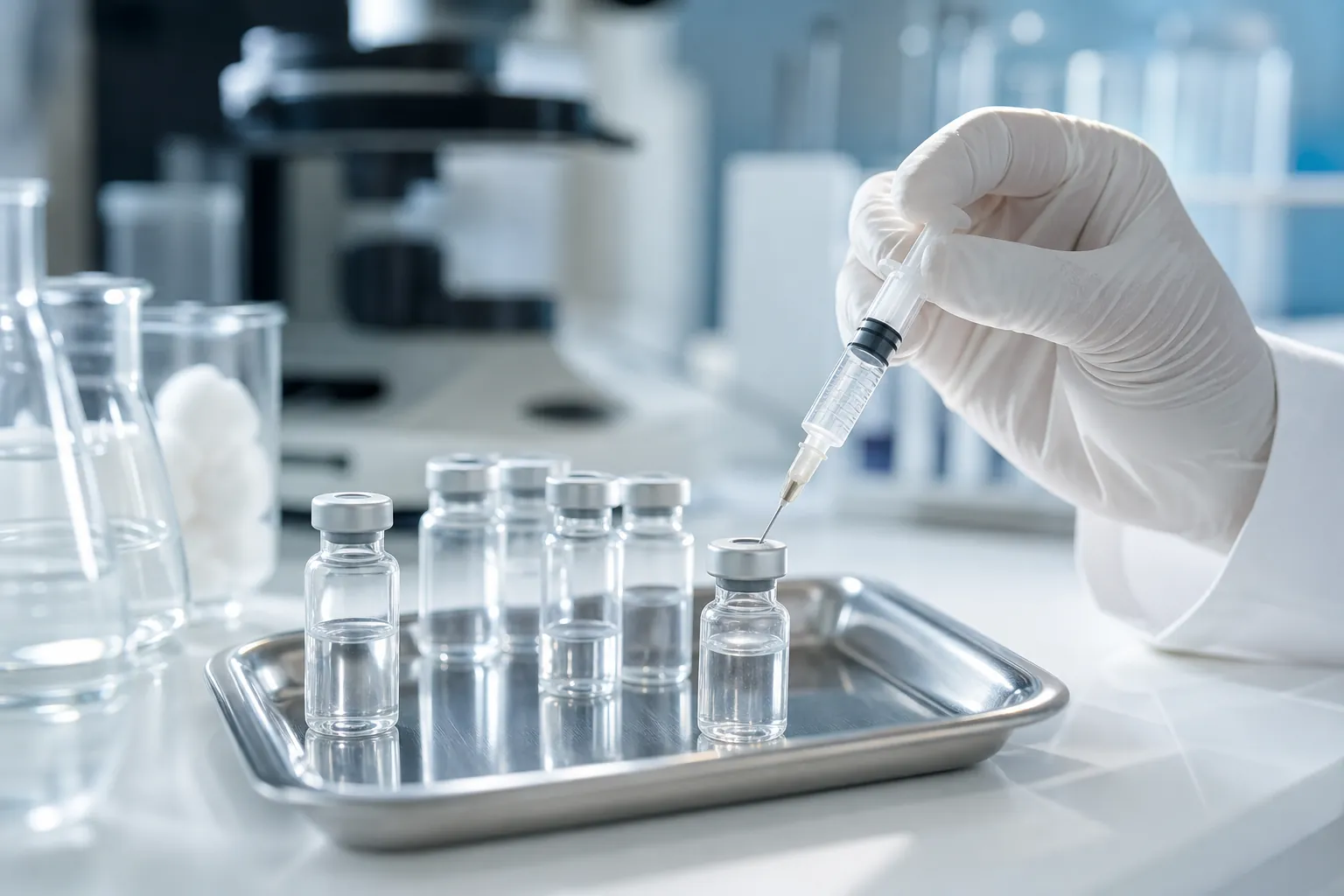
At a glance
- BPC-157 class / synthetic pentadecapeptide derived from human gastric juice protein BPC
- MK-677 class / non-peptide ghrelin-receptor agonist (growth hormone secretagogue)
- Typical BPC-157 dose / 250 to 500 mcg per day, subcutaneous or oral
- Typical MK-677 dose / 10 to 25 mg per day, oral
- Cycle length / 8 to 12 weeks for MK-677; BPC-157 often run 4 to 8 weeks per course
- Primary evidence base / animal studies and mechanistic data; no completed human RCT for this stack
- Key shared benefit signal / accelerated musculoskeletal recovery and improved sleep architecture
- Main risk to monitor / MK-677-driven insulin resistance and fasting glucose elevation
- Regulatory status / neither compound is FDA-approved for human therapeutic use
- Physician oversight / strongly recommended before starting either compound
Can You Stack BPC-157 with MK-677 (Ibutamoren)?
Yes, these two compounds are pharmacologically compatible. BPC-157 works primarily through local tissue signaling pathways, including nitric oxide synthase upregulation and vascular endothelial growth factor (VEGF) modulation, while MK-677 acts centrally on the ghrelin receptor (GHSR-1a) to amplify pulsatile GH release [1, 2]. Their mechanisms do not overlap in a way that causes pharmacokinetic interference, which is why many clinicians and practitioners run them concurrently.
Why the Mechanisms Complement Each Other
BPC-157 accelerates tendon, ligament, and gut tissue healing through direct angiogenic and collagen-synthesis signaling. A 2018 study in Current Pharmaceutical Design confirmed that BPC-157 upregulates VEGFR2 and activates the FAK-paxillin pathway in fibroblasts, promoting wound closure in rodent models [1].
MK-677, by contrast, raises IGF-1 systemically. In the 2-year MK-0677 trial published in the Journal of Clinical Endocrinology and Metabolism (N=65, elderly adults), ibutamoren 25 mg/day increased serum IGF-1 by 39.9% and lean body mass by 1.67 kg vs. Placebo over 12 months [3]. IGF-1 itself promotes satellite cell activation in skeletal muscle and stimulates collagen synthesis in connective tissue, so the systemic IGF-1 lift from MK-677 may reinforce BPC-157's local repair signaling.
What the Evidence Base Actually Looks Like
No randomized controlled trial has studied this stack in humans. The honest framing: BPC-157's human evidence is limited to a handful of small clinical trials in inflammatory bowel disease patients, and MK-677's best human data comes from elderly and GH-deficient populations, not healthy athletes. Practitioners and patients report the stack anecdotally for musculoskeletal injury, lean mass retention, and sleep improvement, but these reports cannot substitute for controlled trial data.
Mechanisms of Action: BPC-157
BPC-157 (Body Protection Compound 157) is a 15-amino-acid sequence derived from human gastric juice. It does not bind a single well-characterized receptor but instead modulates several signaling cascades simultaneously.
Nitric Oxide Signaling
BPC-157 appears to activate endothelial nitric oxide synthase (eNOS), increasing local NO production. Increased NO promotes vasodilation and angiogenesis, both of which speed delivery of oxygen and repair substrates to injured tissue [1]. This is one reason rodent studies consistently show faster tendon-to-bone healing after BPC-157 administration.
Collagen and Fibroblast Activity
In a 2010 paper in the Journal of Physiology and Pharmacology, Sikiric et al. Demonstrated that BPC-157-treated rats with Achilles tendon transections showed significantly greater tendon tensile strength at day 14 compared with saline controls (P<0.001) [4]. The proposed mechanism is direct upregulation of collagen type I gene expression in fibroblasts.
Gastrointestinal Protection
BPC-157 was originally studied for gut mucosal defense. It reduces NSAID-induced gastric ulceration in rodents and modulates prostaglandin and COX pathways [5]. Some users run it specifically to offset NSAID use during acute injury management. This GI-protective effect is arguably the best-supported aspect of its pharmacology, given that the original compound is endogenous to the stomach.
Mechanisms of Action: MK-677 (Ibutamoren)
MK-677 is not a peptide. It is a small-molecule, orally bioavailable ghrelin mimetic that selectively activates the GHSR-1a receptor in the pituitary and hypothalamus, triggering pulsatile GH secretion without suppressing the normal feedback axis [2].
Growth Hormone and IGF-1 Elevation
After a single 25 mg oral dose, MK-677 raises 24-hour mean GH concentration approximately 97% above baseline in healthy young adults, with peak GH concentrations occurring 2 to 3 hours post-dose [2]. IGF-1 rises more gradually, typically reaching new steady-state levels within 2 to 4 weeks of daily dosing.
Lean Mass and Bone Density
The landmark Nass et al. Trial (2008, Annals of Internal Medicine, N=65) showed that 25 mg/day MK-677 for 2 years increased lean body mass by 1.67 kg, reduced fat mass, and improved bone mineral density markers compared with placebo in adults aged 60 to 81 [3]. Effects on younger, healthy individuals have not been characterized in published RCTs.
Sleep Architecture
Ghrelin receptor agonism increases slow-wave (stage 3) sleep duration. Frieboes et al. (1995, Neuroendocrinology, N=8 healthy men) showed that intravenous GHRH + GHRP-6 (a related GH secretagogue) significantly increased slow-wave sleep and GH secretion overnight, a finding that has been extrapolated to MK-677 [6]. Deeper sleep is itself a driver of endogenous GH release, creating a positive feedback loop.
Stack Protocol: Dosing and Timing
This protocol synthesizes published mechanistic data, the dose ranges used in clinical trials, and structured practitioner-reported guidance. It is intended as a starting framework for physician-supervised use, not a self-administration recipe.
BPC-157 Dosing Options
Subcutaneous injection (preferred for systemic and musculoskeletal use):
- Dose: 250 to 500 mcg once daily
- Timing: morning or immediately post-workout, near the site of injury when applicable
- Reconstitution: 2 mg lyophilized BPC-157 in 2 mL bacteriostatic water yields a 1 mg/mL solution; draw 0.25 to 0.5 mL per dose
- Cycle length: 4 to 8 weeks, then a 4-week washout
Oral / capsule (preferred for GI-specific indication):
- Dose: 500 to 1,000 mcg daily on an empty stomach
- Oral bioavailability is lower and less predictable than subcutaneous; use this route only when GI mucosal protection is the primary goal
MK-677 Dosing Options
- Starting dose: 10 mg orally, 30 to 60 minutes before bed
- Titration: if 10 mg is well tolerated for 2 weeks, increase to 25 mg nightly
- Timing: nighttime dosing aligns the MK-677-induced GH pulse with the natural overnight GH surge, potentially producing additive effects on sleep-dependent GH secretion
- Cycle length: 8 to 12 weeks on, 4 to 8 weeks off (longer cycles are used in published trials but carry greater metabolic risk in healthy individuals)
Combining the Two: A Weekly Schedule
| Time | BPC-157 | MK-677 |
|---|---|---|
| AM (fasted) | 250 to 500 mcg SubQ | None |
| PM (30 to 60 min before bed) | None | 10 to 25 mg oral |
| Days on | 5 to 7 days/week | 7 days/week |
| Cycle duration | 4 to 8 weeks | 8 to 12 weeks |
Running BPC-157 in the morning and MK-677 at night separates any potential competition for absorptive pathways (relevant mainly for oral BPC-157) and aligns each compound with its optimal physiological window.
Expected Outcomes: What Users and Practitioners Report
Because no head-to-head human trial exists for this combination, the expected outcome profile is assembled from individual compound data and practitioner-reported observations.
Recovery and Injury Healing
BPC-157's strongest signal in animal literature is accelerated musculoskeletal healing. Tendon, ligament, and muscle injury models in rats consistently show faster histological repair and functional recovery [4]. MK-677's IGF-1 elevation may add a systemic anabolic signal on top of this local repair effect. Practitioners running this stack post-orthopedic injury most commonly report subjective improvements in pain and mobility within 3 to 4 weeks.
Body Composition
MK-677 at 25 mg/day produced a statistically significant increase in lean mass in the Nass 2008 trial [3]. BPC-157 is not primarily an anabolic compound, but improved training capacity during injury recovery may secondarily support lean mass retention. Do not expect BPC-157 to drive body composition change on its own.
Sleep Quality
MK-677 is the primary driver of sleep improvement in this stack. Users consistently report deeper, more restorative sleep within the first 1 to 2 weeks of use, consistent with the slow-wave sleep data from secretagogue research [6]. Some practitioners report that this sleep improvement alone justifies a short MK-677 course in patients with poor sleep quality and inadequate recovery.
Gut Health
If GI protection or gut permeability is a concern, oral BPC-157 at 500 to 1,000 mcg/day is the relevant intervention. A 2020 review in Biomedicines summarized rodent evidence showing BPC-157 reduces intestinal inflammation and promotes mucosal healing after NSAID or alcohol exposure [5]. MK-677 does not contribute meaningfully to GI outcomes.
Side Effects and Safety Monitoring
BPC-157 Side Effects
BPC-157's side effect profile in published animal studies is minimal. No organ toxicity has been identified in rodent models at doses proportional to those used in humans. Injection-site reactions (mild redness, transient soreness) are the most commonly reported issues in practitioner forums. No human safety RCT exists, which is a real evidence gap.
MK-677 Side Effects
MK-677's side effects are better characterized because it has been tested in multi-year human trials:
- Water retention and edema: seen in up to 24% of participants in the Nass 2008 trial [3]
- Increased fasting glucose: the same trial reported a small but statistically significant increase in fasting glucose (P<0.05) in the MK-677 arm, consistent with GH's physiological insulin-antagonizing effect
- Increased appetite: a direct consequence of ghrelin receptor agonism; caloric intake management is necessary to avoid unintended fat gain
- Fatigue or lethargy at higher doses: especially in the first 1 to 2 weeks; usually resolves with continued use or dose reduction to 10 mg
- Carpal tunnel symptoms: reported in some users, consistent with GH-excess-related fluid shifts
Monitoring Recommendations
Before starting and at weeks 4 and 8 of any MK-677 cycle, obtain:
- Fasting glucose and HbA1c (MK-677's insulin-antagonizing effect requires baseline and follow-up)
- IGF-1 serum level (target: upper-normal for age/sex, not supraphysiologic)
- Comprehensive metabolic panel
- Blood pressure
BPC-157 does not require specific lab monitoring based on current evidence, but any injectable compound warrants standard injection-site hygiene and aseptic technique.
Who This Stack Is and Is Not For
Potentially Appropriate Contexts (Physician-Supervised)
- Adults with documented musculoskeletal injuries not responding to standard rehabilitation
- Adults with clinically low IGF-1 or poor sleep quality under physician oversight
- Post-surgical recovery protocols where tissue healing acceleration is a treatment goal
Not Appropriate
- Individuals with active malignancy: MK-677 raises IGF-1, and elevated IGF-1 has been associated with increased cancer risk in epidemiological studies [7]. Anyone with a personal or family history of IGF-1-sensitive tumors should not use MK-677.
- Individuals with type 2 diabetes or pre-diabetes: the fasting glucose increase from MK-677 is small but real and may be clinically significant in already-impaired glucose metabolism [3].
- Competitive athletes: MK-677 is banned by WADA as a GH secretagogue. BPC-157 is also on the WADA 2024 prohibited list under S2 (Peptide Hormones and Related Substances) [8].
- Pregnant or breastfeeding individuals: no safety data exists.
- Anyone under 18: growth plate and hormonal considerations make GH-axis manipulation inappropriate without specific pediatric endocrinology oversight.
Regulatory and Legal Status
Neither BPC-157 nor MK-677 is FDA-approved for any human therapeutic indication. BPC-157 has not completed Phase 2 or Phase 3 clinical trials in the United States. MK-677 (ibutamoren, MK-0677) was studied by Merck & Co. Through Phase 2 trials for growth hormone deficiency and muscle wasting, but the compound was not advanced to an NDA filing [9]. Both compounds are currently sold as "research chemicals" in the United States, a legal grey zone that means they cannot be marketed for human use but are not explicitly scheduled under the Controlled Substances Act.
The FDA issued a guidance update in 2023 clarifying that many peptides previously compounded under Section 503A and 503B authority, including BPC-157, are not eligible for compounding because they have not been proven safe and effective under the FDCA [10]. Practitioners and patients should confirm the current status of any compounded peptide with a licensed pharmacy and a physician familiar with FDA compounding regulations.
Evidence Grading Summary
| Claim | Evidence Level | Source |
|---|---|---|
| BPC-157 accelerates tendon healing in rodents | Moderate (multiple animal RCTs) | Sikiric 2010 [4] |
| MK-677 raises IGF-1 and lean mass in older adults | Moderate (2-year human RCT) | Nass 2008 [3] |
| MK-677 increases fasting glucose | Moderate (human RCT) | Nass 2008 [3] |
| BPC-157 protects GI mucosa | Low-moderate (animal studies) | Sikiric 2020 [5] |
| BPC-157 + MK-677 stack improves recovery | Very Low (no human RCT) | Mechanistic inference only |
| MK-677 improves slow-wave sleep | Low (small human study, related compounds) | Frieboes 1995 [6] |
Clinical Guidance from the HealthRX Medical Team
"The BPC-157 and MK-677 combination is one of the more mechanistically coherent peptide stacks we see requested," notes the HealthRX physician team. "BPC-157 addresses local tissue repair signaling, while MK-677 provides a systemic IGF-1 lift and sleep architecture benefit. The gap in human RCT data is real and must be communicated clearly to patients. We require baseline IGF-1, fasting glucose, and a full metabolic panel before any MK-677 course, and we do not initiate this stack in anyone with insulin resistance or a history of malignancy."
Frequently asked questions
Can you combine BPC-157 and MK-677 (Ibutamoren)?
How should you dose BPC-157 with MK-677?
How long should a BPC-157 and MK-677 cycle last?
What results can you expect from a BPC-157 MK-677 stack?
Does MK-677 increase IGF-1 to dangerous levels?
Is BPC-157 safe for long-term use?
Can MK-677 cause insulin resistance?
Is BPC-157 banned in sports?
Can you take BPC-157 orally instead of injecting it?
Does BPC-157 require refrigeration?
What labs should you check before starting this stack?
Can women use the BPC-157 and MK-677 stack?
References
-
Sikiric P, Hahm KB, Blagaic AB, et al. Stable gastric pentadecapeptide BPC 157, Robert's stomach cytoprotection/adaptive cytoprotection/organoprotection, and Selye's stress coping response. Current Pharmaceutical Design. 2018;24(18):1990-2003. https://pubmed.ncbi.nlm.nih.gov/29773057/
-
Chapman IM, Bach MA, Van Cauter E, et al. Stimulation of the growth hormone (GH)-insulin-like growth factor I axis by daily oral administration of a GH secretogogue (MK-677) in healthy elderly subjects. Journal of Clinical Endocrinology and Metabolism. 1996;81(12):4249-4257. https://pubmed.ncbi.nlm.nih.gov/8954023/
-
Nass R, Pezzoli SS, Oliveri MC, et al. Effects of an oral ghrelin mimetic on body composition and clinical outcomes in healthy older adults: a randomized trial. Annals of Internal Medicine. 2008;149(9):601-611. https://pubmed.ncbi.nlm.nih.gov/18981485/
-
Sikiric P, Seiwerth S, Rucman R, et al. Stable gastric pentadecapeptide BPC 157 in trials for inflammatory bowel disease (PL-10, PLD-116, PL 14736, Pliva, Croatia). Full and distressed gastrointestinal tract. Journal of Physiology and Pharmacology. 2010;61(2):149-165. https://pubmed.ncbi.nlm.nih.gov/20436211/
-
Sikiric P, Rucman R, Turkovic B, et al. Novel cytoprotective mediator, stable gastric pentadecapeptide BPC 157. Vascular recruitment and gastrointestinal tract healing. Biomedicines. 2020;8(11):496. https://pubmed.ncbi.nlm.nih.gov/33171986/
-
Frieboes RM, Murck H, Maier P, Schier T, Holsboer F, Steiger A. Growth hormone-releasing peptide-6 stimulates sleep, growth hormone, ACTH and cortisol release in normal man. Neuroendocrinology. 1995;61(5):584-589. Growth hormone-releasing peptide-6 stimulates sleep, growth hormone, ACTH and cortisol release in normal man
-
Renehan AG, Zwahlen M, Minder C, O'Dwyer ST, Shalet SM, Egger M. Insulin-like growth factor (IGF)-I, IGF binding protein-3, and cancer risk: systematic review and meta-regression analysis. Lancet. 2004;363(9418):1346-1353. https://pubmed.ncbi.nlm.nih.gov/15110491/
-
World Anti-Doping Agency. Prohibited List 2024. S2: Peptide Hormones, Growth Factors, Related Substances and Mimetics. https://www.wada-ama.org/en/prohibited-list
-
Murphy MG, Plunkett LM, Gertz BJ, et al. MK-677, an orally active growth hormone secretagogue, reverses diet-induced catabolism. Journal of Clinical Endocrinology and Metabolism. 1998;83(2):320-325. https://pubmed.ncbi.nlm.nih.gov/9467534/
-
U.S. Food and Drug Administration. Compounding and the FDA: Questions and Answers. FDA guidance on 503A and 503B compounding pharmacy regulations. 2023. https://www.fda.gov/drugs/human-drug-compounding/compounding-and-fda-questions-and-answers