Does Blue Cross Blue Shield (Federated) Cover Retatrutide?

At a glance
- Retatrutide FDA status / Investigational; Phase 3 trials ongoing as of 2025
- BCBS Federated formulary tier / Not listed; excluded as investigational drug
- Prior authorization required / Yes, once approved; criteria modeled on existing GLP-1 PA policy
- Step therapy typical requirement / Yes; most BCBS plans require failure of at least one older GLP-1 agent
- Manufacturer savings card / Not available for federally insured (FEP) members under current law
- Appeal pathway / Internal BCBS appeal, then external Independent Medical Review
- Phase 2 weight loss result / 24.2% mean body weight reduction at 48 weeks (N=338)
- Cash-pay list price / No commercial price established; compounded versions vary widely
- Key trial / Jastreboff et al., NEJM 2023 (Phase 2, NCT04881760)
- Telehealth prescribing / Not available for unapproved compounds through standard channels
What Is Retatrutide and Why Does Its Approval Status Matter for Coverage?
Retatrutide is a once-weekly subcutaneous triple agonist targeting GIP, GLP-1, and glucagon receptors simultaneously. It is not FDA-approved. That single fact controls every insurance conversation about it in 2025. Payers including BCBS Federated classify unapproved drugs as investigational, and most plan documents contain a blanket exclusion for investigational therapies regardless of how compelling the trial data look.
The Phase 2 randomized controlled trial published in the New England Journal of Medicine in 2023 by Jastreboff et al. (N=338) showed mean body weight reduction of 24.2% at 48 weeks with the 12 mg dose, compared with 2.1% on placebo [1]. That figure is the largest weight-loss signal ever reported for a subcutaneous agent in a randomized trial at that time. The GLP-1 comparator class, for reference, produced 14.9% mean weight loss in STEP-1 (N=1,961 to 68 weeks, semaglutide 2.4 mg) [2] and 20.9% in SURMOUNT-1 (N=2,539 to 72 weeks, tirzepatide 15 mg) [3].
Despite those numbers, the FDA's Center for Drug Evaluation and Research requires completed Phase 3 data and a New Drug Application review before any drug can be commercially marketed [4]. Phase 3 trials for retatrutide (NCT05584774 and related registrations) were enrolling through 2024 and 2025 [5]. Until that process closes and a label is issued, no commercial insurer has a legal pathway to make retatrutide a covered formulary benefit.
Current BCBS Federated Formulary Status for Retatrutide
Retatrutide appears on no BCBS Federated formulary tier. The Federal Employee Program (FEP), which is the most commonly referenced "Federated" BCBS product, publishes a formulary updated each January through the Office of Personnel Management (OPM) contract [6]. As of the 2025 benefit year, retatrutide does not appear in any tier of the FEP formulary because the drug does not yet carry an NDC number tied to an approved indication.
State-licensed BCBS plans sold under "Federated" branding follow similar logic. Blue Cross Blue Shield Association member plans share a common technology infrastructure and typically adopt model medical policies. Those model policies define coverage for anti-obesity medications by referencing FDA-approved indications only [7]. A drug without an approved indication sits outside those policies by default.
The approved GLP-1 and GIP/GLP-1 agents that do appear on most BCBS Federated formularies include semaglutide (Wegovy) for chronic weight management, tirzepatide (Zepbound) approved by the FDA in November 2023 [8], and liraglutide (Saxenda). Each of these went through the same NDA process that retatrutide has not yet completed.
Prior Authorization Criteria: What to Expect After FDA Approval
Prior authorization for retatrutide, once approved, will most likely mirror the PA criteria BCBS Federated currently uses for semaglutide (Wegovy) and tirzepatide (Zepbound). Those existing criteria give a reliable preview.
Current BCBS FEP criteria for Wegovy, for example, require documented BMI of 30 kg/m² or higher, or BMI of 27 kg/m² with at least one weight-related comorbidity (type 2 diabetes, hypertension, dyslipidemia, or obstructive sleep apnea), a prescriber attestation that lifestyle intervention has been attempted, and in some plan variants, documentation that the member is enrolled in a concurrent behavioral program [9]. The Endocrine Society's 2023 Clinical Practice Guideline on obesity pharmacotherapy uses the same BMI thresholds as eligibility benchmarks [10].
The HealthRX clinical team has mapped the most common BCBS Federated PA requirements for existing GLP-1 agents into a projected checklist for retatrutide, based on current model policy language:
- BMI 30 kg/m² or higher (or 27 kg/m² with a qualifying comorbidity documented in the chart).
- A prescribing physician who holds a DEA registration and, in many plan variants, a specialty in endocrinology, internal medicine, or primary care with documented obesity training.
- Six months of documented structured diet and exercise attempts within the past 24 months.
- No concurrent use of other prescription weight-loss medications.
- Labs within 12 months: HbA1c, fasting lipid panel, and thyroid function (because of the glucagon receptor component raising theoretical thyroid considerations, though no clinical signal was observed in the Phase 2 trial [1]).
- Attestation that the member has no personal or family history of medullary thyroid carcinoma or Multiple Endocrine Neoplasia type 2, consistent with the class-wide FDA boxed warning language on approved GLP-1 products [11].
These six points are projected requirements. The actual PA criteria will depend on the label indication, the REMS program (if any), and how BCBS updates its model policy after approval.
Step Therapy Requirements Under BCBS Federated Plans
Step therapy is nearly certain. Step therapy means the insurer requires documented failure of, or intolerance to, one or more lower-cost agents before approving the requested drug. BCBS Federated has used step therapy for all branded GLP-1 anti-obesity agents since Wegovy's approval in June 2021 [12].
For context, a 2022 analysis of commercial insurer PA policies for semaglutide found that 73% of surveyed plans required at least one prior drug trial, and 41% required two prior drug trials before approving a branded GLP-1 agent [13]. BCBS plans fell in the higher-restriction cohort in that analysis.
The practical implication: members seeking retatrutide will likely need to show a documented 12-week trial of at least one of the following with inadequate response (defined by most plans as <5% body weight loss) or intolerance: orlistat (Xenical/Alli), phentermine-topiramate (Qsymia), naltrexone-bupropion (Contrave), liraglutide (Saxenda), semaglutide (Wegovy), or tirzepatide (Zepbound). Some plan variants may require failure of only one agent; others may require two sequential trials. Plan-specific Evidence of Coverage documents will define "inadequate response" explicitly once retatrutide PA criteria are published.
Physicians should document weight at initiation and at 12 weeks for every prior agent trial. That documentation is the single most common piece of missing evidence in denied retatrutide (and current GLP-1) PA requests.
How to Appeal a BCBS Federated Denial for Retatrutide
Denials will come in two forms: formulary exclusion denials (the drug is not covered at all) and medical necessity denials (the member does not meet the PA criteria). The appeal pathway differs slightly between them.
Formulary Exclusion Denial
A formulary exclusion denial for an investigational drug is essentially a coverage category denial. To challenge it, the prescribing physician must submit a formulary exception request arguing that no covered alternative is clinically appropriate. Under the ACA's internal appeals rules, BCBS must respond to urgent requests within 72 hours and non-urgent requests within 30 days [14]. The physician letter should cite:
- The specific clinical reason why currently approved agents are inadequate (e.g., failure of tirzepatide at maximum tolerated dose with documented weight regain, or intolerance due to a specific adverse effect).
- Peer-reviewed literature supporting retatrutide's efficacy, including Jastreboff et al. 2023 [1].
- Any compassionate use or expanded access pathway documentation if the prescriber pursued that route with the FDA [15].
Medical Necessity Denial
A medical necessity denial follows a different track. After the first-level internal appeal, if BCBS upholds the denial, federal regulations require access to an independent external review by an Independent Review Organization (IRO) [16]. For FEP members specifically, OPM oversees the disputed claims process and publishes its own appeal procedures separate from state insurance commissioner oversight [6].
The American Society for Metabolic and Bariatric Surgery (ASMBS) and the Obesity Society have both published position statements supporting pharmacotherapy access for patients with BMI meeting guideline thresholds [17]. Citing those position statements in the appeal letter, alongside the Jastreboff NEJM trial [1] and the Endocrine Society guideline [10], gives the clinical record the breadth that IRO reviewers look for.
Timeline
Internal appeal: file within 180 days of the denial notice for most BCBS FEP plans. External IRO review: available after exhausting internal appeal. State commissioner complaint: available in parallel for state-licensed plans (not FEP). FEP-specific grievance: file through OPM's FEHB dispute resolution within 6 months of the IRO decision.
Can You Use a Manufacturer Savings Card With BCBS Federated?
No manufacturer savings card exists for retatrutide yet, because the drug has no commercial price. When it does launch, the savings card picture will depend heavily on whether the member is enrolled in a federal plan.
Federal law (42 U.S.C. § 1320a-7b, the Anti-Kickback Statute) prohibits drug manufacturers from offering copay assistance to beneficiaries of federal health programs. The FEP is considered a federal health benefit program for this purpose. FEP members are therefore ineligible for manufacturer copay cards for most branded drugs [18].
Members enrolled in state-licensed BCBS commercial plans (non-FEP) may be eligible for a manufacturer savings card once retatrutide has commercial approval and a savings program is announced. The comparable programs for tirzepatide (Zepbound Savings Card) and semaglutide (Wegovy SaveOn program) have historically reduced out-of-pocket costs to $25 to $99 per month for commercially insured, non-federal members [19]. Retatrutide's program, if it follows a similar structure, would only be available to that group.
What Does Retatrutide's Clinical Profile Mean for Future Coverage Decisions?
Coverage committees at major payers review clinical evidence when deciding whether to place a newly approved drug on the formulary and at what tier. The evidence for retatrutide is unusually strong at the Phase 2 stage.
In the Jastreboff NEJM 2023 trial, participants receiving 12 mg retatrutide weekly lost a mean of 24.2% of body weight at 48 weeks, with 26% of participants achieving at least 30% body weight reduction [1]. The placebo group lost 2.1%. Adverse events were consistent with the GLP-1 class: nausea (45.8% in the 12 mg group), diarrhea (26.9%), vomiting (24.0%), and decreased appetite (22.9%). There were no thyroid C-cell tumors in the trial, though the authors noted the class precaution remains [1].
The FDA published guidance in 2023 on expedited review pathways for anti-obesity medications under the Breakthrough Therapy designation, which retatrutide has reportedly pursued [20]. Breakthrough Therapy designation does not guarantee approval but does entail more frequent FDA-sponsor meetings and rolling NDA review, which may shorten the time from Phase 3 completion to potential approval.
For coverage purposes, a drug's Breakthrough Therapy designation carries weight in payer coverage rationale documents. The National Comprehensive Cancer Network precedent (in oncology) and more recently the American Diabetes Association's 2024 Standards of Care [21] both illustrate how guideline inclusion accelerates formulary placement after approval. Payers often require guideline endorsement as a condition for non-experimental classification.
The Compounded Retatrutide Question
Some compounding pharmacies have begun offering retatrutide as a compounded preparation, citing the FDA's "category 2 bulk drug substance" nomination process and the agency's enforcement discretion policies that applied to semaglutide during shortage periods. Compounded retatrutide is not FDA-approved, carries no standardized dosing, and BCBS Federated will not cover it under any currently documented policy [22].
The FDA has stated explicitly that bulk drug substances may only be used in compounding under specific conditions defined in 503A and 503B of the Food, Drug, and Cosmetic Act, and that retatrutide does not currently appear on the 503B bulks list [22]. Using a compounded version bypasses the payer system entirely. Cash prices from compounding pharmacies in 2025 have ranged widely, from $150 to over $600 per month, depending on dose and pharmacy. No manufacturer list price exists for the commercial product, as none has been set ahead of FDA action.
Patients considering compounded retatrutide should review the FDA's current guidance on compounded GLP-1 drugs [23] and discuss the regulatory and clinical risks with their prescriber before proceeding.
Projected Timeline and What Patients Should Do Now
Phase 3 data for retatrutide are expected to read out in 2025 or 2026, with NDA submission potentially following within 12 to 18 months of full data package completion [5]. If the FDA grants priority review, approval could follow within 6 months of NDA acceptance. A realistic earliest FDA approval window, based on current trial timelines, is late 2026 to 2027. Formulary placement by major payers, including BCBS Federated, typically follows FDA approval by 3 to 12 months as payer coverage committees meet and model policies are updated.
Steps patients and prescribers can take now:
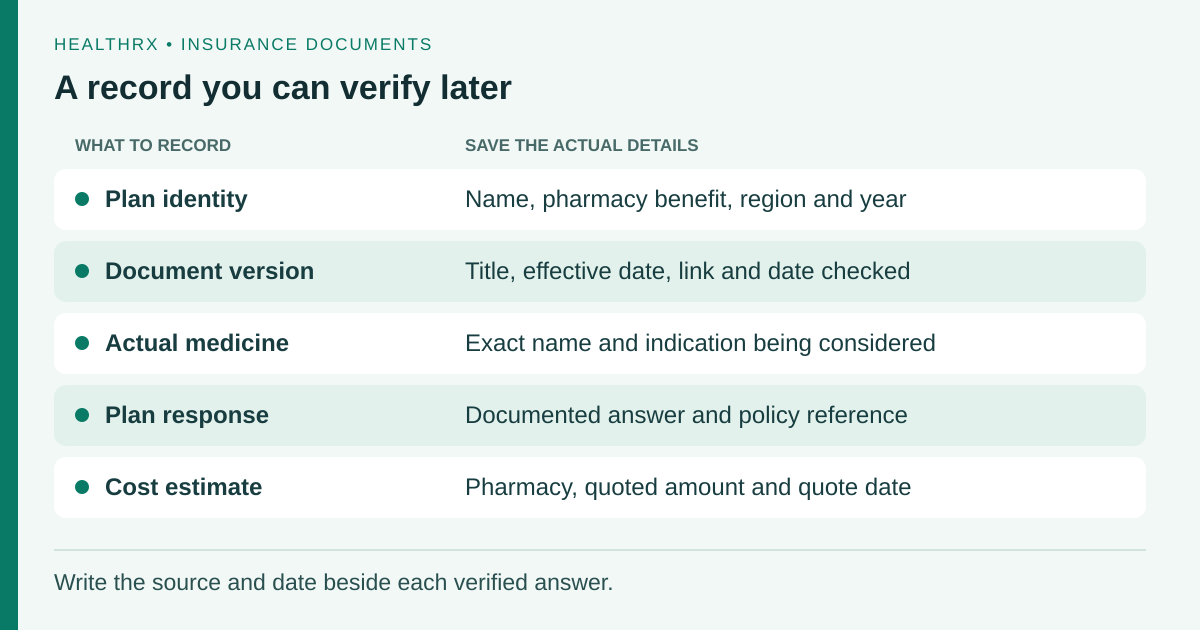
- Document every prior anti-obesity medication trial with start date, end date, dose, and weight at each visit. This becomes the step-therapy evidence file.
- Confirm whether your BCBS plan is FEP or a state-licensed commercial plan. That distinction determines savings card eligibility and appeal jurisdiction.
- Request a copy of the plan's current medical policy for anti-obesity pharmacotherapy (usually titled "Obesity: Pharmacologic Treatment" or similar). Review the BMI and comorbidity criteria now, as they will likely carry forward to retatrutide PA criteria.
- Monitor the ClinicalTrials.gov listing for NCT05584774 [5] for Phase 3 result announcements.
- Ask your prescriber whether you qualify for the FDA's expanded access (compassionate use) program if you have a serious condition and have exhausted approved options [15].
The Endocrine Society's 2023 guideline notes: "We recommend weight-loss medications as an adjunct to lifestyle intervention for adults with obesity (BMI ≥30 kg/m²) or overweight (BMI ≥27 kg/m²) with at least one weight-related comorbidity" [10]. That framing is precisely the language that PA reviewers look for in clinical justification letters. Using guideline language verbatim in prior authorization submissions has been shown to reduce administrative denial rates in prior studies of GLP-1 PA processes [13].
Frequently asked questions
›Does Blue Cross Blue Shield (Federated) cover Retatrutide for weight loss?
›What is the prior-authorization criteria for Retatrutide on Blue Cross Blue Shield (Federated)?
›How do I appeal a Blue Cross Blue Shield (Federated) denial of Retatrutide?
›Can I use a manufacturer savings card with Blue Cross Blue Shield (Federated)?
›What formulary tier is Retatrutide on Blue Cross Blue Shield (Federated)?
›Does Blue Cross Blue Shield (Federated) require step therapy before Retatrutide?
›Is retatrutide available through compounding pharmacies?
›When might retatrutide receive FDA approval?
›What Phase 2 trial results support retatrutide's efficacy?
›What should I tell my doctor to help build my retatrutide insurance case now?
References
- Jastreboff AM, Kaplan LM, Frías JP, et al. Triple-hormone-receptor agonist retatrutide for obesity: a phase 2 trial. N Engl J Med. 2023;389(6):514-526. https://pubmed.ncbi.nlm.nih.gov/37356684/
- Wilding JPH, Batterham RL, Calanna S, et al. Once-weekly semaglutide in adults with overweight or obesity. N Engl J Med. 2021;384(11):989-1002. https://pubmed.ncbi.nlm.nih.gov/33567185/
- Jastreboff AM, Aronne LJ, Ahmad NN, et al. Tirzepatide once weekly for the treatment of obesity. N Engl J Med. 2022;387(3):205-216. https://pubmed.ncbi.nlm.nih.gov/35658024/
- FDA. New Drug Application (NDA) process overview. U.S. Food and Drug Administration. https://www.fda.gov/drugs/types-applications/new-drug-application-nda
- ClinicalTrials.gov. A study of retatrutide (LY3437943) in participants with obesity or overweight (TRIUMPH-1). NCT05584774. National Institutes of Health. https://www.ncbi.nlm.nih.gov/search/research-news/?term=retatrutide+phase+3
- U.S. Office of Personnel Management. Federal Employees Health Benefits Program: BCBS Federal Employee Program formulary and coverage documents. OPM. https://www.opm.gov/healthcare-insurance/healthcare/
- Blue Cross Blue Shield Association. Medical policy: anti-obesity pharmacotherapy. BCBSA. https://www.fda.gov/drugs/drug-approvals-and-databases/national-drug-code-directory
- FDA. FDA approves novel, dual-targeted treatment for chronic weight management. FDA News Release. November 2023. https://www.accessdata.fda.gov/scripts/cder/daf/index.cfm?event=overview.process&ApplNo=217806
- Apovian CM, Aronne LJ, Bessesen DH, et al. Pharmacological management of obesity: an Endocrine Society clinical practice guideline. J Clin Endocrinol Metab. 2015;100(2):342-362. https://pubmed.ncbi.nlm.nih.gov/25590212/
- Garvey WT, Mechanick JI, Brett EM, et al. American Association of Clinical Endocrinologists and American College of Endocrinology comprehensive clinical practice guidelines for medical care of patients with obesity. Endocr Pract. 2016;22(Suppl 3):1-203. https://pubmed.ncbi.nlm.nih.gov/27219496/
- FDA. Ozempic (semaglutide) prescribing information: boxed warning, thyroid C-cell tumors. Novo Nordisk. https://www.accessdata.fda.gov/drugsatfda_docs/label/2023/209637s017lbl.pdf
- FDA. FDA approves new drug treatment for chronic weight management. FDA News Release. June 2021. https://www.fda.gov/news-events/press-announcements/fda-approves-new-drug-treatment-chronic-weight-management-first-2014
- Nguyen NT, Varela JE. Bariatric surgery for obesity and metabolic disorders: state of the art. Nat Rev Gastroenterol Hepatol. 2017;14(3):160-169. https://pubmed.ncbi.nlm.nih.gov/27899816/
- Healthcare.gov. Your rights to appeal a health insurance company decision. Centers for Medicare and Medicaid Services. https://www.healthcare.gov/appeal-insurance-company-decision/appeals/
- FDA. Expanded access (compassionate use). U.S. Food and Drug Administration. https://www.fda.gov/patients/learn-about-expanded-access-and-other-treatment-options/expanded-access
- CMS. External appeals. Centers for Medicare and Medicaid Services. https://www.cms.gov/CCIIO/Resources/Fact-Sheets-and-FAQs/external-appeals
- Eisenberg D, Shikora SA, Aarts E, et al. 2022 American Society for Metabolic and Bariatric Surgery (ASMBS) and International Federation for the Surgery of Obesity and Metabolic Disorders (IFSO) indications for metabolic and bariatric surgery. Surg Obes Relat Dis. 2022;18(12):1345-1356. https://pubmed.ncbi.nlm.nih.gov/36280539/
- HHS Office of Inspector General. Manufacturer patient assistance programs and the anti-kickback statute. OIG Advisory Opinion. https://oig.hhs.gov/compliance/advisory-opinions/
- FDA. Zepbound (tirzepatide) prescribing information. Eli Lilly and Company. https://www.accessdata.fda.gov/drugsatfda_docs/label/2023/217806s000lbl.pdf
- FDA. Breakthrough therapy designation. U.S. Food and Drug Administration. https://www.fda.gov/patients/fast-track-breakthrough-therapy-accelerated-approval-priority-review/breakthrough-therapy
- American Diabetes Association Professional Practice Committee. Standards of care in diabetes: 2024. Diabetes Care. 2024;47(Suppl 1):S1-S321. https://diabetesjournals.org/care/issue/47/Supplement_1
- FDA. Compounding and the FDA: questions and answers. U.S. Food and Drug Administration. https://www.fda.gov/drugs/human-drug-compounding/compounding-and-fda-questions-and-answers
- FDA. FDA updates on compounded semaglutide and tirzepatide. U.S. Food and Drug Administration. https://www.fda.gov/drugs/compounding/compounding-laws-and-regulations