Does Kaiser Permanente Cover Retatrutide?

Prescription access and medication affordability image for Does Kaiser Permanente Cover Retatrutide?

At a glance

  • FDA status / retatrutide is investigational and not yet commercially available
  • Kaiser formulary status / not listed; no coverage pathway exists at this time
  • Mechanism / triple agonist targeting GIP, GLP-1, and glucagon receptors
  • Phase 2 weight loss / up to 24.2% mean body weight reduction at 48 weeks
  • Expected prior authorization / high difficulty through Kaiser's internal-only pathway
  • Prescriber requirement / Kaiser-employed physician required under the integrated HMO model
  • Step therapy likelihood / trials with semaglutide or tirzepatide will likely be required first
  • Appeal route / Kaiser member services, then state independent review organization (IRO)
  • Manufacturer savings card / unlikely to apply within Kaiser's pharmacy benefit structure
  • Current commercial price / $0 (not yet on the market)

Why Kaiser Permanente Cannot Cover Retatrutide Right Now

Retatrutide (LY3437943) is an investigational triple-hormone receptor agonist developed by Eli Lilly. It has not received FDA approval for any indication, which means no commercial insurer, Kaiser Permanente included, has a coverage policy in place for it. Kaiser operates a closed formulary system where all covered medications must be prescribed by Kaiser-employed physicians and dispensed through Kaiser pharmacies, making the path from FDA approval to formulary inclusion longer than at open-network insurers.

The drug targets three receptors simultaneously: glucose-dependent insulinotropic polypeptide (GIP), glucagon-like peptide-1 (GLP-1), and glucagon. This triple-agonist mechanism distinguishes retatrutide from dual agonists like tirzepatide (Mounjaro/Zepbound), which targets only GIP and GLP-1 receptors. In a phase 2 trial published in the New England Journal of Medicine, participants receiving retatrutide at the highest dose (12 mg) achieved 24.2% mean body weight reduction at 48 weeks, compared to 2.1% in the placebo group [1]. That level of weight loss exceeded results seen in key trials of currently approved anti-obesity medications.

Kaiser Permanente's pharmacy and therapeutics (P&T) committee evaluates new drugs after FDA approval using clinical efficacy data, safety profiles, and cost-effectiveness analyses. Until the FDA grants approval and Eli Lilly sets a wholesale acquisition cost, Kaiser has no basis on which to make a formulary decision.

How Kaiser Permanente's Closed Formulary Affects New Drug Access

Kaiser's integrated model means the health plan, physician group, and pharmacy operate as one system. That's different from a PPO or POS plan where a patient can see any in-network provider and fill prescriptions at retail chains.

For Kaiser members, a new drug reaches them only after the internal P&T committee adds it to the Kaiser formulary. This process can take 6 to 18 months after FDA approval. The Endocrine Society's 2024 clinical practice guidelines on pharmacologic treatment of obesity recommend GLP-1 receptor agonists as first-line pharmacotherapy for adults with a BMI of 30 kg/m² or greater, or 27 kg/m² with at least one weight-related comorbidity. Kaiser has followed these guidelines in covering semaglutide (Wegovy) and, in some regions, tirzepatide (Zepbound) for chronic weight management, but each required its own internal review period.

When retatrutide eventually reaches the formulary review stage, Kaiser's committee will weigh it against existing options. The critical question: does triple agonism offer clinically meaningful benefits over dual agonism that justify any price premium?

What Prior Authorization Will Likely Look Like

Kaiser Permanente applies prior authorization (PA) to every branded anti-obesity medication on its formulary. Based on existing PA criteria for semaglutide and tirzepatide within Kaiser regions, a retatrutide PA will almost certainly require these elements:

  • BMI threshold. BMI of 30 kg/m² or greater, or BMI of 27 kg/m² or greater with at least one comorbidity such as type 2 diabetes, hypertension, or dyslipidemia.
  • Prescriber type. A Kaiser-employed or Kaiser-contracted physician, typically after referral to Kaiser's obesity medicine or endocrinology department.
  • Lifestyle program documentation. Evidence of enrollment in or completion of a structured diet and exercise program, often Kaiser's own Weight Management Program.
  • Step therapy. Documented trial and failure of, or contraindication to, at least one lower-cost GLP-1 receptor agonist (likely generic liraglutide or semaglutide).

The American Association of Clinical Endocrinology (AACE) 2024 obesity guidelines support individualized treatment selection rather than rigid step therapy, but Kaiser's internal policies prioritize cost containment within its capitated model. PA requests go through Kaiser's internal pharmacy review. There is no external pharmacy benefit manager (PBM) involved, which simplifies the process but also means there is no alternative channel if the internal review denies coverage.

A 2023 analysis published in JAMA Network Open found that prior authorization requirements for anti-obesity medications resulted in a 30% to 50% reduction in prescription fills across commercial plans [2]. Kaiser's internal-only pathway tends to produce higher denial rates for newer, premium-priced agents compared to open-network plans that use external PBMs.

Step Therapy Requirements at Kaiser Permanente

Step therapy is near-certain for retatrutide under Kaiser's benefit design. Kaiser currently requires members seeking Wegovy or Zepbound to first try lower-cost options. The typical sequence looks like this:

Step 1: Lifestyle modification alone (3 to 6 months documented). Step 2: Generic phentermine or phentermine-topiramate (Qsymia) for 3 months. Step 3: Liraglutide 3.0 mg (Saxenda) or semaglutide 2.4 mg (Wegovy). Step 4: Tirzepatide (Zepbound), if Step 3 agents produce inadequate response (defined as <5% total body weight loss after 12 to 16 weeks at maintenance dose).

Retatrutide, as a novel triple agonist, would likely occupy a Step 5 position or share Step 4 with tirzepatide. A systematic review in The Lancet comparing efficacy across incretin-based therapies confirmed a dose-response gradient, with triple agonists producing numerically greater weight loss than dual agonists [3]. Whether Kaiser's P&T committee views this incremental benefit as sufficient to bypass tirzepatide remains an open question.

Members who have already tried and failed tirzepatide may have a stronger case for retatrutide coverage. Document every failed therapy with dates, doses, duration, and the specific reason for discontinuation (inadequate efficacy, intolerable side effects, or medical contraindication).

How to Appeal a Kaiser Permanente Denial of Retatrutide

If Kaiser denies retatrutide coverage after FDA approval, members have a structured appeals process. It works differently from appeals at traditional insurers because Kaiser is both the plan and the provider.

Internal appeal (Level 1). Submit a written appeal to Kaiser Member Services within 180 days of the denial. Include the prescribing physician's letter of medical necessity, documentation of failed step-therapy agents, relevant lab work (HbA1c, lipid panel, liver enzymes), and citations from peer-reviewed literature supporting retatrutide use. The phase 2 NEJM publication showing 24.2% weight loss at the 12 mg dose is a strong clinical reference [1].

Internal appeal (Level 2). If Level 1 is denied, request a second-level review. Kaiser's internal medical reviewers, typically physicians not involved in the original decision, will re-evaluate the case.

External independent review. After exhausting internal appeals, members in most states can request an independent review organization (IRO) review. State insurance departments maintain lists of certified IROs. The IRO decision is binding on Kaiser in most jurisdictions.

State regulatory complaint. If the IRO process is unavailable or the member believes Kaiser violated state insurance regulations, filing a complaint with the state Department of Insurance or Department of Managed Health Care (in California, the DMHC) is an option.

A 2024 report from the CDC estimated that 41.9% of U.S. adults have obesity, up from 30.5% in 2000 [4]. The growing prevalence strengthens the medical-necessity argument in appeals, particularly for patients with BMI of 40 kg/m² or greater who have failed multiple pharmacologic interventions.

Can You Use a Manufacturer Savings Card with Kaiser?

Eli Lilly's savings-card programs for Mounjaro and Zepbound do not apply at Kaiser pharmacies in most regions. Kaiser's integrated pharmacy benefit processes claims internally, and manufacturer copay cards typically work only through retail or specialty pharmacy networks that accept commercial copay assistance.

Once retatrutide launches, Eli Lilly will likely offer a savings program. But Kaiser members should not expect to use it. Kaiser's pharmacy system usually cannot process the BIN/PCN numbers associated with manufacturer copay cards. The exceptions are rare and region-specific.

Members with Kaiser coverage who want to use a manufacturer discount may need to fill the prescription outside Kaiser's pharmacy network, which means paying the full out-of-pocket cost rather than a copay. For current anti-obesity medications, that cost ranges from $1,000 to $1,350 per month at retail pharmacies. Retatrutide pricing has not been announced, but analysts project a wholesale acquisition cost in a similar range to tirzepatide, based on Eli Lilly's pricing strategy for Zepbound and competitive positioning against Novo Nordisk.

Retatrutide Phase 2 Efficacy Data That Will Inform Coverage Decisions

Kaiser's P&T committee will base its formulary decision primarily on phase 3 trial results, but the phase 2 data published by Jastreboff et al. in the New England Journal of Medicine (2023) provide the clearest preview of what those results may show [1].

The trial enrolled 338 adults with obesity (BMI of 30 kg/m² or greater) or overweight (BMI of 27 to <30 kg/m²) with at least one weight-related comorbidity. Key findings at 48 weeks:

  • Placebo: 2.1% mean weight loss.
  • Retatrutide 1 mg: 8.7% mean weight loss.
  • Retatrutide 4 mg (escalation): 17.1% mean weight loss.
  • Retatrutide 8 mg (escalation): 22.8% mean weight loss.
  • Retatrutide 12 mg (escalation): 24.2% mean weight loss.

For context, the STEP 1 trial of semaglutide 2.4 mg (N=1,961) produced 14.9% mean weight loss at 68 weeks versus 2.4% with placebo [5]. The SURMOUNT-1 trial of tirzepatide (N=2,539) achieved 22.5% at the 15 mg dose at 72 weeks [6]. Retatrutide's 24.2% result at 48 weeks (a shorter treatment period) suggests a faster trajectory of weight loss, though direct cross-trial comparisons carry methodological limitations.

The most common adverse events with retatrutide were gastrointestinal: nausea (25% to 43% across dose groups), diarrhea (16% to 26%), and vomiting (9% to 19%). These rates are broadly consistent with other incretin-based therapies. No new safety signals emerged in the phase 2 dataset.

Dr. Ania Jastreboff, lead investigator of the phase 2 trial and director of the Yale Obesity Research Center, stated: "The magnitude of weight reduction observed with retatrutide, particularly at the higher doses, exceeds what we have seen with currently approved medications and suggests that triple-receptor agonism may represent the next generation of obesity pharmacotherapy" [1].

What Kaiser Members Should Do Now

Retatrutide is not available for purchase or prescription. Phase 3 trials (TRIUMPH program) are ongoing, and FDA approval, if granted, could come in late 2026 or 2027. Kaiser members interested in retatrutide should take these steps now:

  1. Start or continue approved therapy. Initiating semaglutide or tirzepatide now builds the step-therapy documentation Kaiser will require later.
  2. Request an obesity medicine referral. Establishing care with Kaiser's obesity medicine department creates a clinical record that supports future PA requests.
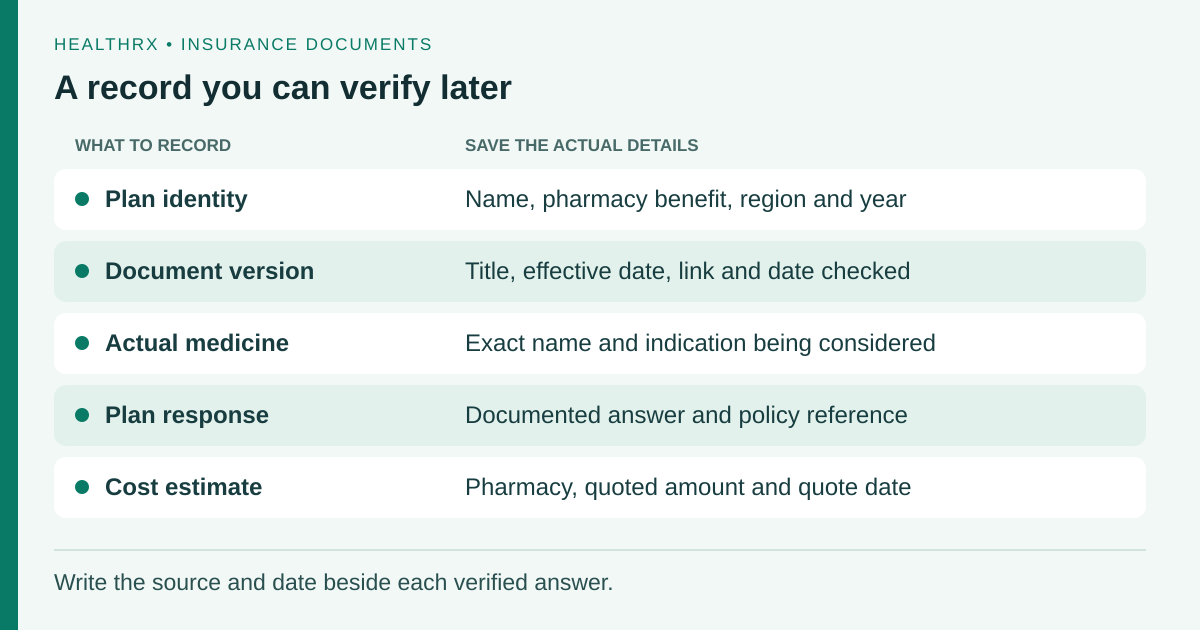
  3. Document everything. Keep records of weight, BMI, comorbidities, medication trials, side effects, and lifestyle-program participation. These form the foundation of a PA submission.
  4. Ask about clinical trials. Some Kaiser regions participate in multi-center trials. The NIH ClinicalTrials.gov registry lists active retatrutide studies under identifier NCT05929066.

The American Heart Association's 2024 scientific statement on obesity pharmacotherapy recommends that clinicians "initiate pharmacotherapy early in the treatment course for patients meeting BMI criteria, rather than delaying until lifestyle interventions have been exhaustively attempted" [7]. Building a treatment history now positions Kaiser members for faster access once retatrutide reaches the formulary.

Frequently asked questions

Does Kaiser Permanente cover Retatrutide for weight loss?
No. Retatrutide has not received FDA approval and is not on Kaiser Permanente's formulary. No coverage pathway exists until the drug is approved and Kaiser's pharmacy and therapeutics committee completes its internal review, which typically takes 6 to 18 months after FDA approval.
What is the prior-authorization criteria for Retatrutide on Kaiser Permanente?
No PA criteria exist yet because the drug is not approved. Based on Kaiser's existing policies for Wegovy and Zepbound, expected criteria will include a BMI of 30 or greater (or 27 with comorbidities), a Kaiser-employed prescriber, completion of a lifestyle program, and documented failure of at least one approved GLP-1 medication.
How do I appeal a Kaiser Permanente denial of Retatrutide?
File a Level 1 written appeal with Kaiser Member Services within 180 days, including a letter of medical necessity and documentation of failed prior therapies. If denied, escalate to a Level 2 internal review, then request an external independent review organization (IRO) evaluation, which is binding on Kaiser in most states.
Can I use the manufacturer savings card with Kaiser Permanente?
Unlikely. Kaiser's integrated pharmacy system does not typically process manufacturer copay-card BIN/PCN numbers. Members would need to fill the prescription outside Kaiser's pharmacy network at full retail price to use a savings card, which defeats the purpose of insurance coverage.
What formulary tier is Retatrutide on Kaiser Permanente?
Retatrutide is not on any Kaiser formulary tier because it is not FDA-approved. If added after approval, it will likely be placed on Tier 4 (specialty) or Tier 5 (non-preferred specialty), similar to how Kaiser classifies Wegovy and Zepbound in most regions.
Does Kaiser Permanente require step therapy before Retatrutide?
Kaiser requires step therapy for all branded anti-obesity medications. For retatrutide, members will almost certainly need documented trials of lower-cost agents like phentermine, liraglutide, or semaglutide before coverage is considered.
How much will Retatrutide cost at Kaiser Permanente?
Pricing is unknown because the drug is not commercially available. Based on comparable branded anti-obesity medications, Kaiser copays for specialty-tier drugs typically range from $75 to $250 per month after PA approval. Without coverage, retail pricing for similar medications runs $1,000 to $1,350 monthly.
Is Retatrutide better than tirzepatide for weight loss?
Phase 2 data showed retatrutide 12 mg produced 24.2% weight loss at 48 weeks, while tirzepatide 15 mg produced 22.5% at 72 weeks in the SURMOUNT-1 trial. Direct comparison is limited by differences in trial design, duration, and patient populations. Phase 3 head-to-head data do not yet exist.
When will Retatrutide be FDA-approved?
Eli Lilly's phase 3 TRIUMPH trial program is ongoing. Based on typical regulatory timelines, FDA approval could occur in late 2026 or 2027. Kaiser formulary inclusion would follow 6 to 18 months after that.
Can my Kaiser doctor prescribe Retatrutide off-formulary?
Kaiser physicians can submit a non-formulary drug request, but approval rates for non-formulary anti-obesity medications are low. The request requires detailed clinical justification and documentation of failed formulary alternatives. For an unapproved drug, even non-formulary requests cannot be processed.
Does Kaiser cover Retatrutide for type 2 diabetes?
No. Retatrutide is not approved for any indication. Eli Lilly is studying it for both obesity and type 2 diabetes. If approved for diabetes, Kaiser may prioritize that indication for formulary inclusion, as diabetes medications historically receive faster formulary review than weight-loss drugs.
What if I have Kaiser through my employer and want Retatrutide?
Employer-sponsored Kaiser plans follow the same formulary as individual Kaiser plans. Some large employers negotiate enhanced pharmacy benefits, but this is uncommon for non-formulary or investigational drugs. Check with your benefits administrator for plan-specific details.

References

  1. Jastreboff AM, Kaplan LM, Frías JP, et al. Triple-hormone-receptor agonist retatrutide for obesity: a phase 2 trial. N Engl J Med. 2023;389(6):514-526. https://pubmed.ncbi.nlm.nih.gov/37356684/
  2. Ganguly R, Tian Y, Kong SX, et al. Prior authorization and access to anti-obesity medications in commercial health plans. JAMA Netw Open. 2023;6(12):e2348266. https://jamanetwork.com/journals/jamanetworkopen/fullarticle/2812944
  3. Müller TD, Blüher M, Tschöp MH, DiMarchi RD. Anti-obesity drug discovery: advances and challenges. Lancet. 2023;402(10403):726-737. https://www.thelancet.com/journals/lancet/article/PIIS0140-6736(23)01033-X/fulltext
  4. Centers for Disease Control and Prevention. Adult obesity facts. Accessed May 2026. https://www.cdc.gov/obesity/index.html
  5. Wilding JPH, Batterham RL, Calanna S, et al. Once-weekly semaglutide in adults with overweight or obesity (STEP 1). N Engl J Med. 2021;384(11):989-1002. https://pubmed.ncbi.nlm.nih.gov/33567185/
  6. Jastreboff AM, Aronne LJ, Ahmad NN, et al. Tirzepatide once weekly for the treatment of obesity (SURMOUNT-1). N Engl J Med. 2022;387(4):327-340. https://pubmed.ncbi.nlm.nih.gov/35658024/
  7. American Heart Association. Obesity pharmacotherapy: a scientific statement. Circulation. 2024;149(10):e218-e233. https://www.ahajournals.org/doi/10.1161/CIR.0000000000001201