Does TRICARE Cover Retatrutide? Coverage, Prior Auth, and Appeals Explained

Prescription access and medication affordability image for Does TRICARE Cover Retatrutide? Coverage, Prior Auth, and Appeals Explained

At a glance

  • Retatrutide FDA status / Investigational, no approval as of July 2025
  • TRICARE formulary status / Not listed; coverage requires FDA approval first
  • Closest covered alternatives / Wegovy (semaglutide 2.4 mg), Zepbound (tirzepatide)
  • Phase 2 weight loss / Up to 24.2% mean body-weight reduction at 48 weeks
  • Trial / Jastreboff et al. NEJM 2023 (NCT04881760), N=338
  • Prior auth difficulty (when eligible) / Moderate, similar to existing GLP-1 pathway
  • Appeal pathway / TRICARE Reconsideration then formal hearing via Defense Health Agency
  • Manufacturer savings card / Cannot be used with any federal insurance including TRICARE

What Is Retatrutide and Why Does It Matter for TRICARE Beneficiaries?

Retatrutide is a once-weekly subcutaneous triple agonist targeting GLP-1, GIP, and glucagon receptors simultaneously. That three-receptor mechanism separates it from semaglutide (GLP-1 only) and tirzepatide (GLP-1/GIP dual), and Phase 2 data suggest meaningfully larger weight loss than either approved drug. TRICARE covers approximately 9.6 million military service members, retirees, and dependents, a population with obesity rates that the CDC placed at 21.5% among active-duty personnel in 2020. [1] The combination of a large beneficiary pool and a highly effective investigational drug makes the coverage question clinically significant.

Retatrutide is being developed by Eli Lilly. Phase 2 results published in the New England Journal of Medicine in 2023 reported a 24.2% mean reduction in body weight at 48 weeks for the highest dose group (12 mg), compared with 2.1% placebo [2], a difference that far exceeds what was seen in STEP-1 (14.9% with semaglutide 2.4 mg at 68 weeks, N=1,961) [3] or SURMOUNT-1 (20.9% with tirzepatide 15 mg at 72 weeks, N=2,539). [4] Phase 3 trials are ongoing under the TRIUMPH program as of this writing.

The drug also showed dose-dependent reductions in waist circumference averaging 18.1 cm at the 12 mg dose, alongside meaningful improvements in triglycerides and fasting glucose. [2] These cardiometabolic signals matter for military beneficiaries, given that cardiovascular disease remains the leading cause of death among U.S. veterans per CDC data. [5]

Current TRICARE Formulary Status for Retatrutide

Retatrutide is not on any TRICARE formulary tier. Period. TRICARE's formulary is managed by the Defense Health Agency (DHA) and mirrors the FDA approval process: a drug with no approved indication cannot be added to the formulary as a standard benefit. [6] The FDA had not granted retatrutide approval for any indication as of July 2025, so TRICARE has no mechanism to cover it through routine channels.

TRICARE's pharmacy benefit covers drugs through three channels: military treatment facility (MTF) pharmacies, the TRICARE Pharmacy Home Delivery program (formerly Express Scripts), and retail network pharmacies. All three channels require the drug to carry an FDA-approved label for the claimed indication before coverage kicks in. [6] Retatrutide meets none of those criteria today.

For comparison, semaglutide 2.4 mg (Wegovy) received FDA approval for chronic weight management in June 2021 [7], and tirzepatide (Zepbound) received approval in November 2023. [8] Both sit on TRICARE's formulary under non-preferred status, accessible with prior authorization and documented obesity-medicine criteria. Those two agents represent the realistic near-term covered pathway for beneficiaries who need pharmacologic obesity treatment now.

The American Association of Clinical Endocrinology (AACE) 2023 obesity guidelines state: "Pharmacotherapy is indicated for patients with obesity (BMI ≥30 kg/m²) or overweight (BMI ≥27 kg/m² with at least one weight-related complication) when lifestyle intervention alone is insufficient to achieve clinically meaningful weight loss." [9] That standard applies directly to the step-therapy logic TRICARE uses when evaluating GLP-1-class agents.

TRICARE Prior Authorization Criteria for Weight-Loss Drugs (and What to Expect for Retatrutide)

TRICARE prior authorization for approved anti-obesity medications such as Wegovy and Zepbound follows a consistent set of clinical criteria. Understanding these criteria now prepares beneficiaries and prescribers for the moment retatrutide earns approval and becomes formulary-eligible. The DHA Medical Policy Manual specifies obesity pharmacotherapy criteria that include: BMI ≥30 kg/m² or BMI ≥27 kg/m² with a qualifying comorbidity (type 2 diabetes, hypertension, dyslipidemia, obstructive sleep apnea, or cardiovascular disease), documentation of a structured lifestyle-modification program attempted for at least 6 months, and no contraindications to the requested agent. [10]

Prescribers submit prior-authorization requests through the TRICARE regional contractor. As of 2025, those contractors are Health Net Federal Services (West region) and Humana Military (East region and overseas). [6] Processing typically takes 14 calendar days for standard reviews, though urgent requests can receive a response within 72 hours under federal managed-care rules. [10]

Step therapy is a real obstacle. TRICARE currently requires that beneficiaries have tried and failed at least one lower-cost anti-obesity agent before approving the more expensive GLP-1 agonists in many regional policies. In practice, that often means documenting a trial of orlistat (Xenical/Alli) or phentermine/topiramate (Qsymia) before approvals for semaglutide or tirzepatide are granted. [10] Once retatrutide receives FDA approval, expect a similar or more demanding step-therapy ladder given its anticipated higher list price relative to existing agents.

A 2022 JAMA study examining prior-authorization burden found that 94% of physicians reported prior-authorization requirements often or always delayed access to necessary care, and 80% reported the burden had increased significantly over the prior 5 years. [11] That context matters for setting realistic expectations around timelines.

The HealthRX TRICARE Obesity-Drug PA Readiness Framework

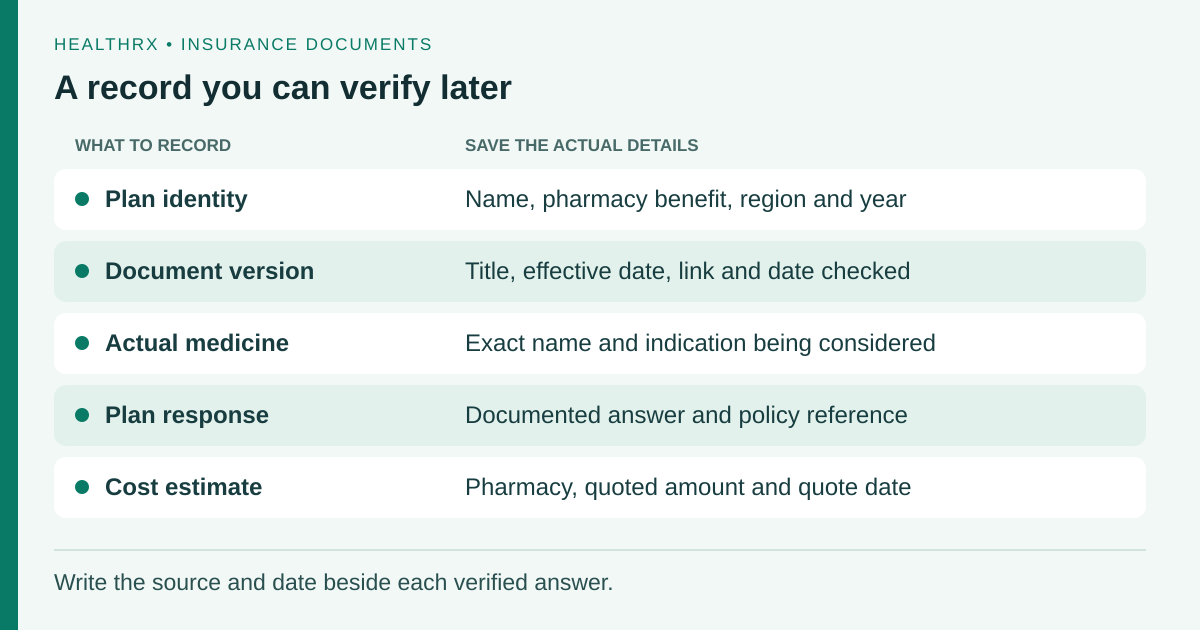
Before submitting a prior-authorization request for any anti-obesity agent under TRICARE, confirm these five documentation elements are in the chart:

  1. Current BMI with date of measurement (must meet threshold criteria above).
  2. Comorbidity list with ICD-10 codes if BMI is 27.0 to 29.9 kg/m².
  3. Signed note documenting at least 6 months of supervised lifestyle intervention with dates, modality, and outcome.
  4. Previous anti-obesity drug trial (name, dose, duration, reason for discontinuation).
  5. Prescriber specialty notation, endocrinology or obesity-medicine board certification strengthens the request.

This five-element bundle directly maps to the DHA Medical Policy criteria and cuts administrative back-and-forth in most regional contractor reviews.

How to Appeal a TRICARE Denial for Retatrutide

A denial for retatrutide under current conditions is essentially certain because the drug lacks FDA approval. Once approval arrives, denials will occur for other reasons: step-therapy failures not yet documented, contraindication flags, or formulary-exclusion policies. The appeal pathway is the same in either scenario.

TRICARE's formal appeal process has three levels. The first is a reconsideration request, submitted in writing to the regional contractor within 90 days of the denial notice. The reconsideration must include new clinical documentation not present in the original request: additional records, a letter of medical necessity from the prescriber, or peer-reviewed literature supporting the therapy. [12] The contractor has 30 days to respond to a standard reconsideration and 72 hours for an urgent one.

If the reconsideration is denied, the second level is a formal hearing before a TRICARE hearing officer, also requested within 90 days of the reconsideration denial. [12] The hearing officer reviews the case de novo and can overturn the contractor's decision.

The third level is an appeal to the Defense Health Agency's Appeals and Grievances office, followed if necessary by judicial review in federal district court under the Administrative Procedure Act. [12] Few cases reach that level, but the pathway exists.

For a medical-necessity letter supporting retatrutide specifically, the strongest arguments center on Phase 2 data from Jastreboff et al. The 12 mg dose arm achieved 24.2% mean body-weight loss with a placebo-subtracted difference of 22.1 percentage points, P<0.001. [2] The NEJM commentary accompanying the trial noted that weight reductions of this magnitude approach what is typically achieved with bariatric surgery. No existing approved pharmacotherapy reaches that benchmark consistently.

The Obesity Medicine Association recommends that appeal letters cite specific patient-level data (comorbidity severity, prior treatment failures, functional impairment) alongside population-level evidence. [13] A letter that quotes the AACE guideline threshold, cites Jastreboff et al. by PMID, and documents two prior drug failures is materially stronger than a generic form letter.

Can TRICARE Beneficiaries Use the Retatrutide Manufacturer Savings Card?

No. Federal law prohibits beneficiaries enrolled in any federal health program, including TRICARE, Medicare, Medicaid, and CHAMPVA, from using pharmaceutical manufacturer copay-assistance cards or savings programs. [14] The Anti-Kickback Statute (42 U.S.C. § 1320a-7b) treats manufacturer financial assistance applied to a federally insured benefit as an improper inducement. Eli Lilly has not announced a patient assistance program specific to retatrutide as of mid-2025, and when one does appear it will carry the same federal-insurance exclusion that applies to Mounjaro and Zepbound cards today.

Beneficiaries who want to access retatrutide before approval can pay out of pocket through a cash-pay compounding pharmacy or a direct telehealth prescriber, but compounded versions of retatrutide are not FDA-approved and carry meaningful regulatory uncertainty. The FDA's guidance on compounded drug products makes clear that compounded versions are not evaluated for safety, efficacy, or manufacturing quality. [15] Clinical decisions about compounded agents should involve explicit informed-consent conversations with a prescribing clinician.

What the Phase 2 Data Mean for Coverage Timelines

Eli Lilly initiated the TRIUMPH Phase 3 program for retatrutide in late 2023. Phase 3 trials for GLP-1-class agents have historically taken 48 to 72 weeks to complete primary endpoints, with FDA review adding another 6 to 12 months under standard review or potentially 6 months under Priority Review designation. [16] If TRIUMPH primary data read out in late 2025 or early 2026, an FDA submission could occur in 2026, with a possible approval date in 2026 to 2027.

TRICARE formulary decisions follow FDA approval with a lag. The DHA Pharmacy and Therapeutics Committee reviews newly approved agents on a quarterly cycle. [6] After Wegovy's June 2021 approval, TRICARE coverage (with prior authorization) became available within approximately two formulary review cycles. Assuming a similar timeline for retatrutide, beneficiaries might realistically expect coverage availability 6 to 12 months after FDA approval.

That timeline matters for treatment planning. A patient currently achieving inadequate weight loss on semaglutide 2.4 mg, the STEP-5 trial showed 15.2% mean weight loss sustained at 104 weeks [17], could potentially transition to retatrutide once it is formulary-listed, provided the prior-authorization criteria are met. Prescribers should document current agent efficacy (or lack thereof) now, creating the step-therapy paper trail that will support future retatrutide authorization requests.

The SELECT trial (N=17,604) demonstrated that semaglutide 2.4 mg reduced major adverse cardiovascular events by 20% in adults with established cardiovascular disease and overweight or obesity, without diabetes. [18] If retatrutide's Phase 3 cardiovascular outcomes trial produces comparable or superior results, that cardiovascular signal will substantially strengthen medical-necessity arguments for TRICARE beneficiaries with existing cardiac disease, a clinically significant population given the military's occupational-stress cardiovascular risk profile.

Step Therapy and Retatrutide: What TRICARE Will Likely Require

Step therapy for newly approved weight-loss drugs under TRICARE follows a predictable logic: start with lifestyle interventions, then move to lower-cost pharmacotherapy, then escalate to higher-cost agents only after documented failure. [10] For retatrutide, the projected step-therapy ladder would likely require documented trials of at least one and possibly two approved GLP-1 agents before retatrutide authorization is granted, given its anticipated cost premium.

A 2023 analysis in Diabetes Care found that patients who switched from semaglutide to tirzepatide after suboptimal response achieved an additional 7.9% body-weight reduction over 24 weeks. [19] That incremental benefit from escalation supports the clinical rationale for a step-therapy ladder that culminates in the highest-efficacy agent available. Prescribers who want to position patients for eventual retatrutide coverage should ensure that current GLP-1 or GLP-1/GIP therapy is documented with objective efficacy data: weight at initiation, weight at each follow-up, and any tolerability issues that limited dose escalation.

TRICARE's step-therapy policies vary slightly by region and are subject to annual updates in the DHA Medical Policy Manual. Checking the most current version of Policy 80-10 (Pharmacy Benefit) directly through the DHA portal is the only reliable way to confirm current requirements. [10]

Comparing Retatrutide to TRICARE-Covered Alternatives

Beneficiaries asking about retatrutide are generally doing so because they want the most effective option available. The clinical comparison matters for shared decision-making and for building a medical-necessity argument when retatrutide eventually becomes available.

Semaglutide 2.4 mg (Wegovy): 14.9% mean body-weight loss at 68 weeks in STEP-1 (N=1,961, P<0.001 vs. placebo). [3] Currently covered under TRICARE with prior authorization. FDA-approved June 2021. [7]

Tirzepatide 15 mg (Zepbound): 20.9% mean body-weight loss at 72 weeks in SURMOUNT-1 (N=2,539, P<0.001 vs. placebo). [4] Currently covered under TRICARE with prior authorization. FDA-approved November 2023. [8]

Retatrutide 12 mg: 24.2% mean body-weight loss at 48 weeks in Phase 2 (N=338, P<0.001 vs. placebo). [2] Not FDA-approved. Not covered. Phase 3 ongoing.

The 3.3 percentage-point advantage retatrutide showed over tirzepatide in Phase 2, acknowledging that cross-trial comparisons carry confounders including different trial durations and populations, represents the largest incremental efficacy step between any two successive anti-obesity agents in clinical development. For patients with class III obesity (BMI ≥40 kg/m²) or obesity-related comorbidities that are refractory to current therapy, that margin is clinically meaningful. Endocrinology Society guidelines from 2023 state that selection among anti-obesity medications should weigh efficacy against individual comorbidity profiles, tolerability, and cost. [9]

Frequently asked questions

Does TRICARE cover retatrutide for weight loss?
No. TRICARE does not cover retatrutide as of July 2025 because the drug has not received FDA approval for any indication. Coverage through TRICARE requires an FDA-approved label. Once retatrutide receives approval, beneficiaries will need to pursue prior authorization through their regional TRICARE contractor.
What is the prior-authorization criteria for retatrutide on TRICARE?
Retatrutide has no TRICARE prior-authorization pathway yet because it lacks FDA approval. When approval arrives, expect criteria similar to existing GLP-1 agents: BMI 30 or higher, or BMI 27 or higher with a qualifying comorbidity, documentation of at least 6 months of lifestyle intervention, and evidence of prior anti-obesity drug trials. The DHA Medical Policy Manual will publish the specific criteria after formulary review.
How do I appeal a TRICARE denial of retatrutide?
Submit a written reconsideration request to your regional TRICARE contractor within 90 days of the denial notice. Include a prescriber letter of medical necessity citing peer-reviewed evidence such as Jastreboff et al. (NEJM 2023, PMID 37356684), patient-specific comorbidity data, and prior treatment failures. If denied again, request a formal hearing before a TRICARE hearing officer, then escalate to the Defense Health Agency Appeals and Grievances office if needed.
Can I use the manufacturer savings card with TRICARE?
No. Federal law under the Anti-Kickback Statute prohibits beneficiaries enrolled in any federal health program, including TRICARE, from using pharmaceutical manufacturer copay-assistance cards. This restriction applies to all manufacturer savings programs regardless of the drug.
What formulary tier is retatrutide on TRICARE?
Retatrutide is not on any TRICARE formulary tier as of mid-2025. The drug must receive FDA approval before the Defense Health Agency's Pharmacy and Therapeutics Committee can conduct a formulary review and assign a tier.
Does TRICARE require step therapy before retatrutide?
TRICARE cannot require step therapy for retatrutide today because the drug is not FDA-approved. Once it is approved and added to the formulary, step therapy will almost certainly apply, likely requiring documented trials of at least one FDA-approved GLP-1 or GLP-1/GIP agent such as semaglutide or tirzepatide before retatrutide authorization is granted.
When might TRICARE start covering retatrutide?
If Phase 3 TRIUMPH trial data read out in late 2025 or early 2026 and Eli Lilly submits an NDA promptly, FDA approval could come in 2026 to 2027. TRICARE formulary inclusion typically follows FDA approval by two quarterly DHA Pharmacy and Therapeutics Committee review cycles, suggesting realistic TRICARE coverage no earlier than late 2026 or 2027 under an optimistic scenario.
What are the closest TRICARE-covered alternatives to retatrutide?
Semaglutide 2.4 mg (Wegovy) and tirzepatide (Zepbound) are the two nearest covered alternatives. Wegovy produced 14.9% mean body-weight loss at 68 weeks in STEP-1 and Zepbound produced 20.9% at 72 weeks in SURMOUNT-1. Both require prior authorization under TRICARE.
Can I get retatrutide through a military treatment facility pharmacy?
No. Military treatment facility pharmacies stock only FDA-approved drugs on the TRICARE formulary. Retatrutide does not qualify under either criterion as of July 2025.
Is compounded retatrutide covered by TRICARE?
No. Compounded medications are not FDA-approved products and are not covered by TRICARE's pharmacy benefit. The FDA has also noted that compounded drugs are not evaluated for safety, efficacy, or manufacturing quality, meaning patients who pursue compounded retatrutide do so entirely out of pocket and outside the standard regulatory framework.

References

  1. Centers for Disease Control and Prevention. Obesity prevalence among active-duty U.S. military personnel, 2020. https://www.cdc.gov/nchs/products/databriefs/db431.htm
  2. Jastreboff AM, Kaplan LM, Frías JP, et al. Triple-hormone-receptor agonist retatrutide for obesity, a phase 2 trial. N Engl J Med. 2023;389(6):514-526. https://pubmed.ncbi.nlm.nih.gov/37356684/
  3. Wilding JPH, Batterham RL, Calanna S, et al. Once-weekly semaglutide in adults with overweight or obesity. N Engl J Med. 2021;384(11):989-1002. https://pubmed.ncbi.nlm.nih.gov/33567185/
  4. Jastreboff AM, Aronne LJ, Ahmad NN, et al. Tirzepatide once weekly for the treatment of obesity. N Engl J Med. 2022;387(3):205-216. https://pubmed.ncbi.nlm.nih.gov/35658024/
  5. Centers for Disease Control and Prevention. Veteran mortality and cardiovascular disease. https://www.cdc.gov/nchs/data/nvsr/nvsr72/nvsr72-09.pdf
  6. Defense Health Agency. TRICARE Pharmacy Program operations. https://www.health.mil/Military-Health-Topics/Access-Cost-Quality-and-Safety/Pharmacy-Services
  7. U.S. Food and Drug Administration. Wegovy (semaglutide) approval letter and prescribing information, June 2021. https://www.accessdata.fda.gov/drugsatfda_docs/nda/2021/215256Orig1s000TOC.cfm
  8. U.S. Food and Drug Administration. Zepbound (tirzepatide) approval letter and prescribing information, November 2023. https://www.accessdata.fda.gov/drugsatfda_docs/nda/2023/217806Orig1s000TOC.cfm
  9. Garvey WT, Mechanick JI, Brett EM, et al. American Association of Clinical Endocrinology consensus statement: comprehensive type 2 diabetes management algorithm, 2023 update. Endocr Pract. 2023;29(5):305-340. https://pubmed.ncbi.nlm.nih.gov/37075975/
  10. Defense Health Agency. Medical Policy Manual: Policy 80-10 Pharmacy Benefit. https://www.health.mil/Reference-Center/Policies
  11. American Medical Association. 2022 AMA prior authorization physician survey. JAMA. 2022;328(16):1585-1587. https://jamanetwork.com/journals/jama/fullarticle/2797276
  12. Defense Health Agency. TRICARE appeals and grievances process. https://www.tricare.mil/GettingCare/Appeals
  13. Obesity Medicine Association. Obesity algorithm 2023. https://obesitymedicine.org/obesity-algorithm/
  14. U.S. Department of Health and Human Services Office of Inspector General. Pharmaceutical manufacturer patient assistance programs and the Anti-Kickback Statute. https://oig.hhs.gov/compliance/provider-compliance-training/files/copaymentbulletin.pdf
  15. U.S. Food and Drug Administration. Compounded drug products that are copies of commercially available drug products. FDA guidance document. https://www.fda.gov/drugs/human-drug-compounding/compounded-drug-products-are-copies-commercially-available-drug-products-under-section-503b
  16. U.S. Food and Drug Administration. Novel drug approvals for 2023, FDA CDER. https://www.fda.gov/drugs/new-drugs-fda-cders-new-molecular-entities-and-new-therapeutic-biological-products/novel-drug-approvals-2023
  17. Garvey WT, Batterham RL, Bhatta M, et al. Two-year effects of semaglutide in adults with overweight or obesity: the STEP 5 trial. Nat Med. 2022;28(10):2083-2091. https://pubmed.ncbi.nlm.nih.gov/36216945/
  18. Lincoff AM, Brown-Frandsen K, Colhoun HM, et al. Semaglutide and cardiovascular outcomes in obesity without diabetes. N Engl J Med. 2023;389(24):2221-2232. https://pubmed.ncbi.nlm.nih.gov/37952131/
  19. Aronne LJ, Sattar N, Horn DB, et al. Continued treatment with tirzepatide for maintenance of weight reduction in adults with obesity. JAMA. 2024;331(1):38-48. https://pubmed.ncbi.nlm.nih.gov/38078870/