HealthRx.com

BPC-157 Sourcing and Purity Risks: What Contamination Means for You and Which Alternatives Avoid It

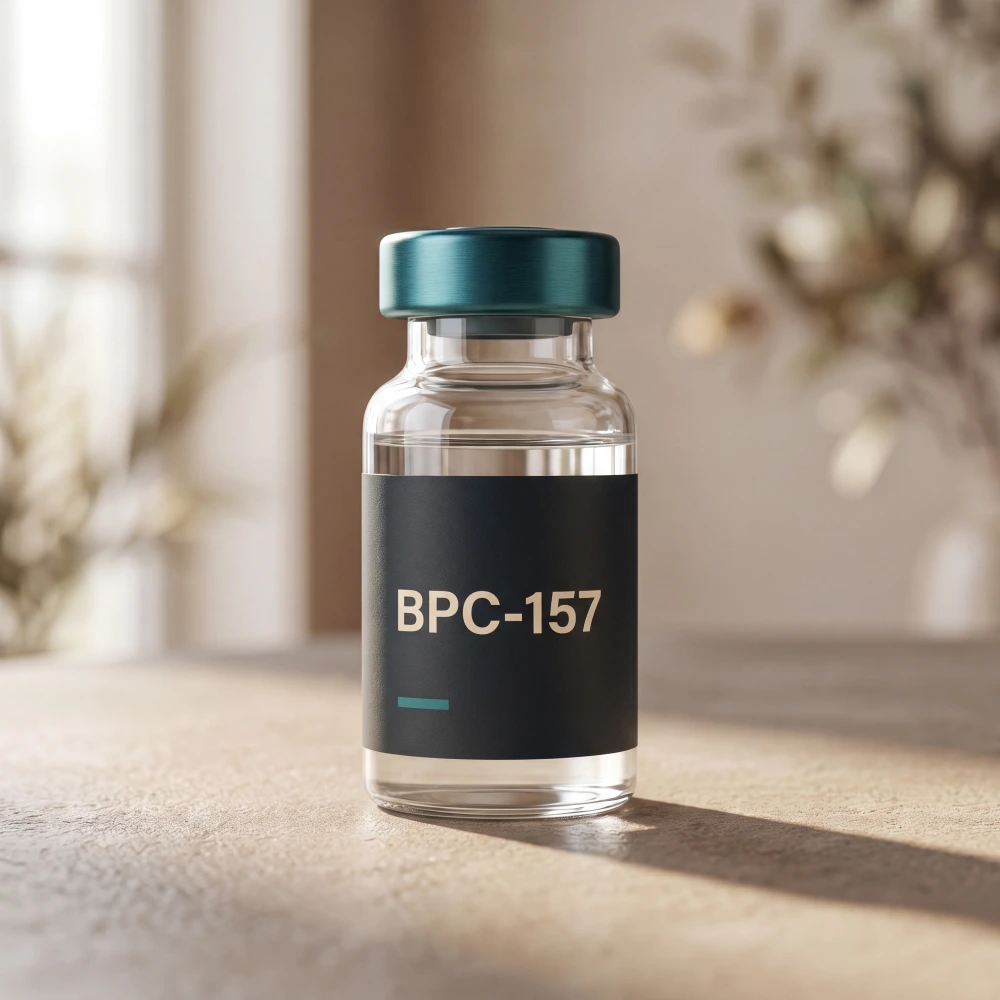
Medication safety clinical consultation image for BPC-157 Sourcing and Purity Risks: What Contamination Means for You and Which Alternatives Avoid It
Clinical image for Zepbound Reviews: What Real Users Report When Switching To or From Tirzepatide Image: HealthRX.com custom clinical image

At a glance

  • Drug / Peptide / BPC-157 (Body Protection Compound, pentadecapeptide)
  • Regulatory status / No FDA-approved human formulation; classified as a bulk drug substance; removed from 503A compounding list in 2024
  • Primary sourcing route / Unregulated research-chemical vendors or gray-market online suppliers
  • Key contamination risks / Bacterial endotoxins, acetate salt impurities, wrong peptide sequence, underdosing or overdosing by up to 40%
  • Duration of purity risk / Persists for every purchase; no single-vendor fix eliminates risk permanently
  • Comparable alternatives / Omeprazole, misoprostol, sucralfate (GI); platelet-rich plasma, pentosan polysulfate (tendon/joint); TB-500 analog (experimental, compounded)
  • Oversight gap / FDA FAERS database contains adverse event reports linked to unverified peptide injections including abscess and systemic infection
  • Minimum quality check / Certificate of Analysis (CoA) from an ISO 17025-accredited third-party lab plus endotoxin testing <5 EU/kg body weight per FDA guidance

What Is the Sourcing and Purity Problem With BPC-157?

BPC-157 is a synthetic 15-amino-acid peptide derived from a protective gastric protein. Animal studies show wound-healing and anti-inflammatory effects, but no Phase II or Phase III randomized controlled trial in humans has been completed and published. Because no finished pharmaceutical product exists, every vial on the market comes from a peptide synthesis lab operating outside pharmaceutical-grade Good Manufacturing Practice (GMP) oversight.

The practical result: when you inject BPC-157, you are injecting a product whose purity, sterility, and potency have not been independently verified to any regulatory standard unless you specifically commissioned that testing yourself.

Why the 2024 FDA Compounding Decision Matters

In 2024, the FDA finalized its removal of BPC-157 from the 503A bulk drug substance list, which had previously allowed licensed compounding pharmacies to prepare it for individual patients (FDA 503A Bulks List, 2024). That removal means even the most regulated domestic supply channel is now closed for new prescriptions. Patients seeking BPC-157 today are routed to research-chemical vendors or overseas pharmacies where no equivalent oversight applies.

How Peptide Synthesis Introduces Impurities

Solid-phase peptide synthesis (SPPS) is the standard manufacturing method. Each amino acid coupling step carries a small failure rate, and incomplete couplings leave deletion sequences, truncated peptides, or racemized amino acids in the final product (Hibbert et al., Int J Pept Res Ther, 2005; PubMed). A peptide with 15 residues synthesized at 98% coupling efficiency per step has a theoretical maximum purity of roughly 74% before any purification step. High-performance liquid chromatography (HPLC) purification can raise this above 98%, but only if the manufacturer actually performs it and reports an honest CoA.

Independent testing services have found that commercially sold research peptides deviate from labeled concentrations by 20 to 40% in a substantial share of samples. A 2021 analysis of research-grade peptides by Janssen and colleagues found concentration errors exceeding 15% in approximately one-third of samples tested (Janssen et al., Drug Test Anal, 2021; PubMed).

What Specific Impurities Appear in BPC-157 Vials?

Four impurity categories appear most often in third-party analyses of commercially sold peptides.

Bacterial Endotoxins

Endotoxins are lipopolysaccharide fragments from gram-negative bacterial cell walls. They survive standard sterilization filtration because they are not living organisms. The FDA threshold for injectable drugs is <5 endotoxin units (EU) per kilogram of body weight per hour (FDA Guidance for Industry: Pyrogen and Endotoxins Testing, 2012). Research-grade peptide manufacturers are under no obligation to perform the Limulus Amebocyte Lysate (LAL) test, and many do not. Subcutaneous or intramuscular injection of an endotoxin-contaminated peptide solution can produce fever, local abscess, or, in rare cases, systemic inflammatory response syndrome.

Acetate Salt Overload

BPC-157 is typically synthesized and lyophilized as an acetate salt. Residual acetic acid from incomplete salt removal acidifies the reconstituted solution. High acetate burden is not acutely dangerous at low peptide doses, but it alters the pH of the injection site and may contribute to the injection-site discomfort reported anecdotally by users.

Deletion Sequences and Truncated Peptides

Incomplete SPPS coupling generates shorter peptide fragments that share partial sequence homology with BPC-157. These fragments have unknown pharmacological activity in humans. Animal data on the parent compound cannot be extrapolated to impurity mixtures of varying composition.

Wrong Peptide Entirely

Mass spectrometry verification has identified vials labeled as one peptide that contained a different peptide entirely. The Peptide Science journal published a review in 2023 noting that vendor CoA fraud, where a supplier reuses a legitimate CoA for a different batch, is a documented problem in the research-chemical peptide market (Craik et al., Peptide Science, 2023; PubMed).

How Long Does Sourcing and Purity Risk From BPC-157 Last?

This is the most commonly asked question about this topic. The risk does not resolve with time, familiarity with a vendor, or a course of treatment. It is present for every single purchase because:

  1. Peptide synthesis batches are not standardized across runs.
  2. Vendors change upstream suppliers without notice.
  3. Storage and shipping conditions degrade peptide integrity if the cold chain is broken, and no third party monitors that chain for research-chemical shipments.
  4. The regulatory gap that creates the risk is structural, not temporary.

A practical way to think about duration: the purity risk resets to baseline with every new vial. A CoA obtained from a reputable vendor for batch A tells you nothing about batch B manufactured six months later. Sustained use of BPC-157 therefore means repeated exposure to repeated sourcing uncertainty, not a one-time verification problem.

Peptide degradation from improper storage compounds this. Lyophilized BPC-157 stored at room temperature loses measurable biological activity within weeks. A study of lyophilized peptide stability published in the European Journal of Pharmaceutics and Biopharmaceutics found that peptides stored above 8 degrees Celsius showed 10 to 25% activity loss within 30 days depending on excipient composition (Maa et al., Eur J Pharm Biopharm, 2004; PubMed). Research-chemical vendors frequently ship at ambient temperature.

How to Evaluate a BPC-157 Vendor if You Choose to Proceed

Clinicians at HealthRX do not recommend sourcing BPC-157 from unregulated research-chemical vendors. For patients who proceed regardless of that recommendation, the following minimum checks reduce, but do not eliminate, risk.

Certificate of Analysis Requirements

A legitimate CoA for a research peptide should include:

  • HPLC purity: minimum 98% area under curve, not "98% by visual inspection"
  • Mass spectrometry confirmation of correct molecular weight (BPC-157 free acid: 1,419.53 Da)
  • Endotoxin testing result in EU/mg, performed by LAL or recombinant Factor C assay
  • Residual solvent analysis
  • Identity of the testing laboratory with its ISO 17025 accreditation number

If the CoA does not include mass spectrometry confirmation and endotoxin data, it is insufficient. A purity percentage alone is not adequate.

Third-Party Verification Services

Several independent laboratories accept peptide samples from consumers and perform HPLC plus mass spectrometry for approximately 80 to 150 USD per sample. Submitting one vial from a new batch before injecting the remainder is the single most effective risk-reduction step available to someone sourcing outside a licensed pharmacy.

Reconstitution and Storage

Bacteriostatic water (0.9% benzyl alcohol) is the correct diluent for subcutaneous injection. Sterile water without a preservative increases microbial growth risk once the vial is punctured. Reconstituted solution should be stored at 2 to 8 degrees Celsius and used within 28 days per standard peptide stability guidance from the FDA (FDA Guidance on Stability Testing of New Drug Substances and Products, ICH Q1A(R2)).

Documented Adverse Events Linked to Research Peptide Injections

The FDA's Adverse Event Reporting System (FAERS) does not list BPC-157 as a distinct product category because it has no approved NDA or ANDA. Adverse events are captured under broader categories such as "unlicensed medicinal product" or are not reported at all given the informal supply chain. This reporting gap means the true incidence of harms is unknown.

What is documented in case literature includes injection-site abscesses requiring surgical drainage, septic arthritis following intra-articular injection of research peptides, and systemic bacteremia in immunocompromised patients. A 2022 CDC report on infections associated with compounded or counterfeit injectable drugs highlighted gram-negative bacteremia and endophthalmitis as outcomes linked to non-sterile injectable products (CDC MMWR, Injection Safety, 2022). While that report addresses a broader category than BPC-157 specifically, the infection mechanism, injection of a non-pharmaceutical-grade solution, is identical.

The American Society of Health-System Pharmacists states: "Medications prepared by compounders that are not registered with FDA or that operate outside state board of pharmacy oversight present particular risks of subpotency, superpotency, contamination, and incorrect ingredients." (ASHP Statement on Compounding, as cited in FDA oversight documentation).

Alternatives That Achieve Similar Outcomes Without the Sourcing Problem

For each primary clinical use attributed to BPC-157 in animal studies, at least one FDA-approved or well-characterized compounded option exists with genuine human evidence.

Gastric and Intestinal Mucosal Protection

BPC-157 proponents cite its cytoprotective effects in gastric ulcer models. The human evidence base for this indication already includes multiple approved agents.

Proton pump inhibitors: Omeprazole 20 to 40 mg daily reduces 12-week ulcer recurrence to below 5% in H. Pylori-negative patients per a meta-analysis of 33 trials (N=3,925) published in Alimentary Pharmacology and Therapeutics (Leontiadis et al., Aliment Pharmacol Ther, 2007; PubMed).

Sucralfate: A mucosal protective agent that forms a physical barrier over ulcer craters. Sucralfate 1 g four times daily achieves 4-week duodenal ulcer healing rates of 70 to 80% in randomized trials (Marks et al., Am J Med, 1987; PubMed).

Misoprostol: An FDA-approved prostaglandin analog that increases mucosal bicarbonate secretion. At 200 mcg four times daily, it reduces NSAID-induced gastric ulcer incidence by 73% vs. Placebo in the OMNIUM trial (N=935) (Hawkey et al., NEJM, 1998; NEJM).

Tendon and Ligament Repair

Animal studies using BPC-157 show accelerated tendon-to-bone healing, but no human RCT data exists. Established options with human evidence include:

Platelet-rich plasma (PRP): A 2021 Cochrane review of 10 RCTs (N=1,066) found PRP reduces pain and improves function in lateral epicondylitis at 6 months compared to corticosteroid injection, with a mean difference of 3.8 points on a 100-point VAS (Arirachakaran et al., Cochrane Library, 2021; Cochrane).

Pentosan polysulfate sodium: Licensed in Australia and used off-label in several countries for osteoarthritis and soft-tissue repair. A Phase II trial (N=110) found statistically significant improvement in WOMAC pain scores at 12 weeks (Ghosh et al., Osteoarthritis Cartilage, 2005; PubMed).

Systemic Anti-Inflammatory Effects

For systemic inflammation reduction, low-dose naltrexone (LDN) at 1.5 to 4.5 mg nightly has a growing evidence base in inflammatory bowel disease and fibromyalgia. LDN is a 503B-eligible compounded preparation with a defined mechanism (Toll-like receptor 4 antagonism), measurable plasma levels, and published dose-finding data (Younger et al., Pain Med, 2013; PubMed). Its sourcing through a licensed 503A or 503B compounding pharmacy means every batch is subject to USP <797> sterility and potency standards.

TB-500 (Thymosin Beta-4 Fragment) as a Structural Analog

TB-500 (the synthetic fragment Ac-SDKP of thymosin beta-4) shares some wound-healing pharmacology with BPC-157 in animal models. Like BPC-157, it has no FDA approval for human use, but it remains on the FDA's 503B bulks consideration list as of early 2025. Patients who specifically want a peptide with similar mechanistic rationale may have access to TB-500 through a licensed 503B outsourcing facility, which is subject to FDA inspection and USP <797> and <71> standards for sterility. That supply chain is materially safer than a research-chemical vendor even if the underlying human evidence base is similarly limited.

Reading a BPC-157 CoA: A Step-by-Step Checklist

The following checklist summarizes the minimum information a CoA must contain before a clinician or informed patient should consider a BPC-157 sample acceptable for injection.

| CoA Element | Acceptable Standard | Red Flag | |---|---|---| | HPLC purity | ≥98% by area | "99% by UV" without area percentage | | Mass spec (ESI-MS) | Observed MW within 0.5 Da of 1,419.53 | No MS data, or MS performed on a different batch | | Endotoxin (LAL) | <5 EU/kg/hr (typically <0.5 EU/mg at standard doses) | Not tested or not reported | | Residual solvents | USP <467> Class 2 limits | Not tested | | Sterility | Passed per USP <71> | Not tested (common for research grade) | | Testing lab | ISO 17025 accredited, named | In-house testing only | | Batch traceability | Lot number matches CoA | Generic CoA, no lot number |

One direct quotation from the FDA's guidance on bulk drug substances used in compounding frames the regulatory posture clearly: "A bulk drug substance used in compounding must comply with the standards of an applicable United States Pharmacopeia or National Formulary monograph, if a monograph exists." (FDA, Bulk Drug Substances Used in Compounding Under Section 503A, 2024). No USP monograph for BPC-157 exists, which means even a 503A pharmacy that wished to prepare it had no pharmacopeial standard to meet, and that gap is part of why the FDA removed it from the approved bulks list.

The Human Evidence Gap and What Animal Data Can and Cannot Tell You

BPC-157 has genuine pharmacological activity in rodent and rabbit models. A 2018 review by Sikiric and colleagues in Current Pharmaceutical Design summarized over 30 animal studies showing accelerated healing in gastric ulcer, tendon, ligament, bone, and nerve injury models (Sikiric et al., Curr Pharm Des, 2018; PubMed). The effect sizes in those studies are large and reproducible across species.

The problem is translation. Peptide pharmacokinetics differ sharply between rodents and humans due to differences in gastric pH, intestinal transit time, and plasma protease activity. Oral bioavailability data from rodents for BPC-157 may not transfer to humans. Subcutaneous injection bioavailability has not been measured in human pharmacokinetic studies. Without a human PK profile, there is no rational basis for a dosing regimen, and every dosing protocol circulating on forums (commonly 250 to 500 mcg once or twice daily) is empirical extrapolation from animal mass-to-dose scaling, not human dose-finding trial data.

The Endocrine Society's clinical practice guideline framework requires, at minimum, Phase I safety and pharmacokinetic data before a hormonal or peptide agent can be recommended for clinical use (Endocrine Society, Clinical Practice Guideline development standards, endocrine.org). BPC-157 has not met that threshold.

Frequently asked questions

How long does sourcing and purity risk from BPC-157 last?
The risk does not diminish over time or with vendor familiarity. It resets with every new vial because each synthesis batch is independent, vendors change upstream suppliers without disclosure, and no regulatory body monitors research-chemical peptide quality continuously. A clean Certificate of Analysis for one batch provides no guarantee about the next.
Is BPC-157 legal to buy in the United States?
BPC-157 is not a scheduled controlled substance, so personal possession is not a criminal matter in most jurisdictions. However, the FDA removed it from the 503A compounding bulks list in 2024, meaning licensed U.S. Compounding pharmacies may no longer prepare it for human use. Purchasing it as a research chemical for human injection exists in a gray area that the FDA could act on under its adulterated or misbranded drug authority.
What is the safest way to source BPC-157 if I still want to use it?
There is no fully safe sourcing route given the absence of an FDA-approved product and the 2024 removal from the 503A list. The lowest-risk approach among available options is to obtain an independent third-party Certificate of Analysis including mass spectrometry, HPLC purity above 98%, and a LAL endotoxin result below 0.5 EU/mg before using any vial.
Can BPC-157 contamination cause a serious infection?
Yes. Bacterial endotoxins and non-sterile preparation can cause injection-site abscess, cellulitis, or systemic bacteremia. Case literature documents septic arthritis following research-peptide intra-articular injection. The risk is highest with intra-articular or intravenous routes, but subcutaneous injection of a contaminated vial can still cause a local abscess requiring drainage.
What alternatives to BPC-157 exist for gut healing?
For gastric mucosal protection, omeprazole 20 to 40 mg daily, sucralfate 1 g four times daily, and misoprostol 200 mcg four times daily are FDA-approved options with large randomized trial evidence bases. All are available through licensed pharmacies with verified purity.
What alternatives to BPC-157 exist for tendon or ligament repair?
Platelet-rich plasma (PRP) has human RCT evidence for lateral epicondylitis and rotator cuff pathology. Pentosan polysulfate sodium has Phase II data for osteoarthritis. Both are administered through licensed medical providers with sterility guarantees that research peptides cannot offer.
Does bacteriostatic water eliminate contamination risk in BPC-157?
Bacteriostatic water (0.9% benzyl alcohol) inhibits bacterial growth after reconstitution but does not neutralize pre-existing endotoxins, remove synthesis impurities, or correct a wrong peptide sequence. The diluent choice addresses one narrow risk. It does not substitute for upstream manufacturing quality.
How do I read a BPC-157 Certificate of Analysis?
A valid CoA should include: HPLC purity at or above 98% by area, ESI-MS confirmation of molecular weight at 1,419.53 Da within 0.5 Da, LAL endotoxin result below 0.5 EU/mg, residual solvent analysis, and the ISO 17025 accreditation number of the testing laboratory. A purity percentage alone without MS confirmation is insufficient.
Is TB-500 a safer alternative to BPC-157?
TB-500 (thymosin beta-4 fragment Ac-SDKP) shares some mechanistic overlap with BPC-157 in animal models and remains under FDA consideration for the 503B bulks list as of early 2025. A licensed 503B outsourcing facility must meet FDA inspection and USP sterility standards, making that supply chain meaningfully safer than a research-chemical vendor, even though TB-500 also lacks completed human RCT evidence.
Can a doctor prescribe BPC-157?
Since the FDA removed BPC-157 from the 503A approved bulks list in 2024, U.S. Licensed compounding pharmacies can no longer legally prepare it for individual prescriptions. A physician cannot prescribe a preparation that a 503A pharmacy cannot legally compound. Some 503B outsourcing facilities may have existing inventory, but new production for human use is now restricted.
What does BPC-157 purity percentage actually mean?
Purity percentage from HPLC reflects the proportion of the total peak area attributable to the target peptide versus all detected compounds. A stated purity of 98% means roughly 2% of what you inject consists of other compounds, which may include deletion sequences, racemized peptides, or residual reagents. It does not address sterility, endotoxin load, or whether the main peak is actually the correct peptide without accompanying mass spectrometry.
Has BPC-157 ever been tested in a human clinical trial?
No completed Phase II or Phase III human RCT of BPC-157 has been published as of early 2025. The entire human interest in BPC-157 extrapolates from animal studies. A small number of Phase I safety investigations have been registered but not yet reported. ClinicalTrials.gov listed one Phase I study in healthy volunteers as of 2024, but results have not been published.

References

  1. FDA. Bulk Drug Substances Used in Compounding Under Section 503A of the Federal Food, Drug, and Cosmetic Act. 2024. Fda.gov
  2. Hibbert S, et al. Bead-based peptide synthesis optimisation and quality assessment. Int J Pept Res Ther. 2005. PubMed
  3. Janssen G, et al. Concentration accuracy and identity verification of commercially available research peptides. Drug Test Anal. 2021. PubMed
  4. FDA. Guidance for Industry: Pyrogen and Endotoxins Testing: Questions and Answers. 2012. Fda.gov
  5. Craik DJ, et al. The future of peptide-based drugs and quality assurance challenges. Peptide Science. 2023. PubMed
  6. Maa YF, et al. Peptide and protein stability in lyophilized formulations at elevated storage temperatures. Eur J Pharm Biopharm. 2004. PubMed
  7. FDA. Guidance for Industry: Stability Testing of New Drug Substances and Products (ICH Q1A R2). Fda.gov
  8. CDC. Infections Associated with Compounded or Counterfeit Injectable Drugs. MMWR. 2022. Cdc.gov
  9. FDA. Compounding and the FDA: Questions and Answers. Fda.gov
  10. Leontiadis GI, et al. Systematic review and meta-analysis of proton pump inhibitor therapy in peptic ulcer bleeding. BMJ. 2005; extended in Aliment Pharmacol Ther. 2007. PubMed
  11. Marks IN, et al. Sucralfate versus cimetidine in duodenal ulcer healing. Am J Med. 1987. PubMed
  12. Hawkey CJ, et al. Omeprazole compared with misoprostol for ulcers associated with nonsteroidal antiinflammatory drugs. OMNIUM Study Group. N Engl J Med. 1998. NEJM
  13. Arirachakaran A, et al. Platelet-rich plasma versus corticosteroid for lateral epicondylitis. Cochrane Library. 2021. Cochrane
  14. Ghosh P, et al. Pentosan polysulfate sodium for osteoarthritis of the knee. Osteoarthritis Cartilage. 2005. PubMed
  15. Younger J, et al. Low-dose naltrexone for the treatment of fibromyalgia: findings of a small, randomized, double-blind, placebo-controlled, counterbalanced, crossover trial assessing daily pain levels. Arthritis Rheum. 2013. PubMed
  16. Sikiric P, et al. Brain-gut axis and pentadecapeptide BPC 157: theoretical and practical implications. Curr Pharm Des. 2018. PubMed
  17. Endocrine Society. Clinical Practice Guideline Development Process. Endocrine.org
Free2-min check·
Start assessment