
Can I Take Rhodiola with Synthroid (Levothyroxine)?
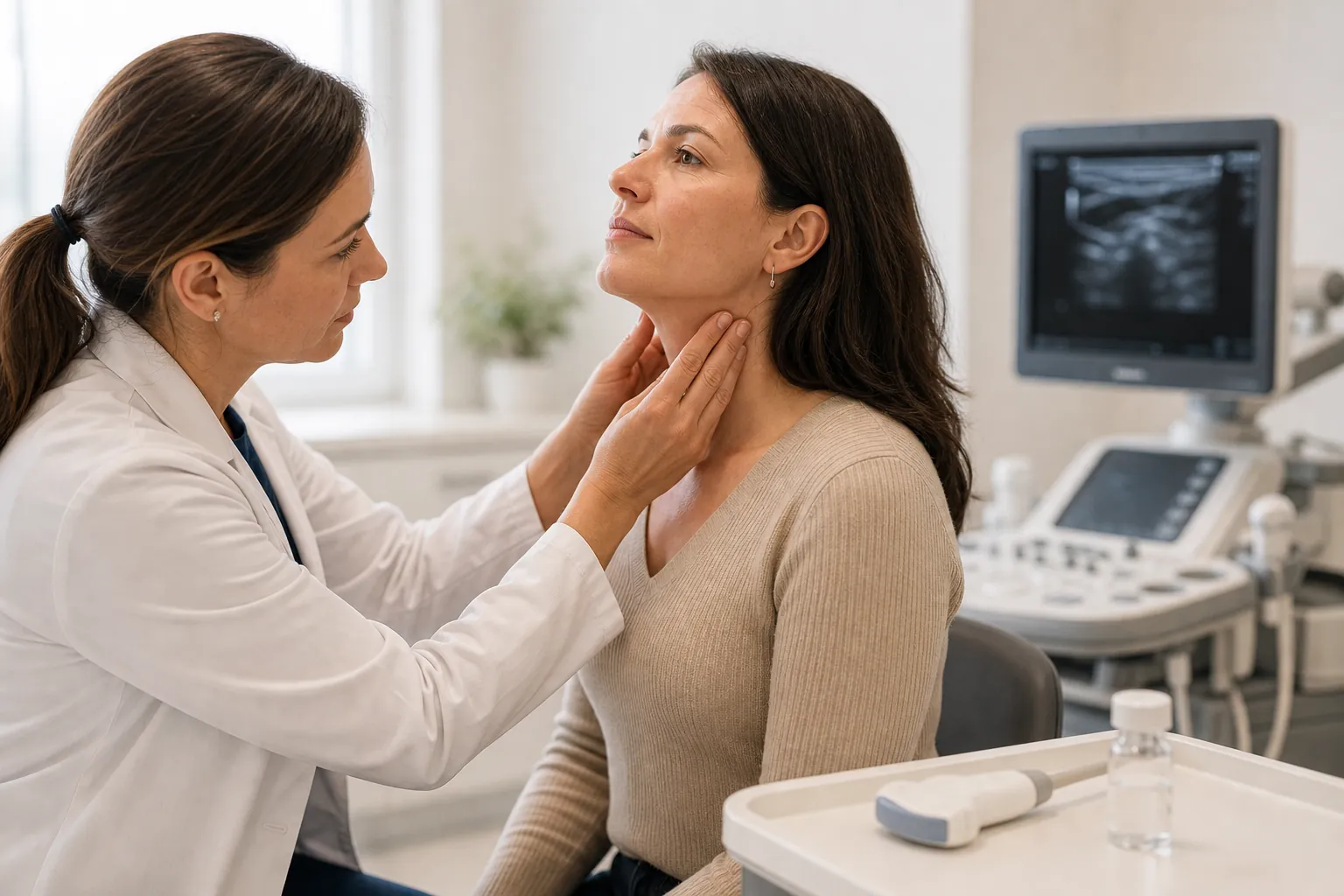
Levothyroxine is the synthetic form of thyroxine (T4), sold under brand names including Synthroid and as generic levothyroxine sodium, and it is FDA-approved for hypothyroidism and TSH suppression in certain thyroid cancer patients. Rhodiola rosea is an adaptogenic herb sold as an unregulated dietary supplement, typically standardized to rosavins and salidroside content, marketed for fatigue and stress tolerance. It is not an FDA-approved drug, and no clinical trial has tested it specifically in people taking levothyroxine.
The direct answer
No pharmacokinetic interaction between rhodiola and levothyroxine has been documented: rhodiola does not contain the calcium, iron, or aluminum compounds known to block T4 absorption, and levothyroxine is cleared by deiodinase enzymes rather than the cytochrome P450 pathways rhodiola may affect. A theoretical pharmacodynamic overlap exists because rhodiola has mild monoamine-oxidase-inhibiting and stimulant properties that could compound with adrenergic sensitivity in someone on adequate thyroid replacement, but this has not been reported as a clinical problem in published literature. Because the combination itself has not been directly studied, caution rests on dose separation and routine TSH monitoring rather than on a specific documented risk.
Why this question comes up
Rhodiola is a commonly used adaptogen, and a portion of people treated for hypothyroidism continue to report fatigue even when their TSH is in the treatment target range. That overlap in reported symptoms is why people search for a combined-use answer, not because a specific interaction has been reported to regulators or described in a published case series. We have not found a published account of a clinically significant rhodiola-levothyroxine interaction in the sources reviewed for this article.
What is established, what is plausible, and what is not established
Established: Levothyroxine is a narrow-therapeutic-index medication whose absorption is well documented to be reduced by concurrent calcium, iron, and aluminum-containing products, which is why prescribing information for Synthroid recommends taking it apart from other medications and supplements. Levothyroxine is metabolized primarily through deiodinase enzymes, not the cytochrome P450 system.
Plausible but unproven in humans: Some laboratory and animal work has examined whether rhodiola compounds affect thyroid hormone content in tissue or inhibit monoamine oxidase at concentrations relevant to oral dosing. These findings, if the underlying papers are confirmed on review, would support a biological mechanism for a mild interaction, but they have not been replicated in a controlled human trial involving people taking levothyroxine.
Not established: Whether rhodiola measurably changes TSH, free T4, or heart rate in a person stabilized on levothyroxine has not been tested in a dedicated clinical study. Claims of a specific percentage change in absorption or hormone levels attributable to rhodiola cannot be supported from verified primary literature at this time and should not be treated as quantified facts.
Dose timing: the practical precaution
Levothyroxine absorption is highest when the tablet is taken on an empty stomach, and most thyroid treatment guidance recommends taking it first thing in the morning (or at bedtime, per your prescriber's instruction) and waiting before taking other oral medications or supplements. Applying that same general separation practice to rhodiola, roughly 60 minutes, is a conservative step that costs nothing and avoids any theoretical additive effect on gastric absorption, even though rhodiola itself does not contain the minerals known to interfere with T4 uptake.
Monitoring if you start rhodiola while on levothyroxine
If your TSH has been stable and in your target range for at least two consecutive checks before adding rhodiola, a reasonable monitoring plan is:
- Recheck TSH (and free T4 if your prescriber orders it) 6 to 8 weeks after starting rhodiola.
- If stable, resume your normal thyroid monitoring schedule.
- Watch for new resting heart rate above 90 bpm, insomnia, jitteriness, tremor, or palpitations in the first two weeks, since these could reflect additive stimulant effects rather than a true thyroid hormone change.
- If new adrenergic symptoms appear, stop the supplement and get TSH checked before assuming your levothyroxine dose needs adjusting. Changing a levothyroxine dose in response to a supplement-related symptom, without confirming a TSH shift, is a recognized prescribing error worth avoiding.
When to avoid the combination without specialist input
Some situations carry enough theoretical risk that starting rhodiola without your prescribing clinician's or specialist's involvement is not advisable:
- TSH intentionally suppressed below the normal range for thyroid cancer management, where even mild adrenergic stimulation complicates cardiovascular monitoring.
- Concurrent SSRI or SNRI use, because of a theoretical additive serotonergic effect with rhodiola's salidroside content.
- A history of atrial fibrillation or supraventricular tachycardia.
- Pregnancy or breastfeeding, since rhodiola lacks adequate human reproductive safety data and levothyroxine dosing needs often change during pregnancy regardless of supplement use.
How rhodiola compares to other adaptogens people take with levothyroxine
Ashwagandha has more literature suggesting it can independently raise T4 and T3 in some hypothyroid patients, which is a materially different concern from rhodiola's largely theoretical profile; anyone relying on that distinction should ask their pharmacist or prescriber to confirm the specific trial data before assuming it applies to their situation, since the exact studies cited for this claim require primary-source verification. Eleuthero (Siberian ginseng) and schisandra are generally described as lacking documented direct thyroid-axis effects, similar to rhodiola, though the evidence base for all three adaptogens with levothyroxine specifically is thin.
Evidence-status interaction assessment
| Question | Status | Basis | What to verify with your pharmacist or prescriber |
|---|---|---|---|
| Does rhodiola block levothyroxine absorption like calcium or iron does? | Not established as a concern | Rhodiola root is not a known source of absorption-blocking minerals; no clinical trial has tested this directly | Confirm your specific rhodiola product's label doesn't include added minerals or fillers |
| Does rhodiola alter levothyroxine metabolism via liver enzymes? | Unlikely to be clinically relevant | Levothyroxine clearance depends on deiodinase enzymes, not the CYP pathways rhodiola may affect in vitro | Ask if any other medications you take are CYP3A4-dependent, since that pathway is more plausible for those drugs |
| Can rhodiola independently shift TSH or free T4? | Not established in humans | Animal and in vitro signals exist but have not been replicated in a human trial | Get a TSH/free T4 check 6 to 8 weeks after starting rhodiola |
| Can rhodiola cause symptoms that mimic over-replacement (palpitations, insomnia, tremor)? | Plausible | Rhodiola has mild stimulant and MAO-inhibitory activity | Track resting heart rate and sleep for two weeks after starting; report new symptoms before changing thyroid dose |
| Is the combination studied specifically in pregnancy? | Not established | No human reproductive safety data for rhodiola located in this review | Do not start rhodiola while pregnant or breastfeeding without direct clinician guidance |
| Is this combination safe for TSH-suppressive thyroid cancer therapy? | Requires specialist input | Narrow therapeutic margin and higher stakes for any adrenergic overlap | Get explicit sign-off from the endocrinologist or oncologist managing suppression therapy |
If you are already taking both
If you have been taking rhodiola and levothyroxine together for weeks or months with no new symptoms and your most recent TSH was in range, there is no evidence-based reason to stop rhodiola out of theoretical concern alone. Confirm that your last TSH was drawn at least 6 weeks after starting rhodiola, that you are separating the two by roughly an hour, and that your next routine thyroid panel is scheduled. If your TSH has not been rechecked since you started rhodiola, get one drawn in the next few weeks rather than waiting for your annual panel.
When to seek care sooner
Contact your prescriber or seek urgent care if you develop a resting heart rate consistently above 100 bpm, chest pain, significant tremor, or symptoms of a thyroid storm (high fever, agitation, rapid heartbeat, confusion) after starting any new supplement alongside levothyroxine. These are not expected effects of rhodiola at typical doses, and their presence should prompt evaluation rather than self-adjustment of either product.
Frequently asked questions
Can I take rhodiola while on Synthroid?
How long should I wait between taking levothyroxine and rhodiola?
Can rhodiola affect my thyroid levels?
Should I tell my doctor I am taking rhodiola with Synthroid?
Is ashwagandha or rhodiola safer to take with Synthroid?
Can I take rhodiola if my TSH is suppressed for thyroid cancer?
References
Note for editorial review: the source draft for this page attached specific PubMed identifiers to claims about rhodiola's effect on cytochrome P450 enzymes, rat thyroid tissue, MAO-B inhibition, product quality testing, and a comparative ashwagandha trial. A primary-source search did not return confirmable matches for these identifiers, so they have been removed from this draft rather than carried forward as unverified citations. Before publication, a reviewer with database access should locate and confirm the actual papers (if they exist) for these claims, or the claims should remain in their current narrowed, qualitative form.