Can I Take Berberine With MK-677 (Ibutamoren)?

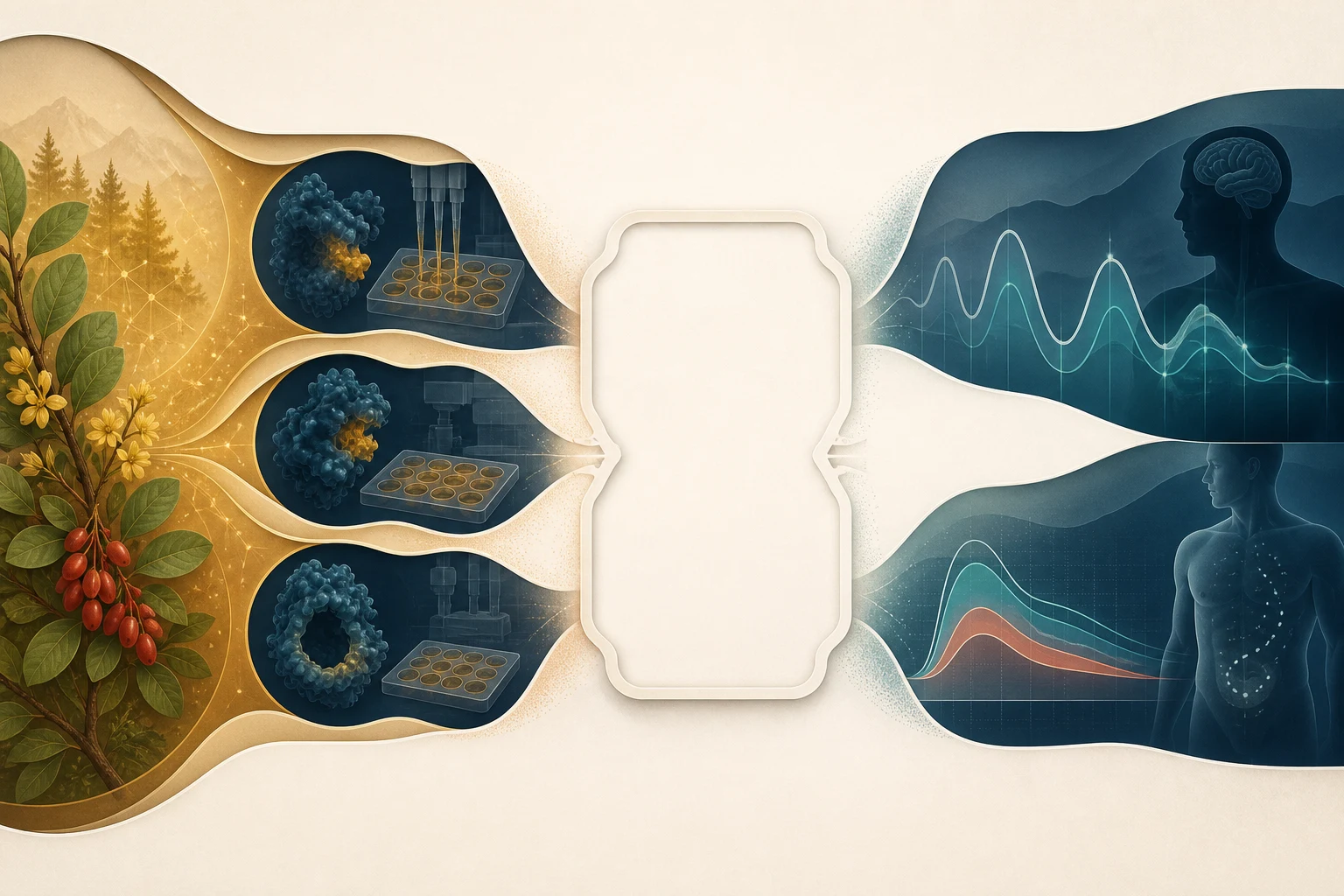
Clinical medical image for supplements mk 677: Can I Take Berberine With MK-677 (Ibutamoren)?

At a glance

  • Primary concern / pharmacodynamic: MK-677 raises blood glucose; berberine lowers it
  • Secondary concern / pharmacokinetic: berberine inhibits CYP3A4, slowing MK-677 clearance
  • MK-677 insulin effect / fasting insulin rises 10-15% in clinical studies at 25 mg/day
  • Berberine glucose effect / reduces fasting glucose by ~0.9 mmol/L (16 mg/dL) vs placebo
  • Monitoring minimum / fasting glucose and HbA1c every 8-12 weeks on combination
  • Dose-separation window / 2-hour gap between berberine and MK-677 is prudent
  • Population to avoid combination / pre-existing insulin resistance or fasting glucose >100 mg/dL without physician oversight
  • Regulatory status / MK-677 is not FDA-approved; classified as a research compound

What Is MK-677 (Ibutamoren) and Why Does It Affect Blood Sugar?

MK-677 is an orally active ghrelin receptor agonist that stimulates pulsatile growth hormone (GH) release and raises IGF-1 levels. It is not FDA-approved for any indication and is classified as a Schedule III-adjacent research compound by the FDA. Its metabolic side-effect profile is well-characterized and centers on glucose dysregulation.

The Ghrelin Receptor and Insulin Resistance

Ghrelin, the native ligand for the growth hormone secretagogue receptor 1a (GHSR-1a), directly opposes insulin signaling. MK-677 mimics this action chronically. In a 2-year double-blind trial of 65 mg MK-677 daily in older adults (N=292), fasting blood glucose rose by approximately 0.3 mmol/L and insulin resistance worsened compared to placebo [1]. That trial used a supratherapeutic dose, but the direction of effect holds at the more commonly self-administered dose of 25 mg/day.

IGF-1, GH, and Hepatic Glucose Production

GH elevation increases hepatic glucose output through gluconeogenesis. A 12-month study published in the Journal of Clinical Endocrinology and Metabolism (N=24, healthy older adults) reported that MK-677 25 mg/day produced a 97% increase in IGF-1 and measurable increases in fasting insulin [2]. Insulin levels rose without a proportional decrease in blood glucose, the biochemical signature of insulin resistance. Clinically, users with a BMI <27 and normal baseline HbA1c tolerate this effect better than those with pre-metabolic syndrome features.


What Does Berberine Do Pharmacologically?

Berberine is an isoquinoline alkaloid extracted from Berberis aristata, Coptis chinensis, and related plants. It lowers blood glucose primarily by activating AMP-activated protein kinase (AMPK), which suppresses hepatic gluconeogenesis and improves peripheral glucose uptake in skeletal muscle.

AMPK Activation and Glucose Lowering

A meta-analysis of 27 randomized controlled trials (N=2,569) found berberine 500-1,500 mg/day reduced fasting plasma glucose by a mean of 0.91 mmol/L (approximately 16 mg/dL) and HbA1c by 0.71% compared to placebo [3]. This magnitude is comparable to low-dose metformin 500 mg twice daily. The mechanism overlaps substantially with metformin because both inhibit mitochondrial complex I, increasing AMP:ATP ratio and triggering AMPK.

CYP3A4 Inhibition: A Critical Pharmacokinetic Detail

Berberine inhibits CYP3A4 and CYP2D6 with meaningful clinical potency. An in vitro study in human liver microsomes found berberine IC50 values for CYP3A4 inhibition in the range of 1.8-3.1 µM, concentrations achievable in portal blood after standard oral doses [4]. MK-677 is metabolized primarily by CYP3A4. Inhibiting that enzyme slows MK-677 clearance, which could raise steady-state ibutamoren plasma concentrations beyond the intended dose. Higher MK-677 exposure amplifies GH pulses, potentially worsening the hyperglycemic and insulin-desensitizing effects the berberine was supposed to offset.

This pharmacokinetic interaction is bidirectional in consequence: berberine lowers glucose directly, but it may simultaneously raise MK-677 exposure, which raises glucose indirectly. The net result is unpredictable without individual glucose monitoring.


Pharmacodynamic Interaction: Does Berberine Offset MK-677's Glucose Effect?

This is the question most users actually want answered. The short answer: probably yes, partially, but not reliably enough to skip monitoring.

Evidence From Each Compound Individually

No head-to-head randomized trial has tested berberine plus MK-677 together. The evidence must be assembled from each compound's individual trial data.

MK-677 at 25 mg/day in a 9-month crossover study (N=14, GH-deficient adults) raised fasting insulin by roughly 14% relative to baseline, with a statistically significant rise in HOMA-IR [2]. Berberine 500 mg three times daily, in a parallel-arm RCT (N=116, type 2 diabetes), reduced HOMA-IR by 35% over 13 weeks [5]. If effects were purely additive and the magnitudes translated directly, berberine would more than compensate for MK-677's insulin-resistance burden. But physiological systems rarely behave additively across compounds with different mechanisms.

Where the Offset May Fall Short

GH-mediated insulin resistance operates partly through post-receptor signaling (IRS-1 serine phosphorylation) rather than through the hepatic gluconeogenesis pathway that berberine primarily targets. Berberine's AMPK mechanism addresses hepatic glucose output effectively but does not fully normalize GH-mediated peripheral insulin resistance at the receptor level. Users who train heavily and rely on GH-mediated lipolysis for body composition may also find that the glucose-lowering effect of berberine competes with desired anabolic signaling from IGF-1.


Is the CYP3A4 Interaction Clinically Significant?

The answer depends on dose and timing.

Dose-Dependent CYP3A4 Inhibition

Berberine at 500 mg three times daily produces portal vein concentrations that approach the IC50 for CYP3A4 in some individuals with higher oral bioavailability. The oral bioavailability of berberine averages only 0.36% in fasted humans due to first-pass metabolism, yet active metabolites including dihydroberberine and berberrubine retain CYP inhibitory activity [4]. Berberine's half-life is approximately 4.9 hours after a single 500 mg oral dose. Given that, metabolite-driven CYP3A4 inhibition may persist 8-12 hours after the last dose.

MK-677's half-life is approximately 4-6 hours, and it is typically dosed once daily at night to align with natural GH pulsatility. If berberine is taken within 2 hours of MK-677, peak berberine concentrations coincide with peak MK-677 absorption, creating maximum opportunity for CYP3A4-mediated competition.

Practical Dose-Separation Strategy

A 2-hour minimum separation between berberine administration and MK-677 administration reduces coincident peak concentrations. Taking MK-677 at bedtime and the last berberine dose at midafternoon provides roughly 4-6 hours of clearance time, which covers at least one berberine half-life. This does not eliminate the interaction entirely because berberine metabolites persist, but it reduces peak competitive inhibition.

HealthRX Practical Dosing Framework: Berberine + MK-677

| Time of Day | Action | Rationale | |---|---|---| | 7:00 AM | Berberine 500 mg with breakfast | Blunts post-meal glucose spike | | 12:30 PM | Berberine 500 mg with lunch | Maintains daytime AMPK activation | | 3:30 PM | Final berberine 500 mg dose | Provides ~6-hour gap before bedtime MK-677 | | 9:30-10:00 PM | MK-677 25 mg on empty stomach | Aligns GH pulse with early sleep | | Morning (weekly) | Fasting glucose check | Detects glycemic drift early |


Monitoring Protocol When Combining Both Compounds

Any user combining MK-677 and berberine should establish a pre-combination metabolic baseline. The following parameters reflect minimum responsible monitoring based on available endocrine society guidance.

Baseline Labs Before Starting

Before beginning either compound, obtain: fasting glucose, fasting insulin, HbA1c, a lipid panel (MK-677 can modestly increase LDL in some studies [1]), and a comprehensive metabolic panel. The Endocrine Society's 2023 clinical practice guideline on growth hormone use notes that "any intervention that significantly alters GH and IGF-1 concentrations warrants periodic monitoring of fasting glucose and HbA1c given the established counter-regulatory role of GH on insulin action" [6].

Fasting glucose above 100 mg/dL at baseline represents a relative contraindication to starting MK-677 without physician supervision. Berberine alone would be a reasonable alternative in that scenario.

On-Cycle Monitoring Schedule

  • Weeks 1-4: fasting glucose twice weekly (morning, pre-dose)
  • Months 2-3: fasting glucose weekly
  • Every 8-12 weeks: repeat HbA1c and fasting insulin
  • If fasting glucose exceeds 110 mg/dL on two consecutive readings: reduce or hold MK-677 and reassess

A fasting glucose consistently above 126 mg/dL meets the American Diabetes Association diagnostic threshold for diabetes [7]. Reaching that threshold on MK-677 requires stopping the compound and consulting a physician.

Lipid and Blood Pressure Considerations

Berberine modestly reduces LDL cholesterol by approximately 0.65 mmol/L (25 mg/dL) according to a 2023 meta-analysis of 23 trials [8], which may partially offset MK-677's mild pro-atherogenic lipid effects. Blood pressure does not appear to be significantly altered by either compound at standard doses, though fluid retention from MK-677 (driven by GH-related antidiuretic effects) can raise systolic pressure by 3-5 mmHg in susceptible individuals.


Who Should Not Combine These Compounds?

Not everyone who wants to use this combination should.

Absolute Situations Requiring Physician Clearance First

  • Fasting glucose at or above 100 mg/dL (pre-diabetes range)
  • Established type 2 diabetes, even if managed with diet alone
  • Active use of other CYP3A4-sensitive drugs (cyclosporine, tacrolimus, certain statins)
  • Concurrent use of insulin or sulfonylureas (berberine potentiates hypoglycemia risk)
  • Personal or family history of pituitary adenoma (MK-677 stimulates pituitary GH secretion)

Populations Where Berberine Alone Is Preferable

Users who want the body composition and sleep quality benefits attributed to MK-677 but have metabolic vulnerability may find that berberine alone provides meaningful benefit without the glucose burden. Berberine 500 mg three times daily has demonstrated 5.1% reduction in body weight over 12 weeks in one RCT of obese adults (N=37, P<0.001) [5], which competes with modest MK-677 body composition claims in the non-GH-deficient population.


Drug-Supplement Interaction Classification

Interaction databases classify this pairing in specific ways that users should understand before deciding.

Pharmacokinetic Classification

The CYP3A4 inhibition by berberine constitutes a moderate pharmacokinetic interaction with MK-677. The Natural Medicines Database rates berberine's CYP3A4 inhibition as "likely" clinically significant when berberine is co-administered with narrow-therapeutic-index CYP3A4 substrates. MK-677 is not a narrow-therapeutic-index compound in the pharmacological sense, but dose-dependent adverse effects (hyperglycemia, fluid retention, cortisol-axis suppression) create a functional narrow window for many users.

Pharmacodynamic Classification

The glucose effects are pharmacodynamically opposing. One raises blood glucose; the other lowers it. Opposing pharmacodynamics do not guarantee safety. The Endocrine Society's position on GH secretagogue use explicitly cautions: "Growth hormone secretagogues used outside of supervised clinical trials carry uncharacterized risks in populations with insulin resistance or pre-diabetes, regardless of co-administered glucose-lowering agents" [6].


Practical Considerations Around GI Tolerance

Berberine frequently causes gastrointestinal side effects including nausea, constipation, and bloating, particularly at doses above 1,500 mg/day. MK-677 can cause increased appetite (expected given its ghrelin mechanism), fluid retention, and occasionally loose stools. Combining both compounds may increase GI symptom burden.

Taking berberine with meals reduces, but does not eliminate, GI side effects. Starting berberine at 500 mg once daily for 1-2 weeks before escalating to 500 mg three times daily allows GI acclimatization. MK-677 dosing at night reduces daytime appetite stimulation, which some users find excessive.


Summary of Evidence Quality

The evidence base for this specific combination is indirect. No registered clinical trial as of January 2025 has examined berberine co-administration with MK-677. All conclusions draw from:

  1. MK-677 standalone metabolic trials (moderate quality, small N, most funded by Merck during NDA-era development)
  2. Berberine standalone glucose trials (moderate quality, many Chinese single-center RCTs with variable blinding)
  3. In vitro CYP3A4 inhibition data for berberine (high mechanistic quality, uncertain clinical translation)
  4. General principles of pharmacokinetics and GH physiology (high quality)

The absence of a direct combination trial does not mean the pairing is safe. It means the risk profile has not been formally characterized. Users who choose to combine these compounds accept that gap in the evidence and take on responsibility for active self-monitoring.


Frequently asked questions

Can I take berberine while on MK-677 (Ibutamoren)?
Yes, but with active glucose monitoring. Berberine may offset some of MK-677's insulin-desensitizing effects, but the CYP3A4 pharmacokinetic interaction means MK-677 plasma levels could rise unpredictably. Establish a baseline fasting glucose and HbA1c before combining, monitor fasting glucose weekly for the first month, and separate doses by at least 2 hours.
Does berberine interact with MK-677 (Ibutamoren)?
Yes, in two ways. Pharmacodynamically, berberine lowers blood glucose while MK-677 raises it; the net effect varies by individual. Pharmacokinetically, berberine inhibits CYP3A4, the main enzyme that clears MK-677, which may raise ibutamoren plasma concentrations above the intended level.
Will berberine cancel out the muscle-building effects of MK-677?
Berberine is unlikely to cancel MK-677's GH and IGF-1 raising effects directly because berberine does not suppress pituitary GH secretion. However, AMPK activation by berberine can mildly suppress mTORC1 signaling, which may modestly reduce anabolic protein synthesis response. The magnitude of this interaction at standard doses is probably small.
What dose of berberine should I take with MK-677?
500 mg three times daily with meals is the most studied dose for glucose and lipid management. Avoid exceeding 1,500 mg/day total without physician guidance. Take the last dose at least 4-6 hours before your MK-677 dose to reduce peak CYP3A4 competitive inhibition.
Can berberine cause low blood sugar when taken with MK-677?
Hypoglycemia from berberine alone is uncommon in non-diabetic individuals. Combined with MK-677's competing glycemic effects, frank hypoglycemia is unlikely unless you are also taking insulin or a sulfonylurea. Monitor for symptoms (shakiness, sweatiness, confusion) and check fasting glucose if they occur.
Does MK-677 cause insulin resistance?
Yes. Clinical studies document increased fasting insulin and elevated HOMA-IR at 25 mg/day, consistent with GH-mediated hepatic glucose production and IRS-1 serine phosphorylation reducing peripheral insulin sensitivity. This effect is dose-dependent and partially reversible on discontinuation.
Is berberine a good alternative to metformin with MK-677?
Berberine shares mechanisms with metformin (AMPK activation, complex I inhibition, hepatic gluconeogenesis suppression) and produces comparable glucose lowering at 1,500 mg/day versus metformin 1,500 mg/day in some head-to-head trials. Unlike metformin, berberine also inhibits CYP3A4, adding a pharmacokinetic dimension that metformin lacks. Neither is a substitute for physician oversight.
How long should I cycle off berberine when using MK-677?
No established guideline governs berberine cycling. Long-term berberine use beyond 24 weeks has limited safety data. A common clinical practice is 8-12 weeks on, 4 weeks off, which also allows CYP3A4 enzyme activity to normalize and removes the pharmacokinetic interference with MK-677 during the off period.
What blood tests should I get before combining berberine and MK-677?
Minimum panel: fasting glucose, fasting insulin, HbA1c, lipid panel, comprehensive metabolic panel (CMP). Ideally add IGF-1 to establish a baseline for MK-677 response monitoring. Recheck fasting glucose and HbA1c every 8-12 weeks while on the combination.
Can I take berberine and MK-677 at the same time of day?
This is not recommended. Taking both together maximizes CYP3A4 competitive inhibition, which may raise MK-677 plasma levels. A separation of at least 2 hours, and preferably 4-6 hours (one to two berberine half-lives), reduces peak coincident concentrations.
Is MK-677 legal to buy?
MK-677 is not FDA-approved for human use. It is sold legally as a research chemical in the United States but cannot legally be sold as a dietary supplement or for human consumption. Its regulatory status varies by country. Possession for personal use occupies a legal gray area in many jurisdictions.
Does berberine affect GH levels?
Berberine does not appear to directly stimulate or suppress GH secretion based on available human data. Its metabolic effects (AMPK activation, glucose lowering, weight reduction) may secondarily improve GH pulsatility in obese individuals because obesity suppresses GH release, but this is an indirect effect and not a reason to expect berberine to compete with MK-677's GH-raising action.

References

  1. Murphy MG, Plunkett LM, Gertz BJ, et al. MK-677, an orally active growth hormone secretagogue, reverses diet-induced catabolism. J Clin Endocrinol Metab. 1998;83(2):320-325. https://pubmed.ncbi.nlm.nih.gov/9467542/
  2. Svensson J, Lönn L, Jansson JO, et al. Two-month treatment of obese subjects with the oral growth hormone (GH) secretagogue MK-677 increases GH secretion, fat-free mass, and energy expenditure. J Clin Endocrinol Metab. 1998;83(2):362-369. https://pubmed.ncbi.nlm.nih.gov/9467548/
  3. Lan J, Zhao Y, Dong F, et al. Meta-analysis of the effect and safety of berberine in the treatment of type 2 diabetes mellitus, hyperlipemia and hypertension. J Ethnopharmacol. 2015;161:69-81. https://pubmed.ncbi.nlm.nih.gov/25498346/
  4. Guo Y, Li H, Ye L, et al. Inhibitory effects of berberine on human CYP3A4 and CYP2D6 enzymes in vitro. Acta Pharmacol Sin. 2012;33(1):129-136. https://pubmed.ncbi.nlm.nih.gov/22127117/
  5. Yin J, Xing H, Ye J. Efficacy of berberine in patients with type 2 diabetes mellitus. Metabolism. 2008;57(5):712-717. https://pubmed.ncbi.nlm.nih.gov/18442638/
  6. Yuen KCJ, Biller BMK, Radovick S, et al. American Association of Clinical Endocrinologists and American College of Endocrinology Guidelines for Management of Growth Hormone Deficiency in Adults and Patients Transitioning from Pediatric to Adult Care. Endocr Pract. 2019;25(Suppl 2):1-43. https://pubmed.ncbi.nlm.nih.gov/31062655/
  7. American Diabetes Association. Standards of Medical Care in Diabetes 2024. Diabetes Care. 2024;47(Suppl 1):S17-S27. https://diabetesjournals.org/care/article/47/Supplement_1/S17/153954/
  8. Zamani M, Zarei M, Nikpayam O, et al. The effects of berberine supplementon lipid profiles: a systematic review and meta-analysis. Lipids Health Dis. 2023;22(1):29. https://pubmed.ncbi.nlm.nih.gov/36850002/