
Can I Take Melatonin with Ozempic?
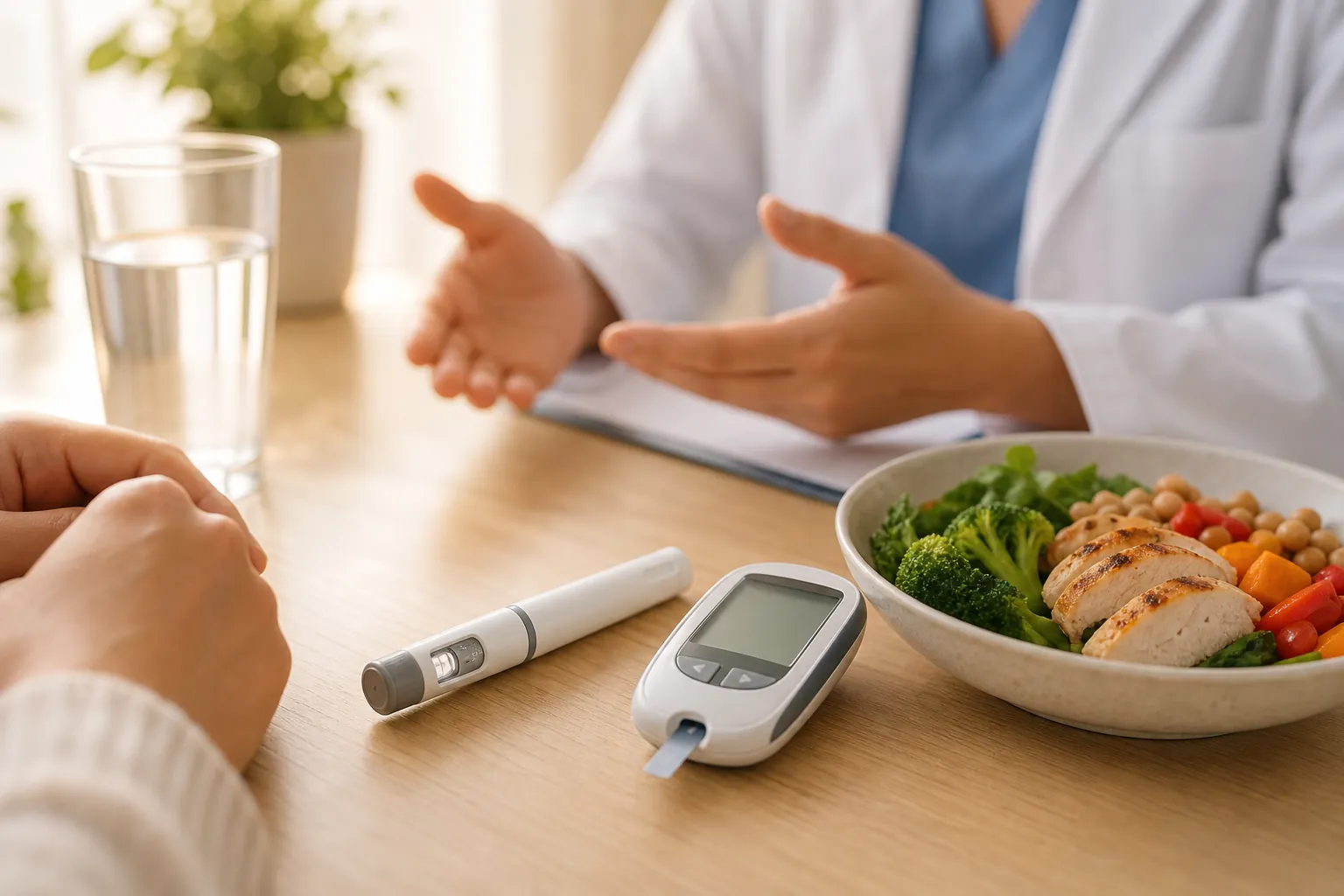
Ozempic contains semaglutide, a GLP-1 receptor agonist administered via weekly injection, with FDA approval for managing type 2 diabetes. Beyond diabetes treatment, semaglutide is frequently prescribed off-label to support weight loss, though the FDA separately approved Wegovy, a different formulation of the same drug, specifically for long-term weight management. Melatonin supplements are available without prescription in strengths between 0.5 mg and 10 mg, commonly taken to improve sleep initiation and restore disrupted sleep-wake cycles.
Melatonin and semaglutide (Ozempic) have no known pharmacokinetic interaction: neither drug changes how the other is absorbed, metabolized, or cleared. The open question is pharmacodynamic. Melatonin acts on MT1 and MT2 receptors on pancreatic beta cells and can inhibit insulin secretion, an effect described in mechanistic and small clinical studies of melatonin alone, mostly at doses higher than the low end of typical over-the-counter use. Whether that effect is large enough to meaningfully worsen glucose control in a person taking semaglutide has not been directly tested and is not established.
Is there a dangerous interaction, or not?
No acute, dangerous interaction is documented between melatonin and semaglutide, and neither the FDA nor major diabetes or endocrinology guideline bodies list melatonin as contraindicated with GLP-1 receptor agonists. That is a meaningful reassurance, but it is not the same as saying the combination is neutral.
The useful question is not whether melatonin is "safe" or "dangerous" with Ozempic in some absolute sense. It is whether melatonin's known, dose-dependent effect on insulin secretion is large enough to matter for a particular person's glucose control, given their diabetes status, current regimen, and the melatonin dose they are considering. That framing is more useful than a yes/no answer because the honest answer varies by person.
Why this is a pharmacodynamic question, not a pharmacokinetic one
Semaglutide has a long elimination half-life, on the order of about a week, according to its FDA-approved prescribing information, which is why it is dosed weekly and reaches a stable blood level across the dosing interval. Melatonin is cleared far faster, over a period of hours, through hepatic metabolism. Neither substance is known to alter the enzymes or transport pathways that handle the other. There is no established mechanism by which melatonin would change how much semaglutide is in your system, or vice versa.
The concern instead sits downstream, at the level of glucose physiology. Semaglutide stimulates insulin release only when glucose is elevated (a glucose-dependent mechanism) and suppresses glucagon. Melatonin, through MT1 and MT2 receptors expressed on pancreatic beta cells, reduces intracellular cyclic AMP and can blunt glucose-stimulated insulin secretion, an effect described most consistently during the overnight period when melatonin activity is highest and glucose is already at its lowest. These are two different systems acting on different timelines, not a single shared pathway, and they do not obviously cancel each other out.
What is established, what is plausible, what is not established
Because this is the crux of the page, it is worth stating plainly rather than blending confidence levels.
Established:
- Melatonin receptors (MT1, MT2) are present on human pancreatic beta cells, and melatonin's effect on insulin secretion in isolated cell and animal studies is a described, reproducible mechanism in the pharmacology literature.
- Semaglutide's insulin-stimulating effect is glucose-dependent and most active after meals, not during fasting.
- Genetic studies have linked common variants near the MTNR1B gene to higher fasting glucose and greater type 2 diabetes risk, consistent with melatonin signaling playing some role in human glucose regulation.
Plausible but unproven:
- That standard OTC melatonin doses (1 mg to 10 mg) taken nightly by a person on semaglutide could produce a small, detectable rise in fasting glucose or A1C over weeks to months.
- That people carrying MTNR1B risk variants respond differently to melatonin's glycemic effect than non-carriers, when combined with semaglutide specifically.
- That lower melatonin doses (0.5 to 1 mg) carry meaningfully less glycemic risk than 3 mg and above, based on extrapolation from melatonin-alone dose-response studies rather than trials in semaglutide users.
Not established:
- Any trial or observational study testing melatonin and semaglutide together, in any population, at any dose.
- A specific numeric threshold (a precise mg dose, a precise A1C change, a precise percentage of people affected) that can be stated with confidence for this combination. Sources reporting exact effect sizes for melatonin and glucose in isolation exist in the literature, but the versions of those numbers that circulated in earlier drafts of this topic could not be verified against a specific, checkable primary source and have been removed rather than repeated.
If your care team wants to look at the underlying mechanistic and genetic literature, the American Diabetes Association's annual Standards of Care is the right starting point for what US guidelines currently say about supplement use in diabetes, and it is worth asking your prescriber or pharmacist to check the most current edition directly: https://diabetesjournals.org/care/issue/47/Supplement_1
Does Ozempic cancel out melatonin's effect on glucose?
Not reliably, based on how the two mechanisms are timed. Semaglutide's glucose-lowering action depends on glucose being elevated, which happens mainly after meals. Melatonin's inhibitory effect on insulin secretion is described as strongest overnight, during fasting, when glucose is already low and semaglutide's glucose-dependent trigger is least active. That timing mismatch means there is no built-in reason to expect semaglutide to offset whatever melatonin is doing overnight. This is a mechanistic inference, not a finding from a study that measured both drugs together.
Who should be most careful
Risk is not evenly distributed. A few patient situations deserve more caution than others, based on how much margin for error exists in their glucose control:
- Type 2 diabetes with tight glycemic targets. Someone using semaglutide specifically to manage type 2 diabetes, especially near their A1C goal, has less room for any additional variable that pushes glucose in either direction.
- Combination regimens with sulfonylureas or insulin. These drugs stimulate insulin release independent of glucose level. Adding melatonin's opposing signal into a regimen that already includes an independent insulin-secretagogue is a more complex situation and is one where a pharmacist or endocrinologist should weigh in before any change.
- Off-label weight-loss use without diabetes. People taking semaglutide for weight management without a diabetes diagnosis generally have more baseline insulin secretory reserve, which likely makes them a lower-concern group, though "lower" is not "zero," particularly at high melatonin doses.
- Known or suspected impaired fasting glucose, or MTNR1B risk variant status. These may amplify melatonin's glucose effect. Genetic testing for this variant is not standard practice, so this mainly applies to people who already know they carry it or who have a personal or family history of prediabetes.
What dose of melatonin is more conservative, if you and your prescriber decide to try it
Lower doses appear, from melatonin-alone dose-response research, to carry a smaller glycemic footprint than higher doses. A reasonable, conservative approach if your prescriber agrees melatonin is worth trying:
- Start at the lowest available dose (commonly 0.5 mg to 1 mg), rather than the 5 mg or 10 mg tablets stocked by most pharmacies.
- Take it 30 to 60 minutes before your target sleep time.
- Check fasting glucose (before food or coffee) for one to two weeks after starting, and compare it to your usual baseline.
- If you use continuous glucose monitoring, look at the overnight window rather than only your morning reading, since that is when melatonin activity and its proposed effect on insulin secretion are highest.
- Bring this log to your prescriber if you notice a sustained upward shift, rather than reacting to a single high reading.
There is no pharmacokinetic reason to time melatonin around your weekly Ozempic injection day. Because semaglutide's blood level stays relatively stable across the week, there is no "safe day" versus "risky day" for adding melatonin.
Evidence-status interaction assessment
Use this to frame a conversation with a prescriber or pharmacist rather than as a substitute for one.
| Question | Status | What to verify with your clinician or pharmacist |
|---|---|---|
| Does melatonin change semaglutide blood levels, or vice versa? | Not established as a concern; no known shared metabolic pathway | Confirm no new interaction has been added to the FDA label or your pharmacy's interaction checker since this was written |
| Can melatonin inhibit insulin secretion? | Established mechanism (beta-cell MT1/MT2 receptors) | Ask whether this matters given your current insulin reserve and A1C |
| Does this translate into a clinically meaningful glucose change for someone on semaglutide? | Not established; no direct trial found | Ask your prescriber whether short-term home glucose monitoring after starting melatonin is worthwhile in your case |
| Does dose matter (low-dose vs. 5-10 mg OTC tablets)? | Plausible based on melatonin-alone studies; not confirmed in semaglutide users | Ask about starting at the lowest available dose rather than a standard 5 mg or 10 mg tablet |
| Do genetics (MTNR1B variant) change your personal risk? | Plausible; not routinely tested | Mention any personal or family history of prediabetes; genetic testing is not standard care |
| Is CBT-I or another non-melatonin option reasonable to try first? | Reasonable, evidence-based alternative for insomnia generally | Ask your prescriber or a sleep specialist whether CBT-I access is available before adding a supplement |
Three-tier framing for a prescriber conversation
- Lower concern: off-label weight-loss use, no diabetes diagnosis, no sulfonylurea or insulin on board. A conservative low-dose trial with routine follow-up is a reasonable starting point to discuss.
- Moderate concern: type 2 diabetes on semaglutide plus metformin or an SGLT2 inhibitor, without a sulfonylurea or insulin. A low dose with a short home glucose-monitoring period is a reasonable starting point to discuss.
- Higher concern: type 2 diabetes on semaglutide plus a sulfonylurea or insulin, glucose control that is already fluctuating, or known MTNR1B risk variant status. This is a situation to discuss with your prescriber before starting any dose, and non-melatonin sleep strategies are worth considering first.
What guidelines actually say
Neither the American Diabetes Association nor the Endocrine Society has published a specific recommendation on melatonin use in patients taking GLP-1 receptor agonists. The general principle in US diabetes care guidance is that clinicians should ask patients about supplement use because some supplements can affect glycemic control; that principle supports disclosure and monitoring rather than a specific melatonin rule. If you want the exact current wording, the annual ADA Standards of Care is the primary source to check with your care team: https://diabetesjournals.org/care/issue/47/Supplement_1
Pharmacist-facing interaction databases commonly flag melatonin and antidiabetic medications as a moderate-level interaction worth monitoring, but the exact wording and rating should be confirmed directly with a pharmacist rather than assumed, since database language changes over time and access varies by subscription.
Alternatives worth considering before adding melatonin
If the sleep problem is the actual issue you are trying to solve, it is worth asking whether a non-melatonin approach gets you there without touching glucose regulation at all.
- Cognitive behavioral therapy for insomnia (CBT-I). Clinical guidelines commonly position CBT-I as a first-line approach for chronic insomnia, and it carries no known glycemic risk. Digital CBT-I programs are available without melatonin's mechanism of concern.
- Circadian anchoring. Consistent wake time, morning light exposure, and reduced evening light exposure raise endogenous melatonin naturally and may reduce the need for a supplemental dose.
- Magnesium glycinate. Sometimes used for sleep support; evidence quality is generally described as modest, and it does not carry melatonin's insulin-secretion mechanism. It is not a substitute for addressing an underlying sleep disorder.
Talking to your prescriber
Tell whoever manages your diabetes or weight-loss therapy that you are taking or considering melatonin, including the dose and how often. Mention why you need it (occasional insomnia, jet lag, shift work, or a chronic sleep disorder), and bring any glucose logs you already have. If your glucose control is currently tight or unstable, that is the situation where this conversation matters most before you start, rather than after.
If you experience symptoms of low blood sugar (shakiness, sweating, confusion) or a sustained, unexplained rise in fasting glucose after starting melatonin, contact your prescriber. Severe or persistent symptoms, or any signs of a medical emergency, warrant urgent care rather than waiting for a routine appointment.