
Can I Take Ginseng With Rybelsus? A Clinical Look at the Interaction
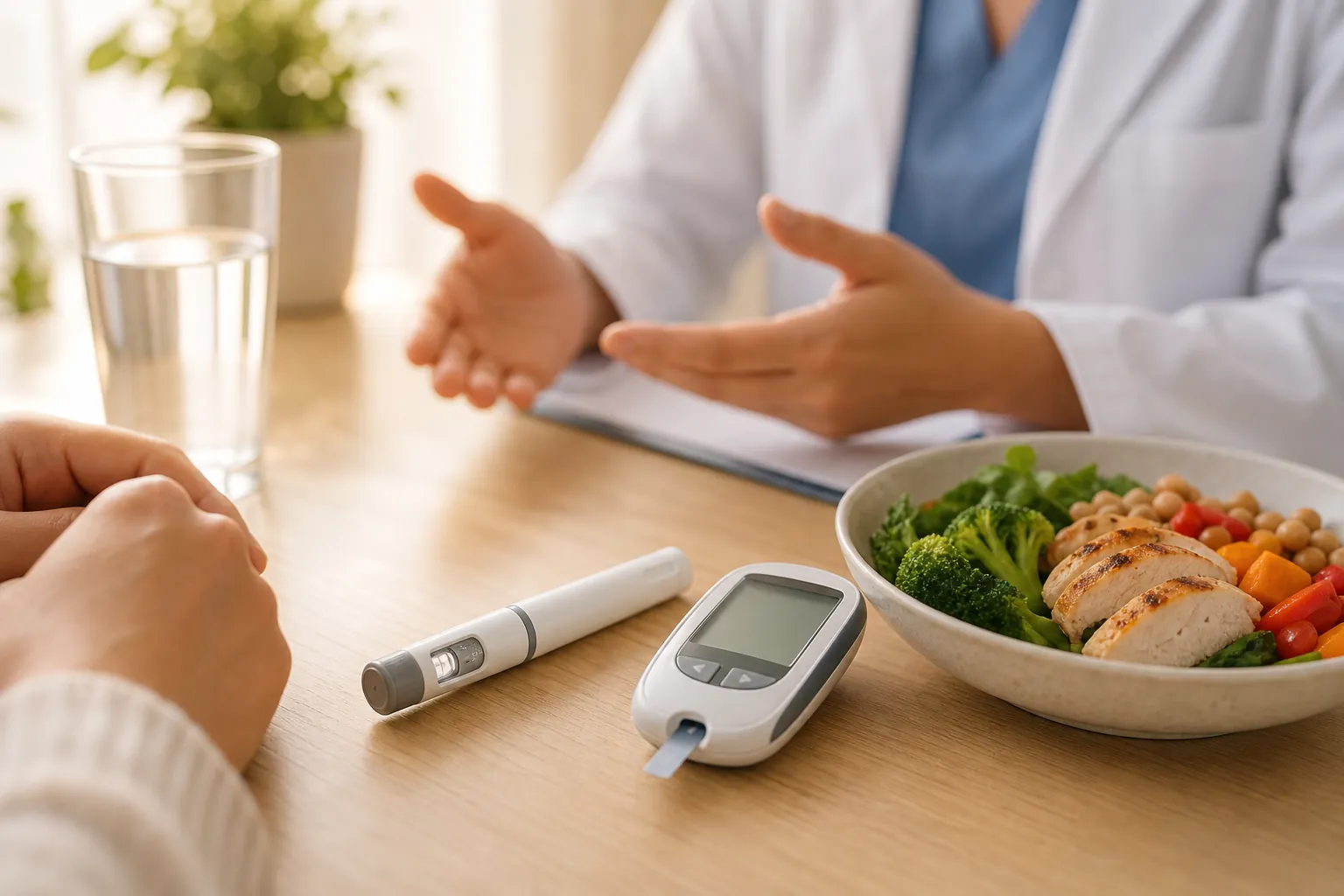
At a glance
- Drug / Rybelsus (oral semaglutide), GLP-1 receptor agonist for type 2 diabetes
- Supplement / American and Asian ginseng (Panax quinquefolius, Panax ginseng)
- Primary interaction type / Pharmacodynamic, additive glucose lowering
- Secondary concern / Mild anticoagulant effect of ginsenosides may matter if you also take antiplatelet agents
- Hypoglycemia risk / Low on semaglutide monotherapy; higher if combined with a sulfonylurea or insulin
- Monitoring recommendation / Fasting glucose and postprandial checks for the first 4 weeks after adding ginseng
- Timing note / Rybelsus must be taken on an empty stomach with up to 4 oz water; ginseng should not share that 30-minute window
- Guideline stance / No formal contraindication in ADA 2024 Standards of Care; clinical judgment applies
How Rybelsus Works and Why Supplements Matter
Rybelsus delivers semaglutide by mouth. Each tablet uses the absorption enhancer SNAC (sodium N-(8-[2-hydroxybenzoyl]amino)caprylate) to raise gastric pH locally and allow semaglutide to cross the gastric epithelium intact. The FDA-approved prescribing information specifies the tablet must be taken with no more than 120 mL of water, on an empty stomach, at least 30 minutes before any food, drink, or other oral medication. [1]
The GLP-1 Mechanism in Brief
Semaglutide binds GLP-1 receptors on pancreatic beta cells. Glucose-dependent insulin secretion rises, glucagon secretion falls, and gastric emptying slows. Because insulin release is glucose-dependent, hypoglycemia on semaglutide alone is uncommon. The PIONEER 1 trial (N=703, 26 weeks, semaglutide 14 mg vs. Placebo in drug-naive type 2 diabetes) recorded confirmed or severe hypoglycemia events in only 1.2% of the semaglutide arm vs. 0.6% placebo. [2]
Why the Absorption Window Matters for Any Supplement
Any compound that changes gastric pH, slows motility further, or competes for transporter proteins could theoretically change Rybelsus bioavailability. Ginseng extracts do not appear to meaningfully alter gastric pH, but separating all supplements from that critical 30-minute window is still the standard clinical recommendation given in the product label. [1]
What Ginseng Does to Blood Glucose
Ginseng is not a passive supplement. Both American ginseng (Panax quinquefolius) and Asian ginseng (Panax ginseng) produce measurable reductions in fasting and postprandial glucose through multiple mechanisms.
Ginsenoside Mechanisms
Ginsenosides, the primary bioactive compounds, act on insulin signaling pathways, GLUT4 translocation, and AMP-activated protein kinase (AMPK). A randomized, double-blind crossover trial published in Archives of Internal Medicine (N=19 patients with type 2 diabetes, 40-day treatment periods) found that 3 g of American ginseng taken 40 minutes before a glucose challenge reduced the 2-hour postprandial glucose area-under-the-curve by approximately 20% compared with placebo (P<0.05). [3]
Evidence From Systematic Reviews
A 2014 systematic review and meta-analysis in PLOS ONE pooled 16 randomized controlled trials (N=770 participants) and found ginseng supplementation produced a statistically significant reduction in fasting blood glucose of roughly 0.31 mmol/L (about 5.6 mg/dL) compared with controls. [4] That reduction is modest on its own, but it is not negligible when stacked on a drug already lowering glucose by 1.0 to 1.5 percentage points in HbA1c. The PIONEER 1 trial reported mean HbA1c reductions of 1.4% with semaglutide 14 mg at 26 weeks. [2]
Timing of Ginseng's Glucose Effect
American ginseng taken 40 minutes before a meal appears to blunt postprandial spikes more than it lowers fasting glucose. [3] Asian ginseng taken with meals shows both fasting and postprandial effects. This timing distinction matters because semaglutide's insulin-sensitizing and gastric-emptying effects are also most active in the postprandial window. Overlapping peak effects in that window is where additive lowering becomes most relevant.
The Core Interaction: Pharmacodynamic, Not Pharmacokinetic
The ginseng-Rybelsus interaction is primarily pharmacodynamic. Both agents reduce blood glucose through separate but converging pathways. Semaglutide acts on GLP-1 receptors; ginsenosides act on AMPK and insulin receptor signaling. There is no credible evidence that ginsenosides inhibit or induce the enzymes (primarily CYP3A4 is not a significant route for semaglutide) responsible for semaglutide's metabolism. Semaglutide is metabolized by proteolytic cleavage, not by cytochrome P450 enzymes, so classic herb-drug pharmacokinetic interactions seen with CYP substrates are unlikely here. [1]
Additive Glucose Lowering: When It Becomes Clinically Relevant
On semaglutide monotherapy, the risk of clinically significant hypoglycemia (blood glucose <70 mg/dL with symptoms) remains low because GLP-1 receptor agonists are glucose-dependent. Adding ginseng does not switch off that glucose-dependency, but it adds a glucose-lowering vector that is at least partially insulin-independent (AMPK activation). The practical risk escalates when:
- A sulfonylurea (e.g., glipizide, glimepiride) is also on the medication list
- Basal insulin or rapid insulin is co-prescribed
- The patient is eating irregularly or fasting for a procedure
- The ginseng dose is high (above 3 g/day of standardized extract)
In those scenarios, hypoglycemia should be discussed explicitly with the prescriber.
Anticoagulant Signal: A Secondary Concern
Several ginsenosides inhibit platelet aggregation and may prolong bleeding time. A review in Pharmacognosy Reviews described ginsenoside-Rb1 and Rg1 as inhibitors of thromboxane B2 synthesis and ADP-induced platelet aggregation. [5] Semaglutide itself carries no anticoagulant activity. But patients with type 2 diabetes are frequently co-prescribed aspirin, clopidogrel, or warfarin. Adding ginseng in that context adds a mild anticoagulant variable. The FDA Natural Medicines database rates the warfarin-ginseng combination as a moderate interaction requiring monitoring. If you take any blood-thinning medication alongside Rybelsus, flag ginseng use for your prescriber. [1]
What the ADA and Clinical Guidelines Say
The American Diabetes Association (ADA) 2024 Standards of Care in Diabetes does not specifically contraindicate ginseng in patients on GLP-1 receptor agonists. Section 4 (Comprehensive Medical Evaluation) recommends clinicians ask about dietary supplements at every visit, stating: "Clinicians should ask patients about the use of over-the-counter medications, dietary supplements, and herbal preparations because they can interact with diabetes medications." [6]
The ADA does not endorse ginseng as an adjunct glucose-lowering therapy, noting that evidence for herbal supplements remains insufficient for a formal recommendation. [6] That is not a prohibition, it is an acknowledgment that the data are not strong enough to recommend the combination as standard care.
The HealthRX.com Clinical Decision Framework: Ginseng + Rybelsus
Use this framework before deciding whether to continue, pause, or monitor ginseng use alongside oral semaglutide:
| Patient Situation | Action |
|---|---|
| Semaglutide monotherapy, HbA1c well-controlled, no anticoagulants | Continue ginseng at <3 g/day with self-monitoring for 4 weeks |
| Semaglutide plus sulfonylurea or insulin | Discuss with prescriber before starting ginseng; increase glucose monitoring frequency |
| Semaglutide plus warfarin, clopidogrel, or aspirin 325 mg | Flag ginseng to prescriber; INR check within 2 weeks of starting if on warfarin |
| HbA1c already below 6.5% on current regimen | Avoid high-dose ginseng (>3 g/day) without explicit prescriber guidance |
| Planning a surgical or invasive procedure | Discontinue ginseng 7 days before the procedure per standard pre-op herbal guidance |
Practical Guidance on Timing and Dosing
Getting the timing right is simple. Rybelsus should be taken first, on an empty stomach, with no more than 4 oz (120 mL) of plain water, then wait at least 30 minutes before taking ginseng or any other supplement. [1] This keeps ginseng out of the dedicated absorption window that SNAC-facilitated semaglutide requires.
Ginseng Dose Ranges in Clinical Studies
Trials showing glucose-lowering benefit generally used:
- American ginseng (Panax quinquefolius): 1 to 3 g of root powder or standardized extract per day [3]
- Asian ginseng (Panax ginseng): 200 to 400 mg of standardized extract (typically 4 to 7% ginsenosides) per day [4]
Higher doses do not linearly increase benefit and may increase the risk of adverse effects including insomnia, headache, and GI upset, all of which overlap with common semaglutide side effects and could confuse symptom tracking.
What to Monitor in the First Month
Clinicians and patients adding ginseng to a stable Rybelsus regimen should track:
- Fasting glucose on waking for the first 2 weeks
- 2-hour postprandial glucose after the largest meal of the day
- Any symptoms of hypoglycemia: shakiness, sweating, palpitations, confusion
- Blood pressure (ginseng may modestly lower systolic pressure in some patients)
A 2-week check-in with your care team, either by portal message or brief telehealth appointment, is appropriate when any new supplement with glucose-altering potential is introduced.
Special Populations and Considerations
Patients Using Rybelsus Off-Label for Weight Loss
Rybelsus is approved only for type 2 diabetes. Prescribers sometimes use it off-label for weight management when injectable semaglutide (Ozempic, Wegovy) is unavailable. In that context, the patient may not have diabetes and baseline glucose may be in the normal range. Adding ginseng in a euglycemic patient on semaglutide for weight loss still poses a low but non-zero risk of postprandial hypoglycemia, particularly if the patient is also following a low-carbohydrate diet. Caloric restriction plus GLP-1 agonism plus ginseng all reduce postprandial glucose via separate mechanisms.
Older Adults
Adults over 65 taking Rybelsus have a higher baseline risk of hypoglycemia-related falls and cognitive impairment. A prospective cohort study in Diabetes Care found that hypoglycemic episodes in older adults with type 2 diabetes were associated with a 2.4-fold increased risk of dementia over 5 years. [7] Caution with additive glucose-lowering supplements is therefore proportionally greater in this population.
Patients With Renal Impairment
Rybelsus does not require dose adjustment for renal impairment, but patients with chronic kidney disease are often on multiple medications including anticoagulants and antihypertensives. Ginseng's mild anticoagulant and antihypertensive properties compound polypharmacy complexity in this group. [1]
Ginseng Products: Quality and Standardization Problems
Ginseng is among the most adulterated herbal supplements on the US market. A 2012 report by ConsumerLab.com found that several popular ginseng products contained as little as 15% of their labeled ginsenoside content. The FDA does not pre-approve dietary supplements for safety or efficacy before they reach store shelves, a point the FDA itself makes explicit in its dietary supplement guidance. [8]
This matters clinically. A patient reporting "I take 500 mg of ginseng daily" may actually be consuming anywhere from 75 mg to 900 mg of active ginsenosides depending on the product. Variable potency makes predicting the interaction magnitude difficult. Choosing products certified by NSF International, USP, or ConsumerLab reduces this uncertainty substantially.
Rybelsus Drug Interactions Beyond Ginseng
Understanding ginseng's role is easier with context about Rybelsus's broader interaction profile.
The 30-Minute Rule Applies to All Oral Drugs
Because Rybelsus uses a unique absorption mechanism, the product label explicitly states all other oral medications should be taken at least 30 minutes after Rybelsus. [1] This is not specific to ginseng. It applies to metformin, levothyroxine, oral contraceptives, and any other supplement.
Drugs That Affect Gastric Emptying
Semaglutide slows gastric emptying. This can reduce the rate of absorption (though usually not total absorption) of other oral drugs taken simultaneously. A pharmacokinetic sub-study of the PIONEER program showed that semaglutide reduced the Cmax of co-administered omeprazole by approximately 40%, though overall exposure (AUC) was not significantly affected. [9] Ginseng does not substantially slow gastric emptying and is unlikely to be affected by semaglutide's motility effects at the absorption level.
When to Call Your Prescriber Immediately
Contact your care team the same day if you experience:
- Blood glucose readings below 70 mg/dL with symptoms after starting ginseng
- Unusual bruising or prolonged bleeding if you also take a blood thinner
- Rapid heart rate, diaphoresis, or confusion after meals
- Any GI bleeding signs if on antiplatelet therapy
These symptoms may or may not be related to the ginseng-Rybelsus combination, but they warrant same-day evaluation.
Frequently asked questions
Can I take ginseng while on Rybelsus?
Does ginseng interact with Rybelsus?
Is ginseng safe with Rybelsus?
What type of ginseng should I avoid with Rybelsus?
Will ginseng make Rybelsus work better for weight loss?
Can ginseng cause low blood sugar with Rybelsus?
How long before Rybelsus should I take ginseng?
Should I tell my doctor I take ginseng with Rybelsus?
Does ginseng affect the absorption of Rybelsus?
Are there any ginseng-drug interactions I should know about if I take other diabetes medications with Rybelsus?
References
-
US Food and Drug Administration. Rybelsus (semaglutide) tablets prescribing information. Revised 2023. https://www.accessdata.fda.gov/drugsatfda_docs/label/2023/213051s010lbl.pdf
-
Aroda VR, Rosenstock J, Terauchi Y, et al. PIONEER 1: Randomized Clinical Trial of the Efficacy and Safety of Oral Semaglutide Monotherapy in Comparison With Placebo in Patients With Type 2 Diabetes. Diabetes Care. 2019;42(9):1724-1732. https://pubmed.ncbi.nlm.nih.gov/31186300/
-
Vuksan V, Sievenpiper JL, Koo VY, et al. American ginseng (Panax quinquefolius L) reduces postprandial glycemia in nondiabetic subjects and subjects with type 2 diabetes mellitus. Arch Intern Med. 2000;160(7):1009-1013. https://pubmed.ncbi.nlm.nih.gov/10761967/
-
Shishtar E, Sievenpiper JL, Djedovic V, et al. The effect of ginseng (the genus panax) on glycemic control: a systematic review and meta-analysis of randomized controlled clinical trials. PLOS ONE. 2014;9(9):e107391. https://pubmed.ncbi.nlm.nih.gov/25265315/
-
Attele AS, Wu JA, Yuan CS. Ginseng pharmacology: multiple constituents and multiple actions. Biochem Pharmacol. 1999;58(11):1685-1693. https://pubmed.ncbi.nlm.nih.gov/10571242/
-
American Diabetes Association Professional Practice Committee. Standards of Care in Diabetes, 2024. Diabetes Care. 2024;47(Suppl 1):S1-S321. https://diabetesjournals.org/care/article/47/Supplement_1/S1/153946
-
Whitmer RA, Karter AJ, Yaffe K, Quesenberry CP Jr, Selby JV. Hypoglycemic episodes and risk of dementia in older patients with type 2 diabetes mellitus. JAMA. 2009;301(15):1565-1572. https://pubmed.ncbi.nlm.nih.gov/19366776/
-
US Food and Drug Administration. Dietary Supplements: What You Need to Know. Updated 2023. https://www.fda.gov/food/buy-store-serve-safe-food/dietary-supplements-what-you-need-know
-
Granhall C, Donsmark M, Blicher TM, et al. Safety and Pharmacokinetics of Single and Multiple Ascending Doses of the Novel Oral Human GLP-1 Analogue, Oral Semaglutide, in Healthy Subjects and Subjects with Type 2 Diabetes. Clin Pharmacokinet. 2019;58(6):781-791. Safety and Pharmacokinetics of Single and Multiple Ascending Doses of the Novel Oral Human GLP-1 Analogue, Oral Semaglutide, in Healthy Subjects and Subjects with Type 2 Diabetes