Ozempic Injection: Administration, Sites, and Storage
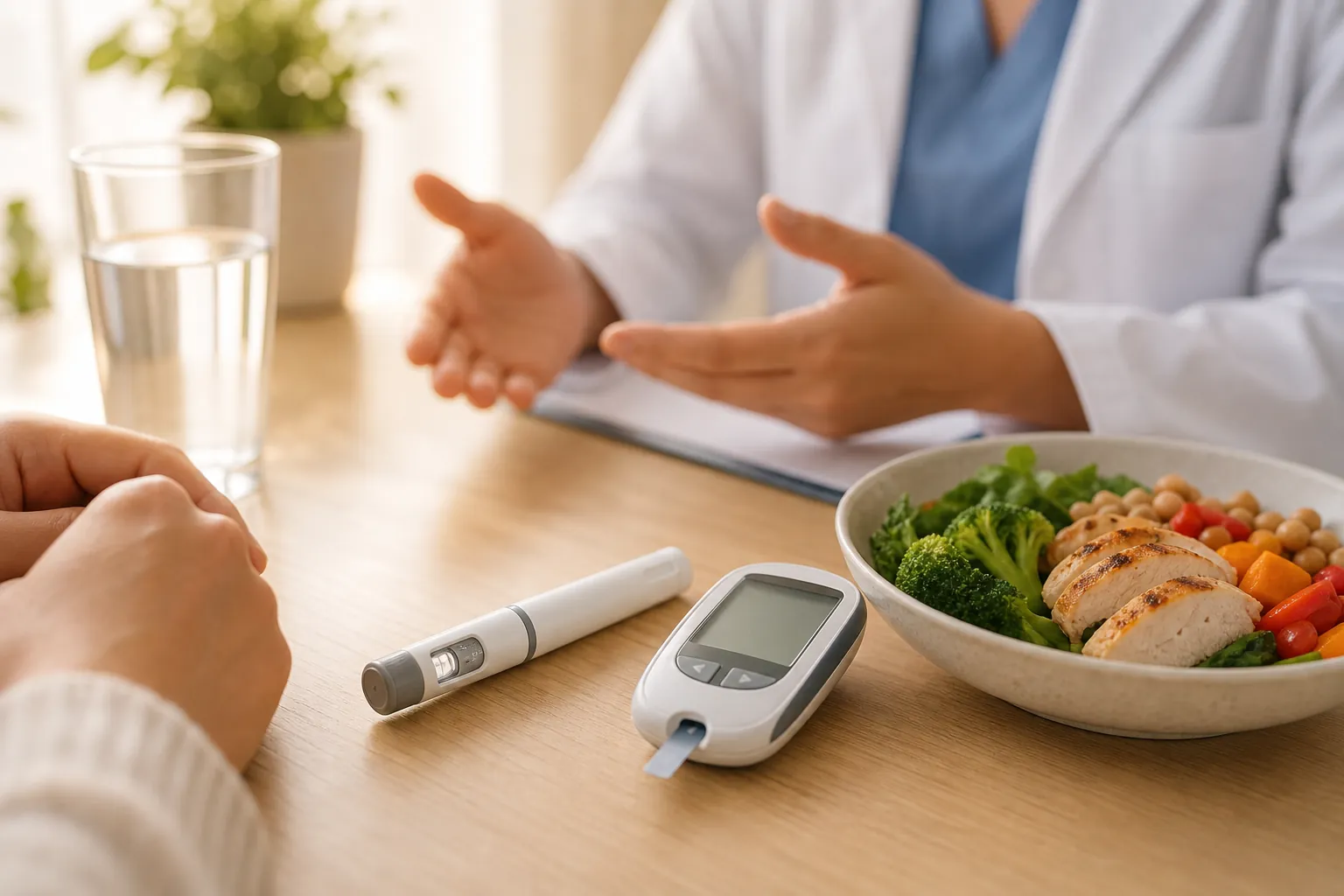
For the broader cluster context, see the semaglutide dosing and protocol hub.
Author: HealthRX.com Editorial Team Evidence checked by: the HealthRX.com Editorial Team Last clinical review: May 2026
Compounded semaglutide is not FDA-approved. This article is patient education and does not replace consultation with a licensed clinician.
Rachel, a 41-year-old dental hygienist in Plano, Texas, spent three weeks psyching herself up for her first subcutaneous injection. She watched YouTube videos. She bought a bag of ice to numb the site. She set aside forty-five minutes on a Sunday afternoon. The actual injection took about six seconds. "I kept waiting for the bad part," she told her prescribing clinician at her four-week check-in. "There wasn't one. The hardest part was opening the packaging." Her experience is almost comically common. And it points to something useful: with semaglutide, the logistics of injection technique, site rotation, and storage matter far more than the momentary pinch of the needle itself.
This guide sits inside the broader Compounded Semaglutide Dosing and Protocols cluster, which is part of the compounded semaglutide pillar guide.
The Gap Between "Ozempic Injection" the Clinical Term and "Ozempic Injection" the Search Query
There is a clean clinical definition of ozempic injection, and there is the way the phrase gets used in advertising and casual conversation. They aren't the same thing. Ozempic is a brand-name, pre-filled pen product indicated for type 2 diabetes. When most people search "ozempic injection" in 2026, they're often asking a broader question: how does a weekly semaglutide shot actually work, what does it feel like, and what do I need to know about giving it to myself?
This article covers that broader territory. It draws on the published trial program for semaglutide as a molecule (SUSTAIN, STEP-1, STEP-3, STEP-4, LEADER, and SELECT) and on clinical observations from obesity medicine physicians treating patients on GLP-1 therapy. It's written for patients who want a careful, plain-language explanation, not a marketing brochure.
Compounded semaglutide is prepared by a licensed compounding pharmacy under a clinician prescription. It uses the same active ingredient as Wegovy and Ozempic. It is not FDA-approved. The clinical evidence base for the molecule comes from trials of the branded products. Compounded preparations have not been independently tested in randomized trials at the same scale.
What the Standard Titration Actually Looks Like
The five-step titration from the STEP-1 trial is the template for nearly every semaglutide protocol in clinical use:
- Weeks 1-4: 0.25 mg once weekly
- Weeks 5-8: 0.5 mg
- Weeks 9-12: 1.0 mg
- Weeks 13-16: 1.7 mg
- Week 17 onward: 2.4 mg (maintenance)
The structure exists for a specific pharmacological reason. GLP-1 agonism slows gastric emptying, and your gut needs time to recalibrate. Think of it like adjusting to altitude: your body can handle it, but not all at once. Patients who skip steps reliably report worse nausea and GI distress than patients who don't.
For Ozempic specifically, the diabetes-indicated escalation is shorter and stops at a lower ceiling. Starting dose is 0.25 mg for four weeks, then 0.5 mg, then 1.0 mg, with 2.0 mg available as a higher option for glycemic control. Ozempic is not labeled for chronic weight management. The pharmacy-level supply situation in 2026 is more stable than it was during the chaotic shortages of 2023 and 2024, but availability still shifts depending on form and geography.
The Mechanics of Giving Yourself the Shot
Semaglutide is a subcutaneous injection. That means it goes into the fatty tissue just under the skin, not into muscle. The three standard sites are:
- Abdomen (at least two inches from the navel)
- Upper thigh (front or outer)
- Upper arm (back, where there's a pinchable layer of fat)
Rotate sites week to week. Using the same spot repeatedly can cause lipodystrophy, small changes in the fat tissue that affect absorption and can create visible dimpling. A simple system: abdomen one week, left thigh the next, right thigh after that.
Bring the medication to room temperature for fifteen to twenty minutes before injecting. Cold medication stings more and can feel viscous going in. After use, return it to the refrigerator unless your pharmacy's labeling specifically permits room-temperature storage for a defined window (usually 28 to 56 days depending on the formulation and packaging).
The Ozempic pen has a dose dial, attaches a fresh needle each week, and requires an air-shot test before first use of each new pen. Compounded semaglutide typically comes in a vial with separate syringes, meaning the patient draws up the prescribed volume. This is a different skill than clicking a pen dial, and it's worth having someone walk you through it the first time. Most telehealth programs include an injection tutorial video, but a live run-through with a clinician or pharmacist is better.
Inspect the solution before injecting. It should be clear and colorless. If it's cloudy, discolored, or contains particles, don't use it.
Where the Dose Decision Sits Clinically
The question of "what dose" depends on three variables that interact differently for every patient: where in the titration you are, what your clinical goal is, and how tolerability has gone so far.
A patient at week six reporting mild nausea on 0.5 mg is in a completely different position than a patient at week sixteen who's cruised through 1.7 mg without a hiccup. Same molecule, same injection technique, different clinical picture.
Three patterns commonly trigger a dose adjustment:
Intolerable GI symptoms that don't resolve within a week of a dose change. Some nausea is expected during titration. Nausea that prevents eating, causes vomiting, or persists beyond seven to ten days at a new dose warrants a conversation with your clinician, not white-knuckling through another week.
Rapid weight loss. This sounds like a good problem, but losing more than 1.5 to 2 percent of body weight per week raises concerns about muscle loss and gallstone risk. Clinicians sometimes hold at a dose or even step back.
A stalled response after months at maintenance. Sometimes the answer is a higher dose. Sometimes it's a different intervention entirely, like adjusting protein intake, adding resistance training, or reassessing sleep and stress. The boring truth is that a stall at month five is often a lifestyle signal, not a medication signal.
What the Trial Data Actually Shows
The dosing framework informing all of this comes from a specific set of large, well-designed trials:
STEP-1 tested 2.4 mg weekly semaglutide against placebo over 68 weeks and reported a mean 14.9 percent weight loss from baseline in the active arm.
STEP-3 added a structured lifestyle intervention (intensive behavioral therapy plus a low-calorie diet for the first eight weeks) to the same drug protocol and produced higher mean weight loss. The implication is direct: the medication and lifestyle changes are additive. One does not replace the other.
STEP-4 documented what happens when you stop. Patients switched from active drug to placebo at week 20 regained a meaningful portion of their lost weight over the following 48 weeks. The chronic biology of weight regulation reasserts itself without pharmacologic support, the same way blood pressure drifts back up when you stop taking your antihypertensive.
SUSTAIN-6 and LEADER anchor the cardiovascular safety profile for the GLP-1 class.
SELECT, completed in 2023, reported a 20 percent relative reduction in major adverse cardiovascular events with semaglutide 2.4 mg in patients with established cardiovascular disease and overweight or obesity without diabetes. That finding shifted the clinical conversation around GLP-1 agonists from "weight loss drugs" to something considerably more interesting from a cardiology perspective.
Misconceptions That Keep Coming Up
A few misunderstandings appear so reliably in patient questions that they're worth addressing directly.
"Compounded semaglutide is the same as Ozempic, just cheaper." The active ingredient is the same molecule. The regulatory status is not. Compounding pharmacies operate under a different framework with different oversight. Compounded semaglutide is not FDA-approved. This distinction matters for quality assurance, insurance coverage, and legal liability.
"If the side effects are bad, that means it's working." Trial data from STEP-1 and STEP-3 don't support this. Patients with mild GI tolerability and patients with pronounced nausea both achieved meaningful weight loss. Suffering is not a biomarker.
"The medication does the work for you." STEP-3's results argue otherwise. The lifestyle-plus-medication arm outperformed the medication-alone arm. Every calorie you eat carries more nutritional weight when your total intake drops from 2,400 to 1,500. Protein quality, micronutrient density, and movement all matter more on therapy, not less.
"Once you stop, you're back to square one." STEP-4 showed partial regain, not complete regain. The degree of regain varies by individual, and patients who maintain lifestyle changes tend to retain more of their loss. But pretending the medication is a temporary fix that permanently resets your metabolism is wishful thinking.
Pick a Day and Stick With It
Here's the thing about weekly injections: the half-life of semaglutide is long enough (approximately seven days) that being off by 24 hours isn't clinically meaningful. If you normally inject on Sundays and you forget until Monday morning, just take it Monday morning. What matters more is consistency over months, not precision to the hour.
Most patients find that linking the injection to a specific routine (Sunday night after the kids are in bed, Saturday morning before coffee) makes it automatic. The patients who struggle with adherence are almost always the ones who haven't picked a day.
Related Topics in This Cluster
- Ozempic Dose Chart: Titration and Maintenance
- Wegovy Doses: A Complete Clinical Reference
- Microdosing Ozempic: What the Practice Actually Involves
Adjacent Reading
Where This Fits
This article is part of the Compounded Semaglutide Dosing and Protocols cluster. For a broader treatment of the molecule, the regulatory pathway, the 503A and 503B compounding framework, and the clinical evidence base, the compounded semaglutide pillar guide is the primary reference on this site.
Frequently Asked Questions
What dose of compounded semaglutide is considered standard?
There isn't a single standard. Compounded semaglutide protocols are written by the prescribing clinician and informed by the Wegovy escalation schedule used in STEP-1. The typical reference pattern is 0.25 mg weekly for four weeks, then 0.5 mg, 1.0 mg, 1.7 mg, and 2.4 mg, with the rate of titration adjusted to tolerability. Compounded preparations are not FDA-approved, and dosing is not standardized across pharmacies.
How does titration affect tolerability?
Slow titration is the single largest determinant of gastrointestinal tolerability in published semaglutide trials. The STEP-1 protocol used four-week steps specifically to let the gastric emptying changes adapt gradually. Rushing the schedule to "get to the weight loss dose faster" is the most common self-inflicted mistake patients make.
Can a clinician hold a dose without restarting titration?
Yes. Holding at a current dose for an additional cycle to let side effects settle is a common and reasonable clinical adjustment. It does not require restarting the full titration schedule, although a multi-week gap (say, three or more missed weeks) may warrant stepping down before resuming the climb.
What's the best injection site?
There's no evidence that one site produces better drug absorption than another. The abdomen is most popular because it tends to have the most subcutaneous fat and is easiest to reach. What matters is rotating between sites to prevent tissue changes at any single spot.
How should I store compounded semaglutide?
Refrigerate between 36°F and 46°F (2°C to 8°C). Do not freeze. If your pharmacy's labeling permits room-temperature storage, follow the specific window they provide. Once a vial has been punctured, use it within the timeframe specified on the label, which is typically 28 days but varies by pharmacy.
Does the needle gauge matter?
Most compounding pharmacies supply 29- to 31-gauge needles with semaglutide vials. Finer gauge (higher number) means a thinner needle and less sensation at the injection site. If your pharmacy provides 27-gauge needles and you find injections uncomfortable, ask about switching to a 30- or 31-gauge option.
Is it normal to see a small drop of medication at the injection site?
A tiny drop at the surface after removing the needle is common and doesn't mean you lost a clinically significant amount of medication. Hold the needle in place for five to ten seconds after injecting to minimize this.
Compliance and Authorship
This article references the STEP-1, STEP-3, STEP-4, SUSTAIN, SELECT, and LEADER clinical trial programs where appropriate. It is intended as patient education and does not replace consultation with a licensed clinician.
Author: HealthRX.com Editorial Team Evidence checked by: the HealthRX.com Editorial Team Last clinical review: May 2026
Compounded semaglutide is not FDA-approved. HealthRX.com is not a medical practice. Medications referenced in this article are dispensed by licensed pharmacies through independent clinician evaluations. Individual results vary and depend on prescribed protocol, lifestyle factors, and clinical context.
