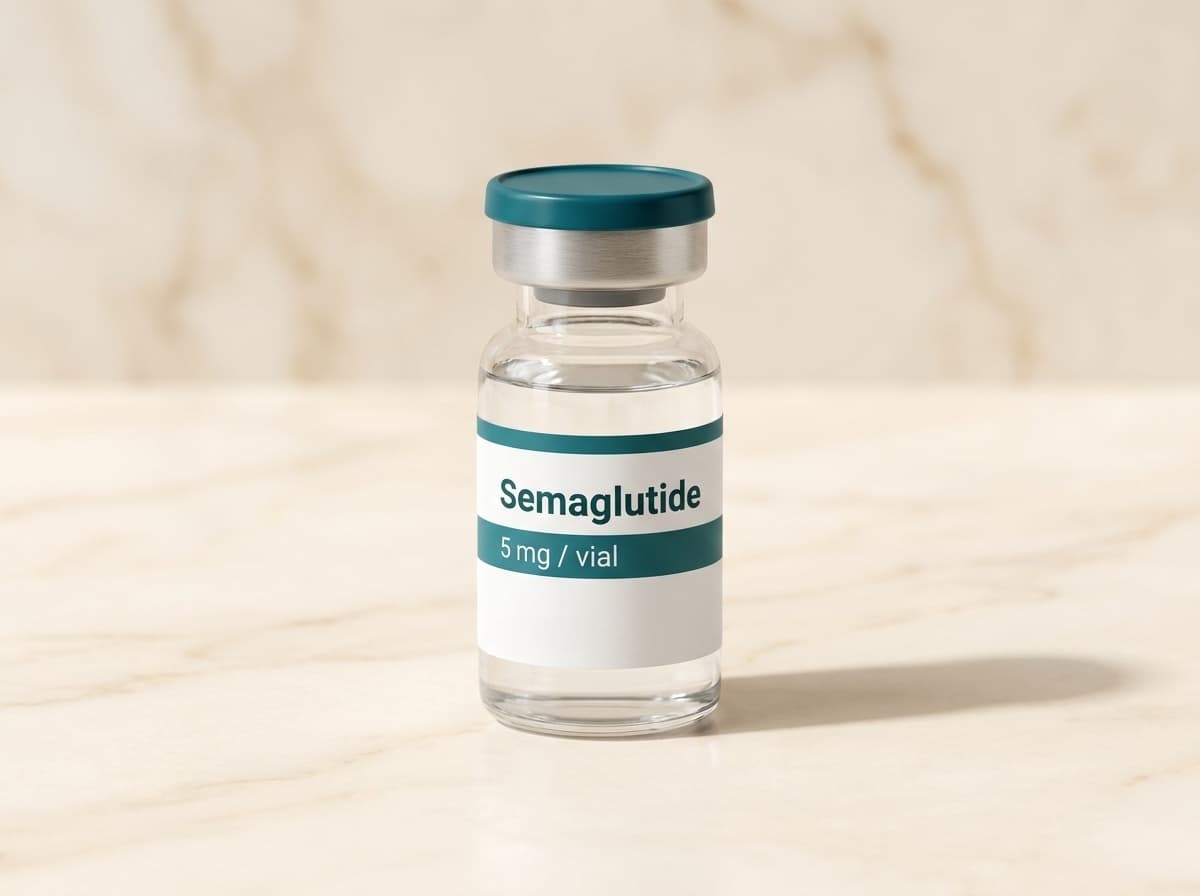
The Complete Guide to Compounded Semaglutide

GLP-1 medication and metabolic health image for The Complete Guide to Compounded Semaglutide

Compounded semaglutide is a customized, pharmacy-prepared version of the GLP-1 receptor agonist semaglutide, dispensed under an individual prescription written by a licensed clinician. It is not the same product as Ozempic, Wegovy, or Rybelsus, and it is not FDA-approved. It is prepared by state-licensed 503A pharmacies or FDA-registered 503B outsourcing facilities when a clinician determines that a patient has a documented medical need that an off-the-shelf commercial product does not meet.

This guide is written for adults considering compounded semaglutide for chronic weight management, for patients already on therapy who want a clearer picture of how the drug actually works, and for people comparing telehealth providers in a crowded market. We cover the science, the legal framework, the dosing protocols, the side effects, the cost structure, and the questions you should ask any clinic before you start.

HealthRX is a LegitScript-certified telehealth provider operating in 44 US states. We built this resource because most patients we talk to have read a hundred conflicting things online and still cannot answer basic questions like "what is the 503B framework" or "why did this cost $1,200 last month and $179 this month at a different clinic." The answers exist. They are just rarely written down in one place.

What Is Semaglutide?

Semaglutide is a glucagon-like peptide-1 (GLP-1) receptor agonist developed by Novo Nordisk and first approved by the FDA in 2017. It is a single-agonist molecule, meaning it activates one receptor pathway. Its mechanism is well characterized in the peer-reviewed literature.

GLP-1 is a hormone your gut releases after you eat. It does three things relevant to weight management and glycemic control:

  1. Slows gastric emptying. Food leaves your stomach more slowly, which extends the sensation of fullness after a meal.
  2. Acts on appetite centers in the hypothalamus. This reduces hunger signals and the cognitive "food noise" that many patients describe as constant intrusive thoughts about eating.
  3. Stimulates glucose-dependent insulin secretion. When blood sugar rises after a meal, GLP-1 prompts the pancreas to release insulin in a regulated way, which is why the drug class rarely causes hypoglycemia on its own.

Native GLP-1 is broken down by the body within minutes. Semaglutide is a structurally modified analog with a half-life of roughly seven days, which is why injectable formulations are dosed once weekly.

Semaglutide is the active ingredient in three FDA-approved branded products:

  • Ozempic (subcutaneous injection, approved for type 2 diabetes, 2017)
  • Rybelsus (oral tablet, approved for type 2 diabetes, 2019)
  • Wegovy (subcutaneous injection, approved for chronic weight management, 2021)

The clinical evidence base for semaglutide is substantial. The SUSTAIN trial program (SUSTAIN-1 through SUSTAIN-10) established efficacy and safety in type 2 diabetes. The STEP trial program (STEP-1, STEP-3, STEP-4, and others) evaluated semaglutide at 2.4 mg weekly for weight management in adults without diabetes, demonstrating mean weight reductions in the range of 14 to 16 percent of baseline body weight over 68 weeks when combined with lifestyle counseling. The SELECT trial, published in the New England Journal of Medicine in 2023, showed a 20 percent reduction in major adverse cardiovascular events in adults with overweight or obesity and established cardiovascular disease.

Compounded semaglutide contains the same active pharmaceutical ingredient (semaglutide) as these branded products. It is not approved by the FDA, it is not bioequivalent in the regulatory sense, and clinical trial data on branded products does not automatically transfer to compounded preparations. Patients should understand that distinction clearly before starting therapy.

Why Compounded Semaglutide Exists

Compounding is the practice of preparing a medication for an individual patient based on a clinician's prescription. It predates the modern pharmaceutical industry by centuries. In the United States, it is regulated under two frameworks established by the Drug Quality and Security Act of 2013.

503A pharmacies are traditional state-licensed compounding pharmacies. They compound medications for specific patients based on individual prescriptions. They are regulated primarily at the state level and are not required to meet the same current Good Manufacturing Practice (cGMP) standards as commercial drug manufacturers.

503B outsourcing facilities are federally registered with the FDA, are subject to cGMP requirements, and undergo FDA inspection. They can compound in larger batches for office-use or for distribution through a prescription pipeline, and they operate under stricter sterility, testing, and reporting standards than 503A pharmacies. HealthRX sources from 503B outsourcing facilities for this reason.

A common misconception, repeated by many telehealth sites in 2023 and 2024, is that compounded semaglutide is "legal because there is a shortage." That framing is now outdated and inaccurate.

The FDA placed semaglutide injection on its official drug shortage list in 2022. While a drug is on that list, federal law permits compounding pharmacies to prepare copies of the commercial product under specific conditions outlined in Section 503A and 503B of the Federal Food, Drug, and Cosmetic Act. In February 2025, the FDA declared the semaglutide shortage resolved. That removed the shortage-based pathway for producing what are essentially generic copies of the branded products.

Compounded semaglutide continues to be legally prepared under the original and longstanding pillar of pharmacy compounding: individualized prescribing for a documented patient-specific medical need. Examples include a clinician-determined need for a different dose strength than the commercial product offers, a different formulation (such as the addition of vitamin B12 or pyridoxine to reduce nausea for a specific patient), or a clinical reason a patient cannot use the commercial product. Compounding is not a workaround for accessing a cheaper version of an in-stock branded drug. Any provider implying otherwise is misrepresenting current federal law.

This is why credible clinics ask detailed clinical questions before writing a prescription. The clinical determination of patient-specific need is the legal foundation that the prescription rests on. A telehealth questionnaire that takes two minutes and approves everyone is a regulatory red flag.

How Semaglutide Compares to Brand-Name Drugs

Patients almost always ask the same question first: how does compounded semaglutide compare to Ozempic or Wegovy? The honest answer requires distinguishing between three things.

Active ingredient. Compounded semaglutide and the branded products share the same active pharmaceutical ingredient, semaglutide, sourced from FDA-registered API suppliers. The molecule itself is the same molecule.

Formulation and excipients. Branded products are manufactured under cGMP with a specific, fixed formulation of inactive ingredients (preservatives, buffers, tonicity agents). Compounded preparations may use different excipients, different concentrations, and sometimes additional ingredients such as B-vitamins. Different excipients can affect injection-site experience, shelf life, and storage requirements.

Regulatory status. Branded products are FDA-approved, which means they have been evaluated for safety, efficacy, manufacturing consistency, and labeling against a specific clinical evidence package. Compounded products are not FDA-approved. They are legally dispensed under federal compounding law, but the FDA does not review or approve their formulations.

Clinical outcomes in real-world telehealth practice are similar to what the trials report when patients adhere to dosing protocols and lifestyle changes, but compounded preparations do not have head-to-head trial data versus the branded products, and patients should not assume identical results.

For a detailed walkthrough of differences in dose strengths, delivery devices, pricing structures, insurance coverage, and what to do if you have used a branded product previously, see our compounded semaglutide vs Ozempic and Wegovy comparison hub.

Starting Compounded Semaglutide: Dosing and Protocols

Semaglutide dosing follows a titration schedule, meaning the dose increases gradually over several months to give the body time to adapt and to minimize gastrointestinal side effects.

The standard titration schedule used at HealthRX and most credible clinics mirrors the schedule used in the STEP trials for weight management:

| Month | Weekly dose | |-------|-------------| | 1 | 0.25 mg | | 2 | 0.5 mg | | 3 | 1.0 mg | | 4 | 1.7 mg | | 5+ | 2.4 mg (maintenance) |

Some patients tolerate faster titration, some need slower. A clinically supervised protocol allows for dose adjustments based on response, side effects, and weight trajectory. Self-titration based on a YouTube video is not supervision.

Injection technique. Compounded semaglutide is administered as a once-weekly subcutaneous injection, typically into the abdomen, thigh, or upper arm. Patients receive a multi-dose vial and U-100 insulin syringes. The injection is small (typically 0.10 to 0.50 mL depending on dose and concentration) and uses a fine 29- or 30-gauge needle. Most patients describe the injection as nearly painless after the first few weeks.

Day of week. Many patients pick the same day each week, often a day when side effects (if any) will be least disruptive. If a dose is missed, the standard guidance is: if within 5 days of the missed dose, take it as soon as possible; if more than 5 days, skip it and resume on the next scheduled day. Do not double up.

Storage. Vials should be refrigerated at 36 to 46°F (2 to 8°C). Do not freeze. Once opened, most 503B-prepared vials are stable for 28 to 56 days depending on the formulation. Your pharmacy paperwork will specify.

Concentrations vary. One operational detail that catches new patients off guard: different compounding pharmacies prepare semaglutide at different concentrations. A 2.5 mg/mL vial and a 5 mg/mL vial both contain semaglutide, but the volume you draw to get your prescribed dose is different. Always read your vial label and the dosing chart your pharmacy sends with each shipment. If your concentration changes between refills (which can happen if your clinic switches pharmacies), expect the draw volume on the syringe to look different even though your actual dose is the same.

For deeper detail on titration plateaus, dose-response curves, what to do when weight loss stalls, and how to handle injection-site reactions, see our dosing and protocols hub.

Side Effects and Safety

The side effect profile of semaglutide is well characterized from the SUSTAIN and STEP trial programs. The most common side effects are gastrointestinal and are usually dose-dependent and transient.

Common (more than 10 percent of patients in STEP-1):

  • Nausea
  • Diarrhea
  • Constipation
  • Vomiting
  • Abdominal pain
  • Headache
  • Fatigue

Less common but clinically important:

  • Gallbladder events (cholelithiasis, cholecystitis), particularly with rapid weight loss
  • Pancreatitis (rare; presents as severe persistent abdominal pain)
  • Hypoglycemia (primarily when used with insulin or sulfonylureas)
  • Acute kidney injury, usually from dehydration secondary to vomiting or diarrhea
  • Injection-site reactions

Boxed warning. Semaglutide carries an FDA boxed warning for the risk of thyroid C-cell tumors based on rodent studies. It is contraindicated in patients with a personal or family history of medullary thyroid carcinoma or multiple endocrine neoplasia type 2.

Contraindications. Semaglutide should not be used in patients with a known hypersensitivity to semaglutide or any product excipients, during pregnancy or while trying to conceive, or in patients with a history of pancreatitis (relative contraindication; requires clinical judgment).

What to actually expect. In real-world telehealth practice, most patients experience some nausea in the first one to two weeks after each dose increase. It is usually mild, often resolves with smaller meals and avoiding high-fat foods, and rarely requires stopping therapy. Patients who experience severe persistent vomiting, signs of dehydration, or severe abdominal pain that does not resolve should contact their clinician immediately.

Any clinic that tells you "there are no real side effects" is not a clinic you should trust. The honest framing is that for most patients the side effects are tolerable and worth the metabolic benefit, but the drug is pharmacologically active and warrants supervision.

Drug interactions worth flagging to your clinician. Semaglutide slows gastric emptying, which can affect the absorption of oral medications taken at the same time. This matters most for medications with narrow therapeutic windows (warfarin, levothyroxine, certain antiepileptics) and for hormonal birth control, which can show altered absorption profiles. Patients on insulin or sulfonylureas need dose adjustments to avoid hypoglycemia. Patients with a history of severe gastroesophageal reflux disease should expect their reflux to potentially worsen on therapy.

For the full side effect playbook including how to manage nausea, when to call your clinician, and what blood work HealthRX recommends before starting and during therapy, see our side effects and safety hub.

Cost and Access

Pricing in the compounded GLP-1 market is opaque on purpose. Many clinics advertise a low entry price for the first month and then escalate sharply as the dose increases, because higher doses use more medication per week. Others price by dose rather than by month, which makes month-over-month budgeting unpredictable.

HealthRX pricing. HealthRX uses flat-rate monthly pricing that does not change as your dose escalates:

  • Starter (months 1-2): $179.99 per month
  • Standard (months 3-4): $229.99 per month
  • Full maintenance (month 5+): $279.99 per month

The price covers the medication, the clinician consultation, all messaging-based follow-up care during the month, shipping, and supplies (syringes, alcohol pads, sharps container). There are no per-visit fees, no separate pharmacy charges, and no surprise dose-increase fees.

Insurance. Compounded semaglutide is not covered by commercial insurance because it is not FDA-approved. HSA and FSA cards are accepted by most providers including HealthRX.

Branded comparison. Ozempic and Wegovy retail in the United States at roughly $1,000 to $1,400 per month without insurance. Insurance coverage varies widely; even when covered, many patients face prior authorization, step therapy, or coverage limitations to type 2 diabetes diagnoses (Ozempic) or specific BMI thresholds (Wegovy).

Hidden costs to watch for at other clinics. Membership fees billed separately, per-message clinician fees, charges for dose increases, shipping fees, and "lab fees" for blood work that should be included in the program.

For the full breakdown of what you actually pay per month at different dose tiers, how to use HSA/FSA effectively, and how the math compares to branded products with and without insurance, see our cost and access hub.

Choosing a Trustworthy Provider

The compounded GLP-1 telehealth market grew faster than the regulatory and clinical guardrails around it. Some clinics are excellent. Some are pill mills with a website. The questions below filter most of the bad actors out.

1. Is the clinic LegitScript-certified?

LegitScript is the industry-standard third-party certification body for healthcare merchants. Certification requires verified licensing, legitimate pharmacy relationships, accurate advertising, and ongoing monitoring. Major ad platforms (Google, Meta) require LegitScript certification to run health ads. HealthRX is LegitScript-certified. You can verify any provider's certification on the LegitScript public registry.

2. Where does the medication come from?

A 503B outsourcing facility (FDA-registered, cGMP-compliant, inspected) is the higher-standard option. A 503A pharmacy is legal but operates under less rigorous federal oversight. Ask the clinic directly which they use, and verify the pharmacy is licensed in your state. HealthRX sources from 503B outsourcing facilities.

3. Is there a licensed clinician involved, and can you contact them?

Federal law requires that a licensed clinician (MD, DO, NP, or PA depending on state scope) write the prescription. The prescription must be based on a clinical evaluation, not a checkbox form. After you start therapy, you should be able to reach your clinician with side effect questions, dose adjustment requests, and medical concerns, not just a billing chatbot.

4. What is the actual cost over six months, including dose escalation?

If a clinic cannot or will not tell you what month four will cost when you are still in month one, the pricing is designed to be unpredictable. Walk away.

5. What blood work do they require?

A serious clinic recommends baseline labs (typically a metabolic panel, lipid panel, A1c, and sometimes thyroid function and lipase) and follow-up labs at intervals. A clinic that does no labs at all is not practicing real medicine.

6. What is their stance on the FDA shortage status and compounding law?

If they tell you compounded semaglutide is legal because of a shortage, they are operating on outdated information. The shortage ended in February 2025. Current legal compounding requires patient-specific clinical determination.

For a longer evaluation framework, including state-by-state availability, refund and cancellation policies, and the warning signs of a fly-by-night clinic, see our telehealth providers hub.

Diet and Food While on Semaglutide

Semaglutide reduces appetite and slows gastric emptying. Both of those effects change what eating feels like, and they change what your body needs nutritionally. A reasonable diet on semaglutide is not the same as a reasonable diet off it.

Protein. Higher protein intake (roughly 0.7 to 1.0 g per pound of goal body weight) becomes more important when total food intake is lower. Without adequate protein, weight loss includes a higher proportion of lean mass, which damages long-term metabolic rate. Most patients should aim for 25 to 40 g of protein at every meal.

Fiber. Constipation is one of the most common side effects. Soluble and insoluble fiber from vegetables, legumes, berries, and whole grains, along with adequate hydration, prevents most cases. A daily fiber supplement (psyllium husk is the cheapest and most studied) is reasonable.

Foods to avoid or limit.

  • High-fat fried foods, which significantly worsen nausea
  • Large carbonated drinks, which expand in a slow-emptying stomach
  • Alcohol, which combines poorly with the slowed gastric emptying and is metabolically counterproductive
  • Very large meals, which the slowed gastric emptying makes physically uncomfortable

Hydration. Patients on GLP-1 therapy reliably under-drink water because the thirst signal is partially blunted alongside the hunger signal. Aim for at least 80 oz per day, more if active or in a warm climate.

Meal structure. Most patients do better with three smaller meals than one large meal. Eating slowly, putting the fork down between bites, and stopping at "satisfied" rather than "full" all help.

For meal frameworks, grocery lists, recipe ideas, sample weeks of eating at different calorie targets, and how to handle social meals and travel, see our diet and food hub.

Lifestyle and Adherence

Semaglutide is a pharmacological tool. The patients who get durable results combine it with three lifestyle pillars: resistance training, sleep, and stress management.

Resistance training. Two to four sessions per week of full-body strength training is the single highest-leverage lifestyle intervention while on a GLP-1. The mechanism is straightforward. Caloric deficit drives muscle loss along with fat loss. Resistance training is the strongest signal you can send your body to preserve muscle mass during a deficit. STEP-3 and the DEXA substudies of STEP-1 confirmed that lean mass loss is a real concern at the standard 2.4 mg dose. Resistance training mitigates it.

Cardio. Steady-state cardio and zone 2 work supports cardiovascular health, glucose disposal, and overall energy expenditure. It is additive to resistance training, not a replacement for it.

Sleep. Sleep deprivation increases ghrelin, decreases leptin, raises cortisol, and worsens insulin sensitivity. All four effects work against weight loss. Seven to nine hours of consistent sleep is one of the cheapest and highest-impact interventions available.

Stress. Chronic stress elevates cortisol, which drives visceral fat storage and disrupts appetite regulation. Patients who treat stress management as optional often plateau earlier than patients who treat it as part of the protocol.

Adherence. The largest reason GLP-1 patients fail to hit their goals is not the drug. It is adherence: missed weekly doses, inconsistent injection timing, skipped dose escalations, or stopping the medication entirely after a few months without a transition plan. A calendar reminder, a fixed day-of-week injection ritual, and a clinician who actually returns messages are the boring infrastructure that makes adherence happen.

For the deeper guide on training programming during a calorie deficit, sleep optimization, and how to build adherence systems that survive bad weeks, see our lifestyle and adherence hub.

Long-Term Use and Maintenance

The most important and least-discussed question in the GLP-1 space is what happens after you reach your goal.

The STEP-4 finding. STEP-4 was a randomized withdrawal trial. Participants who responded to 20 weeks of semaglutide were then randomized to continue the drug or switch to placebo while continuing lifestyle counseling. The continuation group lost an additional 7.9 percent of body weight from the randomization point. The placebo group regained 6.9 percent. The clinical implication is significant: for most patients, semaglutide is a chronic medication for a chronic condition, not a short-term intervention.

The SELECT cardiovascular finding. The SELECT trial demonstrated that semaglutide reduced major adverse cardiovascular events by 20 percent in adults with overweight or obesity and established cardiovascular disease, independent of glycemic effects. This reframes long-term semaglutide use from a weight loss drug to a cardiometabolic medication.

Maintenance strategies. Patients who reach goal weight have three reasonable options to discuss with their clinician:

  1. Continue at the full dose (2.4 mg weekly). Best evidence base, lowest regain risk, highest ongoing cost.
  2. Continue at a reduced maintenance dose (often 1.0 mg or 1.7 mg weekly). Some patients maintain results at a lower dose. Evidence base is more limited and individual response varies.
  3. Taper and discontinue with intensive lifestyle support. Regain is common but not universal. Patients with strong resistance training habits, dialed-in nutrition, and stable life circumstances retain more loss than patients without.

Off-cycle considerations. A small subset of patients use semaglutide for a defined period and then transition off. Realistic expectations matter: some weight regain is the statistical norm rather than the exception, and the body's set point biology does not disappear because the drug did. Patients who frame discontinuation as a planned transition with infrastructure (training, food tracking, scheduled clinician check-ins) do better than patients who frame it as a finish line.

Cardiometabolic markers to track over time. Patients staying on semaglutide long-term should expect periodic monitoring of fasting glucose and A1c, lipid panel, kidney function (creatinine, eGFR), liver function, and in some cases vitamin and mineral status (B12, vitamin D, iron). Sustained weight loss often improves these markers measurably within 6 to 12 months. Tracking them gives you and your clinician objective evidence of the metabolic benefit beyond the scale.

For maintenance protocols, structured taper plans, the science of weight regain and how to mitigate it, and what to do if you regain weight after stopping, see our long-term use and maintenance hub.

HealthRX's Approach

HealthRX is a LegitScript-certified compounded GLP-1 telehealth provider operating in 44 US states. Patients complete a clinical intake, are evaluated by a licensed clinician, and if appropriate, receive a prescription that is filled at an FDA-registered 503B outsourcing facility and shipped directly to their door in cold-chain packaging. Every prescription is based on an individualized clinical determination of medical need. We do not approve everyone, and we are not the right clinic for patients who want a two-minute checkbox path to medication.

Pricing is flat-rate by month. Starter months are $179.99, mid-titration months are $229.99, and full maintenance is $279.99. That price includes the medication, the clinician consult, ongoing messaging-based clinician access, supplies, and shipping. We do not bill membership fees, per-message fees, or dose-escalation fees on top. HSA and FSA cards are accepted.

We chose this structure because the most common complaint we heard from patients leaving other clinics was that they could not predict what their bill would be the next month. Flat pricing solves that. Sourcing exclusively from 503B outsourcing facilities solves the sterility and manufacturing standards question. LegitScript certification solves the third-party verification question. None of those are marketing claims. They are operational decisions you can verify.

Frequently Asked Questions

What is compounded semaglutide?

Compounded semaglutide is a pharmacy-prepared version of the GLP-1 receptor agonist semaglutide, dispensed under an individual prescription written by a licensed clinician. It is prepared by 503A or 503B compounding pharmacies and is not FDA-approved. It contains the same active ingredient as Ozempic, Wegovy, and Rybelsus, but the finished product is not the same as those branded medications.

Is compounded semaglutide safe?

When prescribed by a licensed clinician, sourced from a reputable 503B outsourcing facility, and used at clinically appropriate doses with proper supervision, compounded semaglutide has a side effect profile broadly consistent with what is seen with branded semaglutide in the SUSTAIN and STEP trials. Risks include gastrointestinal side effects, gallbladder events, pancreatitis (rare), and the boxed warning for thyroid C-cell tumors. Compounded products do not undergo FDA review, so patients should choose providers who source from FDA-registered 503B facilities and provide clinical supervision.

Is compounded semaglutide legal?

Yes, under federal law. It is legally compounded under Sections 503A and 503B of the Federal Food, Drug, and Cosmetic Act when prepared in response to an individualized clinical determination of patient-specific medical need. It is not legal under the previous "drug shortage" pathway, which ended when the FDA declared the semaglutide shortage resolved in February 2025.

How does compounded semaglutide compare to Ozempic?

Both contain the same active ingredient. Ozempic is FDA-approved for type 2 diabetes, manufactured under cGMP by Novo Nordisk, and delivered in a prefilled pen device. Compounded semaglutide is not FDA-approved, is prepared by a compounding pharmacy in a multi-dose vial format, and is dispensed under an individualized prescription. Branded clinical trial data does not transfer automatically to compounded products. Pricing structures and insurance coverage also differ significantly.

How do I inject compounded semaglutide?

Compounded semaglutide is administered as a once-weekly subcutaneous injection into the abdomen, thigh, or upper arm using a U-100 insulin syringe with a fine (29-30 gauge) needle. The volume per injection is small, typically 0.10 to 0.50 mL. Your provider should give you written instructions and ideally a video walkthrough. Rotate injection sites each week to reduce the risk of injection-site reactions.

How do I store compounded semaglutide?

Refrigerate at 36 to 46°F (2 to 8°C). Do not freeze. Once opened, most 503B-prepared vials are stable for 28 to 56 days depending on the specific formulation. Always follow the beyond-use date on your vial label. If a vial is accidentally left out of the refrigerator, contact your pharmacy or clinician before using it.

How much weight can I expect to lose on compounded semaglutide?

In the STEP-1 trial of branded semaglutide 2.4 mg, participants lost a mean of 14.9 percent of body weight over 68 weeks when combined with lifestyle counseling. Real-world results vary widely based on starting weight, adherence to the medication, dietary patterns, training, sleep, and individual response. Some patients lose substantially more, some lose substantially less, and a small percentage are non-responders.

How long do I need to stay on it?

Obesity is a chronic condition. The STEP-4 trial showed that patients who discontinued semaglutide regained a significant portion of their lost weight, while patients who continued the medication continued to lose. For most patients, semaglutide is a long-term medication, similar to medications for blood pressure or cholesterol. Some patients use it for a defined period and transition off with structured lifestyle support. The decision should be made with your clinician based on your goals, response, and risk profile.

What happens if I stop compounded semaglutide?

Most patients experience some return of appetite and food cravings within a few weeks of stopping, because the drug's effects on gastric emptying and appetite signaling resolve as it clears your system. Some weight regain is statistically expected. The magnitude of regain varies based on the duration of treatment, the depth of lifestyle changes built during treatment, and individual biology. A planned taper with clinician supervision is more likely to preserve results than an abrupt stop.

Will my insurance cover compounded semaglutide?

Generally no. Commercial insurance does not cover compounded products because they are not FDA-approved. HSA and FSA cards are accepted by most providers. Branded products may be covered by insurance for qualifying diagnoses, but coverage is inconsistent and often requires prior authorization.

Who should not take compounded semaglutide?

Compounded semaglutide is contraindicated in patients with a personal or family history of medullary thyroid carcinoma or multiple endocrine neoplasia type 2, patients with a known hypersensitivity to semaglutide, and patients who are pregnant or planning to become pregnant. It is generally not recommended for patients with a history of pancreatitis, severe gastroparesis, or active gallbladder disease, although these are clinical judgment calls. Always disclose your full medical history to your prescribing clinician.

How do I know if a telehealth provider is legitimate?

Verify LegitScript certification on the LegitScript public registry. Ask whether the pharmacy is a 503B outsourcing facility or a 503A pharmacy. Confirm that a licensed clinician will evaluate you and is accessible after the prescription is written. Ask for the total cost of treatment over six months including dose escalations. Avoid clinics that rely on outdated "shortage" framing, that approve everyone, or that have no clear baseline lab requirements.

Conclusion

Compounded semaglutide is a legitimate treatment option for patients who meet clinical criteria, who are evaluated by a licensed clinician, and who receive medication from a reputable 503B outsourcing facility. It is not a shortcut, not FDA-approved, and not appropriate for everyone. The patients who get the best results are the ones who treat it as a multi-year metabolic intervention paired with resistance training, adequate protein, sleep, and clinician supervision, rather than a quick fix.

The right next step is a clinical evaluation. If you are considering compounded semaglutide, the most useful thing you can do today is fill out a real intake with a real clinic and have a real conversation about whether the medication fits your goals, your medical history, and your budget over a 6 to 12 month horizon.

Start a clinical evaluation with HealthRX or read the in-depth cluster guides linked above for specific questions.


Disclaimer: Not FDA-approved. HealthRX is not a medical practice and does not provide medical advice. Compounded medications are prepared under federal compounding law and are not reviewed or approved by the FDA. Individual results vary. Consult a licensed clinician before starting any medication. The information in this article is for educational purposes and does not constitute a doctor-patient relationship.

This HealthRX guide is educational and is not a prescription, diagnosis, or substitute for care from a licensed clinician. Compounded semaglutide is not FDA-approved. Treatment decisions should be made with a prescriber who has reviewed your medical history.