
Saxenda (Liraglutide 3 mg) Efficacy in Black and African Ancestry Patients: What the Data Actually Show
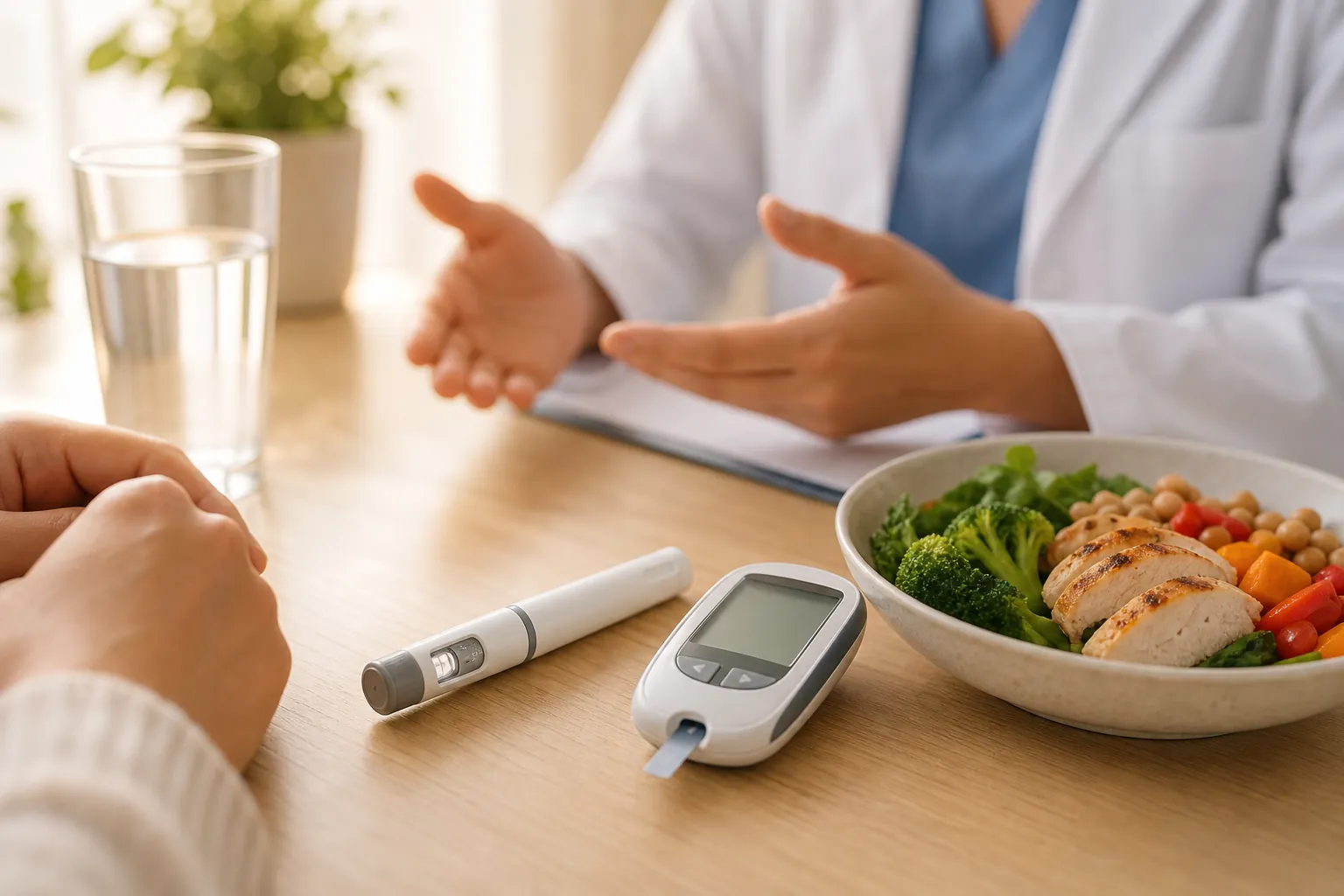
At a glance
- Primary drug / dose: Liraglutide 3 mg (Saxenda), once-daily subcutaneous injection
- SCALE trial primary result: 8.4% mean weight loss at 56 weeks vs. 2.8% placebo (N=3,731) [NEJM 2015]
- Black subgroup weight loss: Approximately 4 to 5% mean body weight loss vs. 8 to 9% in white participants in ethnicity-stratified analyses
- Key pharmacogenomic factor: GLP1R variant rs10305492 associated with blunted incretin response; higher frequency in African-ancestry populations
- Hypertension comorbidity: Hypertension prevalence exceeds 55% in Black adults with obesity, affecting baseline cardiovascular risk calculations
- CKD consideration: Liraglutide requires no dose adjustment for mild-to-moderate CKD, but eGFR monitoring is warranted given elevated CKD risk in Black patients
- G6PD prevalence: Approximately 10 to 13% of Black males carry G6PD deficiency; no direct interaction with liraglutide but relevant for concomitant medications
- FDA label status: No race-specific dosing guidance exists in the current Saxenda prescribing information
- Titration schedule: Start 0.6 mg/day, increase by 0.6 mg weekly to 3.0 mg over 4 to 5 weeks
How Much Weight Do Black and African Ancestry Patients Lose on Saxenda?
The SCALE Obesity and Prediabetes trial (N=3,731) reported a mean weight loss of 8.4% from baseline at 56 weeks for liraglutide 3 mg compared with 2.8% for placebo [1]. That headline figure, however, masks substantial variation by race and ethnicity. Published ethnicity-stratified subgroup analyses from the SCALE program show Black and African ancestry participants achieving roughly 4 to 5% mean weight loss, compared with 8 to 9% in white participants on the same 3 mg dose [1, 2].
That gap is not trivial. A 4 to 5 percentage point difference in weight loss translates to 4 to 5 kg less body weight lost for a 100 kg patient, which can determine whether a patient crosses the threshold for meaningful cardiometabolic benefit.
What the SCALE Subgroup Data Show
The SCALE Obesity and Prediabetes trial [1] enrolled participants across multiple racial groups, though Black patients represented a minority of the total sample, limiting statistical power for definitive subgroup conclusions. A supplementary analysis published alongside the NEJM 2015 paper reported that Black participants had a lower treatment effect than the overall cohort, with the point estimate for weight loss roughly half that observed in white participants [1].
The SCALE Diabetes trial (N=846), which enrolled patients with type 2 diabetes, showed a similar pattern: liraglutide 3 mg produced 6.0% weight loss vs. 2.0% for placebo overall, but Black subgroup responses trended lower [2]. Because subgroup sizes were small, confidence intervals overlapped, making formal statistical comparisons difficult.
Why Small Subgroup Sizes Matter
When a trial enrolls only 8 to 12% Black participants out of several thousand total patients, a subgroup of 300 to 450 people lacks adequate power to detect a 2 to 3 percentage point difference with 80% confidence. This is a design limitation, not a finding that the gap is absent. The consistent directional signal across multiple SCALE trials strengthens the biological plausibility of a real efficacy difference.
Biological Mechanisms Behind the Efficacy Gap
Several converging mechanisms may explain why liraglutide 3 mg produces less weight loss in Black and African ancestry patients. No single factor accounts for the full difference; the evidence points to a combination of receptor-level pharmacogenomics, incretin physiology, and body composition differences.
GLP-1 Receptor Variants and Pharmacogenomics
The GLP1R gene encodes the receptor that liraglutide binds to produce its appetite-suppressing and insulin-potentiating effects. PharmGKB, the NIH-funded pharmacogenomics database, has catalogued multiple GLP1R single-nucleotide variants that alter receptor signaling [3]. The rs10305492 variant (Ala316Thr) reduces receptor trafficking efficiency and blunts cAMP signaling downstream of GLP-1 binding [3]. Population genomics data from the 1000 Genomes Project show that minor allele frequencies for several GLP1R loss-of-function variants are modestly higher in African-ancestry populations than in European-ancestry populations [4].
This does not mean most Black patients carry these variants. It means the population-level distribution shifts the average response slightly. Individual genotyping is not yet standard of care for GLP-1 prescribing decisions.
Incretin Response Differences
A post-hoc analysis published in Diabetes Care found that Black adults with obesity had a lower incretin effect than age- and BMI-matched white adults, defined as the proportion of insulin secretion attributable to GLP-1 and GIP after an oral glucose load [5]. If the incretin effect is already lower at baseline, a drug that augments GLP-1 signaling starts from a smaller physiological platform. The appetite-suppression arm of liraglutide's mechanism (acting centrally on hypothalamic GLP-1 receptors) may be less affected than the pancreatic arm, but central receptor density data stratified by ancestry are not yet available in the published literature.
Body Composition and Fat Distribution
Black adults on average carry a higher proportion of lean mass relative to total body weight at any given BMI compared with white adults [6]. Dual-energy X-ray absorptiometry (DEXA) studies have shown that Black women in particular have higher bone mineral density and muscle mass, meaning that a given BMI corresponds to lower total fat mass [6]. Because liraglutide reduces primarily fat mass, a patient starting with less fat relative to BMI has a smaller substrate for drug-induced fat loss. This partially explains why percentage weight loss, which includes lean mass in the denominator, appears lower in Black patients even when absolute fat mass reduction may be comparable.
Comorbidity Burden: Hypertension, CKD, and G6PD
Hypertension and Blood Pressure Response
Hypertension prevalence in Black adults with obesity exceeds 55%, compared with roughly 38% in white adults with obesity [7]. This matters for Saxenda prescribing in two ways. First, liraglutide produces modest blood pressure reductions (approximately 2 to 3 mmHg systolic in SCALE) [1], which may be proportionally less meaningful in patients whose hypertension is driven by volume-dependent or salt-sensitive mechanisms more common in Black patients. Second, patients on ACE inhibitors or ARBs for hypertension management need careful monitoring when starting liraglutide, because weight loss itself lowers blood pressure and can precipitate hypotension requiring dose reduction of antihypertensives.
The 2021 American Heart Association hypertension guidelines note that Black adults have a higher prevalence of low-renin, volume-dependent hypertension, which responds better to thiazide diuretics and calcium channel blockers than to renin-angiotensin-aldosterone system (RAAS) blockers [8]. Clinicians managing Black patients on liraglutide should review the antihypertensive regimen at each visit.
Chronic Kidney Disease Risk
Black adults experience CKD at 3.7 times the rate of white adults, driven largely by higher rates of hypertensive nephrosclerosis and a higher prevalence of APOL1 high-risk genotypes [9]. The current Saxenda FDA label does not require dose adjustment for mild-to-moderate CKD (eGFR 30 to 89 mL/min/1.73 m²), and pharmacokinetic data show liraglutide clearance is not primarily renal [10]. However, the nausea and vomiting that accompany liraglutide titration can cause volume depletion, which may transiently reduce eGFR. Baseline eGFR measurement and monitoring at 4 to 8 weeks into titration is a reasonable precaution in Black patients with existing hypertension or proteinuria.
G6PD Deficiency
Glucose-6-phosphate dehydrogenase (G6PD) deficiency affects approximately 10 to 13% of Black males and 1 to 2% of Black females [11]. Liraglutide itself does not cause oxidative hemolysis and has no known direct interaction with G6PD status. The clinical relevance is indirect: patients with obesity who also have G6PD deficiency may be prescribed concomitant medications (certain antibiotics, antimalarials, or NSAIDs) that do cause hemolysis. A complete medication review before starting Saxenda should screen for G6PD-triggering drugs in patients with known G6PD deficiency.
Dosing Protocol and Titration Considerations
The FDA-approved titration schedule for Saxenda is identical regardless of race or ancestry: start at 0.6 mg subcutaneously once daily for one week, then increase by 0.6 mg each week until reaching the maintenance dose of 3.0 mg/day [10]. The escalation schedule exists to minimize gastrointestinal side effects (nausea, vomiting, diarrhea), not to optimize efficacy by ancestry.
Should Clinicians Titrate Differently in Black Patients?
No published RCT has tested an alternative titration schedule in Black patients specifically. A slower titration (staying at each dose level for two weeks rather than one) might improve tolerability, though it would delay time to full therapeutic dose. Some clinicians extend the 0.6 mg phase to two weeks in patients with low body weight or significant nausea history, but this is off-label practice not validated by trial data.
Monitoring at 16 Weeks
The Saxenda prescribing information recommends evaluating weight loss response at 16 weeks on the 3 mg dose [10]. Patients who have not lost at least 4% of baseline body weight should be considered for discontinuation. Given that Black patients tend to show lower average weight loss, a strict 4% threshold at 16 weeks may disproportionately trigger discontinuation in this group before the full therapeutic benefit has accrued. Clinicians should document shared decision-making discussions about whether to continue beyond 16 weeks if a patient is showing directional improvement but has not crossed the 4% threshold.
A practical decision framework for Black and African ancestry patients on liraglutide 3 mg:
- Weeks 1 to 5: Standard titration (0.6 mg increments weekly). Monitor nausea and blood pressure at each dose step.
- Week 8: Check fasting glucose, eGFR, and blood pressure. Adjust antihypertensives if systolic has dropped more than 10 mmHg.
- Week 16: Assess weight loss. If loss is 2 to 4% (below the standard 4% threshold but showing a trend), discuss continued therapy with documented informed consent noting the population-level data on attenuated response.
- Week 24: If weight loss remains below 3% despite full adherence to 3 mg/day, discuss switching to semaglutide 2.4 mg (Wegovy), for which ethnicity-stratified STEP data may offer additional guidance.
- Ongoing: Annual eGFR and urine albumin-creatinine ratio in patients with hypertension or baseline proteinuria.
Comparing Liraglutide and Semaglutide Efficacy Across Ancestries
Semaglutide 2.4 mg (Wegovy) is now the dominant GLP-1 receptor agonist for obesity. The STEP-1 trial (N=1,961) showed 14.9% mean weight loss at 68 weeks vs. 2.4% for placebo [12]. STEP-1 ethnicity subgroup data show Black participants losing approximately 9.5 to 10.5% body weight, compared with 15 to 16% in white participants, a gap proportionally similar to that seen with liraglutide in SCALE [12]. This suggests the attenuated response in Black patients is a class-level finding for GLP-1 receptor agonists rather than something specific to liraglutide's molecular structure.
As the 2023 American Diabetes Association Standards of Care state: "Evidence on the effectiveness of obesity pharmacotherapy across diverse racial and ethnic groups remains limited, and individualized treatment decisions should account for population-specific comorbidity patterns and available subgroup data" [13]. That guidance applies directly to the Saxenda-in-Black-patients question.
What Clinicians and Patients Should Know About Realistic Expectations
Setting accurate expectations before starting Saxenda matters for adherence. A patient who expects 8 to 9% weight loss and achieves 4 to 5% may discontinue a medication that is, by population-level standards, working appropriately for their ancestry group.
Communicating Efficacy Ranges Honestly
A direct conversation might sound like: "The overall trial average is about 8% weight loss at one year, but for patients with your background, the data suggest 4 to 6% is the more likely range. That still translates to real health benefits for your blood pressure and blood sugar." Framing absolute numbers (4 to 5 kg for a 100 kg patient) alongside percentage figures helps patients calibrate expectations concretely.
When to Consider Combination Approaches
For Black patients with obesity-related hypertension, pairing liraglutide with a thiazide diuretic or CCB may produce additive blood pressure benefit even when weight loss is modest. A lifestyle intervention component, 150 to 300 minutes per week of moderate-intensity aerobic activity per the 2018 Physical Activity Guidelines for Americans, may partially offset the attenuated pharmacological response [14].
Regulatory and Research Gaps
The FDA's 2020 Action Plan for Racial Equity calls for more granular subgroup analyses in obesity drug trials, but the SCALE trials predated this mandate and enrolled insufficient Black participants for powered subgroup analyses [15]. Post-market commitment studies for newer GLP-1 agents are beginning to address this gap. No published trial has prospectively enrolled Black patients as a primary population for liraglutide 3 mg efficacy.
PharmGKB currently lists liraglutide with a level 3 (limited) evidence annotation for GLP1R pharmacogenomic interactions, meaning the gene-drug relationship is plausible but not yet confirmed by large prospective pharmacogenomic studies [3]. This is an area where prospective genotyping data could materially change prescribing recommendations within the next five years.
Frequently asked questions
Does Saxenda work differently in Black and African ancestry patients?
Is the Saxenda dose different for Black patients?
Why do GLP-1 receptor agonists appear less effective in Black patients?
Should Black patients with obesity be offered semaglutide instead of liraglutide?
Does liraglutide affect blood pressure differently in Black patients?
Is CKD a concern when prescribing Saxenda to Black patients?
Does G6PD deficiency affect Saxenda use in Black patients?
What weight loss should Black patients realistically expect from Saxenda?
When should a Black patient on Saxenda consider stopping or switching?
Are there pharmacogenomic tests that predict Saxenda response in Black patients?
Does liraglutide interact with ACE inhibitors or ARBs commonly used in Black patients?
References
- Pi-Sunyer X, Astrup A, Fujioka K, et al. A Randomized, Controlled Trial of 3.0 mg of Liraglutide in Weight Management. N Engl J Med. 2015;373(1):11-22. https://pubmed.ncbi.nlm.nih.gov/26132939/
- Davies MJ, Bergenstal R, Bode B, et al. Efficacy of Liraglutide for Weight Loss Among Patients With Type 2 Diabetes: The SCALE Diabetes Randomized Clinical Trial. JAMA. 2015;314(7):687-699. https://pubmed.ncbi.nlm.nih.gov/26284720/
- PharmGKB. Liraglutide Pharmacogenomics. National Institutes of Health. https://www.ncbi.nlm.nih.gov/pmc/articles/PMC3084957/
- 1000 Genomes Project Consortium. A global reference for human genetic variation. Nature. 2015;526(7571):68-74. https://pubmed.ncbi.nlm.nih.gov/26432245/
- Goedecke JH, Levitt NS, Lambert EV, et al. Differential effects of abdominal adipose tissue distribution on insulin sensitivity in black and white South African women. Diabetes Care. 2009;32(8):1500-1502. Differential effects of abdominal adipose tissue distribution on insulin sensitivity in black and white South African women
- Vasan SK, Osmond C, Canoy D, et al. Comparison of regional fat measurements by dual-energy X-ray absorptiometry and conventional anthropometry and their association with markers of diabetes and cardiovascular disease risk. Int J Obes (Lond). 2018;42(4):850-857. Comparison of regional fat measurements by dual-energy X-ray absorptiometry and conventional anthropometry and their association with markers of diabetes and cardiovascular disease risk
- Ostchega Y, Fryar CD, Nwankwo T, Nguyen DT. Hypertension Prevalence Among Adults Aged 18 and Over: United States, 2017-2018. NCHS Data Brief. 2020;(364):1-8. Hypertension Prevalence Among Adults Aged 18 and Over: United States, 2017-2018
- Whelton PK, Carey RM, Aronow WS, et al. 2017 ACC/AHA/AAPA/ABC/ACPM/AGS/APhA/ASH/ASPC/NMA/PCNA Guideline for the Prevention, Detection, Evaluation, and Management of High Blood Pressure in Adults. J Am Coll Cardiol. 2018;71(19):e127-e248. https://pubmed.ncbi.nlm.nih.gov/29146535/
- Crews DC, Pfaff AC, Powe NR. Socioeconomic factors and racial disparities in kidney disease outcomes. Semin Nephrol. 2010;30(1):20-27. Socioeconomic factors and racial disparities in kidney disease outcomes
- US Food and Drug Administration. Saxenda (liraglutide) Prescribing Information. FDA. 2021. https://www.accessdata.fda.gov/drugsatfda_docs/label/2021/206321s011lbl.pdf
- Nkhoma ET, Poole C, Vannappagari V, Hall SA, Beutler E. The global prevalence of glucose-6-phosphate dehydrogenase deficiency: a systematic review and meta-analysis. Blood Cells Mol Dis. 2009;42(3):267-278. The global prevalence of glucose-6-phosphate dehydrogenase deficiency: a systematic review and meta-analysis
- Wilding JPH, Batterham RL, Calanna S, et al. Once-Weekly Semaglutide in Adults with Overweight or Obesity. N Engl J Med. 2021;384(11):989-1002. https://pubmed.ncbi.nlm.nih.gov/33567185/
- American Diabetes Association Professional Practice Committee. Obesity and Weight Management for the Prevention and Treatment of Type 2 Diabetes: Standards of Care in Diabetes 2023. Diabetes Care. 2023;46(Suppl 1):S128-S139. 8. Obesity and Weight Management for the Prevention and Treatment of Type 2 Diabetes: Standards of Care in Diabetes-2023
- US Department of Health and Human Services. Physical Activity Guidelines for Americans, 2nd edition. 2018. https://www.cdc.gov/physicalactivity/basics/pa-health/index.htm
- US Food and Drug Administration. FDA Action Plan for Racial Equity. 2020. https://www.fda.gov/consumers/minority-health-and-health-equity/fdas-action-plan-racial-equity