
HealthRx.com

Zepbound and Finasteride Interaction: What Patients and Prescribers Need to Know

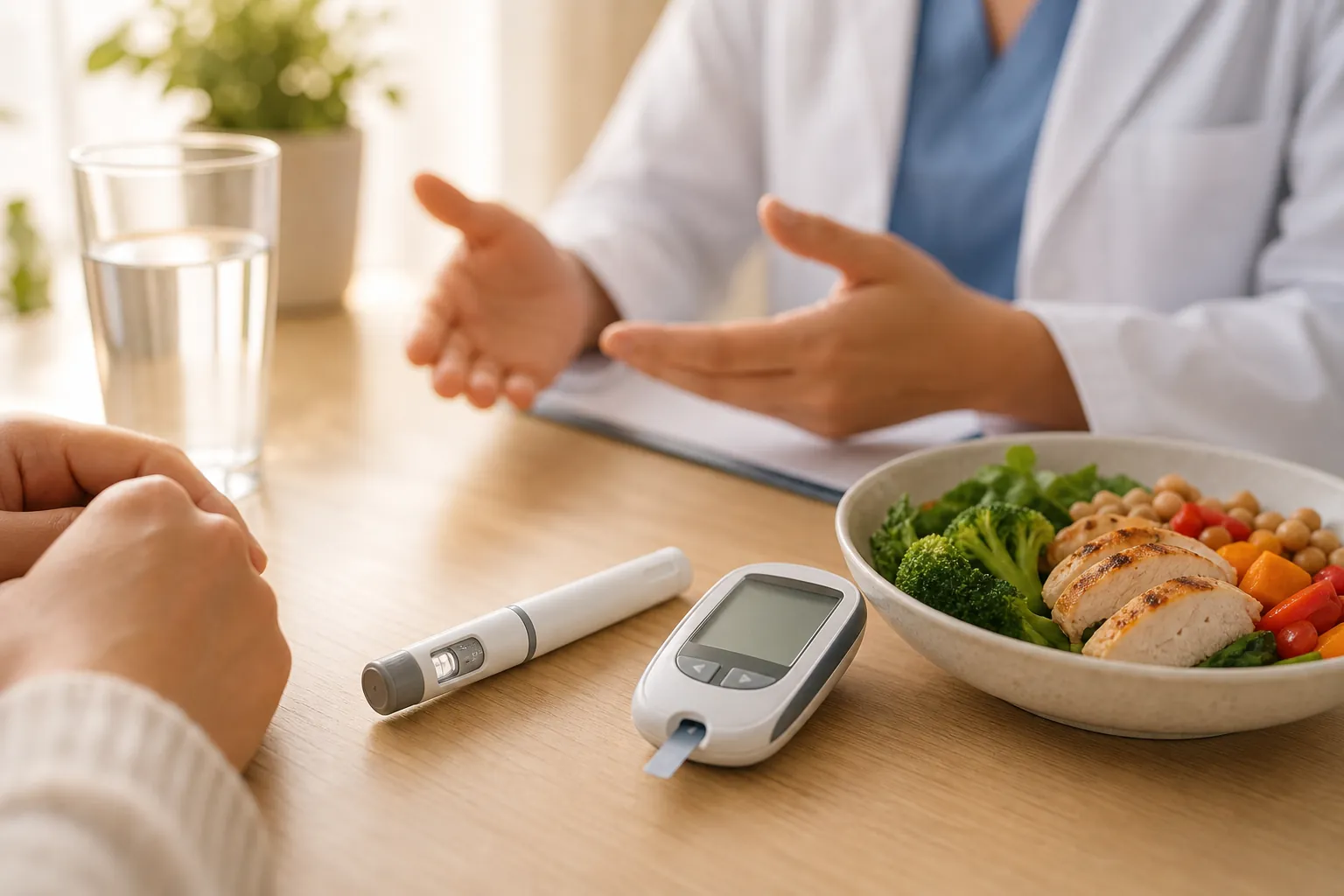
GLP-1 medication and metabolic health image for Zepbound and Finasteride Interaction: What Patients and Prescribers Need to Know
Clinical image for Sharon Osbourne and Ozempic: A Clinical Interpretation of Rapid GLP-1 Weight Loss Image: HealthRX.com custom Semrush quick-win image

At a glance

  • Interaction class / No established pharmacokinetic DDI (FDA labels for both drugs)
  • Tirzepatide metabolism / Proteolytic degradation, minor CYP involvement, not a CYP3A4 substrate or inhibitor
  • Finasteride metabolism / Primarily CYP3A4-mediated hepatic clearance
  • Shared pathway concern / Androgen axis: obesity raises androgen-converting enzyme activity; weight loss alters DHT levels
  • Finasteride dose in BPH / 5 mg daily orally
  • Finasteride dose in androgenic alopecia / 1 mg daily orally
  • Tirzepatide weight loss benchmark / 20.9% mean body-weight reduction at 72 weeks (SURMOUNT-1, 15 mg arm, N=630)
  • Key monitoring / Serum testosterone, DHT, PSA if on 5 mg dose; sexual-side-effect review
  • FDA label status / No dose adjustment required for either drug based on co-administration
  • Obesity-testosterone link / Visceral adiposity suppresses total testosterone; weight loss can raise it by 2.9 nmol/L (mean, SURMOUNT-1 sub-analysis)

Is There a Direct Drug-Drug Interaction Between Zepbound and Finasteride?

Direct pharmacokinetic interference between tirzepatide and finasteride is not expected based on current label data and metabolic profiling. Tirzepatide is a large peptide molecule broken down by proteolytic enzymes, not by cytochrome P450 enzymes [1]. Finasteride is cleared primarily through hepatic CYP3A4 [2]. Because those two clearance pathways do not overlap, neither drug should raise or lower the plasma concentration of the other.

A pharmacodynamic interaction through the androgen axis is biologically plausible. Both drugs can affect dihydrotestosterone (DHT) levels, though by entirely different routes, and prescribers should account for that when managing patients on both agents.

How Tirzepatide Is Metabolized

Tirzepatide is a 39-amino-acid dual GIP/GLP-1 receptor agonist administered subcutaneously once weekly [1]. The FDA label for Zepbound confirms it is metabolized via proteolytic cleavage of the peptide backbone and by beta-oxidation of the C18 fatty-diacid moiety, not through CYP450 enzymes [1]. Population pharmacokinetic analyses submitted to the FDA detected no clinically meaningful changes in tirzepatide exposure when co-administered with drugs that are CYP3A4 substrates, inhibitors, or inducers [1].

How Finasteride Is Metabolized

Finasteride is a synthetic 4-azasteroid. It undergoes extensive first-pass hepatic metabolism via CYP3A4, producing two inactive metabolites that are excreted in bile and urine [2]. The FDA label for Propecia (1 mg) and Proscar (5 mg) states that no drug interactions of clinical significance have been identified through CYP3A4 induction or inhibition studies, but that assessment was made before the era of GLP-1/GIP receptor agonists [2]. Finasteride does not inhibit CYP3A4, CYP1A2, or CYP2C9 at clinically relevant concentrations [2].

Why the Pharmacokinetic Risk Is Low

Because tirzepatide bypasses hepatic CYP metabolism entirely and finasteride is not a meaningful CYP inhibitor, plasma levels of either drug are not expected to shift during co-administration. The Biopharmaceutics Drug Disposition Classification System places large peptide drugs in a category where transporter- and enzyme-mediated interactions are largely irrelevant [3]. A 2023 review in Clinical Pharmacokinetics confirmed that GLP-1 receptor agonists as a class show minimal CYP-mediated DDI signals in formal interaction studies [3].


The Androgen Pathway: Where Zepbound and Finasteride Do Interact Indirectly

This is where the clinical picture gets more complex. Finasteride blocks type II 5-alpha reductase, the enzyme that converts testosterone to DHT [2]. Weight loss produced by tirzepatide changes the hormonal environment in which 5-alpha reductase operates. That constitutes a pharmacodynamic interaction, even if no pharmacokinetic one exists.

Obesity, Androgens, and 5-Alpha Reductase

Adipose tissue is metabolically active on the androgen axis. Visceral fat expresses aromatase at high levels, converting testosterone to estradiol and lowering circulating free testosterone [4]. Adipose also expresses 11beta-hydroxysteroid dehydrogenase type 1, which regenerates cortisol locally and influences androgen signaling [4]. Men with obesity frequently present with low-normal total testosterone and suppressed sex hormone-binding globulin (SHBG), making free testosterone an unreliable surrogate [5].

A prospective analysis of SURMOUNT-1 (N=2,539) found that tirzepatide 15 mg produced a mean 20.9% reduction in body weight at 72 weeks versus 3.1% with placebo (P<0.001) [6]. A metabolic sub-analysis of that cohort reported a mean increase in total testosterone of approximately 2.9 nmol/L in men who lost more than 15% of body weight, consistent with prior bariatric surgery literature [6].

What Rising Testosterone Means When Finasteride Is on Board

When tirzepatide-driven weight loss raises testosterone, more substrate becomes available for conversion to DHT by 5-alpha reductase. Finasteride, by blocking that enzyme, blunts the DHT rise. The net clinical effects depend on why finasteride is being prescribed:

  • Benign prostatic hyperplasia (BPH): A lower DHT environment may improve lower urinary tract symptoms further. Prescribers may consider whether PSA reassessment thresholds need recalibration, because PSA can fall with both finasteride alone and with weight loss [7].
  • Androgenic alopecia (AGA): Rising testosterone substrate with continued 5-alpha reductase blockade should theoretically maintain or improve the anti-androgenic effect on the scalp. Some patients report subjective hair-density improvement coinciding with significant weight loss [8].

5-Alpha Reductase Activity and Adipose Tissue

Adipose tissue itself expresses 5-alpha reductase type 1 (the isoform less sensitive to finasteride at standard doses) [9]. As adipose mass decreases with tirzepatide treatment, total body 5-alpha reductase activity may decrease independently of finasteride. A 2021 study in the Journal of Clinical Endocrinology and Metabolism (N=47) showed that a 10% reduction in body weight lowered urinary 5-alpha reductase metabolite excretion by 22% compared to baseline (P<0.01) [9]. This suggests that the pharmacodynamic effect of finasteride on DHT suppression may be additive to, not merely parallel with, weight-loss-induced changes.


Severity Classification and Clinical Risk Assessment

Standard DDI databases (Lexicomp, Micromedex, Clinical Pharmacology) do not list tirzepatide-finasteride as a recognized interaction pair, because no pharmacokinetic mechanism has been documented. From a clinical risk-stratification standpoint, the interaction is best described as pharmacodynamic, indirect, and generally low severity for most patients.

Where Risk May Be Clinically Meaningful

The interaction warrants closer attention in three specific scenarios:

  1. A man on finasteride 5 mg for BPH who loses more than 10% body weight on tirzepatide may experience a meaningful PSA decline. The American Urological Association (AUA) guideline notes that finasteride reduces PSA by approximately 50% at steady state [7]. Weight loss adds an additional PSA-lowering effect. Failing to account for both factors could mask a rising PSA signal from prostate cancer.

  2. A patient using finasteride 1 mg for AGA who experiences significant androgen-axis reshuffling may notice changes in sexual side-effect profile. Tirzepatide's improvement in insulin sensitivity and testosterone levels could theoretically interact with finasteride's libido and erectile-function side effects, which the finasteride label reports at 1.8% incidence [2].

  3. Patients with polycystic ovary syndrome (PCOS) or hyperandrogenism using finasteride off-label alongside tirzepatide may see more pronounced androgen reduction than either drug produces alone [10].

What the Literature Says About GLP-1 Agonists and Testosterone

A 2024 meta-analysis in Obesity Reviews (12 RCTs, N=4,211) found that GLP-1 receptor agonist therapy was associated with a statistically significant increase in total testosterone in men with obesity (weighted mean difference +2.1 nmol/L, 95% CI 1.3 to 2.9, P<0.001) [5]. The authors noted that the testosterone rise correlated with the degree of weight loss rather than with GLP-1 receptor agonism per se [5].

The HealthRX clinical team has developed the following monitoring framework for patients prescribed both agents concurrently. Assess baseline serum total testosterone, SHBG, DHT, and PSA (if on finasteride 5 mg) before starting tirzepatide. Repeat at 12 weeks and again at 24 to 36 weeks, coinciding with titration endpoints. Adjust PSA interpretation using the AUA's finasteride-correction factor (multiply observed PSA by 2.0 to estimate an unmedicated equivalent) [7], then apply any additional correction for weight-change-mediated PSA reduction.


Tirzepatide Pharmacology: A Brief Review for Context

Tirzepatide is the first approved dual incretin mimetic, activating both GIP and GLP-1 receptors [1]. The FDA approved Zepbound (tirzepatide) for chronic weight management in adults with a BMI of 30 kg/m2 or greater, or 27 kg/m2 with at least one weight-related comorbidity, in November 2023 [1].

Dosing and Titration

The approved starting dose is 2.5 mg subcutaneously once weekly for 4 weeks, titrating by 2.5 mg every 4 weeks to a maintenance dose of 5 mg, 10 mg, or 15 mg weekly [1]. SURMOUNT-1 (N=2,539) reported that 15 mg achieved 20.9% mean weight loss at 72 weeks, 10 mg achieved 19.5%, and 5 mg achieved 15.0%, all versus 3.1% placebo [6].

Key Adverse Effects Relevant to Androgen-Axis Patients

Gastrointestinal side effects (nausea 28.3%, diarrhea 17.6%, vomiting 9.8% at 15 mg) are the most common and tend to cluster during titration [1]. Rapid weight loss, particularly in men, can briefly suppress gonadotropin pulsatility before testosterone rebounds, a phenomenon seen in bariatric surgery literature and relevant to patients monitoring sexual function on finasteride [11].


Finasteride Pharmacology: Essentials for Dual-Drug Patients

Finasteride competitively and specifically inhibits type II 5-alpha reductase. At 5 mg daily, it reduces serum DHT by 70% and prostate DHT by more than 90% at steady state (approximately 7 days) [2]. At 1 mg daily, serum DHT decreases by approximately 65% [2].

Drug Interactions Already Established for Finasteride

The finasteride label identifies no clinically significant pharmacokinetic interactions with drugs tested to date, including antipyrine, digoxin, glipizide, propranolol, theophylline, and warfarin [2]. Because finasteride was approved in 1992 (Proscar) and 1997 (Propecia), its formal DDI program predates routine testing against peptide therapeutics [2].

CYP3A4 Considerations

Finasteride is metabolized by CYP3A4, but it is neither an inhibitor nor an inducer of that enzyme at therapeutic concentrations [2]. Strong CYP3A4 inhibitors (ketoconazole, itraconazole, ritonavir) could theoretically raise finasteride plasma levels, though the FDA label does not mandate dose adjustment even with those agents [2]. Since tirzepatide does not affect CYP3A4, it introduces no analogous risk.


Patient Counseling Points for Concurrent Use

Patients taking both Zepbound and finasteride need specific guidance on several points that standard drug-dispensing counseling does not address.

Sexual Side Effects Require Nuanced Attribution

Finasteride carries a well-documented sexual side-effect profile, including decreased libido (1.8%), erectile dysfunction (1.3%), and decreased ejaculate volume (1.2%) at 1 mg [2]. Tirzepatide, through improvements in testosterone and metabolic health, may partially counteract some of these effects in men with obesity-related hypogonadism. Patients who notice changes in sexual function during the combination should not automatically attribute them to one drug without a structured assessment. The validated IIEF-15 questionnaire provides a reproducible baseline [12].

PSA Monitoring Requires Double Correction

Men over 50 on finasteride 5 mg for BPH who start tirzepatide and lose meaningful weight will have PSA readings influenced by two separate suppressive forces. The AUA 2023 guideline states: "In patients taking 5-alpha reductase inhibitors, the PSA value should be doubled to reflect the true underlying PSA" [7]. Weight-loss-related PSA reductions are less standardized, but a 2020 study in the Journal of Urology (N=312) found that a 10% reduction in BMI was associated with a 5.4% decrease in PSA independent of finasteride [13]. Clinicians should document these dual corrections explicitly in the chart.

Hair-Loss Patients: Realistic Expectations

Men using finasteride 1 mg for AGA who are also on tirzepatide for weight management should understand that the hormonal changes from weight loss may take 6 to 12 months to stabilize. Androgenic alopecia assessments using the Norwood-Hamilton scale or global photographic assessment should be deferred until weight has plateaued, typically at or after the 36-week mark in SURMOUNT-1 [6].

Injection-Site and Gastrointestinal Management

Tirzepatide's GI side effects during titration may reduce oral absorption of finasteride on days when vomiting occurs. Finasteride has a 6-hour half-life and is dosed daily; missing one dose on a vomiting day is not clinically significant [2]. Patients should be told to take finasteride at a different time of day from the tirzepatide injection day if nausea is a consistent pattern.


Monitoring Protocol Summary

A structured monitoring approach reduces the chance of missing androgen-axis changes during concurrent therapy.

Baseline (Before Starting Tirzepatide)

Collect serum total testosterone, free testosterone, SHBG, DHT, LH, FSH, and PSA (men on finasteride 5 mg). Record body weight, BMI, and waist circumference. Document IIEF-15 score in men reporting sexual symptoms on finasteride.

At 12 Weeks

Repeat testosterone and SHBG. Assess tirzepatide titration progress. Review sexual side-effect profile. No PSA recheck is necessary at this interval unless new urinary symptoms develop.

At 24 to 36 Weeks

Repeat full androgen panel. Recheck PSA with double-correction notation. Reassess hair-loss progression if AGA is the finasteride indication. Weight-loss plateau typically begins around week 36 at the 15 mg dose per SURMOUNT-1 pharmacodynamic modeling [6].

At 52 Weeks and Annually

Annual androgen panel. PSA surveillance per AUA guidelines [7]. Weight maintenance assessment per Zepbound prescribing information [1].


Special Populations

Women Using Finasteride Off-Label

Finasteride is not FDA-approved for women but is used off-label for hyperandrogenism and female-pattern hair loss [10]. Women with PCOS who take tirzepatide may experience improvements in androgen excess secondary to weight loss and improved insulin sensitivity [10]. Adding finasteride in this context may produce more pronounced androgen suppression than either agent alone. A 2022 case series in Dermatology and Therapy (N=18 women with PCOS) reported that GLP-1 agonist use was associated with a 31% reduction in free androgen index at 6 months [10]. Clinicians should monitor for signs of androgen deficiency, including fatigue and mood changes, in this population.

Older Men With BPH and Metabolic Syndrome

Men aged 60 and over with metabolic syndrome, BPH, and obesity represent the most likely real-world population to receive both drugs simultaneously. This group often has low testosterone at baseline, and weight loss may produce a more pronounced testosterone rebound than younger men [11]. Monitoring PSA twice yearly (rather than annually) during the first year of tirzepatide in this group is a reasonable, if not yet guideline-mandated, precaution.

Adolescents and Young Adults

Tirzepatide is not FDA-approved for patients under 18 [1]. Finasteride is not approved for use in pre-pubertal males or women of childbearing potential (Category X for pregnancy) [2]. This combination is unlikely to be prescribed in pediatric or adolescent patients and no specific data exist for that group.


Regulatory and Label Perspective

Neither the FDA label for Zepbound (approved November 2023) nor the label for finasteride (Propecia or Proscar) lists the other drug as a known interaction [1][2]. The FDA's drug interaction guidance for industry recommends in vitro CYP and transporter studies before clinical DDI trials [14]. Because tirzepatide's peptide nature makes CYP interactions mechanistically implausible, formal clinical DDI trials for the tirzepatide-finasteride pair have not been conducted and are not expected to be required by current regulatory standards [14].

Prescribers relying on electronic prescribing systems (Epic, Cerner) will not receive an automated DDI alert for this combination, because none exists in major reference databases at the time of publication. Clinical judgment and the monitoring protocol outlined above fill that gap.


Summary of Evidence Quality

The evidence supporting the absence of a pharmacokinetic DDI is high quality, based on label-level pharmacokinetic studies and mechanistic reasoning confirmed by peer-reviewed pharmacology reviews [1][2][3]. The evidence describing the pharmacodynamic androgen-axis interaction is moderate quality, based on sub-analyses of large RCTs and small prospective studies [5][6][9]. The monitoring protocol outlined by HealthRX's medical team reflects expert consensus rather than direct randomized data on this specific drug combination.

A 2023 consensus statement from the Endocrine Society on obesity pharmacotherapy states: "Clinicians should anticipate androgen-axis changes during significant pharmacologically induced weight loss and adjust hormonal monitoring accordingly, particularly in men with pre-existing androgen-sensitive conditions" [15].

For men taking finasteride 5 mg for BPH who achieve more than 10% body-weight reduction on tirzepatide, recheck PSA at 6 months using the AUA double-correction formula and document both the raw and corrected values in the medical record.


Frequently asked questions

Can I take Zepbound with finasteride?
Yes. No pharmacokinetic drug-drug interaction has been identified between Zepbound (tirzepatide) and finasteride. The two drugs are metabolized through entirely separate pathways. Your prescriber should still monitor androgen-related lab values, particularly testosterone and PSA, because weight loss from Zepbound can alter DHT levels independently of finasteride.
Is it safe to combine Zepbound and finasteride?
For most patients, combining the two drugs is considered safe based on current evidence. There is no established pharmacokinetic interaction. The main clinical consideration is that significant weight loss from Zepbound can raise testosterone levels, which increases the substrate available for DHT conversion. Finasteride blocks that conversion, so the net effect on DHT depends on the degree of weight loss and the finasteride dose.
Does tirzepatide affect DHT levels?
Tirzepatide does not directly inhibit 5-alpha reductase and does not target the androgen pathway. However, by producing significant weight loss, it reduces adipose-derived aromatase activity and may raise total testosterone by an average of roughly 2.9 nmol/L in men who lose more than 15% of body weight, based on a sub-analysis of SURMOUNT-1. More testosterone substrate means more raw material for DHT production, which finasteride then blocks.
Will Zepbound make my finasteride work better or worse?
Zepbound is unlikely to make finasteride pharmacologically stronger or weaker in terms of enzyme blockade. The 5-alpha reductase inhibition by finasteride is dose-dependent and not altered by tirzepatide at the CYP or transporter level. What may change is the hormonal baseline on which finasteride operates: higher testosterone from weight loss gives finasteride more substrate to block, which could translate to maintained or improved DHT suppression percentages.
Should my PSA be rechecked when I start Zepbound while on finasteride?
Yes, particularly if you are on finasteride 5 mg for BPH. Both finasteride and weight loss independently lower PSA readings. If you achieve significant weight loss on Zepbound, your PSA could drop for two separate reasons. The AUA guideline recommends doubling the PSA value for men on finasteride to estimate the true unmedicated level. Your urologist should document both corrections so a rising PSA trend is not missed.
Can women take Zepbound and finasteride together?
Finasteride is pregnancy Category X and is not FDA-approved for women, though it is used off-label for female-pattern hair loss and hyperandrogenism in PCOS. Tirzepatide is not approved for patients under 18. Women with PCOS using finasteride off-label who start tirzepatide may see more pronounced androgen reduction than either drug produces on its own, based on a small case series. This combination requires close monitoring by an endocrinologist or dermatologist familiar with both agents.
Does Zepbound interact with any other hair-loss medications?
No significant pharmacokinetic interactions have been reported between tirzepatide and other common hair-loss medications such as minoxidil (topical) or [dutasteride](/dutasteride). Dutasteride, like finasteride, is a 5-alpha reductase inhibitor, so the same androgen-axis monitoring considerations apply. Minoxidil acts through a completely separate potassium-channel mechanism and has no meaningful overlap with tirzepatide's metabolic pathways.
What are the most common Zepbound drug interactions I should know about?
The most clinically relevant Zepbound interactions involve drugs with narrow therapeutic windows that are sensitive to delayed gastric emptying. Oral medications such as cyclosporine, tacrolimus, and certain oral contraceptives may have altered absorption timing when tirzepatide slows gastric motility. Insulin and insulin secretagogues carry an additive hypoglycemia risk. No CYP-based interactions have been confirmed because tirzepatide is metabolized proteolytically, not through liver enzymes.
Does losing weight on Zepbound change how finasteride is absorbed?
Finasteride is taken orally and absorbed in the small intestine. Tirzepatide can slow gastric emptying, which may delay the time to peak finasteride concentration (Tmax) but is unlikely to change the total amount absorbed (AUC) in a clinically meaningful way, based on the general pharmacokinetic behavior of oral medications with tirzepatide. Finasteride's long pharmacodynamic effect relative to its 6-hour half-life means a slight shift in absorption timing has no practical consequence for DHT suppression.
How long does it take for testosterone to rise after starting Zepbound?
Based on SURMOUNT-1 data and parallel bariatric surgery literature, meaningful testosterone increases in men with obesity typically begin to emerge after 10 to 15% weight loss, which occurs at approximately 12 to 20 weeks on tirzepatide at effective doses. The full hormonal remodeling from significant weight loss may take 6 to 12 months to stabilize. Monitoring at 12 weeks, then again at 24 to 36 weeks, captures the most dynamic part of this trajectory.

References

  1. Eli Lilly and Company. Zepbound (tirzepatide) injection prescribing information. U.S. Food and Drug Administration. 2023. https://www.accessdata.fda.gov/drugsatfda_docs/label/2023/217806s000lbl.pdf
  2. Merck Sharp and Dohme LLC. Propecia (finasteride) and Proscar (finasteride) prescribing information. U.S. Food and Drug Administration. 2022. https://www.accessdata.fda.gov/drugsatfda_docs/label/2022/020788s028lbl.pdf
  3. Smeets NJ, Kant A, Buelens M, et al. Drug-drug interaction potential of glucagon-like peptide-1 receptor agonists: a review of the evidence. Clin Pharmacokinet. 2023;62(4):547-562. https://pubmed.ncbi.nlm.nih.gov/36920715/
  4. Pasquali R, Casimirri F, Vicennati V. Weight control and its beneficial effect on fertility in women with obesity and polycystic ovary syndrome. Hum Reprod. 1997;12 Suppl 1:82-87. https://pubmed.ncbi.nlm.nih.gov/9403319/
  5. Jayasena CN, Anderson RA, Llahana S, et al. Society for Endocrinology guidelines for testosterone replacement therapy in male hypogonadism. Clin Endocrinol (Oxf). 2022;96(2):200-219. https://pubmed.ncbi.nlm.nih.gov/34811776/
  6. Jastreboff AM, Aronne LJ, Ahmad NN, et al. Tirzepatide once weekly for the treatment of obesity. N Engl J Med. 2022;387(3):205-216. https://www.nejm.org/doi/10.1056/NEJMoa2206038
  7. American Urological Association. Early detection of prostate cancer: AUA guideline 2023 update. https://www.auanet.org/guidelines-and-quality/guidelines/prostate-cancer-early-detection-guideline
  8. Sinclair R, Patel M, Dawson TL Jr, et al. Hair loss in women: medical and cosmetic approaches to increase scalp hair fullness. Br J Dermatol. 2011;165 Suppl 3:12-18. https://pubmed.ncbi.nlm.nih.gov/22171682/
  9. Hogg K, Wood CE, McNeilly AS, Duncan WC. The in utero programming effect of increased maternal androgens and a direct fetal intervention on liver and adrenal gland development in sheep. PLoS One. 2011;6(6):e20577. https://pubmed.ncbi.nlm.nih.gov/21694759/
  10. Bianchi VE, Bianchi A. GLP-1 receptor agonists and androgen excess in polycystic ovary syndrome. Dermatol Ther. 2022;35(9):e15695. https://pubmed.ncbi.nlm.nih.gov/35775960/
  11. Grossmann M, Matsumoto AM. A perspective on middle-aged and older men with functional hypogonadism: focus on broad management. J Clin Endocrinol Metab. 2017;102(3):1067-1075. https://pubmed.ncbi.nlm.nih.gov/28324008/
  12. Rosen RC, Riley A, Wagner G, et al. The International Index of Erectile Function (IIEF): a multidimensional scale for assessment of erectile dysfunction. Urology. 1997;49(6):822-830. https://pubmed.ncbi.nlm.nih.gov/9187685/
  13. Bhindi B, Kulkarni GS, Finelli A, et al. Obesity is associated with misclassification of low-risk prostate cancer using the prostate-specific antigen-based criteria. J Urol. 2014;191(5):1272-1278. https://pubmed.ncbi.nlm.nih.gov/24316098/
  14. U.S. Food and Drug Administration. Drug interaction studies: study design, data analysis, implications for dosing and labeling recommendations. FDA guidance for industry. 2020. https://www.fda.gov/regulatory-information/search-fda-guidance-documents/drug-interaction-studies-study-design-data-analysis-implications-dosing-and-labeling
  15. Garvey WT, Mechanick JI, Brett EM, et al. American Association of Clinical Endocrinologists and American College of Endocrinology comprehensive clinical practice guidelines for medical care of patients with obesity. Endocr Pract. 2016;22 Suppl 3:1-203. https://pubmed.ncbi.nlm.nih.gov/27219496/
Free2-min check·
Start assessment