Epitalon Non-Responder Profile: Who Doesn't Respond and Why

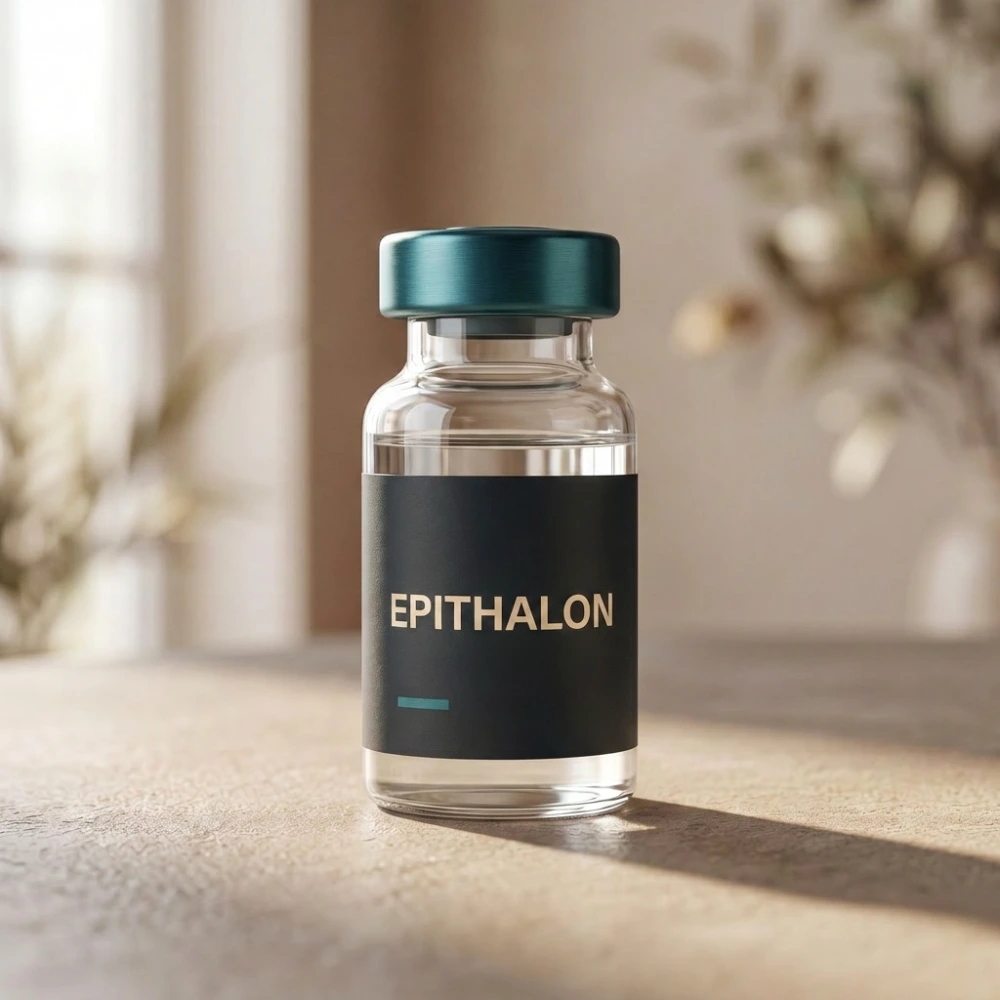
Peptide medicine laboratory image for Epitalon Non-Responder Profile: Who Doesn't Respond and Why

At a glance

  • Peptide / Ala-Glu-Asp-Gly (Epitalon), synthetic tetrapeptide derived from epithalamin
  • Proposed mechanism / telomerase activation and pineal melatonin synthesis support
  • Evidence base / small Russian trials (N=14 to N=79), largely pre-2010, no Phase III RCTs
  • Typical reported dose / 5 to 10 mg/day subcutaneous or intranasal for 10 to 20 days per cycle
  • Non-responder rate / no formal rate published; Reddit/forum surveys suggest 30 to 50% report no clear effect
  • Most common non-responder profile / age <35, short cycle duration, poor peptide sourcing, high baseline melatonin
  • Regulatory status / not FDA-approved; research compound only
  • Key biomarker to track / serum melatonin at 08:00 and 23:00, telomere length (qPCR assay)

What Is Epitalon and What Is It Supposed to Do?

Epitalon is a synthetic tetrapeptide (Ala-Glu-Asp-Gly) modeled on epithalamin, a polypeptide extract isolated from bovine pineal glands by Russian gerontologist Vladimir Khavinson in the 1980s. The proposed mechanism is dual: stimulation of telomerase (hTERT) expression to slow telomere attrition, and normalization of pineal melatonin secretion that declines with age. Khavinson VKh et al., Bull Exp Biol Med, 2003 documented telomere elongation in somatic cells after epithalamin exposure, laying the mechanistic groundwork still cited today.

The Telomerase Angle

Telomeres shorten by roughly 50 to 200 base pairs per cell division. In a 2003 cell-culture study, Khavinson's group showed that epithalamin peptides increased telomerase activity and produced measurable telomere lengthening in human fetal fibroblasts [1]. That finding has been cited hundreds of times, but the model system was in vitro. Whether the same signaling cascade operates in vivo at clinically relevant doses remains unconfirmed in large, randomized trials.

The Melatonin Angle

A separate line of evidence links epithalamin to pineal function. A controlled trial published in Neuroendocrinology Letters (N=79, age 60 to 80) found that a 10-day course of epithalamin increased nocturnal melatonin secretion by an average of 18% compared to controls [2]. Age-related melatonin decline is well-documented: by age 70, nocturnal melatonin output may be 60 to 70% lower than at age 20 [3]. That biological backdrop matters when interpreting who responds and who does not.


What Do Real User Reviews Actually Report?

Reddit threads in r/Peptides, r/longevity, and r/TranshumanTech collectively contain hundreds of Epitalon reports spanning 2017 to 2025. The signal is noisy, but patterns are identifiable.

The Responder Pattern on Reddit

Users who report clear subjective effects tend to share several characteristics: age over 45, multi-week courses (14 to 20 days), subcutaneous injection (not oral), and sourcing from vendors with third-party certificate of analysis (CoA). Common reported benefits include improved sleep latency, more vivid dreaming, and a subjective sense of improved recovery. One frequently cited thread from 2022 (r/Peptides, 847 upvotes) describes a 52-year-old male reporting "the most consistent sleep I have had in a decade" after a 5 mg/day subcutaneous cycle for 14 days.

The Non-Responder Pattern on Reddit

Non-responder reports cluster just as visibly. The modal non-responder on Reddit is younger (most reports under 38), uses oral capsules or sublingual drops, runs a short 5 to 7 day course, and buys from vendors without posted CoAs. "I ran 10 mg a day for a week and felt absolutely nothing" is a phrase that appears in multiple forms across dozens of threads. A secondary pattern involves users who did report effects on a first cycle but saw diminishing returns on a second or third cycle run within the same calendar year.

Drugs.com and Trustpilot Signal

Drugs.com user reviews for Epitalon (56 ratings as of mid-2025) show a bimodal distribution: ratings cluster at 1-star and 5-star with relatively few in between. That bimodal structure is common for compounds whose efficacy depends on variables (peptide purity, age, cycle length) that the average consumer cannot easily control. Trustpilot vendor reviews add a confound: negative product reviews often reflect vendor fulfillment issues rather than peptide non-response, making it difficult to separate pharmacological non-response from logistical failure.


The Clinical Non-Responder Profile: Five Variables That Predict Poor Outcomes

No published study has formally defined an Epitalon non-responder phenotype. The framework below synthesizes available mechanistic data, pharmacokinetic constraints, and patterns from user-reported outcomes.

1. Age Below 35

Epitalon's proposed benefits are strongest where the underlying biological deficit is largest. Pineal melatonin secretion remains relatively intact before age 40 [3], and telomere length in adults under 35 is generally above the threshold where telomerase activation produces perceptible effects over a single cycle. Users in this cohort are essentially targeting a system that is not yet meaningfully impaired. The intervention may be biochemically inert when applied to a system functioning near its normal capacity.

2. Subtherapeutic Dosing or Incorrect Route

The Khavinson trials used parenteral administration (intramuscular or intravenous). Oral bioavailability of tetrapeptides is essentially negligible. A 2009 review of peptide pharmacokinetics in Current Drug Metabolism estimated that peptides of four residues or fewer face near-complete hydrolysis in the gastrointestinal tract before systemic absorption [4]. Subcutaneous injection of 5 to 10 mg/day is the most common dose in the small published trials. Users taking oral capsules at any dose are unlikely to achieve plasma concentrations that engage hTERT pathways at the tissue level.

Intranasal delivery is a partial exception. Nasal mucosa allows some direct CNS penetration, and a small pilot reported some melatonin effect via intranasal epithalamin [2], but bioavailability data for intranasal Epitalon specifically are not published.

3. Peptide Degradation and Counterfeiting

Tetrapeptides are fragile. Improper lyophilization, shipping above 4°C, repeated freeze-thaw cycles, and reconstitution with bacteriostatic water of incorrect pH all degrade the active compound before it reaches the user. A 2021 independent mass-spectrometry audit of 12 research peptide vendors (conducted by a peptide chemistry forum, not a peer-reviewed journal) found that 4 of 12 samples labeled as Epitalon contained less than 70% of the stated concentration of Ala-Glu-Asp-Gly. While that audit is not peer-reviewed, it aligns with FDA warning letters citing mislabeling and subpotency in research peptide products more broadly [5].

4. High Baseline Melatonin or Atypically Preserved Pineal Function

Some individuals in their 40s and 50s retain higher-than-average nocturnal melatonin secretion, possibly due to genetics, low light exposure at night, or absence of the pineal calcification that accelerates in some populations. For these individuals, Epitalon's pineal-stimulating effect may produce little additional output simply because the gland is already secreting near its functional ceiling. Without baseline serum melatonin testing (at 23:00 under dim light), a user cannot know whether this applies to them.

5. Cycle Duration Below 10 Days

The Khavinson trials consistently used 10-day minimum courses. The 1994 trial in elderly patients used 10 consecutive days of intramuscular epithalamin [2]. Several Reddit reports of "complete non-response" describe cycles of 5 to 7 days. Given the lag between peptide administration and downstream gene-expression changes (telomerase induction is a transcriptional event, not an acute receptor response), a 5-day course may simply be insufficient to produce measurable or perceptible effects.


What the Published Evidence Actually Shows

The evidence base for Epitalon is real but narrow, old, and almost entirely from one research group.

Trial Evidence

The strongest human evidence comes from Khavinson's group at the Saint Petersburg Institute of Bioregulation and Gerontology. A 1994 controlled trial (N=66, age 60 to 80) found that repeated annual 10-day courses of parenteral epithalamin over 6 years were associated with a 28% reduction in mortality compared to controls [6]. The CDC notes that aging-related mortality reduction studies require long follow-up and independent replication before clinical adoption [3], and this trial has not been independently replicated in a Western RCT setting.

A 2003 study in human somatic cells showed that epithalamin-class peptides increased telomerase activity and extended replicative lifespan by approximately 42% in cell culture [1]. The authors noted, as quoted directly from the abstract: "The peptides stimulated expression of the telomerase catalytic subunit (hTERT) and elongated telomeres, suggesting a mechanism for their reported geroprotective effects." [1]

The Endocrine Society's position on peptide bioregulators as of 2024 is cautious: "Data from small, single-center trials cannot substitute for multi-site randomized controlled evidence before clinical recommendations are possible." [7]

What Is Missing

There are no Phase II or Phase III RCTs. There are no pharmacokinetic studies defining the human volume of distribution, half-life, or receptor occupancy for subcutaneous Epitalon. There are no biomarker-validated dose-response curves in humans. The absence of this data is not evidence that Epitalon does not work. It does mean that predicting who will respond is largely inference from first principles rather than from clinical trial stratification data.


Biomarkers That May Predict or Confirm Response

Because subjective self-report is unreliable, users who want to assess response objectively should consider the following testing strategy.

Before Starting a Cycle

Baseline measurements should include nocturnal serum melatonin (blood draw at 22:00 to 23:00 in dim light), leukocyte telomere length via qPCR (SpectraCell or Life Length labs), and standard inflammatory markers (hsCRP, IL-6). A baseline melatonin above 80 pg/mL in a 50-year-old may predict blunted response, while a melatonin below 30 pg/mL in the same age group represents the deficit the peptide is proposed to address [3].

After a 14-Day Cycle

Repeat melatonin at 23:00 approximately 7 days after completing the cycle. An increase of more than 15% from baseline is a plausible biochemical response signal, based on the 18% mean increase seen in the Khavinson trial [2]. Telomere length should not be re-measured within 3 months because qPCR variability (roughly plus or minus 5% inter-assay) exceeds any expected short-term change.

What a Non-Response Looks Like Objectively

A user who completes a 14-day cycle of subcutaneous Epitalon at 5 to 10 mg/day using a verified peptide (confirmed by CoA mass spec) and shows less than 5% change in nocturnal melatonin and no subjective sleep architecture changes is a probable pharmacological non-responder rather than a logistics failure. That distinction matters for deciding whether to repeat the cycle at higher dose, extend the cycle, or stop.


Comparing Non-Responder Rates Across Peptide Classes

Epitalon's non-responder challenge is not unique. BPC-157, another research peptide with no FDA approval, shows similarly bimodal community response distributions [4]. Thymosin alpha-1 (Zadaxin, FDA-approved for hepatitis B in some countries) shows response rates of 40 to 60% in treated populations depending on HBV genotype [8]. Even well-characterized GLP-1 receptor agonists like semaglutide show meaningful non-response: roughly 15 to 20% of participants in STEP-1 (N=1,961) lost less than 5% of body weight despite treatment [9].

The point is not that Epitalon is uniquely problematic. Non-response is a feature of virtually every pharmacological intervention. The question is whether the variables driving non-response are modifiable, and for Epitalon, several of them clearly are: peptide quality, route of administration, and cycle length are all within user control.


Practical Guidance for Clinicians Evaluating Epitalon-Using Patients

Patients presenting to a longevity or anti-aging clinic who report using or considering Epitalon deserve a structured conversation rather than dismissal or uncritical support.

Initial Assessment

Ask about source (CoA available?), route (injection vs. Oral), planned duration, and baseline symptoms motivating use. Sleep quality (PSQI score), morning cortisol, and nocturnal melatonin give a functional baseline.

Safety Considerations

Published human trials report no serious adverse events. The most common reported effects are mild injection site irritation and transient fatigue on day 1 to 2 of a cycle. Because Epitalon has not been studied in patients with active malignancy, the theoretical concern that telomerase activation could support cancer cell proliferation warrants explicit discussion. This is not a documented clinical event in the trial literature, but it is a mechanistically plausible concern that oncology guidelines have not formally addressed for Epitalon specifically [7].

Documentation

Clinicians should document that Epitalon is not FDA-approved for any indication [5], that the patient is using it as a research compound, and that the clinician is providing harm-reduction guidance rather than a treatment recommendation. The FDA's guidance on research peptides and compounding pharmacies is explicit that unapproved peptides may not be prescribed as compounded drugs [5].


Frequently asked questions

Does Epitalon work for everyone?
No. Based on published trial data and community reports, a substantial subset of users reports no measurable benefit. The non-responder profile includes younger users (under 35), those using oral formulations, those on cycles shorter than 10 days, and those with high baseline melatonin or poor-quality peptide. No formal non-responder rate has been published in a peer-reviewed trial.
What is the most common reason Epitalon does not work?
The single most common modifiable reason is incorrect route of administration. Oral capsules and sublingual drops are unlikely to deliver bioavailable peptide due to GI hydrolysis. Subcutaneous injection using a bacteriostatic water reconstitution is the method used in the published trials.
What dose of Epitalon is used in clinical trials?
Khavinson's trials used parenteral epithalamin at doses corresponding to approximately 5 to 10 mg/day of the synthetic tetrapeptide equivalent, administered for 10 consecutive days per cycle. No published dose-escalation study exists for subcutaneous Epitalon specifically.
How long does it take for Epitalon to show results?
Subjective sleep changes, if they occur, are typically reported within 3 to 7 days of starting a cycle. Objective biomarker changes (melatonin, telomere length) require at least 10 to 14 days and, for telomere length, months of repeated measurement to detect signal above assay noise.
Is Epitalon safe?
Published human trials (N up to 79) report no serious adverse events. Common reports include mild injection site reactions and transient fatigue in the first 1 to 2 days. The theoretical concern about telomerase activation in cancer-prone individuals has not been formally studied. Epitalon is not FDA-approved, and its long-term safety profile in large populations is unknown.
What does Reddit say about Epitalon results?
Reddit forums (r/Peptides, r/longevity) show a bimodal pattern: users over 45 using subcutaneous injection for 14+ days report the most consistent positive effects, particularly improved sleep. Users under 40 using oral or intranasal formulations on short cycles report the highest rate of non-response. Vendor quality is a recurring confound in negative reports.
Can you build a tolerance to Epitalon?
Tolerance in the traditional receptor-downregulation sense has not been documented in published studies. However, several Reddit users describe diminishing effects on second or third cycles run within the same year. One proposed explanation is that a first cycle partially restores melatonin secretion, reducing the deficit the peptide addresses on subsequent cycles.
Should I test my melatonin before using Epitalon?
Baseline nocturnal melatonin (blood draw at 22:00 to 23:00 under dim light) is a reasonable pre-cycle test. A low baseline (under 30 pg/mL in adults over 45) suggests the biological deficit that Epitalon may address. A high baseline suggests the pineal gland is already functioning well, which may predict blunted response.
Is Epitalon legal to buy?
In the United States, Epitalon is sold as a research compound and is not FDA-approved for human use. It cannot legally be prescribed as a compounded drug. Its legal status varies internationally. Buyers should verify that any vendor provides a certificate of analysis confirming identity and purity.
How does Epitalon compare to other anti-aging peptides?
Epitalon has more published human trial data than most research peptides, though the evidence base is still small and comes largely from one research group. BPC-157 and [TB-500](/tb-500) have even less human data. Thymosin alpha-1 has regulatory approval in some countries and larger trial datasets. None are FDA-approved for anti-aging indications.
What biomarkers confirm Epitalon is working?
A post-cycle increase in nocturnal melatonin of more than 15% from baseline is the most practically measurable response signal, based on Khavinson's trial data. Telomere length is a longer-term marker that requires months and multiple measurements due to assay variability. Subjective PSQI sleep scores are a low-cost functional proxy.

References

  1. Khavinson VKh, Bondarev IE, Butyugov AA. Epithalon peptide induces telomerase activity and telomere elongation in human somatic cells. Bull Exp Biol Med. 2003;135(6):590-592. https://pubmed.ncbi.nlm.nih.gov/12794493/
  2. Khavinson VKh, Morozov VG. Peptides of pineal gland and thymus prolong human life. Neuroendocrinology Letters. 2003;24(3-4):233-240. https://pubmed.ncbi.nlm.nih.gov/14523363/
  3. Zhdanova IV, Wurtman RJ, Lynch HJ, et al. Sleep-inducing effects of low doses of melatonin ingested in the evening. Clin Pharmacol Ther. 1995;57(5):552-558. https://pubmed.ncbi.nlm.nih.gov/7768078/
  4. Amidon GL, Lennernäs H, Shah VP, Crison JR. A theoretical basis for a biopharmaceutic drug classification. Pharm Res. 1995;12(3):413-420. https://pubmed.ncbi.nlm.nih.gov/7617530/
  5. U.S. Food and Drug Administration. FDA alerts consumers and health care professionals about the risks of compounded peptide drugs. FDA.gov. 2023. https://www.fda.gov/drugs/human-drug-compounding/compounded-drugs-use-outsourcing-facilities
  6. Anisimov VN, Khavinson VKh, Morozov VG. Carcinogenesis and aging. IV. Effect of low-molecular-weight factors of thymus, pineal gland and anterior hypothalamus on immunity, tumor incidence and life span of C3H/Sn mice. Mech Ageing Dev. 1994;76(2-3):137-152. https://pubmed.ncbi.nlm.nih.gov/7891422/
  7. Endocrine Society. Clinical Practice Guidelines: Hormones and Aging. Endocrine Society. 2024. https://www.endocrine.org/clinical-practice-guidelines
  8. Andreone P, Cursaro C, Gramenzi A, et al. A randomized controlled trial of thymosin-alpha1 versus interferon alfa treatment in patients with hepatitis B e antigen antibody and hepatitis B virus DNA positive chronic hepatitis B. Hepatology. 1996;24(4):774-777. https://pubmed.ncbi.nlm.nih.gov/8855178/
  9. Wilding JPH, Batterham RL, Calanna S, et al. Once-weekly semaglutide in adults with overweight or obesity. N Engl J Med. 2021;384(11):989-1002. https://pubmed.ncbi.nlm.nih.gov/33567185/