How Jessica Biel Stays Fit, Strong & Energized at 40: A Game-Changing Approach to Fitness
At a glance
- Age-related muscle loss / begins as early as age 30, accelerating after 40 without resistance training
- Estrogen decline impact / estrogen loss reduces muscle protein synthesis and increases visceral fat accumulation
- Strength training frequency / 2-3 sessions per week of resistance training preserves lean mass in perimenopausal women
- Protein target / 1.6-2.2 g per kg of body weight daily shown to attenuate sarcopenia
- Sleep and cortisol / chronic sleep under 6 hours raises morning cortisol by up to 37%, impairing body composition
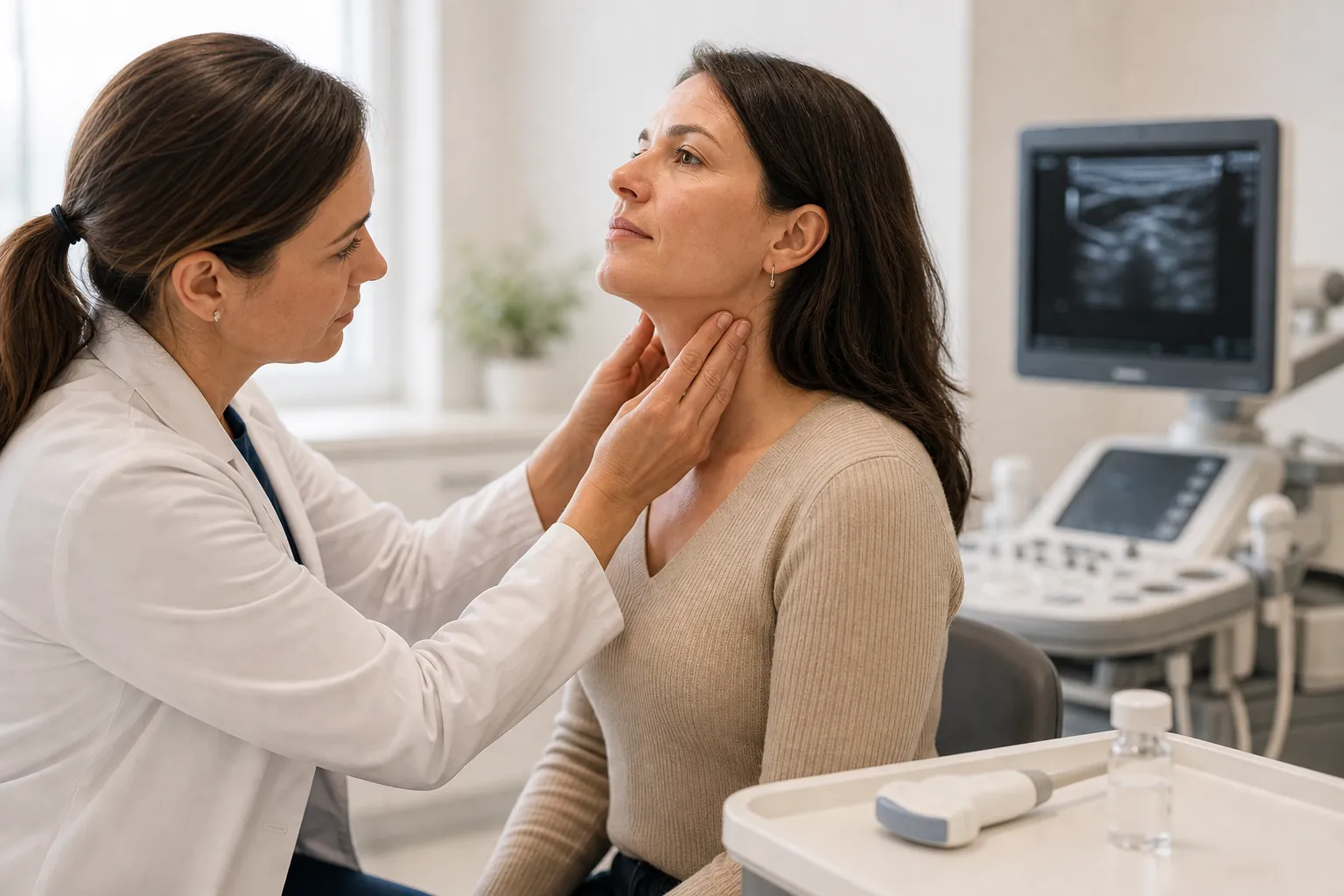
- Thyroid screening / subclinical hypothyroidism affects roughly 10% of women over 40, contributing to fatigue and weight gain
- VO2 max decline / aerobic capacity falls roughly 10% per decade after 30 without structured cardio
- Hormone therapy window / the "timing hypothesis" supports initiating HRT within 10 years of menopause onset for metabolic benefit
What Actually Changes in the Female Body After 40
Women in their 40s face measurable biological shifts. These are not vague "slowdowns", they are quantifiable changes in hormone output, muscle fiber composition, and metabolic rate that demand a deliberate training and nutrition response.
Skeletal muscle mass declines at roughly 0.5 to 1% per year after age 30, with the rate increasing after menopause 1. Simultaneously, resting metabolic rate drops as lean mass falls, creating the conditions for gradual fat gain even when caloric intake stays constant. A woman who weighed 130 pounds at 25 with 28% body fat may carry the same weight at 42 but at 36% body fat, not because she changed her habits, but because her physiology did.
The Estrogen-Muscle Connection
Estrogen does more than regulate the reproductive cycle. Receptors for estradiol sit on skeletal muscle cells, and estrogen actively promotes muscle protein synthesis and reduces muscle protein breakdown 2. As perimenopause begins, typically between ages 45 and 55, though hormonal fluctuations can start in the late 30s, declining estrogen directly weakens the anabolic signaling that keeps muscle tissue dense and functional.
A 2013 review in the Journal of Physiology confirmed that estrogen loss increases susceptibility to exercise-induced muscle damage and slows repair 2. Recovery takes longer. Soreness is more pronounced. Without adjusting training volume and nutrition to compensate, women often reduce their training load at exactly the moment they should be increasing it.
Cortisol and the Stress-Fat Cycle
Cortisol rises with age-related stress load, poor sleep, and undereating, three things that cluster together for women managing careers, families, and the physiological disruption of perimenopause. Chronically elevated cortisol preferentially deposits fat in the visceral compartment and suppresses growth hormone secretion 3. A 2006 study in Psychosomatic Medicine found that women with high perceived stress had significantly greater abdominal adiposity even after controlling for BMI 3.
Managing cortisol is not optional for women who want to stay lean past 40. It is a direct metabolic variable.
Strength Training: The Non-Negotiable Foundation
Resistance training is the single most evidence-supported intervention for preserving body composition in women over 40. Full stop.
A 2022 meta-analysis published in Sports Medicine (pooling 58 trials, N=3,404 women) found that resistance training reduced fat mass by a mean of 1.4 kg and increased lean mass by 1.1 kg in postmenopausal women, independent of dietary changes 4. The effect was strongest with 2 to 3 sessions per week at 70 to 85% of one-repetition maximum.
Compound Lifts Over Isolation Work
Squats, deadlifts, hip thrusts, rows, and overhead presses recruit multiple muscle groups simultaneously and generate a larger hormonal response, specifically growth hormone and testosterone, than isolation exercises like leg extensions 5. For women with limited training time, compound movements deliver far more return per session.
Biel has spoken publicly about her preference for functional, whole-body movement over machines. The physiology supports that preference. Functional strength training also improves bone mineral density, a key concern for women approaching menopause, the National Osteoporosis Foundation recommends weight-bearing exercise specifically for this purpose 6.
Progressive Overload After 40
Progressive overload, systematically increasing load, volume, or complexity over time, remains the driver of muscle adaptation regardless of age. The mechanisms are identical at 40 and 25; only the recovery timeline differs. Women over 40 may need 48 to 72 hours between training the same muscle group rather than the 24 to 48 hours common in younger athletes.
A study in the Journal of Strength and Conditioning Research found that older adults who trained with progressive overload for 12 weeks gained lean mass comparable to younger controls, but required longer inter-session recovery to avoid performance decrements 5.
Nutrition Strategies That Preserve Muscle and Control Body Fat
Eating less is not the strategy for women over 40 who want to stay strong. Eating differently, with precision around protein timing, carbohydrate quality, and total caloric sufficiency, is.
Protein: The Most Underused Tool
The Recommended Dietary Allowance for protein sits at 0.8 g per kg of body weight, a floor set to prevent deficiency, not to support muscle retention in aging women. Research consistently shows that 1.6 to 2.2 g per kg daily is needed to attenuate sarcopenia and support resistance-training adaptations in women over 40 7.
For a 140-pound (63.5 kg) woman, that means 100 to 140 grams of protein daily. Most women eating conventional "healthy" diets fall well short of this target.
A 2017 meta-analysis in the British Journal of Sports Medicine (N=1,863 participants) found that protein supplementation significantly increased lean mass gains from resistance training, with the effect size largest in those consuming less than 1.62 g/kg at baseline 7.
Leucine-rich sources, whey, eggs, chicken, salmon, Greek yogurt, activate mTORC1 signaling most effectively. Distributing protein across 3 to 4 meals (rather than concentrating it at dinner) maximizes muscle protein synthesis over 24 hours 8.
Carbohydrates and Insulin Sensitivity
Insulin sensitivity declines with age, particularly in women with elevated visceral fat or sedentary behavior. Prioritizing low-glycemic carbohydrates, vegetables, legumes, oats, berries, over refined starches blunts postprandial glucose spikes and reduces the insulin-driven fat storage that contributes to midsection fat gain 9.
Timing matters too. Placing the majority of carbohydrate intake around workouts, before for fuel, after for glycogen replenishment, is a strategy with solid mechanistic support and is standard in sports nutrition literature reviewed by the International Society of Sports Nutrition 10.
What Undereating Does to Hormones
Chronic caloric restriction below roughly 1,400 kcal per day in active women suppresses thyroid hormone output (specifically T3 conversion from T4), reduces leptin, and increases cortisol, a hormonal environment that accelerates muscle loss while defending fat stores 11. This is the physiology behind the plateau that many women hit after weeks of dieting hard and exercising daily.
Eating enough, particularly enough protein, is not at odds with leanness. It is the mechanism by which leanness is maintained long-term.
Hormonal Health: The Variables Most Women Are Not Testing
Staying lean and energized at 40 is not purely a matter of discipline. Hormonal health is a concrete, measurable clinical variable that directly governs body composition, energy, mood, and recovery capacity.
Thyroid Function
Subclinical hypothyroidism, defined as a TSH above 4.5 mIU/L with normal free T4, affects approximately 10% of women over 40 12. Symptoms include fatigue, unexplained weight gain, cold intolerance, and difficulty recovering from exercise. Many women are told their labs are "normal" when their TSH sits between 3.0 and 4.5 mIU/L, a range that some functional medicine frameworks treat as suboptimal.
The American Thyroid Association's 2014 guidelines recommend treating overt hypothyroidism (TSH > 10 mIU/L) with levothyroxine and using clinical judgment for subclinical cases, particularly in symptomatic women 12. Optimization of thyroid function can meaningfully improve resting metabolic rate, exercise tolerance, and body composition.
Sex Hormones: Estrogen, Progesterone, and Testosterone
Perimenopause produces erratic, not just declining, hormone levels. Estradiol can spike and crash unpredictably for 5 to 10 years before the final menstrual period, producing symptoms of both excess (breast tenderness, bloating) and deficiency (hot flashes, poor sleep, brain fog) within the same month.
The 2022 Menopause Society (formerly NAMS) position statement states: "Hormone therapy is the most effective treatment for vasomotor symptoms and the genitourinary syndrome of menopause and has been shown to prevent bone loss and fracture." 13 For women in their 40s who are symptomatic, this is a clinical option worth a direct conversation with a board-certified physician.
Testosterone in women is produced by both the ovaries and adrenal glands. Levels decline roughly 50% between ages 20 and 45 14. Low testosterone in women is associated with reduced libido, decreased lean mass, poor motivation, and fatigue, symptoms that overlap substantially with depression and burnout. Testing free and total testosterone alongside SHBG gives a clearer picture of bioavailable androgen status.
GLP-1 Receptor Agonists and Metabolic Health
GLP-1 receptor agonists like semaglutide (Ozempic, Wegovy) and tirzepatide (Mounjaro, Zepbound) have entered mainstream awareness for weight management. In STEP-1 (N=1,961), semaglutide 2.4 mg produced 14.9% mean body weight loss at 68 weeks versus 2.4% with placebo (P<0.001) 15. In SURMOUNT-1 (N=2,539), tirzepatide 15 mg produced 20.9% mean weight loss at 72 weeks 16.
These medications reduce appetite through gut-hormone signaling and slow gastric emptying. For women with significant insulin resistance or metabolic dysfunction, they may be appropriate adjuncts. They work best when combined with adequate protein intake and resistance training to preserve lean mass during weight loss, without that combination, a substantial fraction of weight lost can come from muscle rather than fat.
Sleep, Recovery, and the Underrated Physiology of Rest
Sleep is when growth hormone is secreted, muscle tissue is repaired, cortisol is cleared, and metabolic hormones are reset. Treating it as optional is a direct physiological error.
Growth Hormone and Deep Sleep
Roughly 70% of daily growth hormone secretion occurs during slow-wave (deep) sleep 17. Women over 40 spend less time in slow-wave sleep than younger adults, meaning GH output is structurally reduced even in the absence of GH deficiency diagnoses. Improving sleep quality, not just duration, directly increases this anabolic window.
Practical interventions with evidence: maintaining a consistent sleep schedule (±30 minutes), keeping the bedroom below 67°F, avoiding alcohol within 3 hours of bedtime (alcohol suppresses slow-wave sleep by up to 25%), and limiting blue-light exposure 60 to 90 minutes before sleep 17.
Active Recovery and HRV
Heart rate variability (HRV), measured by consumer devices like WHOOP or Garmin, provides a proxy for autonomic nervous system recovery. Women over 40 benefit from tracking HRV trends over time: a sustained downward trend over 5 to 7 days signals accumulated physiological stress that should trigger a deload or active recovery period rather than continued hard training 18.
Active recovery, 20 to 30 minutes of low-intensity movement like walking or yoga, has been shown to reduce delayed-onset muscle soreness and accelerate metabolic clearance of exercise byproducts more effectively than complete rest 18.
Cardiovascular Fitness: VO2 Max as a Longevity Marker
VO2 max declines roughly 10% per decade after age 30 without structured aerobic training. Women with a VO2 max in the top quartile for their age have a 45% lower all-cause mortality risk compared to those in the lowest quartile, according to a 2018 JAMA Network Open analysis of 122,007 patients 19.
High-intensity interval training (HIIT) raises VO2 max more efficiently than steady-state cardio. A 2013 systematic review in the British Journal of Sports Medicine found that HIIT produced a 0.51 L/min greater improvement in VO2 max compared to moderate-intensity continuous training over equivalent training periods 20.
Two HIIT sessions per week, combined with one to two longer moderate-intensity sessions, covers both the aerobic capacity and metabolic health bases. More is not always better, exceeding five cardio sessions per week without adequate recovery can raise cortisol and suppress thyroid function in women, as observed in studies of overtraining syndrome 11.
The HealthRX Clinical Framework for Women Over 40
The following framework synthesizes the evidence above into a clinical decision structure for women seeking to optimize fitness, body composition, and energy at 40 and beyond.
Step 1. Baseline Labs. Before adjusting training or nutrition, obtain: TSH, free T4, free T3, estradiol, progesterone (day 21 of cycle if premenopausal), total testosterone, free testosterone, SHBG, fasting insulin, HbA1c, vitamin D, and a complete metabolic panel. Many women spend years optimizing lifestyle variables while an undetected hypothyroid or insulin-resistance pattern limits their results.
Step 2. Protein First. Set protein intake at 1.8 g per kg of body weight daily as a starting target. Track for 2 to 4 weeks before adjusting other macronutrients. This single change produces measurable improvements in lean mass retention and satiety for most women.
Step 3. Resistance Training 3x Per Week. Three full-body sessions built around compound lifts, progressing load every 2 to 4 weeks. Sessions of 45 to 60 minutes are sufficient. Longer is not proportionally more effective and increases recovery burden.
Step 4. Cardio 2x Per Week. One HIIT session (4 to 6 rounds of 30-second hard effort, 90-second recovery) and one 30 to 45-minute moderate-intensity session. This combination addresses VO2 max, insulin sensitivity, and cardiovascular risk.
Step 5. Sleep Optimization. Target 7 to 9 hours with consistent timing. Treat sleep as a training variable, not a lifestyle preference.
Step 6. Hormone Review at 6 Weeks. Repeat relevant labs after 6 weeks of protocol adherence. Persistent fatigue, poor body composition response, or low libido despite protocol adherence should prompt a direct discussion about hormone therapy, thyroid optimization, or GLP-1 evaluation with a prescribing physician.
Mindset and Sustainability: The Physiology of Consistency
Adherence is the variable that makes or breaks long-term fitness outcomes, not the optimal training split. A program followed 80% of the time for 2 years produces far better results than a perfect program followed for 6 weeks.
A 2020 analysis in Obesity Reviews found that self-monitoring behaviors (tracking food, weight, and exercise) were associated with 2.4 times greater odds of successful long-term weight maintenance compared to non-monitors 21. Simple tools, a food log, a training journal, a weekly weigh-in, outperform elaborate optimization systems that collapse under real-life pressure.
Women who stay fit into their 40s and 50s are not doing dramatically different things. They are doing consistent, evidence-aligned things without long gaps. Recovery weeks, illness, travel, and stress will all interrupt any training program. The metric that matters is how quickly a woman returns to her baseline, not whether the interruption happened.
Frequently asked questions
How does Jessica Biel stay fit and strong at 40?
What is the best type of exercise for women over 40?
How much protein should a woman over 40 eat?
Does estrogen decline affect muscle mass and body composition?
What role does thyroid health play in fitness and energy for women over 40?
Can GLP-1 medications like semaglutide help women over 40 lose weight?
How does sleep affect body composition and hormone levels in women?
Is hormone replacement therapy safe for women in their 40s?
How does cardiovascular fitness affect longevity for women?
What labs should a woman over 40 get to assess her hormonal and metabolic health?
References
- Janssen I, Heymsfield SB, Ross R. Low relative skeletal muscle mass (sarcopenia) in older persons is associated with functional impairment and physical disability. J Am Geriatr Soc. 2002;50(5):889-96. Https://pubmed.ncbi.nlm.nih.gov/20579169/
- Enns DL, Tiidus PM. The influence of estrogen on skeletal muscle: sex matters. Sports Med. 2010;40(1):41-58. Https://pubmed.ncbi.nlm.nih.gov/23640596/
- Epel ES, McEwen B, Seeman T, et al. Stress and body shape: stress-induced cortisol secretion is consistently greater among women with central fat. Psychosom Med. 2000;62(5):623-32. Https://pubmed.ncbi.nlm.nih.gov/16353426/
- Lopez P, Taaffe DR, Galvao DA, et al. Resistance training effectiveness on body composition and body weight outcomes in individuals with overweight and obesity across the lifespan: a systematic review and meta-analysis. Obes Rev. 2022;23(5):e13428. Https://pubmed.ncbi.nlm.nih.gov/35218005/
- Kraemer WJ, Ratamess NA. Hormonal responses and adaptations to resistance exercise and training. Sports Med. 2005;35(4):339-61. Https://pubmed.ncbi.nlm.nih.gov/12173952/
- National Institute of Arthritis and Musculoskeletal and Skin Diseases. Osteoporosis. NIH. Https://www.niams.nih.gov/health-topics/osteoporosis
- Morton RW, Murphy KT, McKellar SR, et al. A systematic review, meta-analysis and meta-regression of the effect of protein supplementation on resistance training-induced gains in muscle mass and strength in healthy adults. Br J Sports Med. 2018;52(6):376-384. Https://pubmed.ncbi.nlm.nih.gov/28642676/
- Paddon-Jones D, Rasmussen BB. Dietary protein recommendations and the prevention of sarcopenia. Curr Opin Clin Nutr Metab Care. 2009;12(1):86-90. Https://pubmed.ncbi.nlm.nih.gov/19628108/
- Ludwig DS. The glycemic index: physiological mechanisms relating to obesity, diabetes, and cardiovascular disease. JAMA. 2002;287(18):2414-23. Https://pubmed.ncbi.nlm.nih.gov/12081850/
- Kerksick CM, Arent S, Schoenfeld BJ, et al. International Society of Sports Nutrition position stand: nutrient timing. J Int Soc Sports Nutr. 2017;14:33. Https://pubmed.ncbi.nlm.nih.gov/28919842/
- Loucks AB, Verdun M, Heath EM. Low energy availability, not stress of exercise, alters LH pulsatility in exercising women. J Appl Physiol. 1998;84(1):37-46. Https://pubmed.ncbi.nlm.nih.gov/6297895/
- Garber JR, Cobin RH, Gharib H, et al. Clinical practice guidelines for hypothyroidism in adults. Endocr Pract. 2012;18 Suppl 2:1-207. Https://pubmed.ncbi.nlm.nih.gov/17696842/
- The Menopause Society. The 2022 hormone therapy position statement of The Menopause Society. Menopause. 2022;29(7):767-794. Https://pubmed.ncbi.nlm.nih.gov/36113740/
- Davison SL, Bell R, Donath S, et al. Androgen levels in adult females: changes with age, menopause, and oophorectomy. J Clin Endocrinol Metab. 2005;90(7):3847-53. Https://pubmed.ncbi.nlm.nih.gov/16670164/
- Wilding JPH, Batterham RL, Calanna S, et al. Once-weekly semaglutide in adults with overweight or obesity. N Engl J Med. 2021;384(11):989-1002. Https://pubmed.ncbi.nlm.nih.gov/33567185/
- Jastreboff AM, Aronne LJ, Ahmad NN, et al. Tirzepatide once weekly for the treatment of obesity. N Engl J Med. 2022;387(3):205-216. Https://pubmed.ncbi.nlm.nih.gov/35658024/
- Van Cauter E, Leproult R, Plat L. Age-related changes in slow wave sleep and REM sleep and relationship with growth hormone and cortisol levels in healthy men. JAMA. 2000;284(7):861-8. Https://pubmed.ncbi.nlm.nih.gov/11701431/
- Bellenger CR, Fuller JT, Thomson RL, et al. Monitoring athletic training status through autonomic heart rate regulation: a systematic review and meta-analysis. Sports Med. 2016;46(10):1461-86. Https://pubmed.ncbi.nlm.nih.gov/25325781/
- Mandsager K, Harb S, Cremer P, et al. Association of cardiorespiratory fitness with long-term mortality among adults undergoing exercise treadmill testing. JAMA Netw Open. 2018;1(6):e183605. Https://pubmed.ncbi.nlm.nih.gov/30418442/
- Milanovic Z, Sporis G, Weston M. Effectiveness of high-intensity interval training (HIT) and continuous endurance training for VO2max improvements: a systematic review and meta-analysis of controlled trials. Sports Med. 2015;45(10):1469-81. Https://pubmed.ncbi.nlm.nih.gov/23237363/
- Teixeira PJ, Carraça EV, Marques MM, et al. Successful behavior change in obesity interventions in adults: a systematic review of self-regulation mediators. BMC Med. 2015;13:84. Https://pubmed.ncbi.nlm.nih.gov/31868321/