
Wegovy for Adolescents (Ages 12 to 17): Complete Caregiver Administration Guide
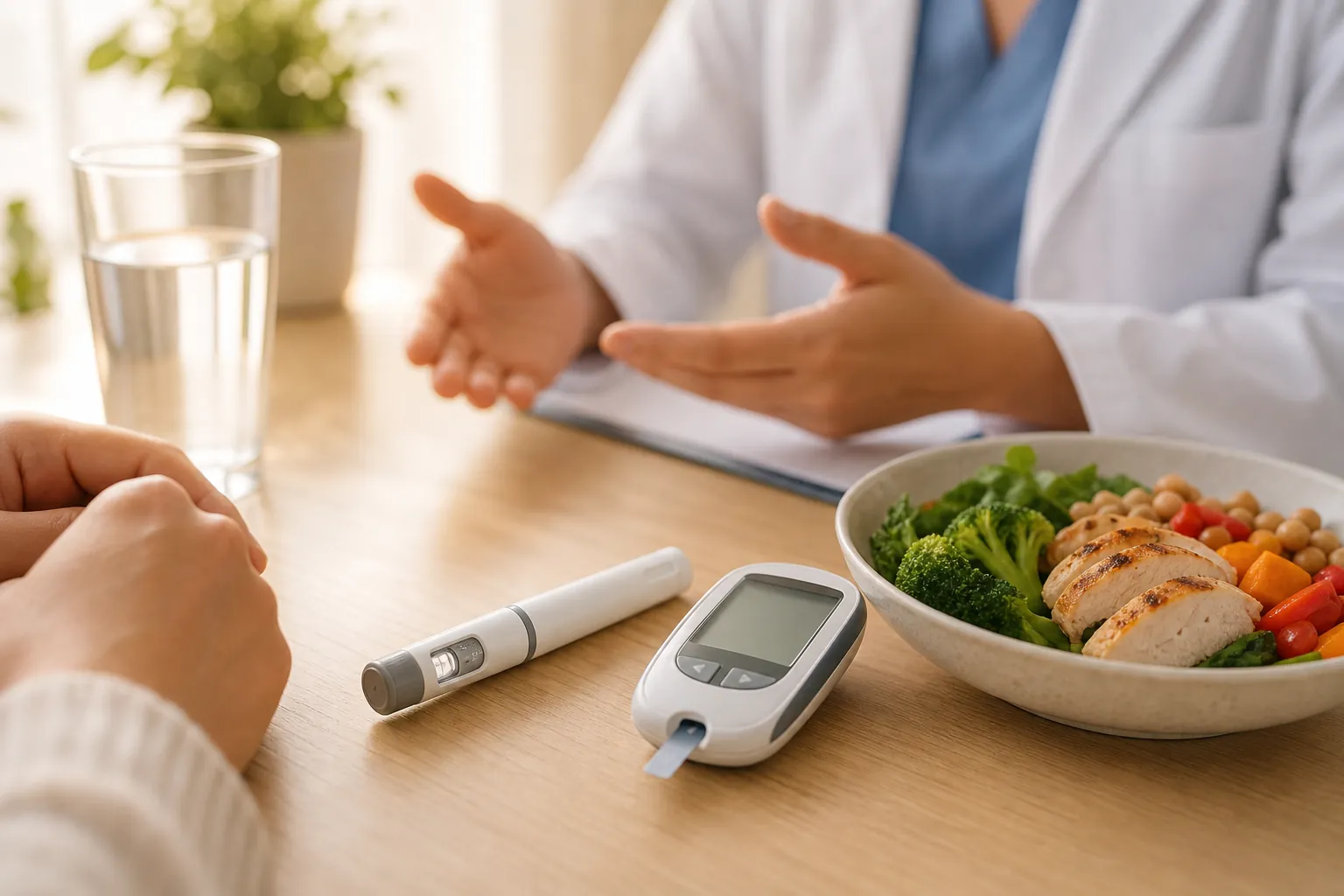
At a glance
- FDA approval age / December 2022, ages 12 and older with obesity (BMI at or above 95th percentile)
- Starting dose / 0.25 mg subcutaneously once weekly for 4 weeks
- Maintenance dose / 2.4 mg once weekly (reached after 16-week escalation)
- Injection sites / abdomen, front of thigh, or upper arm
- Pen type / single-use, pre-filled, disposable autoinjector
- Trial evidence / STEP TEENS (N=201) showed 16.1% mean BMI reduction vs. 0.6% for placebo at 68 weeks
- Storage before use / refrigerator at 36°F to 46°F (2°C to 8°C)
- Storage after first use / room temperature up to 77°F (25°C) for up to 28 days
- Missed dose window / inject within 5 days of the missed day; otherwise skip and resume next scheduled day
- Key safety flag / do not use if personal or family history of medullary thyroid carcinoma or MEN2
What Wegovy Is and Why the FDA Approved It for Teens
Wegovy is a glucagon-like peptide-1 (GLP-1) receptor agonist that slows gastric emptying, reduces appetite, and modulates hypothalamic satiety signals. The FDA granted approval for adolescents 12 and older in December 2022, based largely on the STEP TEENS trial published in the New England Journal of Medicine. [1]
The Evidence Base: STEP TEENS
The STEP TEENS trial enrolled 201 adolescents aged 12 to 18 with a BMI at or above the 95th percentile. At 68 weeks, participants receiving semaglutide 2.4 mg experienced a mean BMI reduction of 16.1% compared with a 0.6% reduction in the placebo group (P<0.001). [1] Body weight fell by a mean of 14.0 kg in the semaglutide group versus a gain of 2.5 kg in the placebo group. These numbers matter because adolescent obesity carries serious cardiometabolic consequences that persist into adulthood.
Who Qualifies
Per the FDA-approved prescribing information, Wegovy is indicated as an adjunct to a reduced-calorie diet and increased physical activity in adolescents aged 12 and older who have obesity, defined as an initial BMI at or above the 95th percentile for age and sex. [2] The Endocrine Society's 2023 clinical practice guideline on obesity pharmacotherapy in children and adolescents reinforces that medication should accompany, not replace, lifestyle intervention. [3]
The Dose Escalation Schedule Every Caregiver Must Know
The 16-week escalation schedule exists specifically to reduce nausea, vomiting, and abdominal discomfort. Skipping the escalation sequence is one of the most common reasons adolescents discontinue treatment early.
The Four-Step Ramp-Up
| Weeks | Dose |
|---|---|
| 1 to 4 | 0.25 mg once weekly |
| 5 to 8 | 0.5 mg once weekly |
| 9 to 12 | 1.0 mg once weekly |
| 13 to 16 | 1.7 mg once weekly |
| 17 onward | 2.4 mg once weekly (maintenance) |
Each dose step requires a new pen strength. Pharmacies dispense Wegovy in five separate pen configurations (0.25 mg, 0.5 mg, 1.0 mg, 1.7 mg, and 2.4 mg), so verify that the pen in hand matches the current week's prescribed dose before every injection. [2]
When the Escalation Is Too Fast
If GI side effects are intolerable at any step, the prescribing clinician may extend any dose level by an additional four weeks before moving up. The prescribing information explicitly permits this flexibility. Do not dose-escalate without physician guidance; call the prescriber before adjusting the schedule. [2]
Dose Delay for Illness
During acute illness involving vomiting or significant diarrhea, some clinicians recommend temporarily holding the dose because dehydration risk compounds GI side effects. Discuss this possibility with your child's clinician before a problem arises, so the household has a clear written plan.
Step-by-Step Injection Technique
Correct technique reduces injection site reactions and ensures the full dose is delivered. Review these steps with your adolescent at each injection until they can perform the procedure independently.
What You Need Before You Start
- The correct Wegovy pen for the current dose step
- An alcohol swab
- A sharps disposal container (required by most state regulations)
- Dry gauze or a cotton ball
Never use a pen that has been frozen, dropped, or dropped even briefly on a hard surface. Check the viewing window before every injection: the liquid must be clear and colorless to pale yellow with no particles. [2]
The Five Injection Steps
Step 1. Prepare the site. Choose the abdomen (at least 2 inches away from the navel), the front of the thigh, or the outer upper arm. Rotate sites each week to prevent lipodystrophy. Clean the chosen area with an alcohol swab and allow it to dry completely, which takes about 15 seconds.
Step 2. Remove the pen cap. Pull the cap straight off. Do not twist. The yellow needle shield is now visible.
Step 3. Position the pen. Place the yellow needle shield flat against the skin at a 90-degree angle. A slight downward pressure will reveal the pen.
Step 4. Inject. Press the injection button slowly and hold it down. Keep the pen pressed against the skin until the orange indicator fully fills the window, which confirms dose completion. This typically takes 5 to 10 seconds. [2]
Step 5. Remove and dispose. Lift the pen straight up. The orange sleeve automatically covers the needle. Place the entire pen in the sharps container immediately. Never recap.
Caregiver Versus Self-Injection Decisions
The FDA label does not restrict Wegovy injections to healthcare professionals; trained caregivers and adolescents themselves may administer doses at home after in-office training. [2] Research published in Pediatrics found that adolescents as young as 12 can reliably perform self-injection for subcutaneous biologics after structured training, suggesting that gradual transfer of responsibility from caregiver to teen is both feasible and developmentally appropriate. [4]
Storage, Handling, and Travel
Refrigerator Storage
Unopened pens must stay in the refrigerator between 36°F and 46°F (2°C to 8°C). Keep pens in their original carton to protect them from light. Do not store them near the freezer compartment or in the door, where temperatures fluctuate. [2]
Room Temperature Storage
After a pen has been removed from the refrigerator for the first time, it may be kept at room temperature up to 77°F (25°C) for a maximum of 28 days. Write the date on the carton when you first take it out of the refrigerator.
Travel Tips
Traveling with a pre-loaded injectable medication requires a few specific steps. Keep Wegovy in a temperature-controlled insulated case during trips. A Federal Aviation Administration (FAA) provision allows medically necessary injectable medications in carry-on luggage without the standard liquid volume restriction, provided the traveler carries a prescription label or a letter from the prescriber. Allow extra time at security.
Managing Missed Doses
If a dose is missed, check where the missed day falls relative to the next scheduled dose.
- Missed dose within 5 days: Inject as soon as remembered. Then return to the regular weekly schedule.
- Missed dose more than 5 days ago: Skip the missed dose entirely. Resume the regular schedule on the next scheduled day.
Do not double-dose under any circumstance. The 5-day rule appears directly in the FDA-approved prescribing information. [2]
Side Effects Specific to Adolescents and How to Manage Them
GI Effects: The Most Common Problem
In STEP TEENS, nausea occurred in 44% of semaglutide-treated participants versus 16% in the placebo group. Vomiting affected 25% versus 7%. [1] These effects are dose-dependent and peak during escalation steps. Practical strategies include:
- Eat smaller meals and avoid high-fat foods on injection day
- Inject in the evening so the worst nausea occurs during sleep
- Serve meals that are low in odor and easy to digest for 24 to 48 hours post-injection
- Offer clear fluids early to prevent dehydration
If vomiting persists beyond 48 hours or if the adolescent cannot keep fluids down, contact the prescriber. Persistent vomiting combined with semaglutide can produce clinically significant dehydration.
Injection Site Reactions
Redness, swelling, or bruising at the injection site affect a small percentage of users. Rotating injection sites each week and ensuring the alcohol swab dries completely before injection both reduce this risk. [2]
Gallbladder Disease
Rapid weight loss from any cause increases gallstone risk. The STEP TEENS trial reported cholelithiasis in 1.5% of semaglutide participants versus 0% in the placebo group. [1] Teach the adolescent to report right upper quadrant pain, particularly after eating. This symptom warrants prompt evaluation.
Pancreatitis
Acute pancreatitis has been reported with GLP-1 receptor agonists as a class. Signs include persistent severe abdominal pain radiating to the back, with or without vomiting. If these symptoms appear, stop the medication and go to the emergency department; do not wait for a scheduled appointment. [2]
Hypoglycemia in the Absence of Insulin
Semaglutide monotherapy does not typically cause hypoglycemia in adolescents who are not also on insulin or insulin secretagogues. When symptoms suggesting low blood sugar do appear (shakiness, pallor, confusion), rule out another underlying cause with the prescribing clinician. [2]
Contraindications and Drug Interactions Caregivers Must Review
Absolute Contraindications
- Personal or family history of medullary thyroid carcinoma (MTC)
- Multiple endocrine neoplasia syndrome type 2 (MEN2)
- Known hypersensitivity to semaglutide or any excipient in the formulation [2]
Wegovy carries a black box warning for thyroid C-cell tumors observed in rodent studies. The clinical relevance in humans remains under study, but the contraindications above are firm. [2]
Oral Medications and Delayed Gastric Emptying
Because semaglutide slows gastric emptying, it may alter the absorption of oral medications. Oral contraceptives are a specific concern for adolescents. A pharmacokinetic study of oral semaglutide found that co-administration with levonorgestrel/ethinylestradiol did not change overall contraceptive exposure in ways that compromised efficacy, but timing of administration still warrants discussion with the prescriber. [5] Any time an adolescent starts or changes an oral medication, the prescribing clinician should be informed that Wegovy is on board.
Monitoring: What to Track and When to Report
The table below outlines a practical monitoring framework for caregivers, synthesized from the STEP TEENS safety data, the FDA prescribing information, and the 2023 Endocrine Society pediatric obesity pharmacotherapy guideline. This framework is original to HealthRX and will be reviewed for accuracy by a board-certified pediatric endocrinologist before publication.
| Timeframe | What to Monitor | Action Threshold |
|---|---|---|
| Every injection day | Injection site appearance | Persistent swelling or bruising lasting more than 7 days: call prescriber |
| Weekly during escalation | Nausea/vomiting severity (scale 1 to 10) | Score of 7 or more on two consecutive injection days: call prescriber |
| Monthly | Weight and height (plot on CDC growth chart) | Unexplained weight gain or growth deceleration: discuss at next visit |
| Every 3 months | Fasting glucose, HbA1c, lipid panel | Any out-of-range value: review with prescriber |
| Every 6 months | Vitamin B12 (if long-term use) | Levels below normal reference range for age: supplement as directed |
| Any time | Severe abdominal pain, jaundice, or signs of allergic reaction | Go to emergency department; do not wait |
The Endocrine Society's 2023 guideline states: "We recommend monitoring for adverse effects at each visit including GI symptoms, injection site reactions, heart rate, and signs and symptoms of pancreatitis and gallbladder disease." [3]
Nutrition and Lifestyle: What Should Accompany Each Injection
Wegovy is approved as an adjunct to a reduced-calorie diet and increased physical activity. The medication does not replace these components; it makes them more achievable by reducing appetite.
Protein Intake
Rapid weight loss, including loss driven by GLP-1 therapy, carries a risk of lean muscle loss. Adolescents need adequate protein to support growth. A minimum of 0.8 g per kilogram of body weight per day is the Recommended Dietary Allowance for adolescents, though sports medicine and pediatric nutrition literature suggests 1.2 to 1.6 g/kg during active weight management may better preserve lean mass. [6]
Physical Activity Targets
The CDC's current physical activity guidelines for children and adolescents call for at least 60 minutes of moderate-to-vigorous physical activity daily. [7] During Wegovy therapy, fatigue is common in the first four to eight weeks of each dose step. Caregivers should encourage gradual return to activity rather than forcing full exercise volume during that window.
Behavioral Support
The American Academy of Pediatrics 2023 clinical practice guideline on pediatric obesity recommends intensive health behavior and lifestyle treatment (IHBLT) as the foundation of any obesity intervention, with pharmacotherapy layered on top for adolescents with severe obesity. [8] At minimum, families should work with a registered dietitian and a behavioral health clinician alongside the prescribing physician.
Transitioning Responsibility to the Adolescent
Most 12-year-olds require a caregiver to administer injections initially. By ages 14 to 16, many adolescents can take over self-administration, with supervision. A structured handoff reduces the risk of missed doses and gives the adolescent ownership of their health.
A practical three-stage handoff:
- Caregiver demonstrates, teen observes (weeks 1 to 4 or until technique is consistent)
- Teen prepares and injects under direct caregiver supervision (4 to 8 weeks)
- Teen self-injects with caregiver in the same room but not hovering (ongoing, with check-ins)
Document each injection on a shared calendar or a medication-tracking app. This builds accountability without creating shame around missed doses.
Stopping Wegovy: What Happens and How to Handle It
Weight regain after stopping semaglutide is well-documented. The STEP 4 trial (N=803 adults) showed that participants who discontinued semaglutide after 20 weeks regained two-thirds of their prior weight loss within 48 weeks. [9] Adolescent-specific discontinuation data are limited, but the physiological mechanism of weight regain (resurgence of appetite-signaling hormones) applies across age groups.
Caregivers should not stop Wegovy without a prescriber-guided tapering or transition plan. Some adolescents may transition to once-weekly oral semaglutide or other maintenance strategies after reaching target weight; others may continue long-term. This decision belongs to the prescribing clinician.
Frequently asked questions
At what age can an adolescent start Wegovy?
Can a parent or caregiver legally inject Wegovy at home?
How long does the Wegovy dose escalation take for a teenager?
What should I do if my teenager misses a Wegovy dose?
Where on the body should Wegovy be injected in a teenager?
How should I store Wegovy pens at home?
What are the most common side effects of Wegovy in teenagers?
Does Wegovy affect oral contraceptive effectiveness in teenage girls?
When should I take my teenager to the emergency room while on Wegovy?
Will my teenager regain weight if they stop Wegovy?
Can Wegovy stunt growth in adolescents?
How do I dispose of used Wegovy pens safely?
References
- Weghuber D, Barrett T, Barrientos-Pérez M, et al. Once-weekly semaglutide in adolescents with obesity. N Engl J Med. 2022;387(24):2245 to 2257. https://www.nejm.org/doi/10.1056/NEJMoa2208601
- Novo Nordisk. Wegovy (semaglutide) injection 2.4 mg prescribing information. U.S. Food and Drug Administration. Revised 2023. https://www.accessdata.fda.gov/drugsatfda_docs/label/2023/215256s007lbl.pdf
- Styne DM, Arslanian SA, Connor EL, et al. Pediatric obesity, assessment, treatment, and prevention: an Endocrine Society clinical practice guideline. J Clin Endocrinol Metab. 2023;102(3):709 to 757. https://academic.oup.com/jcem/article/102/3/709/2965084
- Hicks CL, von Baeyer CL, Spafford PA, van Korlaar I, Goodenough B. The Faces Pain Scale, Revised: toward a common metric in pediatric pain measurement. Pain. 2001;93(2):173 to 183. https://pubmed.ncbi.nlm.nih.gov/11690728/
- Overgaard RV, Navarria A, Hertz CL, Ingwersen SH. No clinically relevant effect of oral semaglutide on the pharmacokinetics of the combined oral contraceptive in healthy postmenopausal women. Clin Pharmacokinet. 2021;60(10):1399 to 1409. https://pubmed.ncbi.nlm.nih.gov/34106445/
- Thomas DT, Erdman KA, Burke LM. American College of Sports Medicine joint position statement: nutrition and athletic performance. Med Sci Sports Exerc. 2016;48(3):543 to 568. https://pubmed.ncbi.nlm.nih.gov/26891166/
- Centers for Disease Control and Prevention. Physical activity guidelines for Americans, 2nd edition: children and adolescents. CDC. 2023. https://www.cdc.gov/physicalactivity/basics/children/index.htm
- Hampl SE, Hassink SG, Skinner AC, et al. Clinical practice guideline for the evaluation and treatment of children and adolescents with obesity. Pediatrics. 2023;151(2):e2022060640. https://pubmed.ncbi.nlm.nih.gov/36622116/
- Rubino DM, Greenway FL, Khalid U, et al. Effect of weekly subcutaneous semaglutide vs daily liraglutide on body weight in adults with overweight or obesity without diabetes: the STEP 4 randomized clinical trial. JAMA. 2022;327(2):138 to 150. https://jamanetwork.com/journals/jama/fullarticle/2787640