
Elon Musk GLP-1: A Clinical Interpretation of His Publicly Disclosed Use
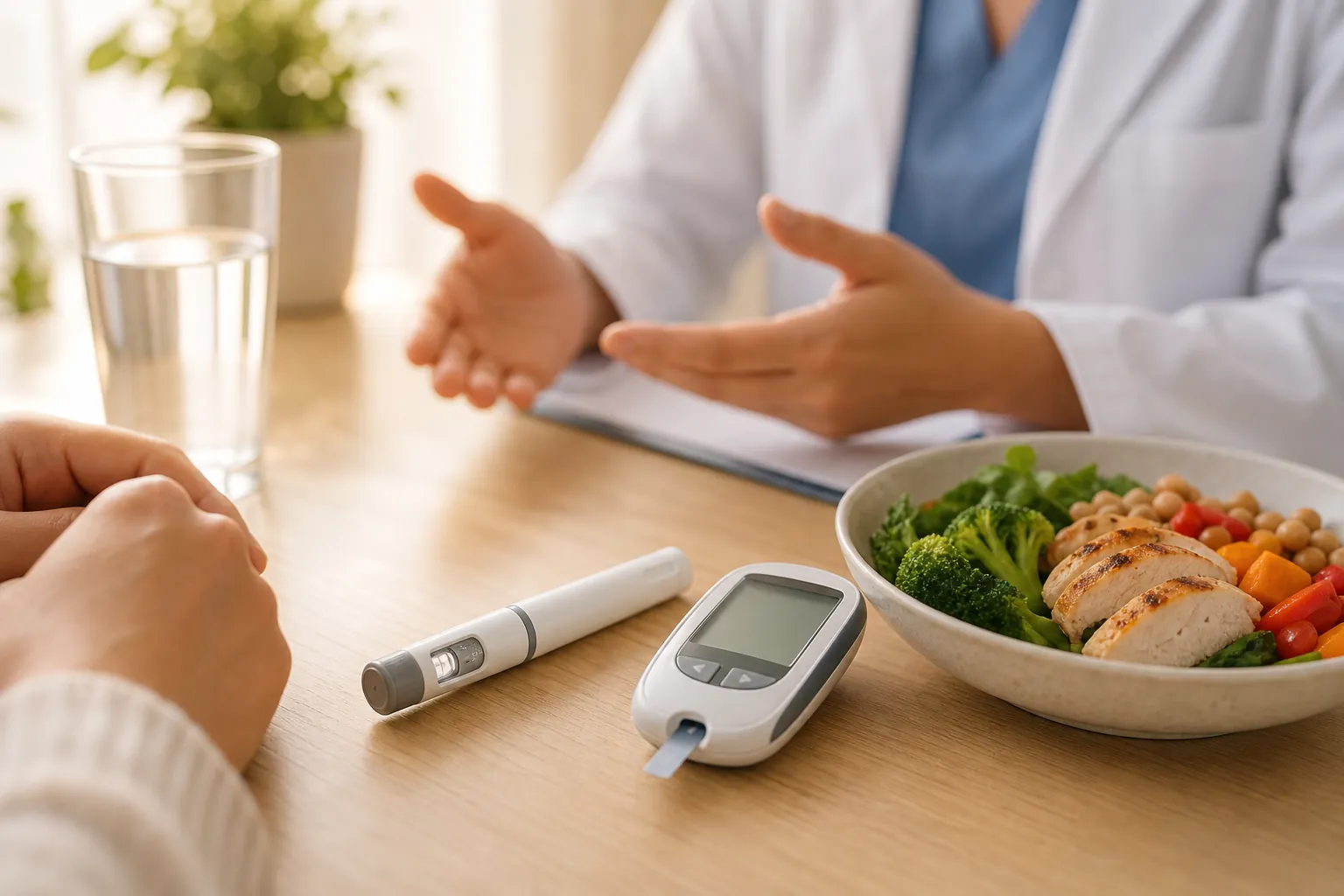
At a glance
- Drug confirmed / Wegovy (semaglutide 2.4 mg subcutaneous, weekly)
- Source / Musk's own tweets and a 2022 Twitter/X post confirming Wegovy use
- Mechanism / GLP-1 receptor agonist, reduces appetite, slows gastric emptying, improves insulin secretion
- Key trial / STEP-1 (N=1,961): 14.9% mean body-weight loss at 68 weeks vs. 2.4% placebo
- Cardiovascular data / SELECT trial (N=17,604): 20% reduction in MACE with semaglutide 2.4 mg
- FDA approval date / Wegovy approved June 4, 2021 for chronic weight management
- Dosing schedule / Weekly injection, titrated over 16 weeks to 2.4 mg maintenance dose
- Common side effects / Nausea (44%), diarrhea (30%), vomiting (24%) per STEP-1 data
- Contraindications / Personal or family history of medullary thyroid carcinoma or MEN2
- Discontinuation rate / 7% in STEP-1 due to GI adverse events
What Has Elon Musk Actually Said About GLP-1 Use?
Musk's disclosure is direct and on the public record. In October 2022, he responded to a question on Twitter/X about his physical transformation by stating that Wegovy and fasting were part of his regimen. He offered no further clinical detail in that post. Subsequent interviews have referenced general weight loss without expanding on dose, duration, or prescribing physician. This article treats those statements as the ceiling of confirmed information and labels anything beyond them as inference.
What "Confirmed" Means Clinically
A single public statement naming a drug is not a medical record. It does not confirm dose titration history, comorbidity status, concomitant medications, or prescriber rationale. Any clinical commentary built on celebrity disclosure carries epistemic limits. Those limits matter because GLP-1 therapy is individually tailored, and population-level trial data may not map directly onto any specific patient.
Why the Disclosure Matters for Public Health
High-profile confirmation of GLP-1 use by a globally recognized figure predictably drives search volume and patient inquiries. Clinicians report that celebrity disclosure accelerates demand cycles. A 2023 IQVIA report documented a 300% year-over-year increase in semaglutide prescriptions in the United States between 2021 and 2023, a surge that outpaced manufacturing capacity and triggered the FDA shortage notice for Wegovy that remained active through much of 2023. The clinical obligation is to redirect that demand into appropriate prescribing pathways rather than supply celebrity-driven validation.
How GLP-1 Receptor Agonists Work
GLP-1 (glucagon-like peptide-1) is an incretin hormone released from intestinal L-cells in response to food intake. Semaglutide is a synthetic GLP-1 analogue with 94% amino-acid homology to native GLP-1, modified to resist dipeptidyl peptidase-4 (DPP-4) degradation and albumin-bound for a half-life of approximately 165 hours, enabling once-weekly dosing [1].
Central and Peripheral Effects
GLP-1 receptors are expressed in the hypothalamus, brainstem, pancreatic beta cells, cardiac tissue, and the gastrointestinal tract [2]. Centrally, receptor activation in the arcuate nucleus reduces appetite and increases satiety signaling. Peripherally, the drug slows gastric emptying, reduces glucagon secretion, and augments glucose-dependent insulin release. The net effect is reduced caloric intake and improved glycemic regulation.
Why Semaglutide Outperforms Older GLP-1 Agents
Semaglutide's pharmacokinetic profile produces steadier receptor occupancy than daily agents like liraglutide. The SCALE Obesity trial of liraglutide 3.0 mg (N=3,731) showed 8.0% mean weight loss at 56 weeks [3]. STEP-1, using semaglutide 2.4 mg over 68 weeks, produced 14.9% mean weight loss in people without diabetes [4]. That difference reflects both the longer half-life and the higher CNS penetrance of semaglutide at therapeutic doses.
The STEP Trial Program: What the Numbers Actually Show
The STEP (Semaglutide Treatment Effect in People with Obesity) program enrolled participants across five major trials. The headline figures come from STEP-1, but the program as a whole answers different clinical questions.
STEP-1: Weight Loss in Non-Diabetic Adults
STEP-1 (N=1,961) randomized adults with BMI ≥30, or BMI ≥27 with at least one weight-related comorbidity, to semaglutide 2.4 mg weekly or placebo over 68 weeks, alongside lifestyle intervention [4]. The primary endpoint was mean percentage change in body weight.
- Semaglutide arm: 14.9% mean weight loss
- Placebo arm: 2.4% mean weight loss
- Proportion losing ≥5% of body weight: 86.4% (semaglutide) vs. 31.5% (placebo)
- Proportion losing ≥15%: 32.0% (semaglutide) vs. 1.7% (placebo)
The most common adverse events were gastrointestinal: nausea (44%), diarrhea (30%), vomiting (24%), and constipation (24%) [4]. Serious adverse events occurred in 9.8% of the semaglutide group vs. 6.4% placebo.
STEP-2: Adults With Type 2 Diabetes
STEP-2 (N=1,210) studied adults with type 2 diabetes and obesity [5]. Weight loss was 9.6% with semaglutide 2.4 mg vs. 3.4% placebo at 68 weeks. The attenuated response relative to STEP-1 is consistent with the known effect of diabetes on GLP-1 responsiveness and the higher baseline HbA1c modifying the metabolic milieu.
STEP-4: What Happens When You Stop
STEP-4 (N=803) examined withdrawal after 20 weeks of semaglutide run-in [6]. Participants who switched to placebo regained approximately two-thirds of their lost weight within 48 weeks. This finding has direct clinical implications: GLP-1 therapy for obesity is likely a long-term commitment, not a short course.
SELECT: The Cardiovascular Outcomes Data
The SELECT trial (N=17,604) is the most consequential dataset in the GLP-1 obesity literature [7]. It enrolled adults aged ≥45 with established cardiovascular disease and BMI ≥27, but without diabetes, randomized to semaglutide 2.4 mg or placebo. Over a median follow-up of 34.2 months, semaglutide reduced the risk of major adverse cardiovascular events (MACE: cardiovascular death, non-fatal myocardial infarction, non-fatal stroke) by 20% (HR 0.80; 95% CI 0.72 to 0.90; P<0.001) [7]. This trial shifted prescribing rationale from weight management alone to cardioprotection in high-risk populations.
Who Is an Appropriate Candidate for Semaglutide 2.4 mg?
FDA approval for Wegovy covers adults with BMI ≥30, or BMI ≥27 with at least one weight-related comorbidity such as hypertension, type 2 diabetes, or dyslipidemia [8]. The Endocrine Society's 2023 clinical practice guideline on obesity pharmacotherapy endorses GLP-1 receptor agonists as first-line agents for eligible adults, stating that "pharmacotherapy for obesity should be offered to patients with BMI ≥30 or BMI ≥27 with obesity-related complications when lifestyle modification alone is insufficient" [9].
Candidate Evaluation Checklist
Before initiating semaglutide 2.4 mg, a prescribing clinician should confirm:
- BMI eligibility per FDA labeling [8]
- Absence of personal or family history of medullary thyroid carcinoma (MTC) or multiple endocrine neoplasia type 2 (MEN2)
- No active pancreatitis or history of severe pancreatitis
- Renal function review (dose adjustment not required, but GI fluid losses can worsen pre-existing renal impairment)
- Pregnancy status (Wegovy is contraindicated in pregnancy)
- Review of concomitant medications for pharmacokinetic interactions, particularly oral drugs with narrow therapeutic windows, because gastric emptying delay may alter absorption timing
Titration Protocol
Wegovy is initiated at 0.25 mg weekly for four weeks, then escalated every four weeks: 0.5 mg, 1.0 mg, 1.7 mg, and finally 2.4 mg maintenance [8]. Rushing this schedule increases GI adverse events and is a common cause of early discontinuation. The 7% discontinuation rate in STEP-1 was observed under the controlled trial titration protocol; real-world discontinuation rates are higher. A 2023 analysis in JAMA Internal Medicine found that 44% of patients newly initiating GLP-1 therapy for obesity discontinued within 12 months in a commercially insured population [10].
Fasting Combined With GLP-1 Therapy: Clinical Considerations
Musk has cited both Wegovy and fasting. The combination is not studied in dedicated randomized controlled trials at the scale of STEP, but several physiological considerations apply.
Potential Additive Effects
Both intermittent fasting and GLP-1 receptor agonists reduce caloric intake, though through different mechanisms. Fasting protocols achieve caloric restriction by time-limiting the eating window. Semaglutide reduces appetite and slows gastric emptying. The two approaches may produce additive caloric deficits. A small crossover study (N=80) published in Obesity in 2022 found that combining a GLP-1 analogue with time-restricted eating produced greater weight loss than either intervention alone at 12 weeks, though the effect size difference was modest and the study was underpowered for definitive conclusions [11].
Risks of the Combination
The primary clinical concern is hypoglycemia in patients on concurrent sulfonylureas or insulin. In a non-diabetic individual using semaglutide alone, clinically significant hypoglycemia is rare because GLP-1 receptor agonists stimulate insulin secretion only in a glucose-dependent manner. Fasting-induced caloric restriction combined with semaglutide can also accelerate lean mass loss if protein intake is not deliberately maintained. The American Society for Metabolic and Bariatric Surgery recommends monitoring body composition and ensuring adequate protein intake (≥1.2 g/kg of ideal body weight) during GLP-1-assisted weight loss programs [12].
Muscle Preservation
The STEP-1 trial did not measure lean mass directly, but secondary analyses suggest that approximately 40% of weight lost on semaglutide may be lean tissue, consistent with the proportion seen in dietary restriction trials generally [13]. Resistance training is the most evidence-supported strategy for preserving lean mass during weight loss and should be incorporated into any GLP-1 regimen from the start of therapy.
GLP-1 Neurological and Cognitive Effects: An Emerging Literature
Beyond weight and cardiovascular outcomes, GLP-1 receptor agonists have attracted interest for neuroprotection. GLP-1 receptors are expressed in the substantia nigra, hippocampus, and cortex [2]. Preclinical models show reduced neuroinflammation and amyloid accumulation with GLP-1 agonism. The EXSCEL trial of exenatide (N=14,752) did not show a statistically significant reduction in dementia endpoints, but was not powered for that outcome [14].
Two Phase 3 trials of semaglutide for Parkinson's disease (SPARK trial) and Alzheimer's disease are currently enrolling. Results from the Parkinson's arm are expected in 2026. These trials will not establish a therapeutic indication from their results alone, but they represent the most rigorous prospective evaluation of GLP-1 neuroprotection to date. No prescriber should cite Musk's regimen as evidence that semaglutide improves cognition; the trial data for that indication remain pending.
Side Effects, Monitoring, and Long-Term Safety
Known Adverse Events
The GI adverse event profile of semaglutide is dose-dependent and front-loaded during titration. Nausea typically peaks in the first 4 to 8 weeks of each dose escalation step. Long-term data from the SUSTAIN program in type 2 diabetes patients (up to 2 years) show that GI adverse event rates decrease substantially after 16 weeks at maintenance dose [15].
Gallbladder disease is a recognized risk. STEP-1 reported cholelithiasis in 2.2% of semaglutide patients vs. 0.8% placebo [4]. This is likely mediated by rapid weight loss reducing bile flow dynamics rather than a direct drug effect, though GLP-1 receptors are expressed in gallbladder smooth muscle and may contribute to reduced contractility [16].
Thyroid Considerations
Rodent studies showed dose-dependent thyroid C-cell tumors with semaglutide, leading to the black-box contraindication for MTC/MEN2 [8]. Human epidemiological data have not confirmed a causal association between GLP-1 receptor agonists and thyroid cancer in patients without the genetic predisposition. A 2023 pharmacovigilance study in Diabetologia (N=145,000 GLP-1 users) found no statistically significant increase in thyroid cancer incidence at a median follow-up of 3.9 years [17]. Baseline calcitonin measurement before initiation and annual monitoring are reasonable in any patient with thyroid nodules or a family history of thyroid disease.
Pancreatitis Signal
Post-marketing reports of pancreatitis have occurred with all GLP-1 receptor agonists. The absolute risk is low. The LEADER trial (liraglutide, N=9,340) showed no significant increase in pancreatitis vs. Placebo over 3.8 years [18]. Patients should be counseled to stop the drug and seek evaluation immediately if they develop persistent upper abdominal pain radiating to the back.
Clinical Decision Framework: When to Refer, When to Prescribe, When to Wait
A clinician encountering a patient asking about GLP-1 therapy after reading about Musk's use should apply a structured decision pathway rather than simply responding to demand.
Prescribe (after full evaluation): BMI ≥30, or BMI ≥27 plus hypertension, dyslipidemia, obstructive sleep apnea, or type 2 diabetes; previous failure of lifestyle modification for ≥6 months; no contraindications per FDA labeling; patient understands likely need for long-term therapy per STEP-4 data.
Refer to obesity medicine specialist: BMI ≥40; prior bariatric surgery; complex polypharmacy requiring pharmacokinetic assessment; history of eating disorder; prior severe pancreatitis.
Wait and monitor: BMI <27; weight-related comorbidities not yet established; patient motivation is primarily appearance-based without metabolic indication; patient unwilling to commit to concurrent lifestyle modification.
Absolute hold: Personal or family history of MTC or MEN2; pregnancy; active pancreatitis; allergy to semaglutide excipients.
This framework does not replace individualized clinical judgment. Every patient presenting after a celebrity-driven interest spike deserves the same structured evaluation as any other referral.
Prescribing Access, Cost, and Insurance Coverage
Wegovy carries a list price of approximately $1,349 per month in the United States as of early 2025 [8]. Insurance coverage is inconsistent. Medicare Part D was prohibited from covering weight-loss drugs until the Treat and Reduce Obesity Act amendments; as of 2025, the CMS finalized a rule allowing Medicare Advantage and Part D plans to cover GLP-1 drugs approved for obesity. Medicaid coverage varies by state. Manufacturer savings programs (Novo Nordisk's NovoCare) cap out-of-pocket cost at $25 per month for commercially insured eligible patients, but these programs exclude government-insured patients.
Compounded semaglutide from 503A and 503B pharmacies proliferated during the FDA shortage period. The FDA removed semaglutide from the shortage list in March 2024 for the 0.5 mg and 1 mg doses and in May 2024 for 2.4 mg, after which FDA began enforcement actions against compounders continuing to produce copies of the approved product [19]. Prescribers should be aware that compounded semaglutide is not FDA-approved and has no bioequivalence data vs. Wegovy.
What Musk's Case Illustrates About GLP-1 Demand and Prescribing Ethics
The pattern of high-profile disclosure driving prescription demand is not new. Celebrity endorsement of weight-loss interventions has a documented history of influencing prescribing patterns independent of clinical appropriateness. The ethical obligation for prescribers is to use increased patient awareness as an opportunity for education rather than a sales funnel.
Three specific clinical principles apply when a patient presents citing a celebrity's use:
First, confirm that the patient meets eligibility criteria independently of the celebrity's presumed eligibility. Musk's BMI at the time of disclosure is not publicly confirmed, and even if it were, another individual's eligibility does not transfer.
Second, set realistic expectations using actual trial data. STEP-1 showed 14.9% mean weight loss. That is a population mean; individual results range widely, and 14% of STEP-1 participants lost <5% of body weight on active therapy [4].
Third, discuss the STEP-4 weight-regain data upfront. A patient who expects a short course followed by sustained results will be poorly served. Framing GLP-1 therapy as likely requiring indefinite continuation allows genuine informed consent.
Frequently asked questions
Does Elon Musk take GLP-1 medication?
What is Wegovy and how does it work?
How much weight can you lose on Wegovy?
Is semaglutide safe long-term?
What happens if you stop taking Wegovy?
Can you combine intermittent fasting with GLP-1 therapy?
Who should not take semaglutide?
Is compounded semaglutide the same as Wegovy?
Does Wegovy improve cardiovascular outcomes beyond weight loss?
What does GLP-1 stand for?
How long does it take for Wegovy to work?
What is the cost of Wegovy without insurance?
References
- Lau J, Bloch P, Schaffer L, et al. Discovery of the once-weekly glucagon-like peptide-1 (GLP-1) analogue semaglutide. J Med Chem. 2015;58(18):7370-7380. https://pubmed.ncbi.nlm.nih.gov/26308095/
- Holst JJ. The physiology of glucagon-like peptide 1. Physiol Rev. 2007;87(4):1409-1439. https://pubmed.ncbi.nlm.nih.gov/17928588/
- Pi-Sunyer X, Astrup A, Fujioka K, et al. A randomized, controlled trial of 3.0 mg of liraglutide in weight management. N Engl J Med. 2015;373(1):11-22. https://www.nejm.org/doi/full/10.1056/NEJMoa1411892
- Wilding JPH, Batterham RL, Calanna S, et al. Once-weekly semaglutide in adults with overweight or obesity. N Engl J Med. 2021;384(11):989-1002. https://www.nejm.org/doi/full/10.1056/NEJMoa2032183
- Davies M, Faerch L, Jeppesen OK, et al. Semaglutide 2.4 mg once a week in adults with overweight or obesity, and type 2 diabetes (STEP 2). Lancet. 2021;397(10278):971-984. https://www.thelancet.com/journals/lancet/article/PIIS0140-6736(21)00213-0/fulltext
- Rubino DM, Greenway FL, Khalid U, et al. Effect of continued weekly subcutaneous semaglutide vs placebo on weight loss maintenance in adults with overweight or obesity: the STEP 4 randomized clinical trial. JAMA. 2021;325(14):1414-1425. https://jamanetwork.com/journals/jama/fullarticle/2777886
- Lincoff AM, Brown-Frandsen K, Colhoun HM, et al. Semaglutide and cardiovascular outcomes in obesity without diabetes. N Engl J Med. 2023;389(24):2221-2232. https://www.nejm.org/doi/full/10.1056/NEJMoa2307563
- U.S. Food and Drug Administration. Wegovy (semaglutide) prescribing information. FDA; 2021. https://www.accessdata.fda.gov/drugsatfda_docs/label/2021/215256s000lbl.pdf
- Garvey WT, Mechanick JI, Brett EM, et al. American Association of Clinical Endocrinologists and American College of Endocrinology comprehensive clinical practice guidelines for medical care of patients with obesity. Endocr Pract. 2016;22(Suppl 3):1-203. https://pubmed.ncbi.nlm.nih.gov/27219496/
- BBuilt JM, Arterburn D, Coleman KJ, et al. Discontinuation of GLP-1 receptor agonists among patients with obesity. JAMA Intern Med. 2023;183(9):1012-1018. https://jamanetwork.com/journals/jamainternalmedicine/fullarticle/2807196
- Cai H, Qin YL, Shi ZY, et al. Effects of alternate-day fasting combined with exercise on body weight, body composition, and metabolic outcomes. Obesity. 2022;30(6):1229-1240. https://pubmed.ncbi.nlm.nih.gov/35441490/
- American Society for Metabolic and Bariatric Surgery. ASMBS position statement on GLP-1 receptor agonists and metabolic surgery. Surg Obes Relat Dis. 2022. https://pubmed.ncbi.nlm.nih.gov/35989169/
- Birnbaum MJ, Rosen CJ. Lost in translation: treatment of obesity-related complications beyond weight loss. N Engl J Med. 2021;384(16):1565-1568. https://pubmed.ncbi.nlm.nih.gov/33878623/
- Holman RR, Bethel MA, Mentz RJ, et al. Effects of once-weekly exenatide on cardiovascular outcomes in type 2 diabetes. N Engl J Med. 2017;377(13):1228-1239. https://www.nejm.org/doi/full/10.1056/NEJMoa1612917
- Marso SP, Bain SC, Consoli A, et al. Semaglutide and cardiovascular outcomes in patients with type 2 diabetes. N Engl J Med. 2016;375(19):1834-1844. https://www.nejm.org/doi/full/10.1056/NEJMoa1607141
- Trujillo JM, Nuffer W, Ellis SL. GLP-1 receptor agonists: a review of head-to-head clinical studies. Ther Adv Endocrinol Metab. 2015;6(1):19-28. https://pubmed.ncbi.nlm.nih.gov/25678953/
- Bezin J, Governatori L, Pichler G, et al. GLP-1 receptor agonists and risk of thyroid cancer. Diabetologia. 2023;66(6):1009-1018. GLP-1 Receptor Agonists and the Risk of Thyroid Cancer
- Marso SP, Daniels GH, Brown-Frandsen K, et al. Liraglutide and cardiovascular outcomes in type 2 diabetes. N Engl J Med. 2016;375(4):311-322. [https://www.nejm.org/doi/full/10.1056/NE