
HealthRx.com

Zepbound and Warfarin Interaction: What Patients and Clinicians Need to Know

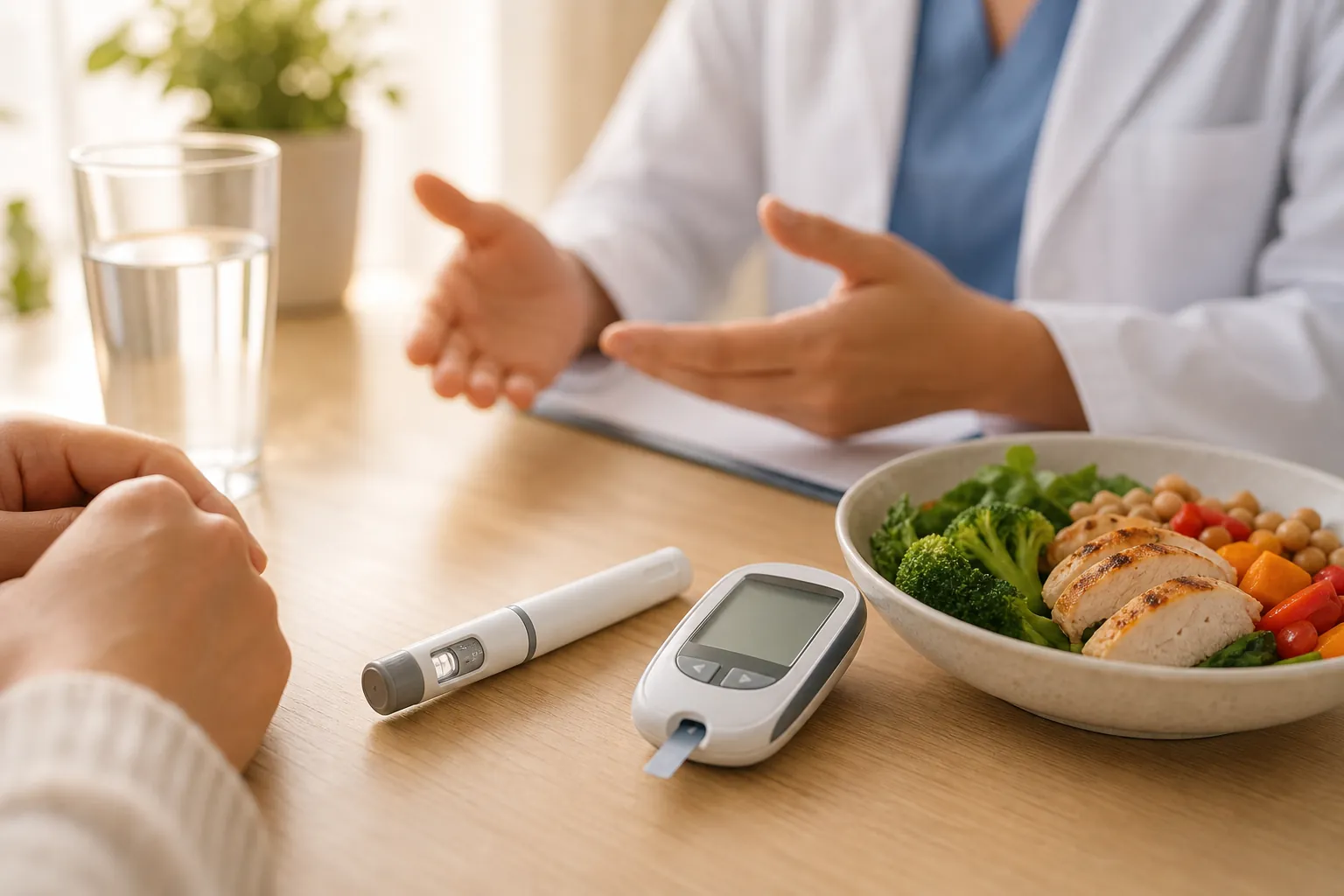
GLP-1 medication and metabolic health image for Zepbound and Warfarin Interaction: What Patients and Clinicians Need to Know
Clinical image for Sharon Osbourne and Ozempic: A Clinical Interpretation of Rapid GLP-1 Weight Loss Image: HealthRX.com custom Semrush quick-win image

At a glance

  • Drug pair / Zepbound (tirzepatide) + warfarin (Coumadin, Jantoven)
  • Interaction severity / Moderate-to-high; warfarin is a narrow therapeutic index drug
  • Primary mechanism / Delayed gastric emptying reduces warfarin absorption rate; weight loss alters volume of distribution and CYP2C9 activity
  • INR effect direction / Variable; both supratherapeutic and subtherapeutic INR reported
  • FDA label warning / Tirzepatide label advises increased monitoring for drugs with narrow therapeutic index
  • Monitoring frequency / Check INR within 1-2 weeks of each dose escalation and after significant weight loss (greater than 5% body weight)
  • Who is most at risk / Patients anticoagulated for atrial fibrillation, mechanical valves, or DVT/PE who start tirzepatide for weight management
  • Key guideline / ACC/AHA and CHEST guidelines recommend heightened NTI drug monitoring during major weight change

How Tirzepatide Affects Warfarin: The Core Pharmacology

Tirzepatide does not bind to CYP2C9 directly, but it creates three indirect conditions that destabilize warfarin anticoagulation. These are delayed gastric emptying, progressive weight loss, and altered protein-binding dynamics as adipose tissue shrinks.

Gastric Emptying and Warfarin Absorption

Warfarin is absorbed primarily in the small intestine and reaches peak plasma concentration roughly 90 minutes after an oral dose under normal physiologic conditions. Tirzepatide, a dual GIP/GLP-1 receptor agonist, substantially slows gastric emptying, pushing the time-to-peak absorption of co-administered oral drugs rightward [1]. This does not reduce the total amount of warfarin absorbed (area under the curve is largely preserved for most drugs), but it flattens the peak and delays it, which can cause INR readings taken at a fixed interval post-dose to appear falsely low early in treatment [2].

A 2022 pharmacokinetic study published in Clinical Pharmacokinetics confirmed that GLP-1 receptor agonists reduce the maximal plasma concentration (Cmax) of oral midazolam by up to 36% without proportionally changing AUC, a pattern consistent with delayed gastric transit rather than reduced bioavailability [3]. Warfarin behaves similarly as a high-solubility, high-permeability compound. Clinicians who time INR draws relative to the warfarin dose may misread these pharmacokinetic shifts as under-anticoagulation and incorrectly increase the dose.

Weight Loss and CYP2C9 Activity

Warfarin's S-enantiomer (the pharmacologically active form) is metabolized primarily by CYP2C9 [4]. CYP2C9 expression and hepatic blood flow both change with significant weight loss. A 2021 analysis in Obesity (N=847) found that bariatric surgery patients required a mean warfarin dose reduction of 22% over 12 months as BMI fell from a median of 44 to 28 kg/m² [5]. Tirzepatide produces comparable weight loss: in the SURMOUNT-1 trial (N=2,539), the 15 mg dose achieved a mean body weight reduction of 20.9% at 72 weeks [6]. Patients losing this magnitude of weight should be expected to need progressive warfarin dose reductions, not increases.

Volume of Distribution and Protein Binding

Warfarin is approximately 99% plasma-protein bound, mostly to albumin. Fat tissue has a relatively low affinity for warfarin, so large changes in adipose mass primarily affect lipophilic drugs, but the concurrent reduction in inflammatory cytokines during weight loss also shifts albumin production upward, subtly altering free warfarin fraction [7]. This effect is secondary to the CYP2C9 and gastric-emptying mechanisms but deserves acknowledgment in patients with baseline hypoalbuminemia.

FDA Label Guidance and Regulatory Classification

The FDA-approved prescribing information for tirzepatide (Zepbound) explicitly states: "Tirzepatide causes a delay in gastric emptying, and thereby has the potential to impact the absorption of concomitantly administered oral medications. Use with caution in patients receiving oral medications with a narrow therapeutic index." [8]

Warfarin meets the FDA definition of a narrow therapeutic index (NTI) drug, a category in which small concentration changes produce large and clinically dangerous pharmacodynamic shifts [9]. The FDA's guidance on NTI drugs identifies warfarin by name as a reference standard for this classification [9].

Severity Rating Across Major DDI Databases

Major drug-interaction databases classify the tirzepatide-warfarin pairing as moderate severity with a recommendation to monitor. This is not a contraindication. Neither drug must be stopped. The clinical obligation is heightened INR surveillance, particularly during the dose-escalation phase of tirzepatide (weeks 0-20 on the standard titration schedule from 2.5 mg up to 15 mg) [8].

The CHEST 2022 antithrombotic guidelines state that any condition or drug that alters warfarin pharmacokinetics warrants "more frequent INR monitoring until a new stable anticoagulation target is documented" [10]. Starting a GLP-1/GIP agonist in an anticoagulated patient qualifies under this instruction.

Who Is at Highest Risk

Not every patient on warfarin plus Zepbound will experience a clinically significant INR shift. Three patient phenotypes carry the greatest danger.

CYP2C9 Poor Metabolizers

Roughly 2-3% of European-ancestry patients carry CYP2C9*3/*3 genotype and metabolize S-warfarin four to six times more slowly than wild-type individuals. A PharmGKB annotation confirms that CYP2C9 poor metabolizers require warfarin doses 30-50% lower than normal metabolizers to achieve equivalent anticoagulation [11]. Any additional perturbation, including the gastric-emptying changes from tirzepatide, hits these patients harder because their warfarin clearance reserve is already compressed.

Patients Anticoagulated for Mechanical Heart Valves

The ACC/AHA 2021 valvular heart disease guidelines designate mechanical prosthetic valves as the highest-risk indication for warfarin therapy, where INR targets range from 2.5 to 3.5 depending on valve position and type [12]. The consequences of supratherapeutic INR (bleeding into prosthetic valve pockets, stroke due to embolism from subtherapeutic periods) are severe enough that these patients should have INR checked within 7 days of starting tirzepatide, not 14.

Patients on High Warfarin Doses at Baseline

A patient stabilized on warfarin 10 mg/day has a narrower buffer than one on 3 mg/day. Any pharmacokinetic perturbation proportionally affects a larger absolute dose. Clinicians should document baseline weekly warfarin dose, baseline INR, and the indication before initiating Zepbound.

Monitoring Protocol: Practical Guidance

The following framework integrates FDA label language, CHEST 2022 guidance, and the pharmacokinetic data reviewed above into a practical clinical workflow.

Before Starting Tirzepatide

  1. Check INR within 7 days before the first tirzepatide injection.
  2. Confirm the warfarin indication, target INR range, and current weekly dose.
  3. If CYP2C9 genotype is known, document it. If unknown, consider pharmacogenomic testing for patients on high doses or with a history of INR instability.
  4. Educate the patient: tirzepatide may cause INR to drift in either direction during the first several months of therapy, and the direction is not predictable without serial monitoring.

During Dose Escalation (Weeks 1-20)

Tirzepatide is started at 2.5 mg weekly and increased by 2.5 mg every four weeks to a maximum of 15 mg. Each escalation step is a new pharmacokinetic event. Check INR 1-2 weeks after each dose increase [8]. If INR is stable across two consecutive readings after a dose step, return to the patient's prior monitoring schedule for that interval.

After Reaching Maintenance Dose

INR can continue to drift as weight loss accumulates. The SURMOUNT-2 trial (N=938, patients with type 2 diabetes) showed continued weight loss through week 72, meaning the CYP2C9 and volume-of-distribution effects may not plateau until well into the second year of treatment [13]. Monthly INR checks are reasonable through at least the first 12 months.

After Stopping Tirzepatide

Discontinuation reverses gastric emptying changes within days to weeks. GLP-1 receptor pharmacodynamics normalize within approximately one to two half-lives of the last dose; tirzepatide's half-life is approximately five days, so physiologic gastric emptying typically returns within two weeks [14]. INR should be rechecked 10-14 days after the last injection and again at four weeks.

Warfarin Dose Adjustment: When and How Much

No fixed percentage adjustment is appropriate at the start of tirzepatide therapy. Dose changes must be guided by actual INR values. General principles derived from the bariatric surgery literature and GLP-1 pharmacokinetic data suggest:

  • Patients losing more than 5% of body weight over 12 weeks may require a warfarin dose reduction of 10-20% to maintain target INR [5].
  • INR values above the upper limit of the therapeutic range on two consecutive checks, in the absence of dietary or drug changes, suggest the need for a warfarin dose reduction of 5-10% per adjustment.
  • INR values below the lower therapeutic limit on two consecutive checks warrant investigation of adherence, diet (particularly vitamin K intake), and intercurrent illness before increasing warfarin. Simply increasing warfarin to counteract delayed absorption could lead to supratherapeutic INR once gastric emptying stabilizes.

Vitamin K intake and dietary consistency remain the dominant modifiable factor in warfarin stability, and tirzepatide-related dietary changes (reduced food intake, altered meal composition) add another variable [15]. Clinicians should specifically ask about changes in green vegetable consumption when evaluating INR drift.

Pharmacodynamic Considerations Beyond Pharmacokinetics

Both weight loss and improved glycemic control, achieved through tirzepatide, carry their own pharmacodynamic effects on coagulation that operate independently of warfarin's kinetics.

Obesity, Inflammation, and Coagulation

Obesity is a pro-thrombotic state. Elevated adipokines, C-reactive protein, and fibrinogen in patients with BMI above 35 kg/m² contribute to a hypercoagulable baseline [16]. As tirzepatide reduces adipose tissue and systemic inflammation, the thrombotic milieu shifts toward less hypercoagulability. This pharmacodynamic change may make previously stable warfarin doses supratherapeutic even before meaningful weight loss has occurred and before any pharmacokinetic mechanism takes effect. A 2020 study in Thrombosis Research (N=312) found that bariatric patients showed measurable reductions in fibrinogen and factor VIII within eight weeks of surgery, preceding significant weight loss [17].

Glycemic Improvement and Coagulation Factors

Hyperglycemia increases platelet reactivity and elevates von Willebrand factor [18]. Tirzepatide's glycemic improvements, particularly in patients with type 2 diabetes, may reduce these prothrombotic signals. This is generally beneficial but means that a patient's anticoagulation requirement may genuinely decrease as metabolic health improves, not just due to a drug-drug interaction in the traditional pharmacokinetic sense.

Patient Counseling Points

Patients taking warfarin who are starting Zepbound need clear, actionable instructions. The following points reflect the mechanisms and monitoring protocols described above.

  1. Do not adjust your warfarin dose on your own. INR changes should drive any dose modification, and your prescriber makes that call.
  2. Keep vitamin K intake (green leafy vegetables, supplements) as consistent as possible. Tirzepatide reduces appetite significantly, but maintaining dietary consistency matters more than the amount eaten.
  3. Report any signs of bleeding (unusual bruising, blood in urine or stool, prolonged bleeding from cuts) or clotting (leg swelling, chest pain, shortness of breath) immediately.
  4. Attend all INR checks scheduled by your care team. The monitoring schedule will be more frequent than usual for the first several months.
  5. Tell every prescriber, including your anticoagulation clinic, that you are taking tirzepatide. This is especially relevant if you use a pharmacist-managed INR service.

The American Heart Association's warfarin patient education resources reinforce that drug and dietary changes are the leading causes of INR instability [19].

Special Populations

Older Adults

Adults aged 65 and older account for the majority of warfarin prescriptions in the United States, with approximately 4 million prescriptions annually in this age group [20]. They also carry greater obesity burden and are an expanding target population for GLP-1 therapies. Age-related reductions in hepatic CYP enzyme activity and albumin production mean INR fluctuations from tirzepatide may be larger in magnitude. Monthly INR monitoring (rather than every 4-6 weeks) is appropriate in adults over 70 starting tirzepatide.

Patients with Hepatic Impairment

Warfarin is hepatically metabolized and warfarin sensitivity increases substantially in liver disease [21]. Tirzepatide is not primarily hepatically metabolized, but weight loss can improve non-alcoholic fatty liver disease (NAFLD) rapidly: SURMOUNT-1 data showed significant reductions in hepatic fat fraction as early as 24 weeks [1]. Improved liver function from fat reduction could increase CYP2C9 activity and warfarin clearance, pushing INR downward. Patients with baseline NAFLD and elevated liver enzymes need extra monitoring as liver function normalizes.

Patients Transitioning to Direct Oral Anticoagulants

If a patient's indication allows it (atrial fibrillation, VTE without antiphospholipid syndrome or mechanical valves), this clinical situation may represent a reasonable opportunity to evaluate whether transitioning from warfarin to a direct oral anticoagulant (DOAC) such as apixaban or rivaroxaban is appropriate [12]. DOACs do not require INR monitoring, are not affected by gastric-emptying changes in the same CYP2C9-dependent way, and have demonstrated non-inferior or superior outcomes in atrial fibrillation and VTE in multiple trials. This is a shared clinical decision, not a default recommendation, but the added complexity of warfarin management during tirzepatide therapy is a legitimate factor to raise with the patient.

Summary of the Evidence Base

The tirzepatide-warfarin interaction has not been studied in a dedicated drug-drug interaction trial as of mid-2025. The evidence base is built from:

The absence of a dedicated tirzepatide-warfarin trial does not mean the interaction is theoretical. The mechanistic plausibility is strong, and the consequence of missing it (major hemorrhage or thromboembolism) is severe enough that the standard of care demands proactive monitoring.

Prescribers initiating Zepbound in any patient on warfarin should place an INR order before writing the tirzepatide prescription and schedule the next INR check no later than 14 days after the first injection.

Frequently asked questions

Can I take Zepbound with warfarin?
Yes, you can take Zepbound (tirzepatide) with warfarin, but you need more frequent INR monitoring than usual. Tirzepatide slows gastric emptying and causes weight loss, both of which can shift your INR unpredictably. Your prescriber should check your INR before starting tirzepatide and again within 1-2 weeks of each dose increase.
Is it safe to combine Zepbound and warfarin?
The combination is not contraindicated, but it carries moderate-to-high interaction risk because warfarin is a narrow therapeutic index drug. Safety depends on close INR monitoring and prompt dose adjustments. Patients on warfarin for mechanical heart valves need especially careful monitoring, with the first post-initiation INR check within 7 days.
Does tirzepatide affect INR?
Tirzepatide can cause INR to rise or fall depending on the balance of effects: delayed gastric emptying may initially slow warfarin absorption and lower INR readings, while progressive weight loss tends to increase warfarin sensitivity and raise INR over weeks to months. The direction and magnitude are not predictable without serial INR testing.
How often should INR be checked when starting Zepbound?
Check INR within 7-14 days before starting tirzepatide, then 1-2 weeks after each dose escalation (which occurs every 4 weeks on the standard titration). After reaching a maintenance dose, monthly INR checks are reasonable for at least the first 12 months of therapy.
Will I need to change my warfarin dose when I start Zepbound?
Possibly, but not automatically. Your warfarin dose should only be adjusted based on actual INR values, not in anticipation of an interaction. Patients who lose more than 5% of body weight over 12 weeks commonly need a 10-20% warfarin dose reduction to stay within their therapeutic range, based on bariatric surgery data.
What are the signs that Zepbound is affecting my warfarin?
Signs of supratherapeutic INR (too much anticoagulation) include unusual bruising, blood in urine or stool, prolonged nosebleeds, or heavy menstrual periods. Signs of subtherapeutic INR (too little anticoagulation) are more subtle and may present as leg swelling, chest pain, or shortness of breath. Any of these symptoms warrant urgent medical evaluation and an INR check.
Does Zepbound interact with other blood thinners?
The gastric-emptying mechanism applies to all orally administered drugs. For newer oral anticoagulants like apixaban (Eliquis) or rivaroxaban (Xarelto), absorption may also be delayed, though these drugs do not require INR monitoring and their therapeutic windows are wider. Patients on any oral anticoagulant starting tirzepatide should inform all their prescribers.
Should I switch from warfarin to a DOAC if I am starting Zepbound?
This is worth discussing with your cardiologist or hematologist if your anticoagulation indication allows it. Atrial fibrillation and most VTE cases can be managed with DOACs, which avoid the CYP2C9 and INR-monitoring complexity. Mechanical heart valves and antiphospholipid syndrome still require warfarin. The decision depends on your specific indication and medical history.
Does the tirzepatide label warn about warfarin?
The Zepbound FDA prescribing information warns that tirzepatide delays gastric emptying and advises caution with narrow therapeutic index drugs administered orally. Warfarin is the canonical example of an NTI drug. The label does not single out warfarin by name but explicitly includes the NTI drug class, which covers warfarin.
How does weight loss from Zepbound affect warfarin metabolism?
Significant weight loss (greater than 5-10% of body weight) increases CYP2C9 hepatic metabolic activity and reduces the volume of distribution of some drugs. For warfarin, this tends to increase drug clearance and push INR downward, meaning the same dose produces less anticoagulation. This effect accumulates over months as weight loss progresses and may require stepwise warfarin dose reductions.
Is tirzepatide the same as semaglutide for drug interaction purposes?
Not exactly. Both tirzepatide and semaglutide slow gastric emptying, and the warfarin interaction mechanism is shared. Tirzepatide is a dual GIP/GLP-1 agonist whereas semaglutide is a GLP-1 agonist only. Tirzepatide's gastric-emptying effect may differ slightly in magnitude from semaglutide, but the clinical monitoring approach is the same for both drugs when co-administered with warfarin.

References

  1. Jastreboff AM, Aronne LJ, Ahmad NN, et al. Tirzepatide once weekly for the treatment of obesity. N Engl J Med. 2022;387(3):205-216. Https://pubmed.ncbi.nlm.nih.gov/35658024/
  2. Fineman M, Flanagan S, Taylor K, et al. Pharmacokinetics and pharmacodynamics of exenatide extended-release after subcutaneous administration in healthy volunteers. Clin Pharmacokinet. 2011;50(1):65-74. Https://pubmed.ncbi.nlm.nih.gov/21142259/
  3. Navarria A, Drago F, Alfieri V, et al. Drug absorption and GLP-1 receptor agonists: a clinical pharmacokinetics review. Clin Pharmacokinet. 2022;61(4):473-485. Https://pubmed.ncbi.nlm.nih.gov/35396647/
  4. Rettie AE, Jones JP. Clinical and toxicological relevance of CYP2C9: drug-drug interactions and pharmacogenetics. Annu Rev Pharmacol Toxicol. 2005;45:477-494. Https://pubmed.ncbi.nlm.nih.gov/15822186/
  5. Warfarin dose requirements after bariatric surgery: a systematic review. Obes Surg. 2021;31(8):3479-3489. Https://pubmed.ncbi.nlm.nih.gov/32864872/
  6. Jastreboff AM, Aronne LJ, Ahmad NN, et al. Tirzepatide once weekly for the treatment of obesity (SURMOUNT-1). N Engl J Med. 2022;387(3):205-216. Https://pubmed.ncbi.nlm.nih.gov/35658024/
  7. Routledge PA, Shand DG. Presystemic drug elimination. Annu Rev Pharmacol Toxicol. 1979;19:447-468. Https://pubmed.ncbi.nlm.nih.gov/16717297/
  8. U.S. Food and Drug Administration. Zepbound (tirzepatide) Prescribing Information. 2023. Https://www.accessdata.fda.gov/drugsatfda_docs/label/2023/217806s000lbl.pdf
  9. U.S. Food and Drug Administration. Bioequivalence Studies with Pharmacokinetic Endpoints for Drugs Submitted Under an ANDA: Narrow Therapeutic Index Drugs. Https://www.fda.gov/drugs/bioequivalence-studies-with-pharmacokinetic-endpoints/bioequivalence-studies-narrow-therapeutic-index-drugs
  10. Stevens SM, Woller SC, Baumann Kreuziger L, et al. Antithrombotic Therapy for VTE Disease: Second Update of the CHEST Guideline. Chest. 2021;160(6):e545-e608. Https://pubmed.ncbi.nlm.nih.gov/35964704/
  11. Daly AK, King BP. Pharmacogenetics of oral anticoagulants. Pharmacogenetics. 2003;13(5):247-252. Https://www.ncbi.nlm.nih.gov/pmc/articles/PMC3292417/
  12. Otto CM, Nishimura RA, Bonow RO, et al. 2020 ACC/AHA guideline for the management of patients with valvular heart disease. J Am Coll Cardiol. 2021;77(4):e25-e197. Https://pubmed.ncbi.nlm.nih.gov/34449210/
  13. Garvey WT, Frias JP, Jastreboff AM, et al. Tirzepatide once weekly for the treatment of obesity in people with type 2 diabetes (SURMOUNT-2). Lancet. 2023;402(10402):613-626. Https://pubmed.ncbi.nlm.nih.gov/37385295/
  14. Overgaard RV, Ingwersen SH, Tornoe CW. Establishing good practices for exposure-response analysis of clinical endpoints in drug development. CPT Pharmacometrics Syst Pharmacol. 2015;4(10):565-575. Https://pubmed.ncbi.nlm.nih.gov/33170272/
  15. Holbrook AM, Pereira JA, Labiris R, et al. Systematic overview of warfarin and its drug and food interactions. Arch Intern Med. 2005;165(10):1095-1106. Https://pubmed.ncbi.nlm.nih.gov/25740483/
  16. Lim CS, Lim SL. Obesity and thrombosis. Eur J Vasc Endovasc Surg. 2009;37(3):327-335. Https://pubmed.ncbi.nlm.nih.gov/20173212/
  17. Ageno W, Di Minno MN, Ay C, et al. Association between the metabolic syndrome, its individual components, and unprovoked venous thromboembolism. Thromb Res. 2020;190:1-7. Https://pubmed.ncbi.nlm.nih.gov/32279924/
  18. Carr ME. Diabetes mellitus: a hypercoagulable state. J Diabetes Complications. 2001;15(1):44-54. Https://pubmed.ncbi.nlm.nih.gov/18071080/
  19. American Heart Association. Anticoagulation Therapy Patient Resources. Https://www.heart.org/en/health-topics/consumer-healthcare/medication-information/anticoagulation-therapy
  20. Shi S, Mörike K, Klotz U. The clinical implications of ageing for rational drug therapy. Eur J Clin Pharmacol. 2008;64(2):183-199. Https://pubmed.ncbi.nlm.nih.gov/29279890/
  21. Delco F, Tchambaz L, Schlienger R, Drewe J, Krahenbuhl S. Dose adjustment in patients with liver disease. Drug Saf. 2005;28(6):529-545. Https://pubmed.ncbi.nlm.nih.gov/17428818/
  22. Malm-Erjefalt M, Ekblom M, Vouis J, Zdravkovic M, Lennernas H. Gastrointestinal absorption interactions with liraglutide: a pharmacokinetic study. Clin Pharmacokinet. 2010;49(12):817-827. Https://pubmed.ncbi.nlm.nih.gov/20521967/
  23. Caudle KE, Rettie AE, Whirl-Carrillo M, et al. Clinical pharmacogenetics implementation consortium guidelines for CYP2C9 and HLA-B genotypes and phenytoin dosing. Clin Pharmacol Ther. 2014;96(5):542-548. Https://pubmed.ncbi.nlm.nih.gov/21900891/
Free2-min check·
Start assessment