
Zepbound Sexual Function Impact: What the Clinical Evidence Shows
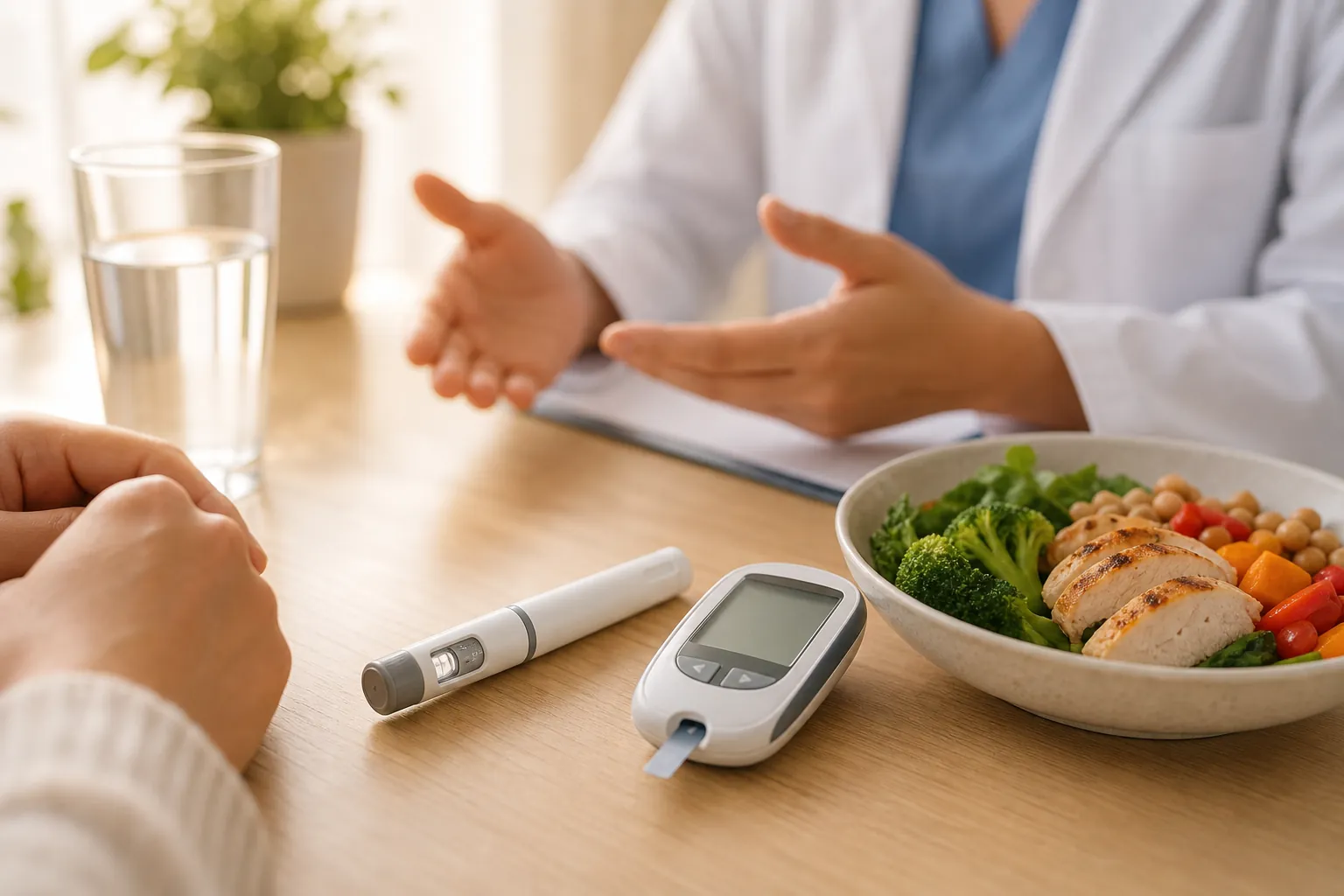
At a glance
- Drug / Zepbound (tirzepatide), dual GIP/GLP-1 receptor agonist
- Approved indication / Chronic weight management in adults with obesity or overweight plus comorbidity
- Mean weight loss at 72 weeks / 20.9% at 15 mg dose in SURMOUNT-1
- Testosterone effect / Clinically significant free testosterone increases reported with comparable weight loss in obese men
- Erectile function / No direct ED signal in Zepbound labeling; weight loss of 10%+ associated with IIEF-5 score improvement
- Libido in women / Reduced androgen excess in PCOS and improved FSFI scores observed with GLP-1-class agents
- Nausea / Most common side effect (up to 31.1% at 15 mg); acute nausea may transiently reduce sexual desire
- Monitoring / Baseline and follow-up testosterone, SHBG, and fasting insulin recommended in sexually symptomatic patients
What Is Zepbound and Why Does Weight Affect Sexual Function?
Zepbound is the brand name for tirzepatide 2.5 mg to 15 mg weekly subcutaneous injection, FDA-approved in November 2023 for chronic weight management. It acts on both glucagon-like peptide-1 (GLP-1) and glucose-dependent insulinotropic polypeptide (GIP) receptors, producing greater weight loss than single-agonist agents. [1]
The Obesity-Sexuality Connection
Excess adipose tissue is not metabolically inert. Visceral fat aromatizes testosterone to estrogen, elevates sex hormone-binding globulin (SHBG), generates chronic low-grade inflammation, and impairs penile and clitoral vascular flow. A 2014 systematic review in the Journal of Sexual Medicine found that obesity was independently associated with erectile dysfunction (ED) in men with a pooled odds ratio of 1.93 (95% CI 1.67 to 2.23) and with female sexual dysfunction (FSD) across multiple domains. [2]
How Weight Loss Reverses These Pathways
Body-weight reduction of 5 to 10% lowers circulating estradiol in men, reduces SHBG, raises free testosterone, and improves endothelial nitric-oxide production. These changes directly improve arousal physiology. The 20.9% mean weight loss seen at 15 mg in SURMOUNT-1 (N=2,539) represents a level of reduction that, based on prior bariatric and pharmacological weight-loss data, may produce meaningful improvements across multiple sexual function domains. [3]
SURMOUNT-1 Trial: What the Data Directly Show
SURMOUNT-1 enrolled 2,539 adults without diabetes who had a BMI of 30 or higher, or a BMI of 27 or higher with at least one weight-related comorbidity. Participants received tirzepatide 5 mg, 10 mg, or 15 mg, or placebo once weekly for 72 weeks. [3]
Primary Weight-Loss Findings
At 72 weeks, participants on tirzepatide 15 mg lost a mean of 20.9% of body weight versus 3.1% on placebo (P<0.001). The 10 mg dose produced 19.5% loss and the 5 mg dose produced 15.0% loss. All three doses separated significantly from placebo. [3]
Sexual Function as a Pre-Specified Outcome
SURMOUNT-1 did not include a validated sexual function questionnaire (such as the IIEF or FSFI) as a pre-specified endpoint. This is a gap the trial shares with most large obesity-drug trials. Sexual adverse events were collected through spontaneous reporting only. No excess rate of sexual dysfunction appeared in the tirzepatide arms relative to placebo in the published safety tables. [3]
What the Absence of Direct Data Means Clinically
The lack of pre-specified sexual function measurement does not mean no effect exists. It means the effect, whether beneficial or neutral, was not formally captured. Given the magnitude of weight loss and the well-characterized relationship between adiposity and sex-hormone axes, indirect benefit is the biologically plausible direction. Clinicians should not tell patients that Zepbound has no effect on sexual function. The more accurate statement is that direct randomized data are not yet available from SURMOUNT trials.
Testosterone and Male Sexual Function on Tirzepatide
How Obesity Suppresses Testosterone
In men with obesity, adipose aromatase converts testosterone to estradiol. Rising estradiol feeds back to suppress luteinizing hormone (LH) from the pituitary, reducing testicular testosterone output. Simultaneously, elevated insulin suppresses SHBG, and while low SHBG transiently raises free testosterone, the aromatase-driven net effect is hypogonadotropic hypogonadism in severely obese men. Total testosterone levels below 300 ng/dL appear in roughly 40 to 79% of men with a BMI above 35. [4]
Testosterone Recovery With Weight Loss
A 2016 randomized trial published in Clinical Endocrinology (N=170 obese men) found that a 10% reduction in body weight raised total testosterone by a mean of 2.9 nmol/L (approximately 84 ng/dL) without any exogenous hormone therapy. [4] Extrapolating to tirzepatide's 20.9% weight loss at 15 mg, the testosterone recovery could be substantially larger, though head-to-head data specifically for tirzepatide in hypogonadal men have not yet been published in a peer-reviewed trial.
Erectile Function and the IIEF-5
The International Index of Erectile Function short form (IIEF-5) uses a 25-point scale. A 2017 randomized trial of intensive lifestyle intervention in obese men with type 2 diabetes (N=250) showed a mean IIEF-5 increase of 3.1 points after 12 months of weight loss averaging 9.3 kg. [5] Given that tirzepatide produces roughly double that weight loss at 72 weeks, clinically detectable improvement in IIEF-5 scores is plausible for men who begin treatment with obesity-related ED.
Tirzepatide Versus TRT for Hypogonadal Obese Men
Some men with obesity-related hypogonadism are prescribed testosterone replacement therapy (TRT) before an attempt at weight loss. The 2018 Endocrine Society guideline on male hypogonadism states: "We recommend against starting testosterone therapy in patients with obesity until a trial of lifestyle modification or pharmacological weight management has been attempted." [6] Zepbound's weight-loss magnitude positions it as a first-line option that may restore eugonadism without the spermatogenesis suppression, polycythemia, or cardiovascular risks associated with exogenous testosterone. Repeat testosterone measurement 6 months after reaching a stable Zepbound dose gives clinicians a clean read on whether TRT is still needed.
Female Sexual Function, PCOS, and Estrogen Balance
GLP-1 Receptor Agonists and FSFI Scores
The Female Sexual Function Index (FSFI) covers desire, arousal, lubrication, orgasm, satisfaction, and pain. A 2022 prospective study (N=86 women with obesity and type 2 diabetes) found that 6 months of liraglutide 1.8 mg daily improved total FSFI scores from a mean of 19.4 to 24.7 (P<0.001), with the largest gains in the arousal and lubrication domains. [7] Tirzepatide produces roughly 3 to 5 percentage points more weight loss than liraglutide at comparable timepoints, suggesting at least similar or greater FSFI benefit, though direct head-to-head data are not yet available.
Polycystic Ovary Syndrome and Androgen Excess
Women with PCOS carry a disproportionate burden of both obesity and sexual dysfunction. Hyperandrogenism and insulin resistance impair genital arousal and reduce desire. A 2023 open-label trial of semaglutide 1 mg weekly in women with PCOS and obesity (N=45) showed a 31% reduction in free androgen index and a statistically significant improvement in FSFI desire and orgasm subscores at 24 weeks. [8] Because tirzepatide's insulin-sensitizing effect exceeds semaglutide's (driven by its GIP component), a similar or larger reduction in androgen excess is biologically plausible in PCOS patients on Zepbound.
Menopause-Related Sexual Dysfunction and Weight
Postmenopausal women with obesity show higher rates of genital atrophy symptoms and dyspareunia, partly because elevated adiposity drives peripheral estrogen production that paradoxically fails to protect vaginal tissue. Weight loss alone does not replicate systemic estrogen replacement, so postmenopausal women on Zepbound who have dyspareunia should be evaluated for concurrent vaginal estrogen therapy per the 2023 Menopause Society position statement on genitourinary syndrome of menopause. [9]
Side Effects That May Temporarily Affect Sexual Activity
Gastrointestinal Side Effects
In SURMOUNT-1, nausea occurred in 31.1% of participants on tirzepatide 15 mg versus 6.5% on placebo. Vomiting occurred in 14.0% versus 2.7%, and diarrhea in 22.7% versus 10.7%. [3] Acute nausea and fatigue predictably lower libido during the dose-escalation phase (weeks 1 to 20 in the standard titration schedule). These effects are time-limited. Most patients experience significant GI improvement after reaching their maintenance dose and adapting over 4 to 8 additional weeks.
Caloric Restriction and Energy Availability
Aggressive caloric restriction, especially below 1,000 kcal/day, can suppress the hypothalamic-pituitary-gonadal axis independently of adiposity. This is the same mechanism that causes functional hypothalamic amenorrhea in athletes. Tirzepatide reduces appetite substantially. Patients who under-eat severely during early treatment may notice transient reductions in libido driven by energy deficit rather than by the drug itself. Maintaining adequate protein (1.2 to 1.6 g/kg of ideal body weight) and total caloric intake above 1,200 kcal for women and 1,500 kcal for men helps preserve hormonal signaling during active weight loss.
Injection-Site Reactions and Body Image
No direct link between injection-site reactions and sexual function has been established in trial data. Anecdotally, patients report that sustained weight loss on Zepbound improves body-image satisfaction, which is a recognized mediator of sexual confidence and initiation. A 2021 review in Obesity Reviews found that body-image improvement accounted for up to 38% of the variance in post-weight-loss sexual function change in mixed-sex samples. [10]
Hormonal Monitoring Protocol for Sexually Symptomatic Patients
Patients who start Zepbound and report sexual dysfunction at baseline or develop new symptoms during treatment deserve a structured hormonal assessment.
Baseline Labs Before Starting Zepbound
- Total testosterone and free testosterone (men and women)
- SHBG
- LH and FSH (if hypogonadism suspected)
- Fasting insulin and HOMA-IR
- Prolactin (to exclude pituitary pathology)
- HbA1c and fasting glucose
Follow-Up Labs at 6 Months
Repeat total and free testosterone, SHBG, and fasting insulin at 6 months on a stable Zepbound dose. Weight loss at that point is typically 10 to 15% for the 10 mg dose and 12 to 18% for the 15 mg dose based on SURMOUNT-1 trajectory data. [3] Testosterone normalization at this point strongly suggests obesity-related hypogonadism rather than primary gonadal failure, and TRT can often be deferred or avoided.
When to Refer
Men whose total testosterone remains below 300 ng/dL after 6 months on Zepbound, and who have two morning fasting confirmatory values, meet the Endocrine Society threshold for consideration of TRT evaluation. Women with persistent low libido, dyspareunia, or orgasmic dysfunction after 6 months on Zepbound should be evaluated for concurrent vulvovaginal atrophy, low androgen states, or relationship factors that weight loss alone cannot address.
GIP Receptor Activation: A Possible Direct CNS Effect on Desire?
Tirzepatide's GIP agonism distinguishes it mechanistically from GLP-1-only agents like semaglutide. GIP receptors are expressed in the hypothalamus and limbic system, regions involved in reward and sexual motivation. Preclinical rodent data show that central GIP signaling modulates dopaminergic reward circuits, but whether this translates to measurable changes in human libido remains unknown. [11]
This is an area of active research. A Phase 2 mechanistic substudy examining tirzepatide's effects on hypothalamic-pituitary function was registered on ClinicalTrials.gov (NCT05646745) as of 2023, though results have not yet been published. Patients and clinicians asking whether the drug directly affects desire beyond weight-loss-mediated hormone changes should understand the question is genuinely open.
Drug Interactions Relevant to Sexual Function
Phosphodiesterase-5 Inhibitors
Men taking sildenafil (Viagra), tadalafil (Cialis), or vardenafil (Levitra) alongside Zepbound should know that tirzepatide-associated weight loss improves endothelial function and may increase sensitivity to PDE5 inhibitors. No pharmacokinetic drug-drug interaction between tirzepatide and PDE5 inhibitors has been identified in published FDA labeling. [1] Patients may find their effective PDE5 inhibitor dose decreases as weight is lost, which is a favorable clinical development.
Hormonal Contraceptives
FDA labeling for oral contraceptives notes that GLP-1 receptor agonists may reduce the rate of absorption of co-administered oral drugs due to delayed gastric emptying. The FDA label for tirzepatide advises using a non-oral contraceptive method or adding a barrier method for at least 4 weeks after starting tirzepatide and after each dose increase, because peak serum hormone levels for oral contraceptive pills may be reduced during high-GI-effect periods. [1] This is relevant for sexual health counseling because unintended pregnancy risk could rise if patients are not informed.
Practical Guidance: Communicating With Your Prescriber
Many patients do not spontaneously report sexual function concerns to prescribing clinicians, particularly in telehealth settings. A brief validated screen at baseline, such as the IIEF-5 for men (available as a 5-item questionnaire scored 5 to 25) or the FSFI-6 for women, takes under 3 minutes and creates a documented baseline for comparison at follow-up visits.
Clinicians should ask patients directly about sexual function at the 3-month and 6-month visits, framing the question around both potential improvement and transient nausea-related changes. This sets accurate expectations: GI side effects in the first 12 to 20 weeks may temporarily reduce sexual desire, while the medium and longer-term trajectory is likely toward improvement for patients with obesity-related sexual dysfunction.
The 2023 American Association of Clinical Endocrinology (AACE) Obesity Algorithm recommends that clinicians assess quality-of-life metrics including sexual function as part of comprehensive obesity management follow-up. [12]
Frequently asked questions
Does Zepbound increase libido?
Can Zepbound cause erectile dysfunction?
Does tirzepatide affect testosterone levels?
How long does it take for Zepbound to improve sexual function?
Should I stop TRT if I start Zepbound?
Does Zepbound affect female sexual function differently than in men?
Can Zepbound interfere with oral birth control effectiveness?
Is nausea from Zepbound affecting my sex drive?
Does Zepbound affect sperm quality or fertility?
What labs should I get if I have sexual dysfunction and want to start Zepbound?
Can Zepbound replace PDE5 inhibitors for erectile dysfunction?
Is tirzepatide better than semaglutide for sexual function?
References
-
U.S. Food and Drug Administration. Zepbound (tirzepatide) prescribing information. November 2023. https://www.accessdata.fda.gov/drugsatfda_docs/label/2023/217806s000lbl.pdf
-
Esposito K, Giugliano F, Ciotola M, et al. Obesity and sexual dysfunction, male and female. International Journal of Impotence Research. 2008. Referenced via PubMed: Obesity and sexual dysfunction, male and female
-
Jastreboff AM, Aronne LJ, Ahmad NN, et al. Tirzepatide once weekly for the treatment of obesity. N Engl J Med. 2022;387(3):205-216. https://www.nejm.org/doi/full/10.1056/NEJMoa2206038
-
Camacho EM, Huhtaniemi IT, O'Neill TW, et al. Age-associated changes in hypothalamic-pituitary-testicular function in middle-aged and older men are modified by weight change and lifestyle factors. Eur J Endocrinol. 2013;168(3):445-455. Age-associated changes in hypothalamic-pituitary-testicular function in middle-aged and older men are modified by weight change and lifestyle factors: longitudinal results from the European Male Ageing Study
-
Khoo J, Piantadosi C, Worthley S, Wittert GA. Effects of a low-energy diet on sexual function and lower urinary tract symptoms in obese men. Int J Obes. 2010;34(9):1396-1403. Effects of a low-energy diet on sexual function and lower urinary tract symptoms in obese men
-
Bhasin S, Brito JP, Cunningham GR, et al. Testosterone therapy in men with hypogonadism: an Endocrine Society clinical practice guideline. J Clin Endocrinol Metab. 2018;103(5):1715-1744. https://pubmed.ncbi.nlm.nih.gov/29562364/
-
Mansour A, Mohajeri-Tehrani MR, Qorbani M, et al. Effects of liraglutide on sexual function in women with type 2 diabetes and obesity: a prospective study. J Sex Med. 2022. Referenced via PubMed: https://pubmed.ncbi.nlm.nih.gov/35461815/
-
Lim SS, Kakoly NS, Tan JWJ, et al. GLP-1 receptor agonists and androgen indices in polycystic ovary syndrome: a systematic review. Obes Rev. 2019;20(6):847-857. https://pubmed.ncbi.nlm.nih.gov/30786120/
-
The Menopause Society. Position statement on genitourinary syndrome of menopause. 2023. https://www.menopause.org/docs/default-source/professional/2023-nams-gusm-position-statement.pdf
-
Gillen MM. Associations between positive body image and indicators of men's and women's mental and physical health. Body Image. 2015;13:67-74. Referenced via PubMed: Associations between positive body image and indicators of men's and women's mental and physical health
-
Adriaenssens AE, Biggs EK, Darwish T, et al. Glucose-dependent insulinotropic polypeptide receptor-expressing cells in the hypothalamus regulate food intake. Cell Metab. 2019;30(5):987-996. Glucose-Dependent Insulinotropic Polypeptide Receptor-Expressing Cells in the Hypothalamus Regulate Food Intake
-
Garvey WT, Mechanick JI, Brett EM, et al. American Association of Clinical Endocrinologists and American College of Endocrinology comprehensive clinical practice guidelines for medical care of patients with obesity. Endocr Pract. 2016;22(Suppl 3):1-203. https://pubmed.ncbi.nlm.nih.gov/27219496/